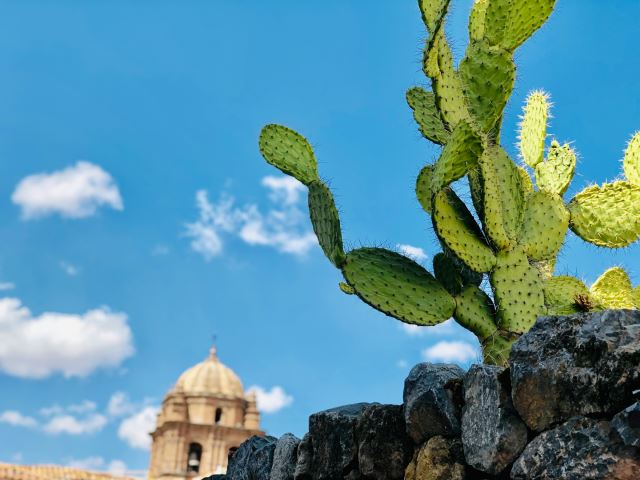
Okavango Delta
The Okavango Delta, located in Botswana, is one of Africa’s most extraordinary natural wonders. This vast inland delta, renowned for its rich biodiversity and stunning landscapes, offers a unique opportunity to experience a pristine wilderness. As the Okavango River meanders into the Kalahari Desert, it creates a sprawling floodplain that transforms into a lush oasis during the annual flood.
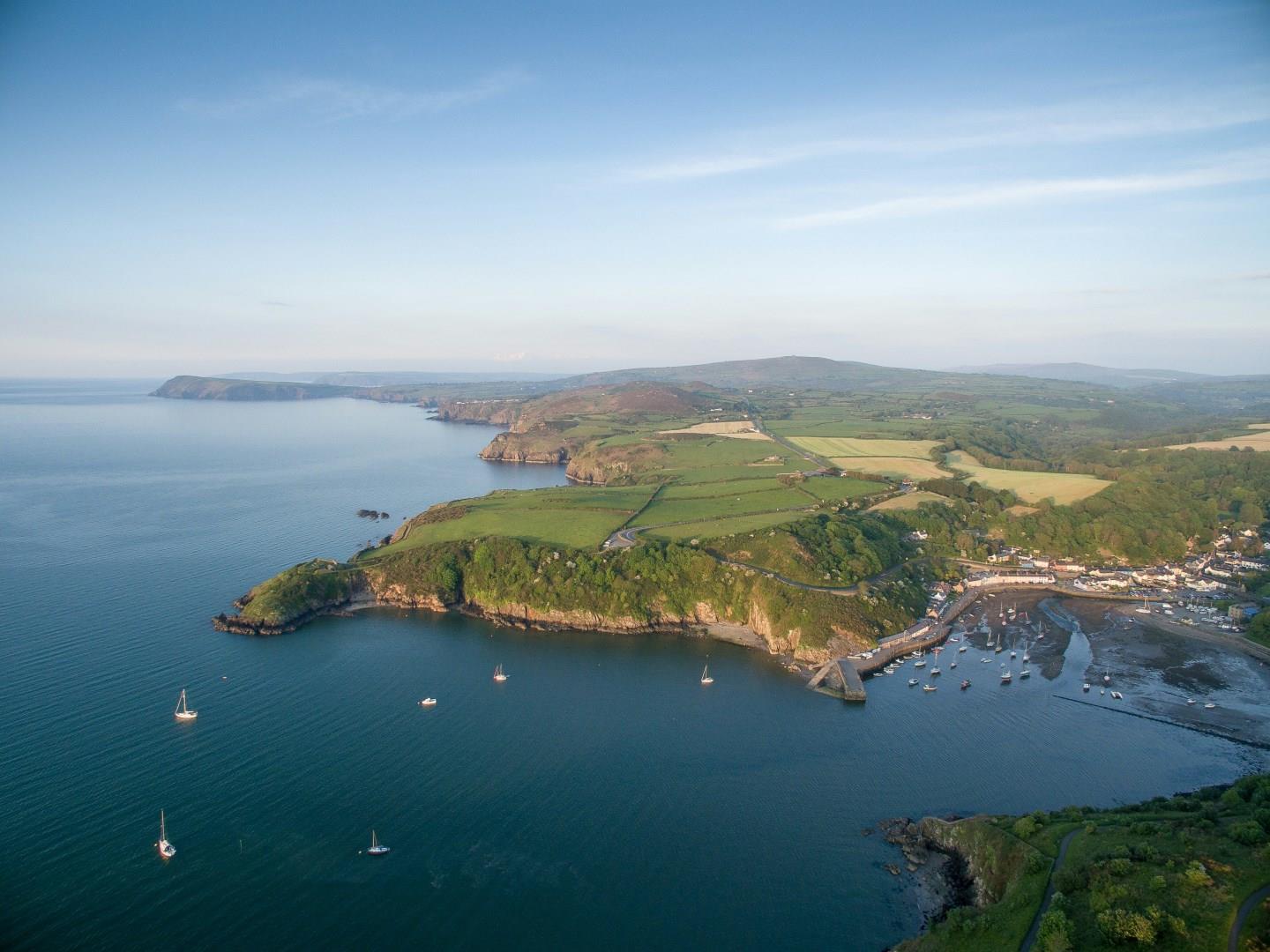
Fishguard
Fishguard, a coastal town in north Pembrokeshire, is divided into two parts: Fishguard and Lower Town. Lower Town is a small harbor nestled at the mouth of the River Gwaun, lined with fishing cottages and boats. It has served as a filming location for several productions, including the 1956 movie *Moby Dick* starring Gregory Peck. Visitors can walk the quayside, explore rock pools at low tide, or take boat trips along the Pembrokeshire Coast.
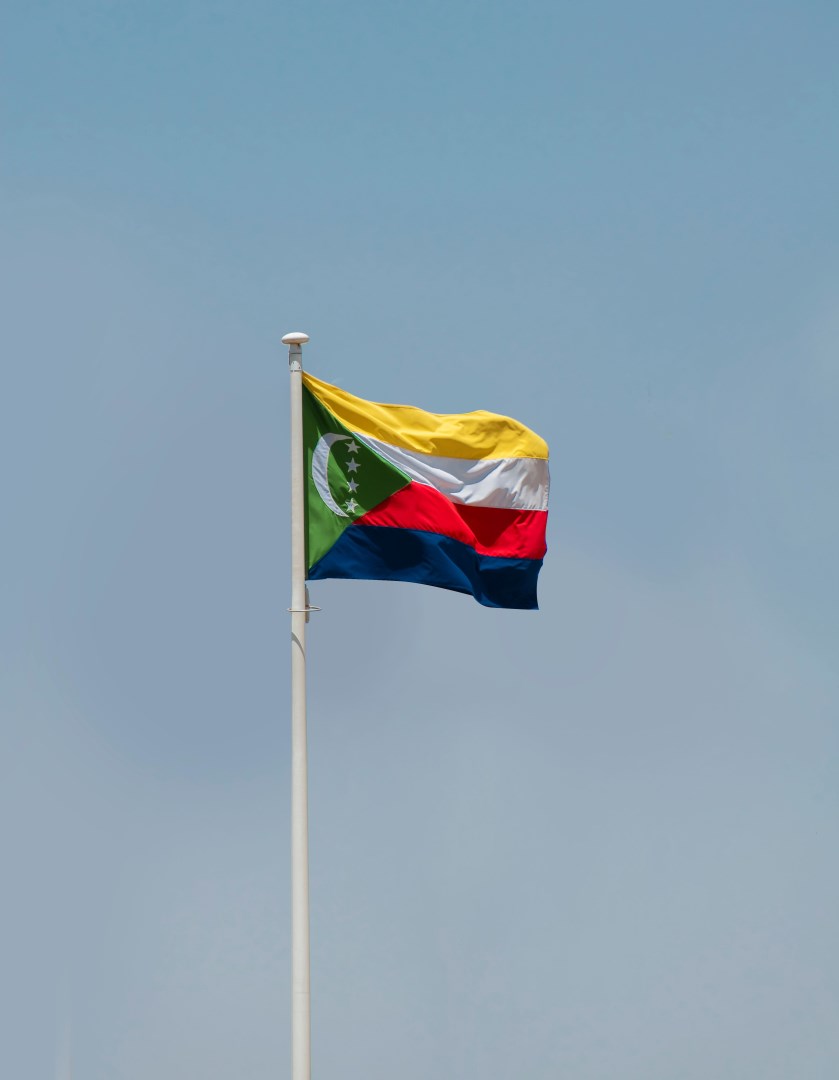
Comoros
Comoros, independent state comprising a group of islands located at the northern entrance of the Mozambique Channel, between the African mainland and the island of Madagascar. Officially called the Federal Islamic Republic of the Comoros, the archipelago includes four major islands.
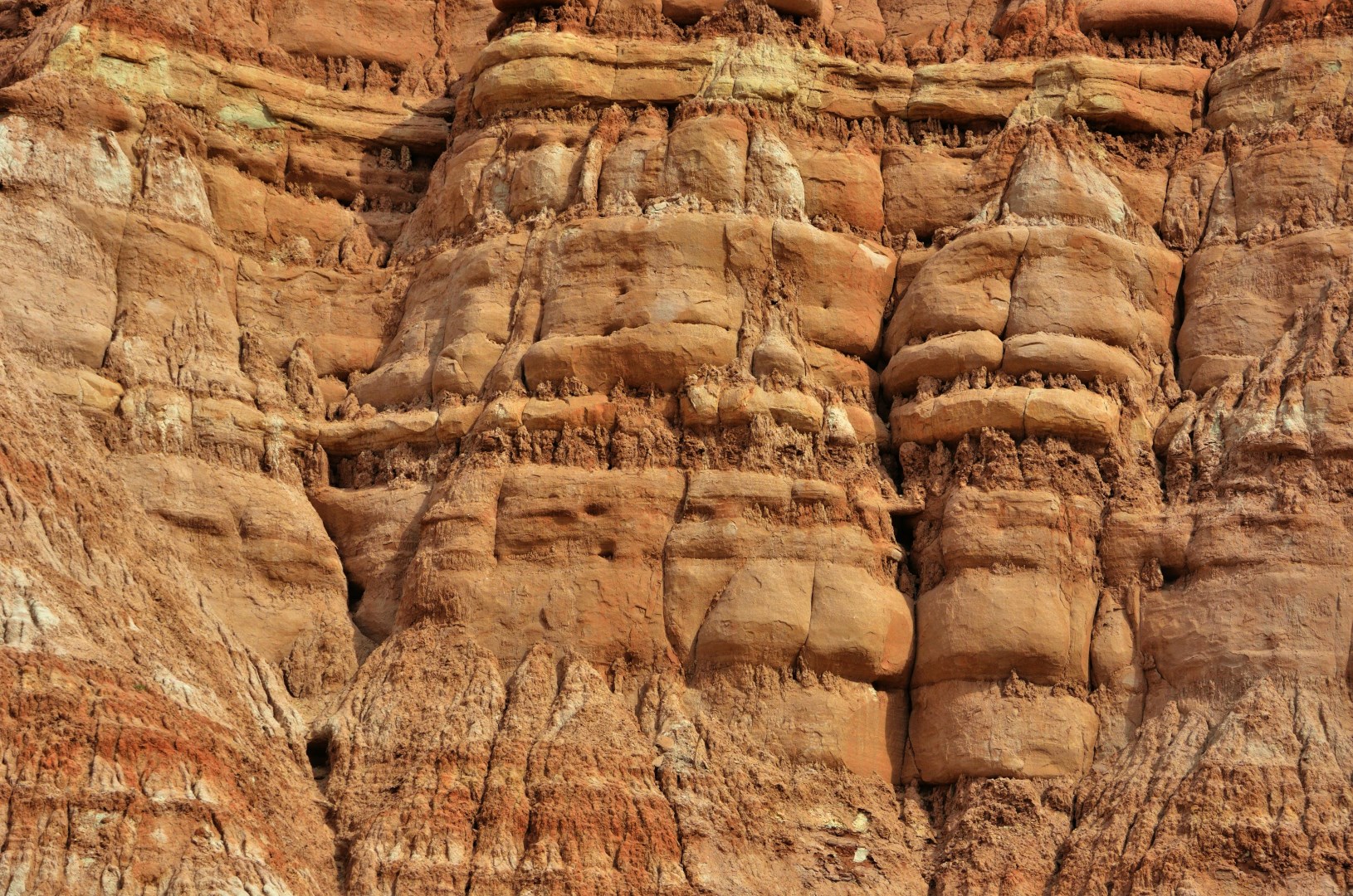
Grand Staircase-Escalante National Monument
Grand Staircase–Escalante National Monument stretches across southern Utah as a vast landscape of layered cliffs, winding canyons, and open desert plateaus. The land shifts in color from pale cream to deep red, depending on the angle of the sun, revealing rock layers that look like pages stacked over time. Much of the area feels remote, with long dirt roads like Hole-in-the-Rock Road leading travelers deep into quiet terrain where rock formations rise suddenly from flat ground.

Maho Beach
Maho Beach, on the Dutch side of Sint Maarten, is one of the Caribbean’s most thrilling and unconventional beach experiences. Situated directly beside Princess Juliana International Airport, the beach is world-famous for its low-flying airplanes that descend just overhead before landing.