Tomar sits on the Nabão River in central Portugal as a place where medieval history and everyday life meet in welcoming streets and grand monuments. Just outside the convent walls lies the Pegões Aqueduct, an impressive feat of engineering more than 6 kilometers long that once carried water from distant springs to the hilltop site. Some sections of its arches rise more than 30 meters above the valley floor, making it a striking backdrop for photos.
Grenoble sits at the meeting point of three Alpine mountain ranges in southeastern France, giving it a setting that feels both dramatic and lived-in. With origins dating back to Roman times, the city has long been a crossroads of trade, science, and political thought.
Greece is a country where layers of history sit side by side with everyday life. In Athens, visitors can stand at the foot of the Acropolis and look up at the Parthenon, built more than 2,400 years ago, then walk a few blocks to modern cafes buzzing with conversation and music. The city’s neighborhoods, like Plaka and Monastiraki, offer both ancient ruins and small family-run shops selling handmade sandals and olive oil soap.
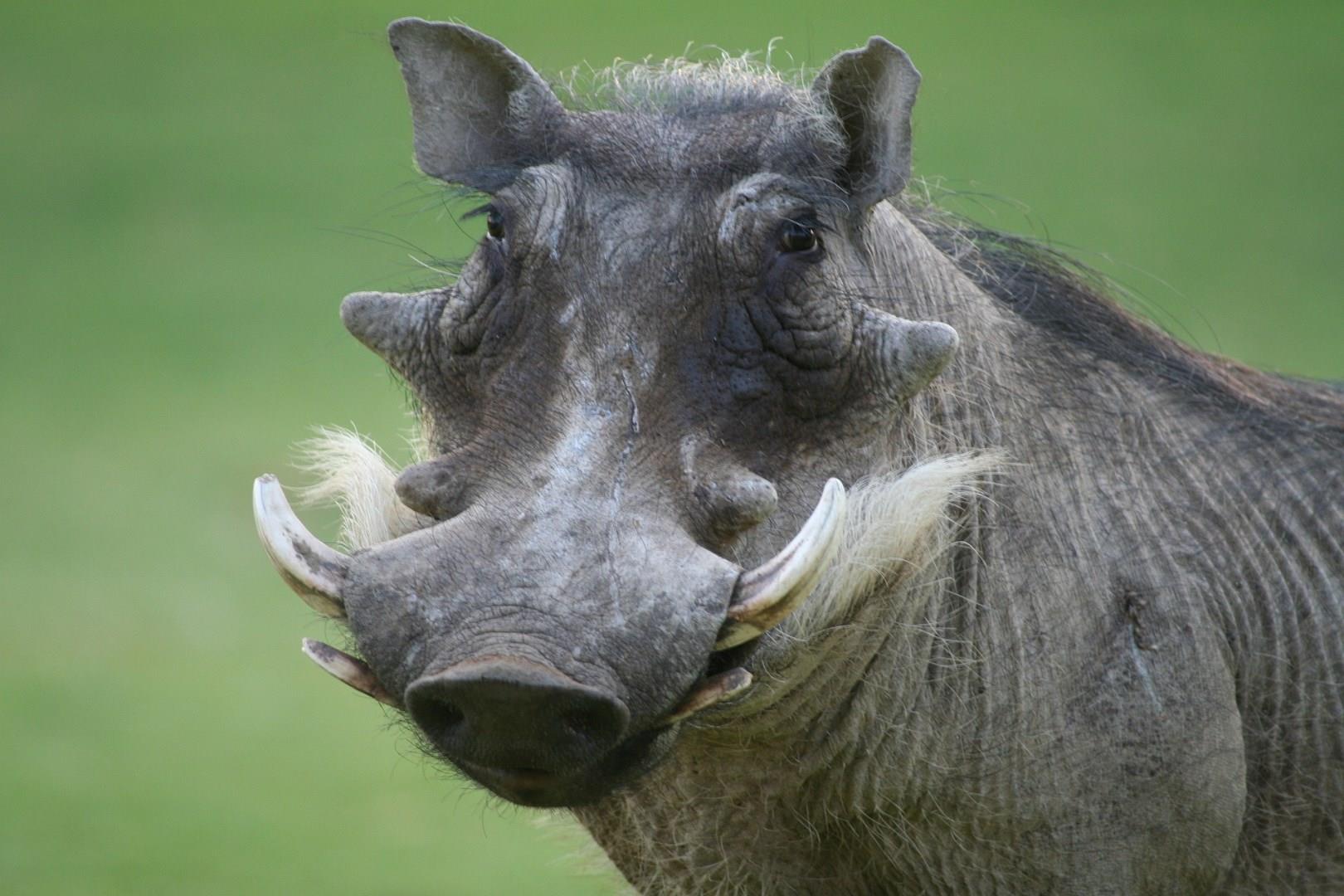
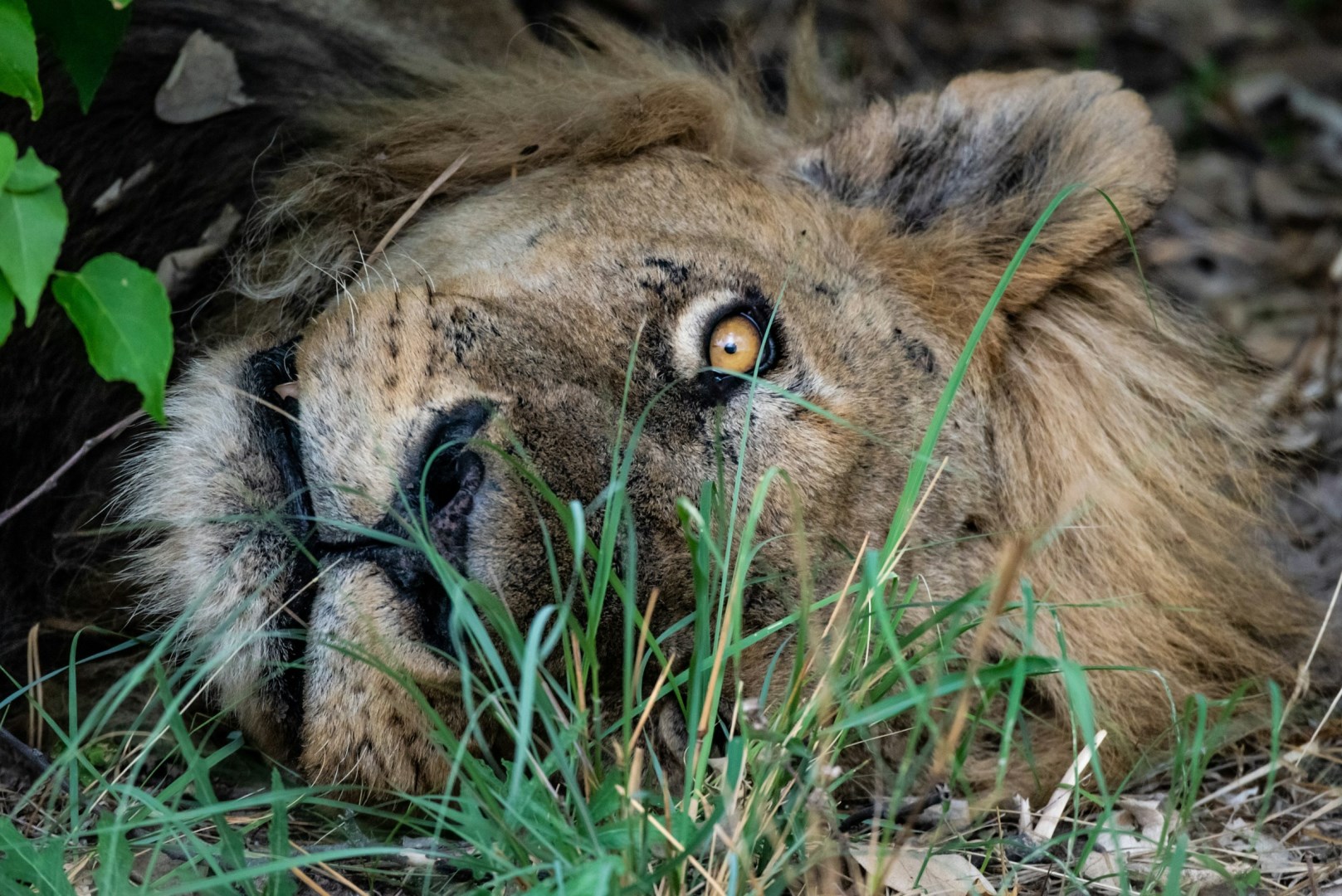
Hwange National Park, located in western Zimbabwe, is the country’s largest protected area and one of Africa’s premier wildlife reserves. Covering more than 14,600 square kilometers, it is renowned for its extraordinary diversity of animals and habitats.
Lithuania offers visitors a chance to explore a country where medieval traditions and modern culture meet. Vilnius, the capital, is known for its well-preserved Old Town, a UNESCO World Heritage site filled with winding streets, baroque churches, and cozy squares. Visitors can climb the hill to Gediminas’ Tower for a sweeping view of the city, or visit the Gates of Dawn, an important religious and historical monument that has welcomed travelers for centuries.
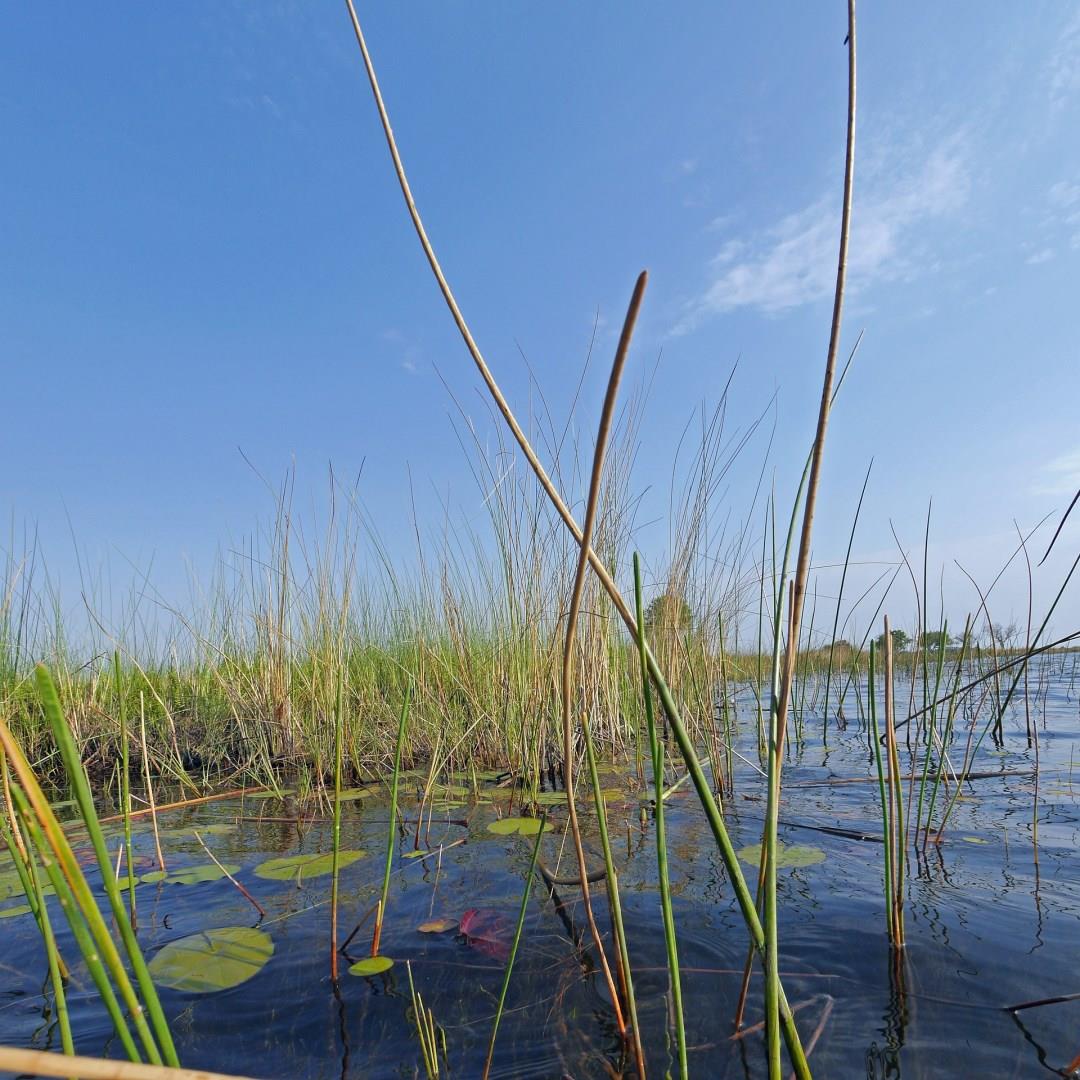
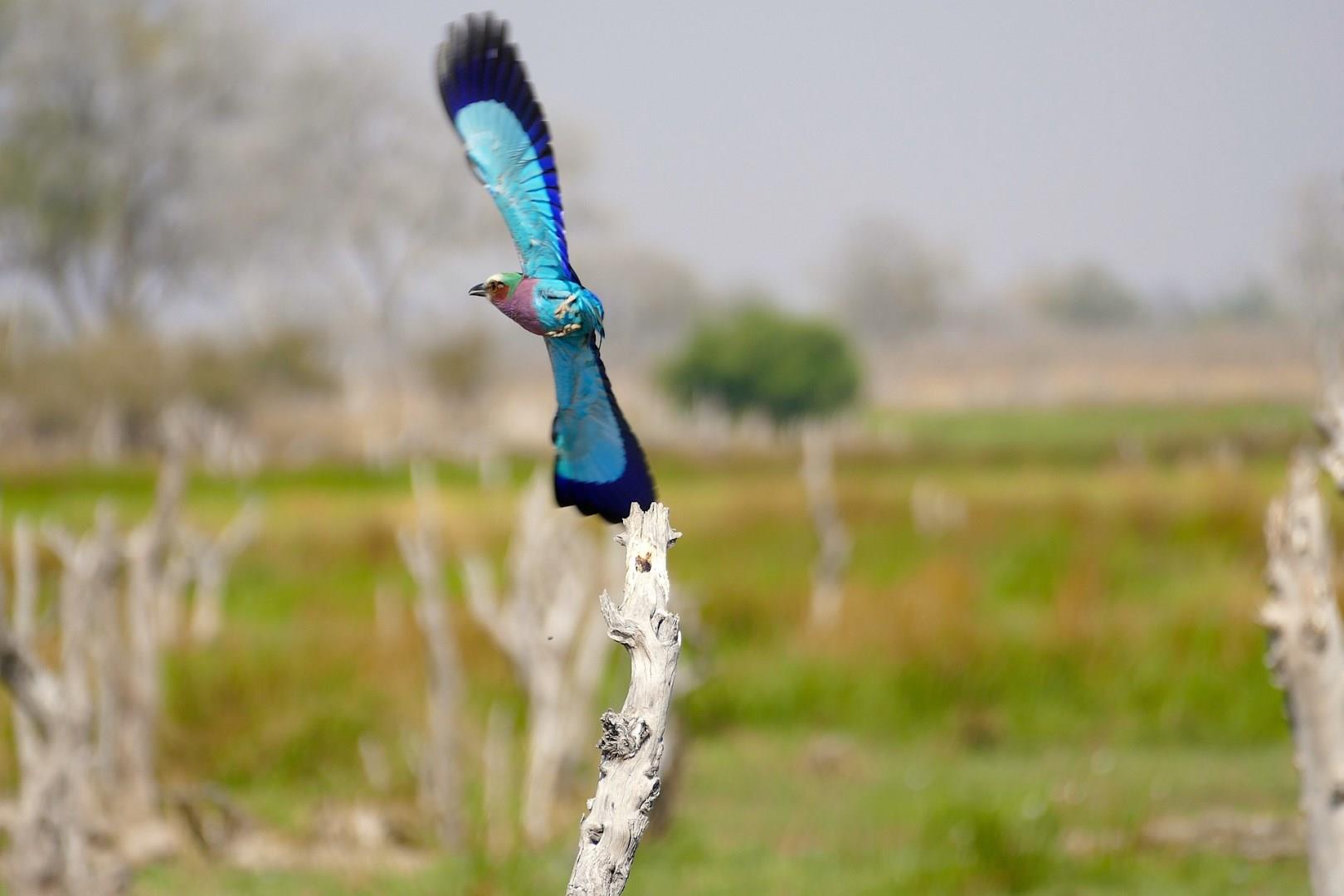
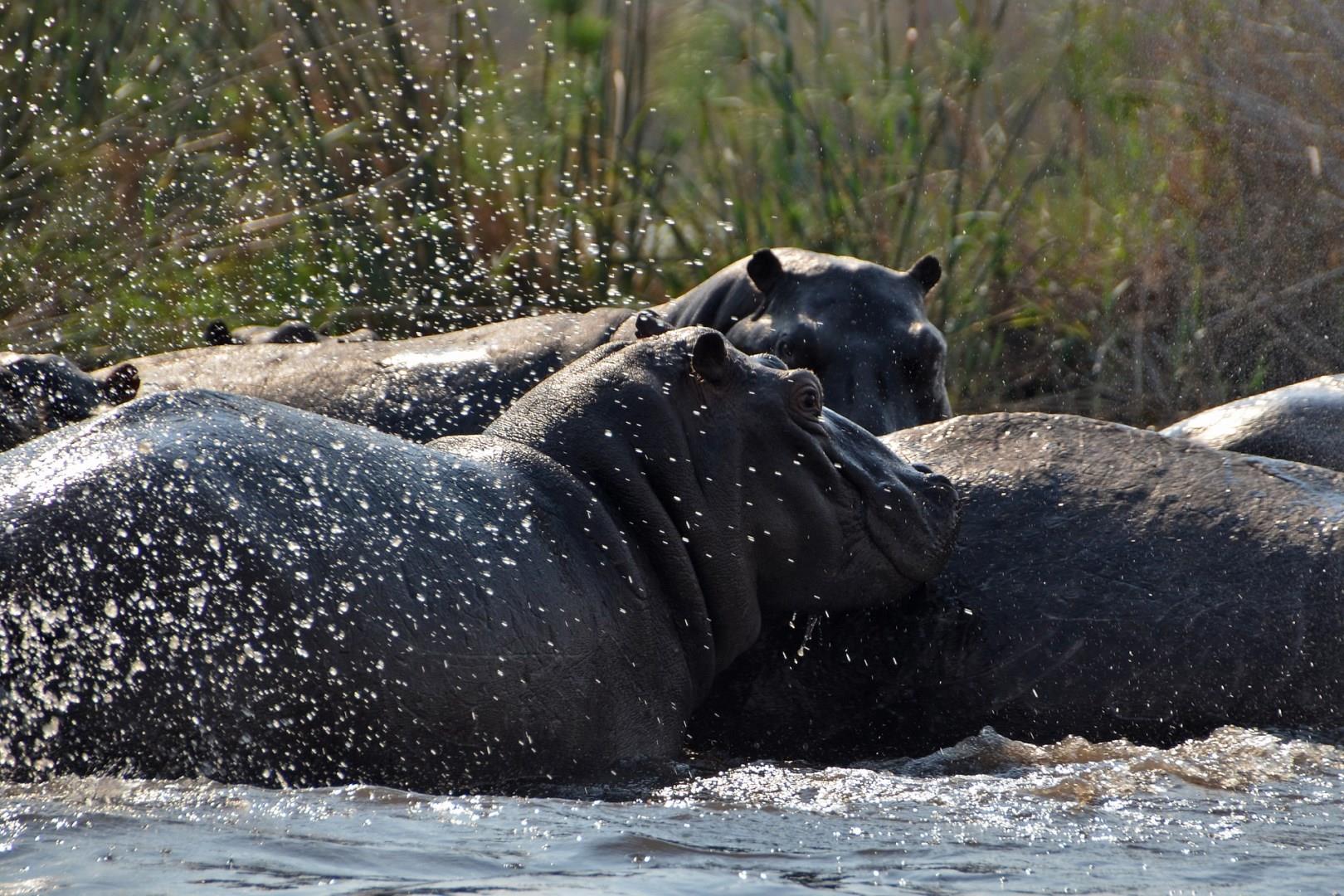
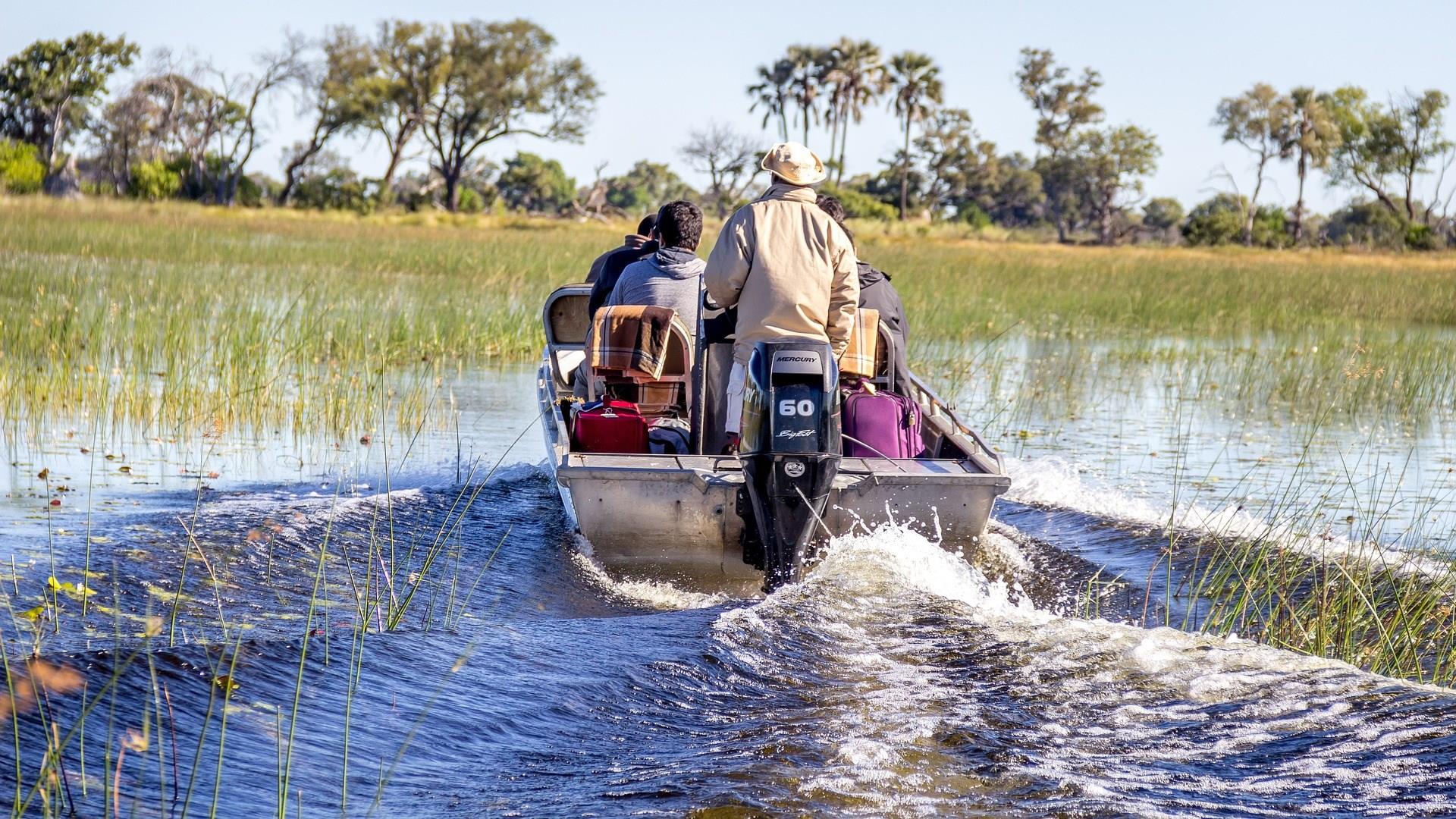
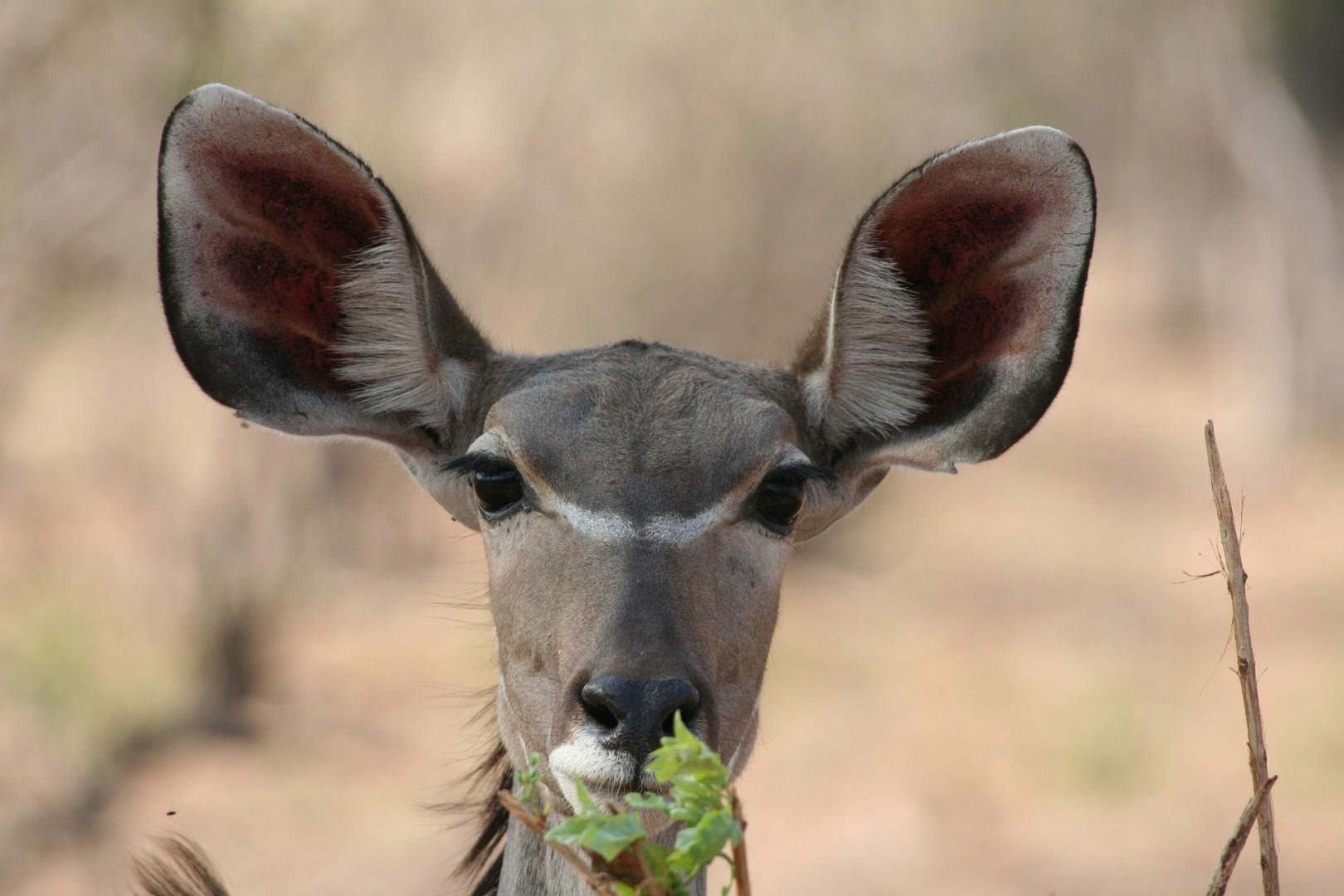
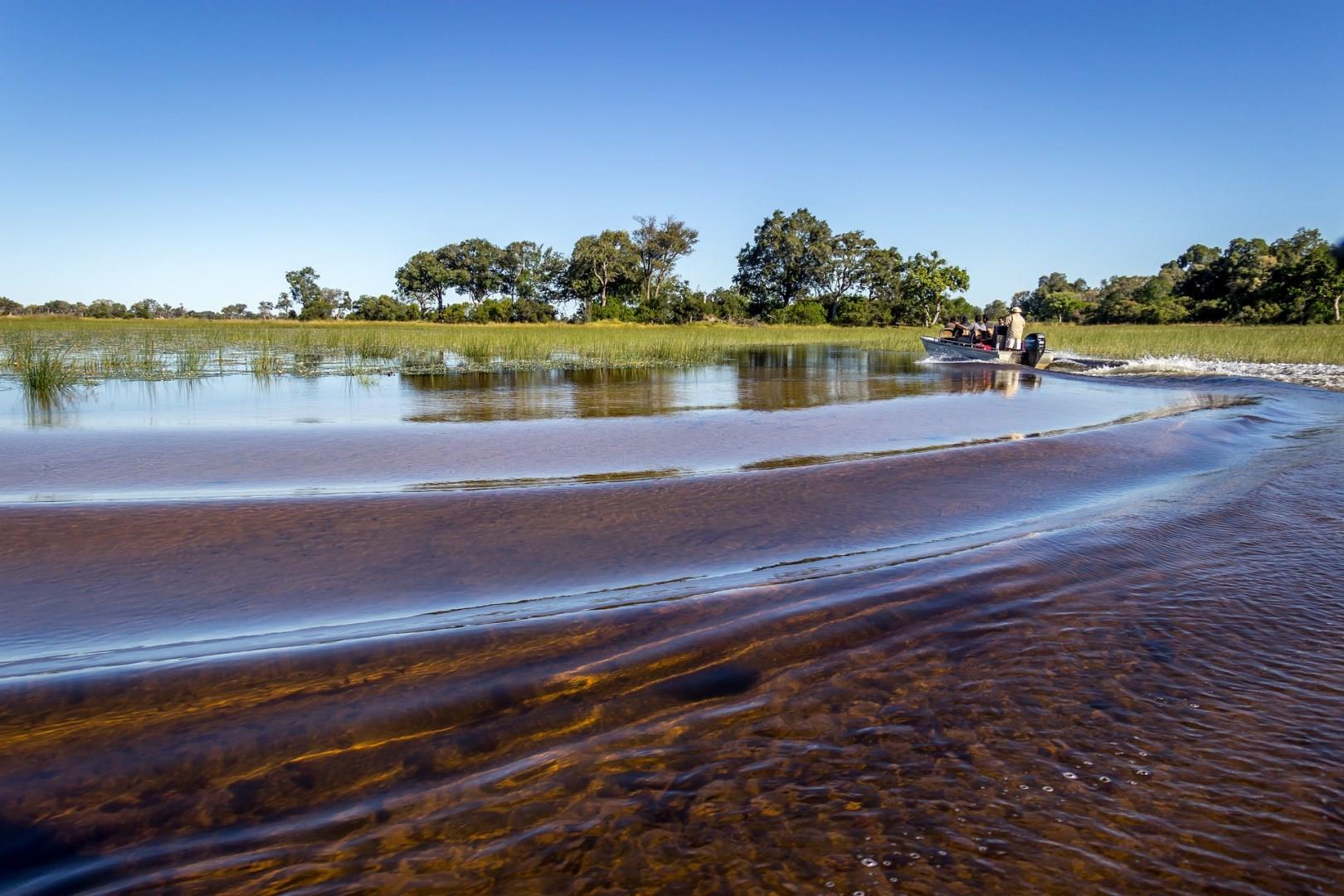
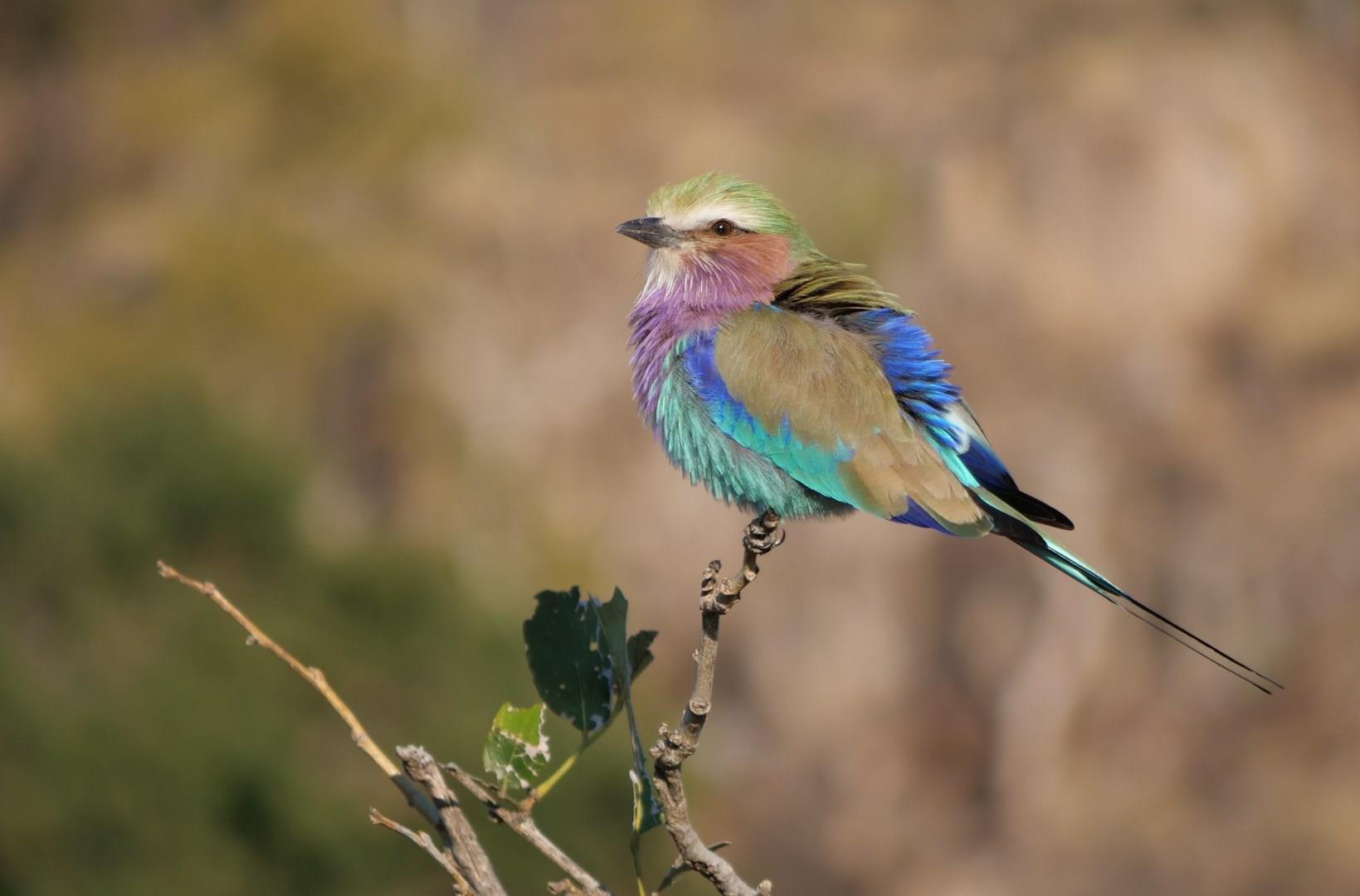
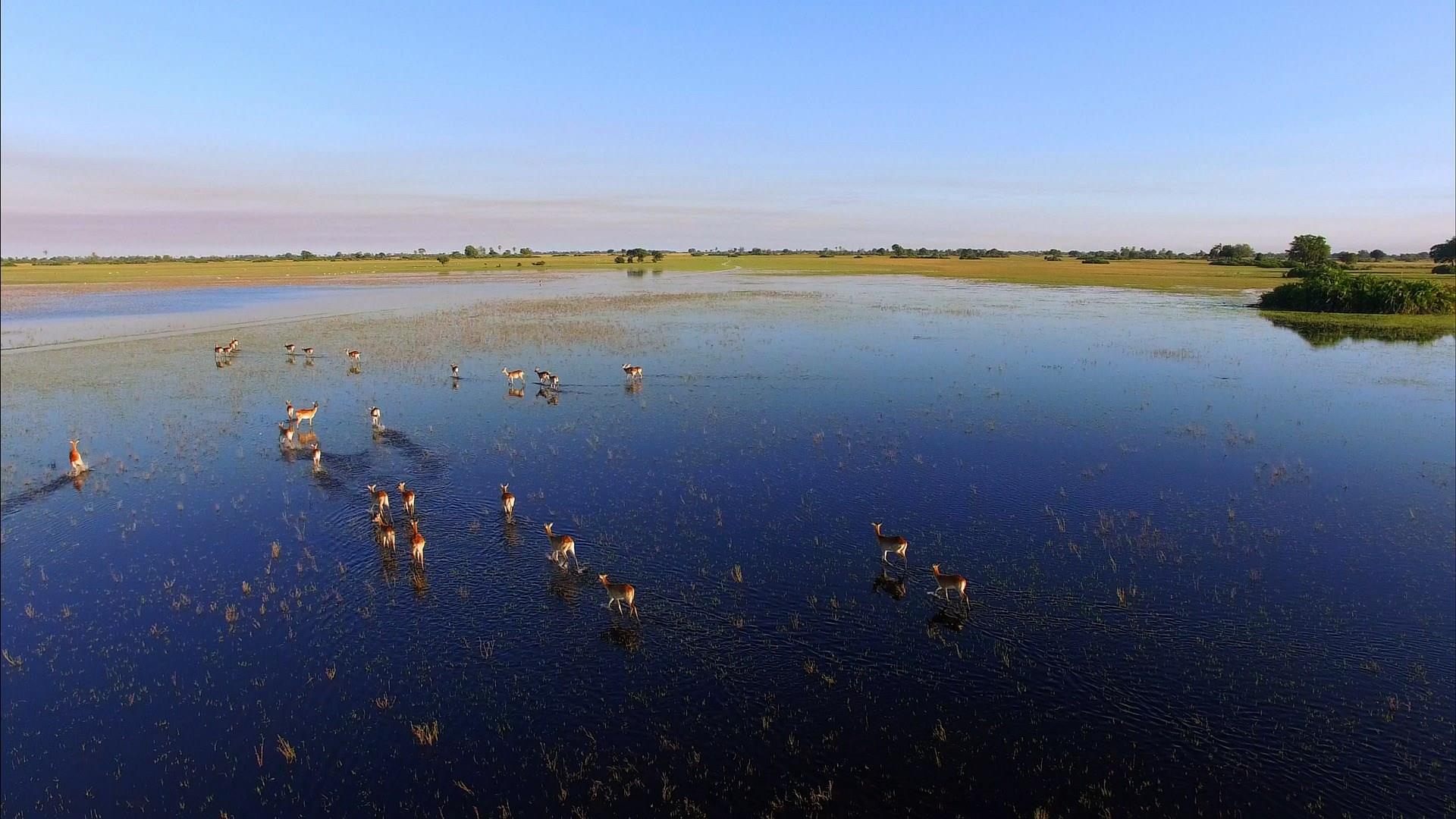
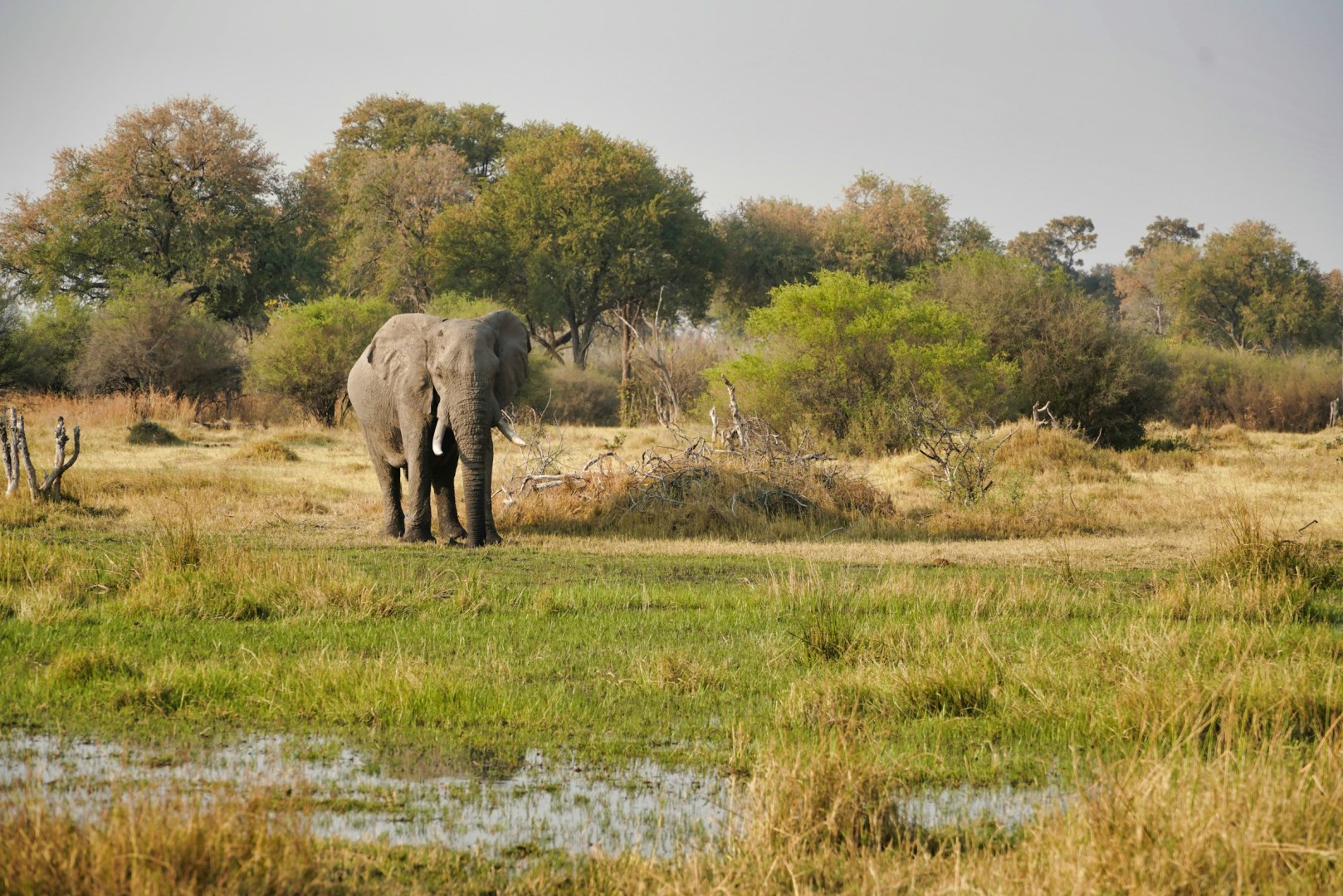
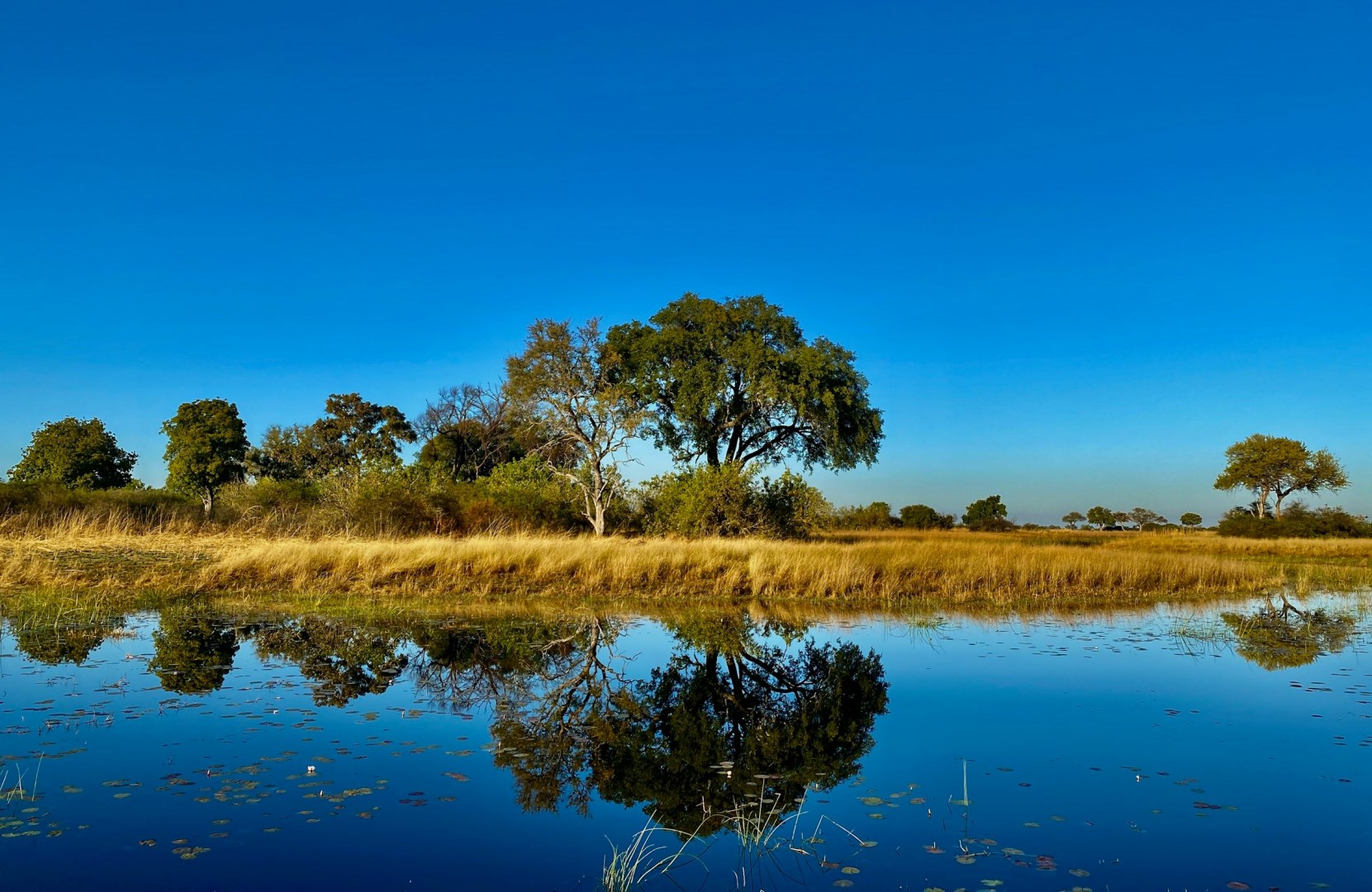
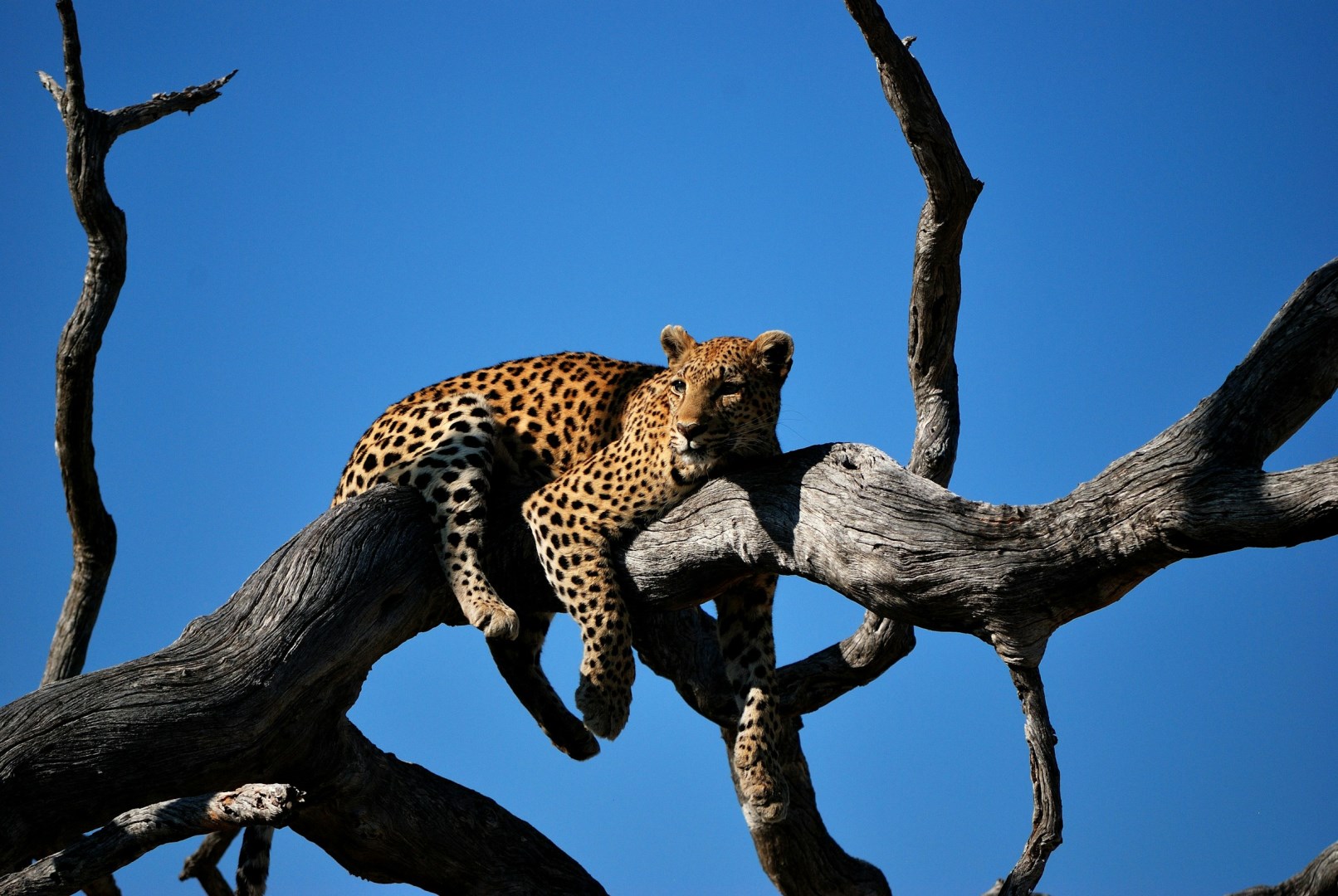
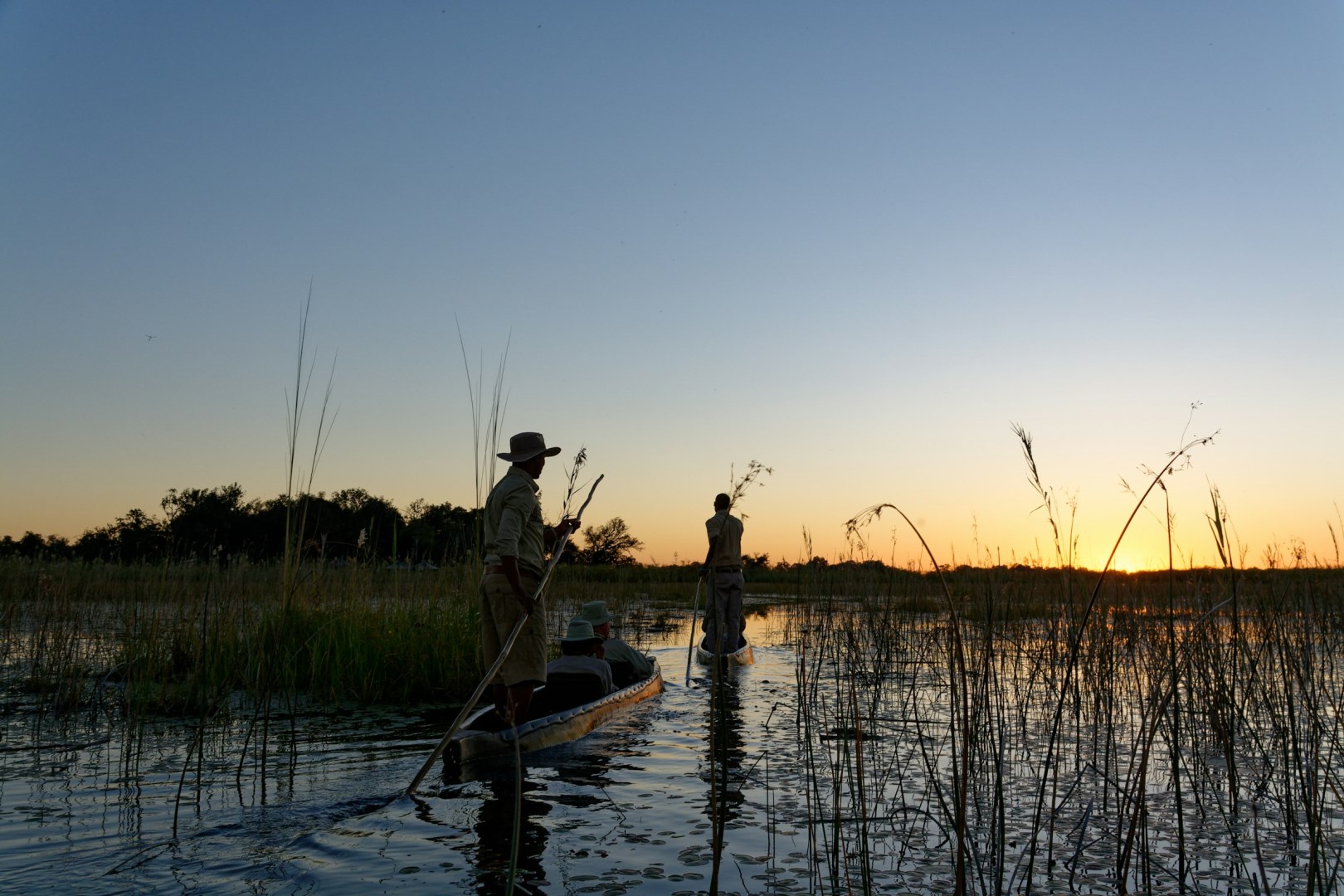
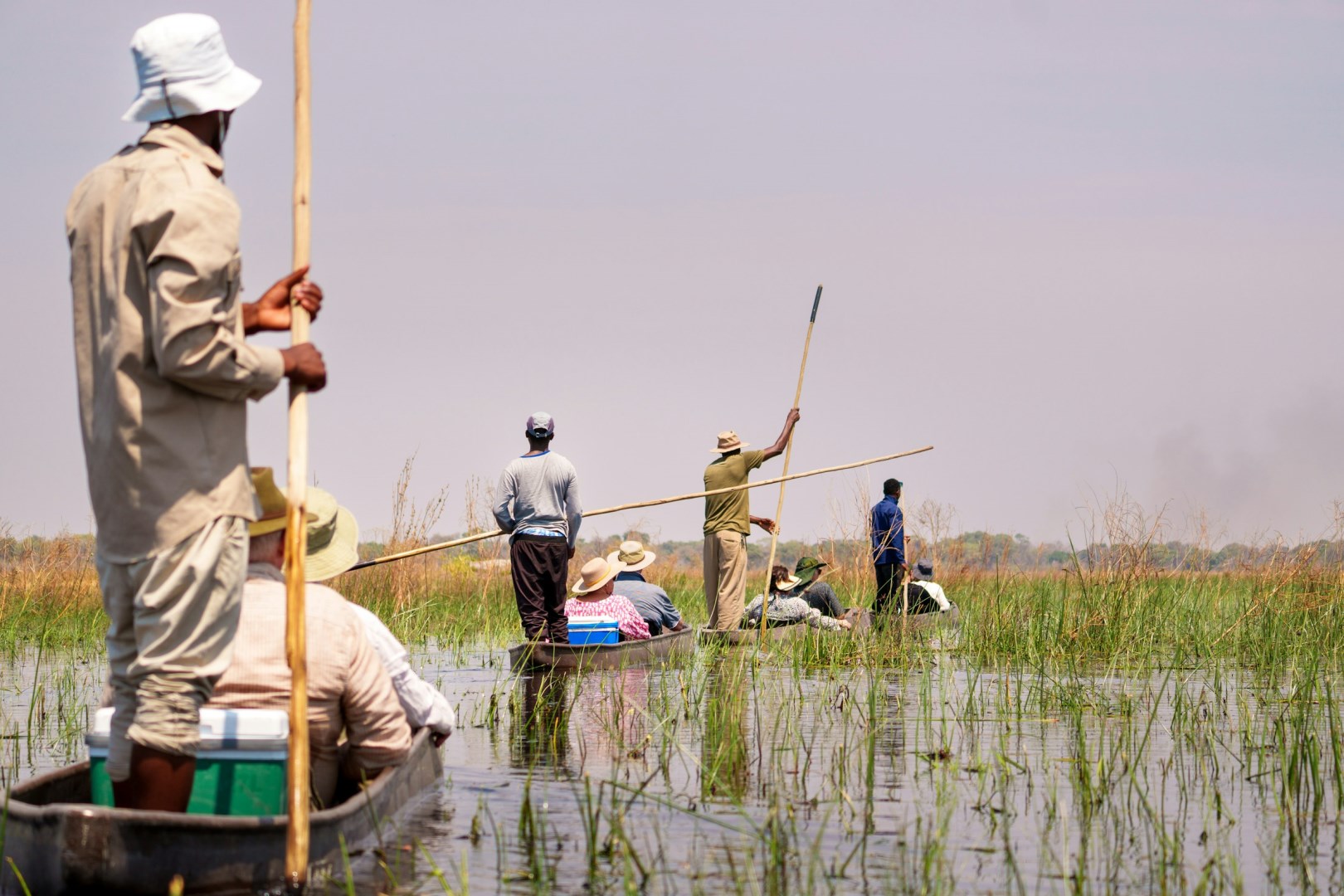
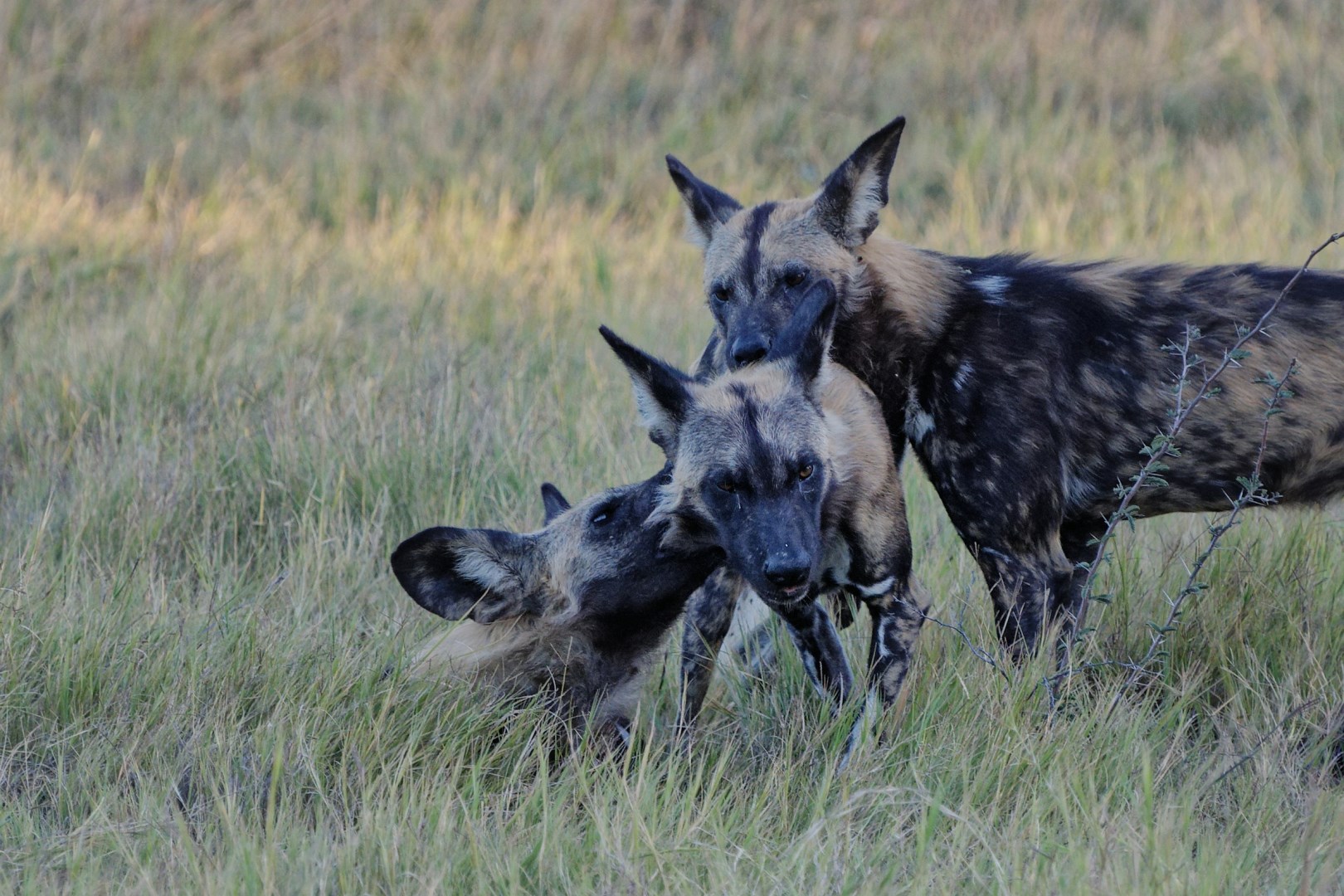
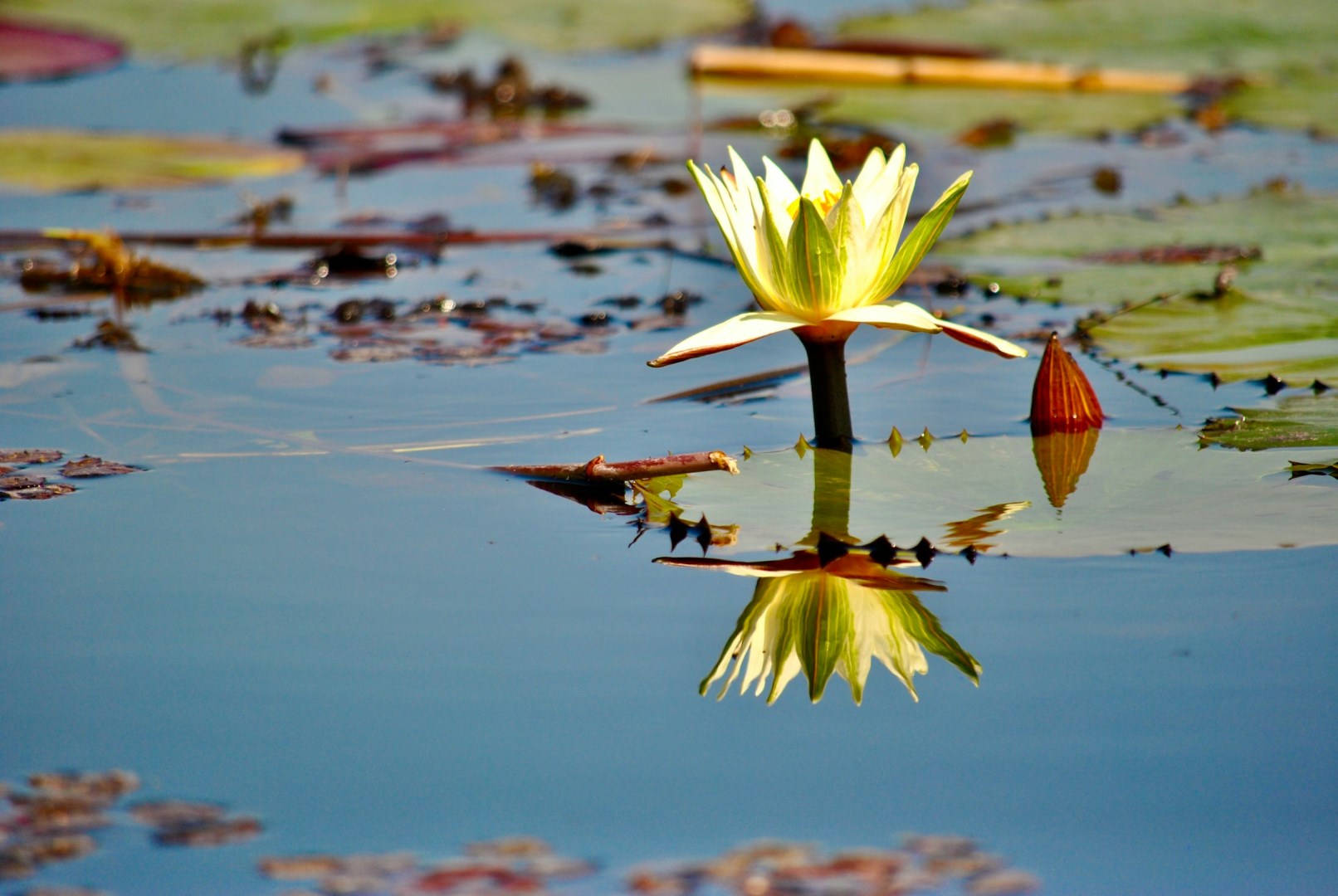
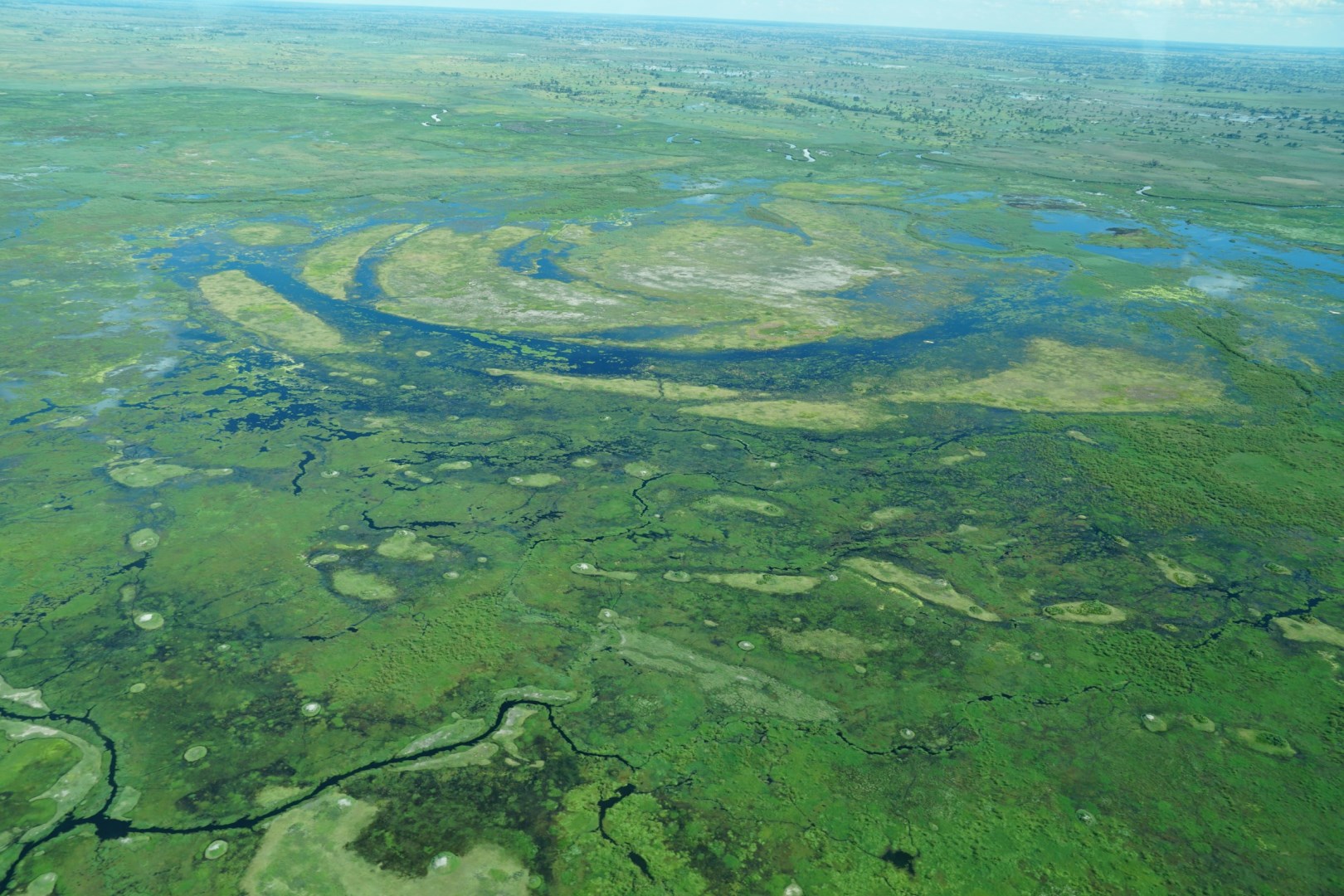
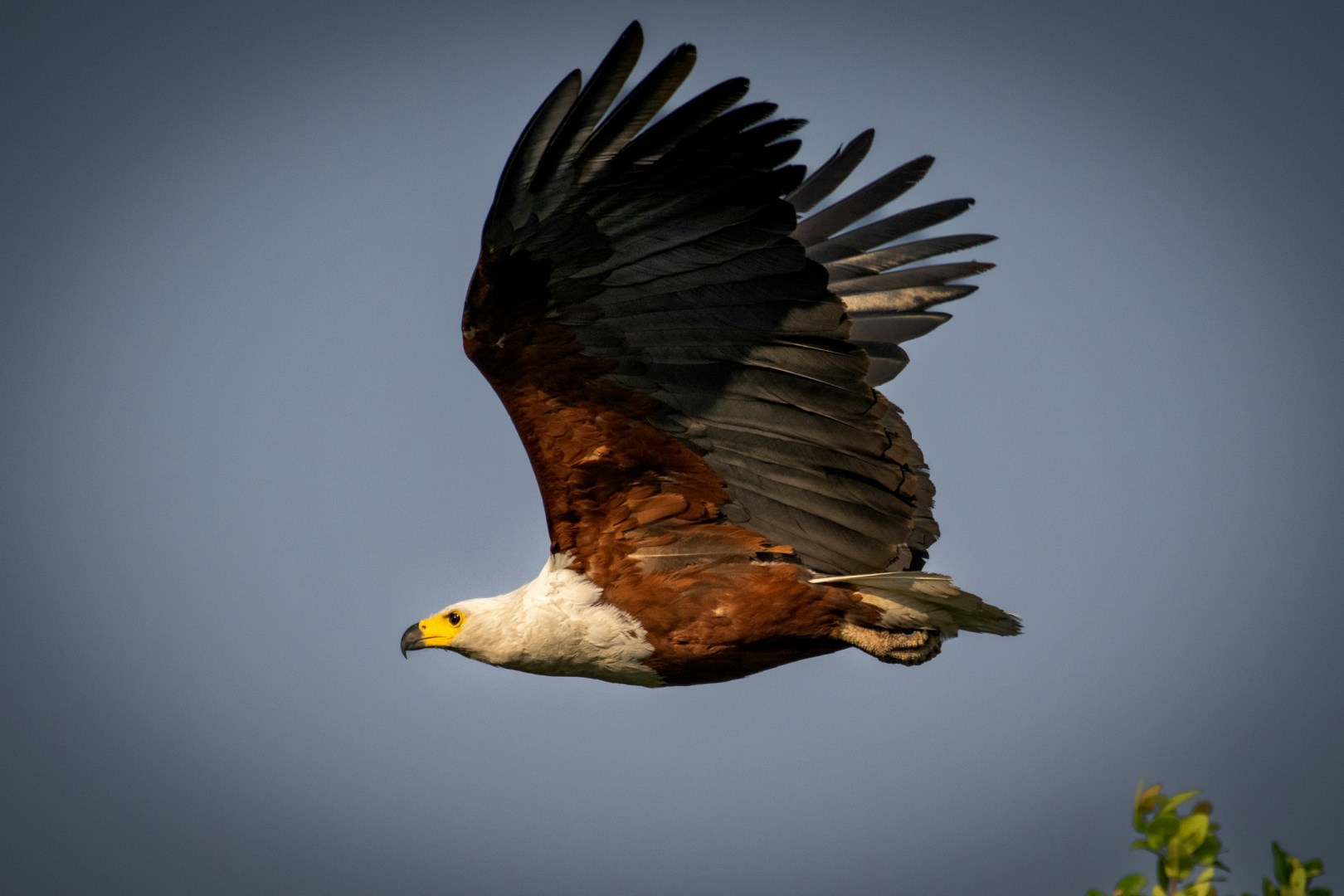
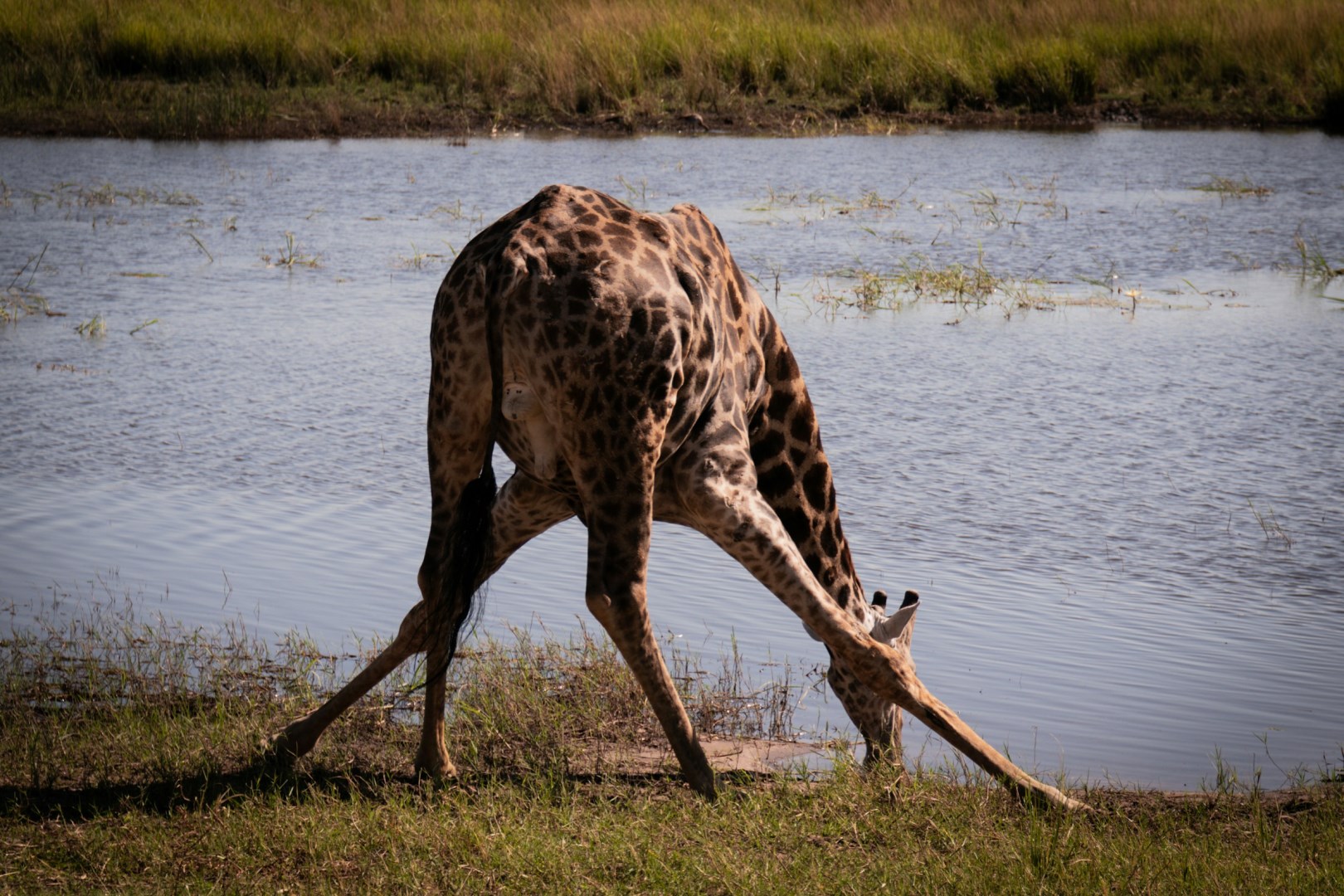
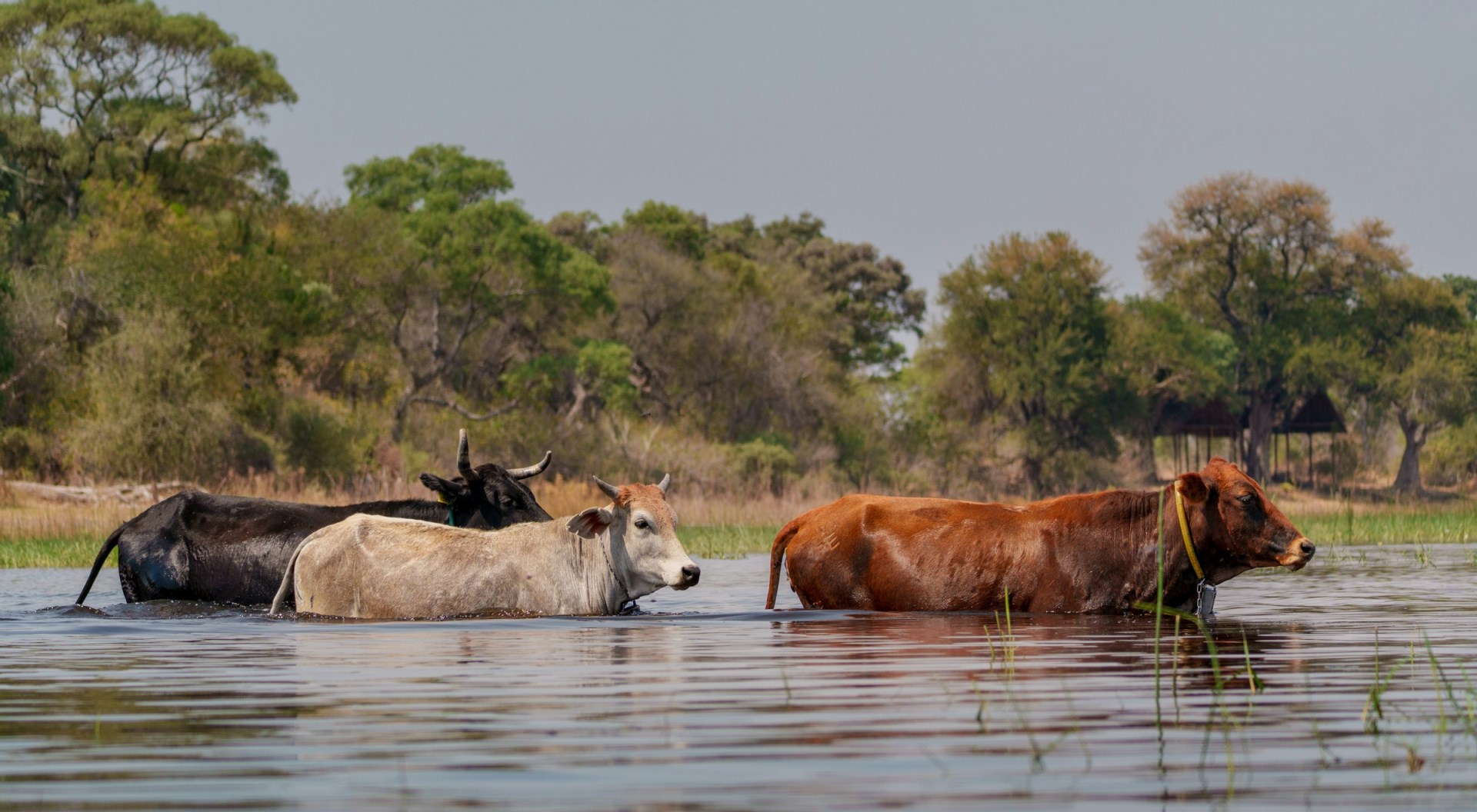
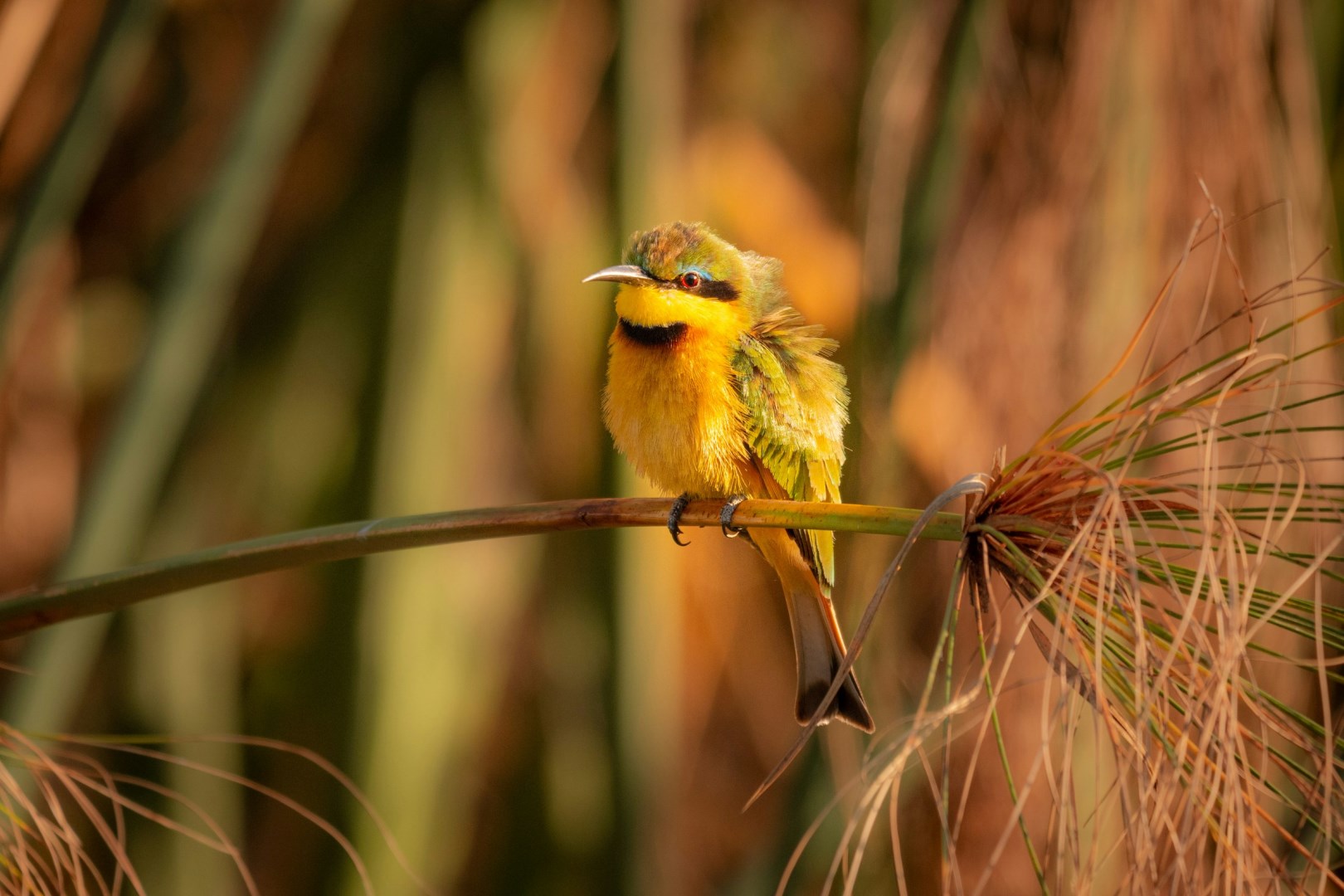
The Okavango Delta, located in Botswana, is one of Africa’s most extraordinary natural wonders. This vast inland delta, renowned for its rich biodiversity and stunning landscapes, offers a unique opportunity to experience a pristine wilderness. As the Okavango River meanders into the Kalahari Desert, it creates a sprawling floodplain that transforms into a lush oasis during the annual flood. The delta’s complex network of channels, lagoons, and islands provides diverse habitats for wildlife and spectacular views.
For an immersive experience, consider staying at one of the delta’s luxurious lodges, which blend seamlessly with the environment and offer exceptional wildlife viewing opportunities. The seasonal flood, which peaks between May and August, brings life to the delta and is the best time for wildlife sightings and photographic safaris.
Fun Fact: The Okavango Delta is the world’s largest inland delta and a UNESCO World Heritage Site. Its unique seasonal flooding pattern supports one of the most diverse ecosystems on the planet, making it a vital haven for both endemic and migratory species.
A visit to the Okavango Delta promises a mesmerizing adventure amidst some of the most breathtaking and unspoiled landscapes in Africa, offering unparalleled wildlife encounters and tranquil natural beauty.