
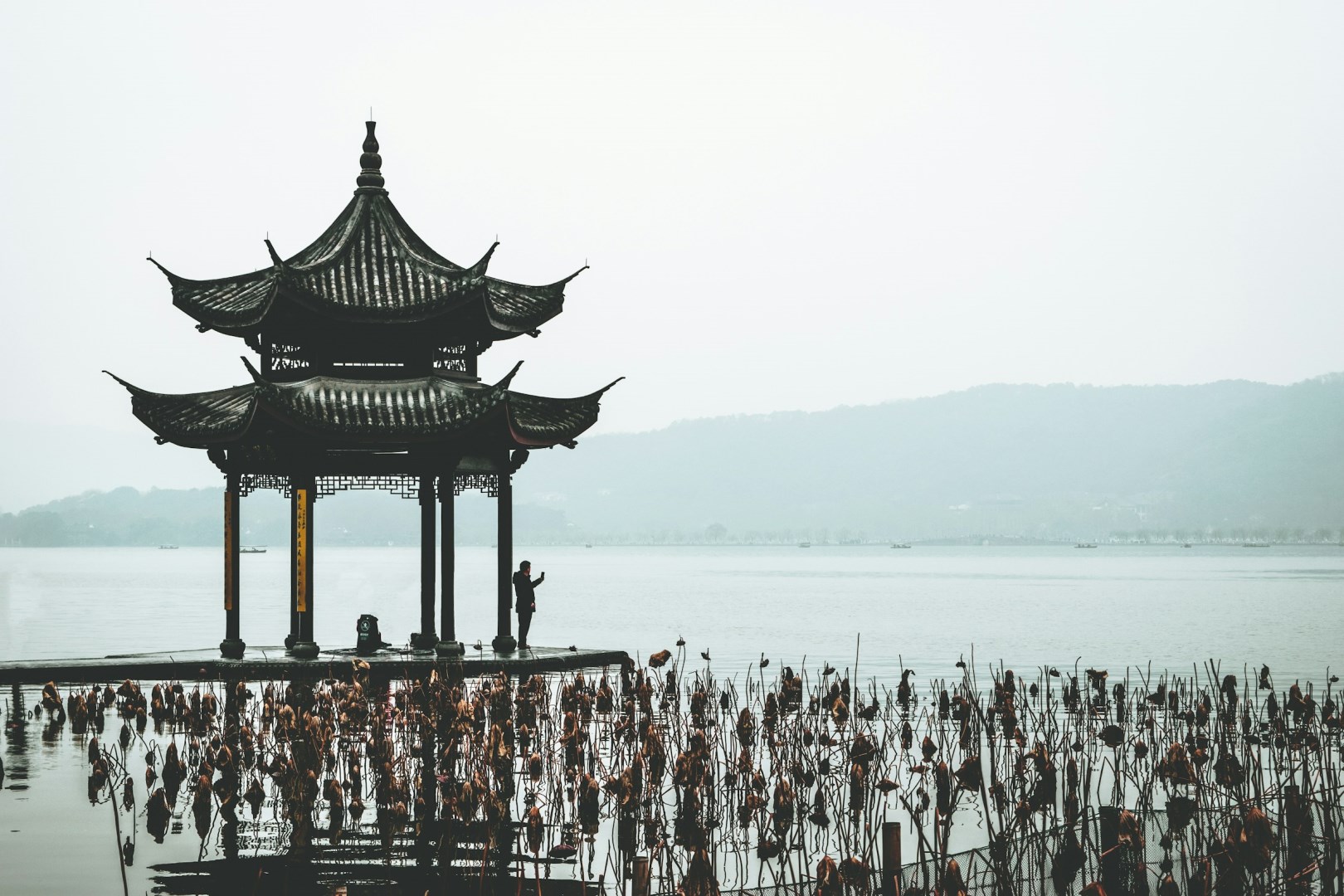
Hangzhou
Located on scenic West Lake. Tourist attractions include the West Lake, the 3rd Century Ling Yin Monastery, Pagoda of Six Harmonies.

Houston
Houston, Texas, the fourth-largest city in the United States, is a vibrant metropolis brimming with culture, diversity, and innovation. A hub for arts, science, and cuisine, Houston is a place where Southern charm meets cosmopolitan flair. Beyond its cultural and scientific draws, Houston’s culinary scene is a melting pot of flavors. From food trucks to fine dining, the city is celebrated for its diverse offerings that reflect its multicultural population.
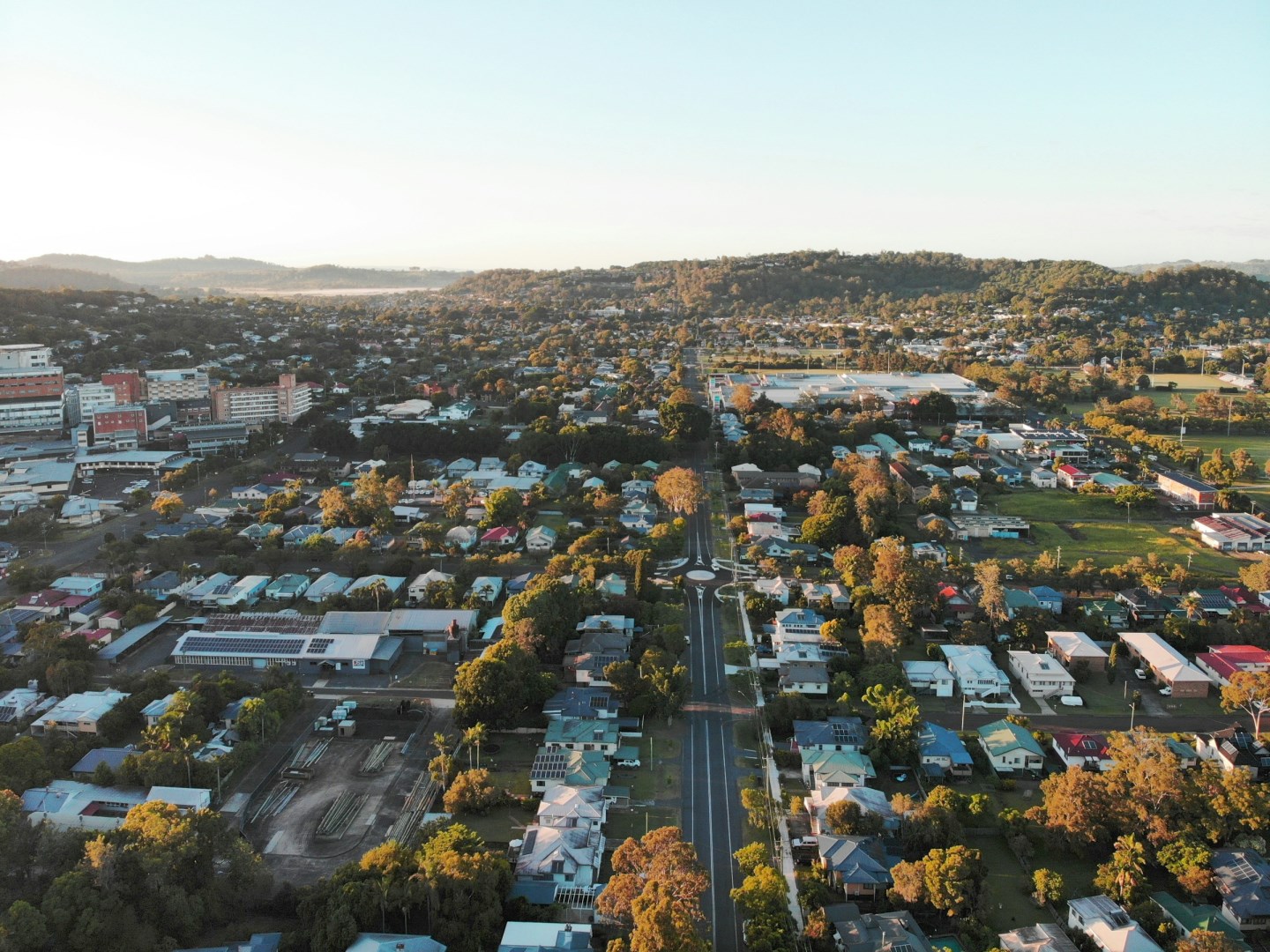
Lismore
Lismore is situated along side Wilson River and is a major town in the Far North Coast of New South Wales. Lismore is built around Rotary Park which is beautiful rainforest within the area.

South Queensferry
Nestled on the southern shore of the Firth of Forth, South Queensferry is a picturesque town in Scotland that offers a delightful blend of historical charm and stunning natural beauty.
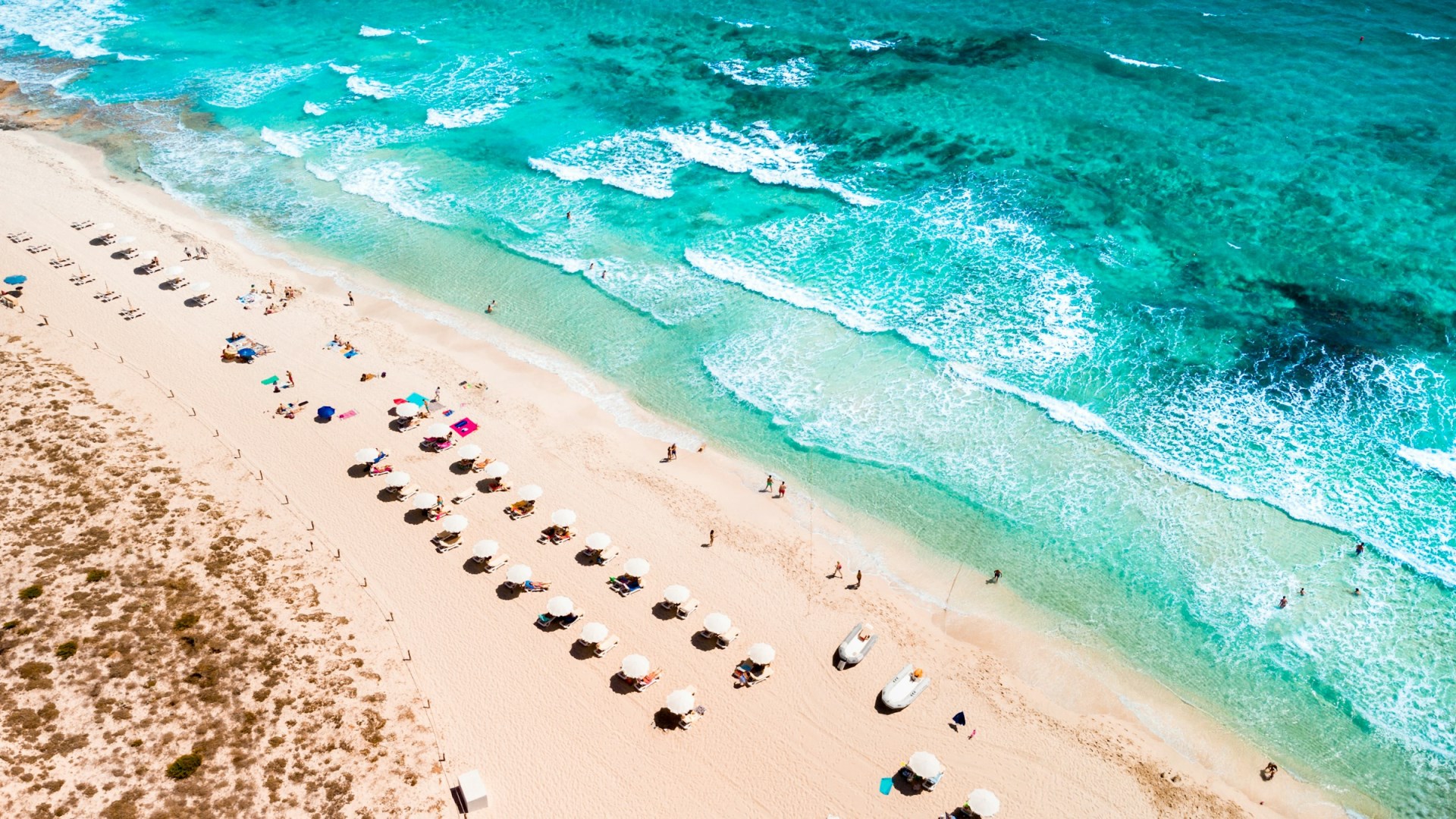
Formentera
An island located a few miles southeast of Spain. Enjoy sunshine and beautiful beaches while you watch the afternoons stretch away in this laid-back, picture perfect, destination.
