

Copan
Copán, Honduras, is a hidden gem in Central America that beckons travelers with its extraordinary blend of ancient history, lush landscapes, and vibrant local culture. Known as the "Athens of the Maya," Copán is home to one of the most significant and well-preserved archaeological sites of the Mayan civilization, a UNESCO World Heritage Site.
Bran
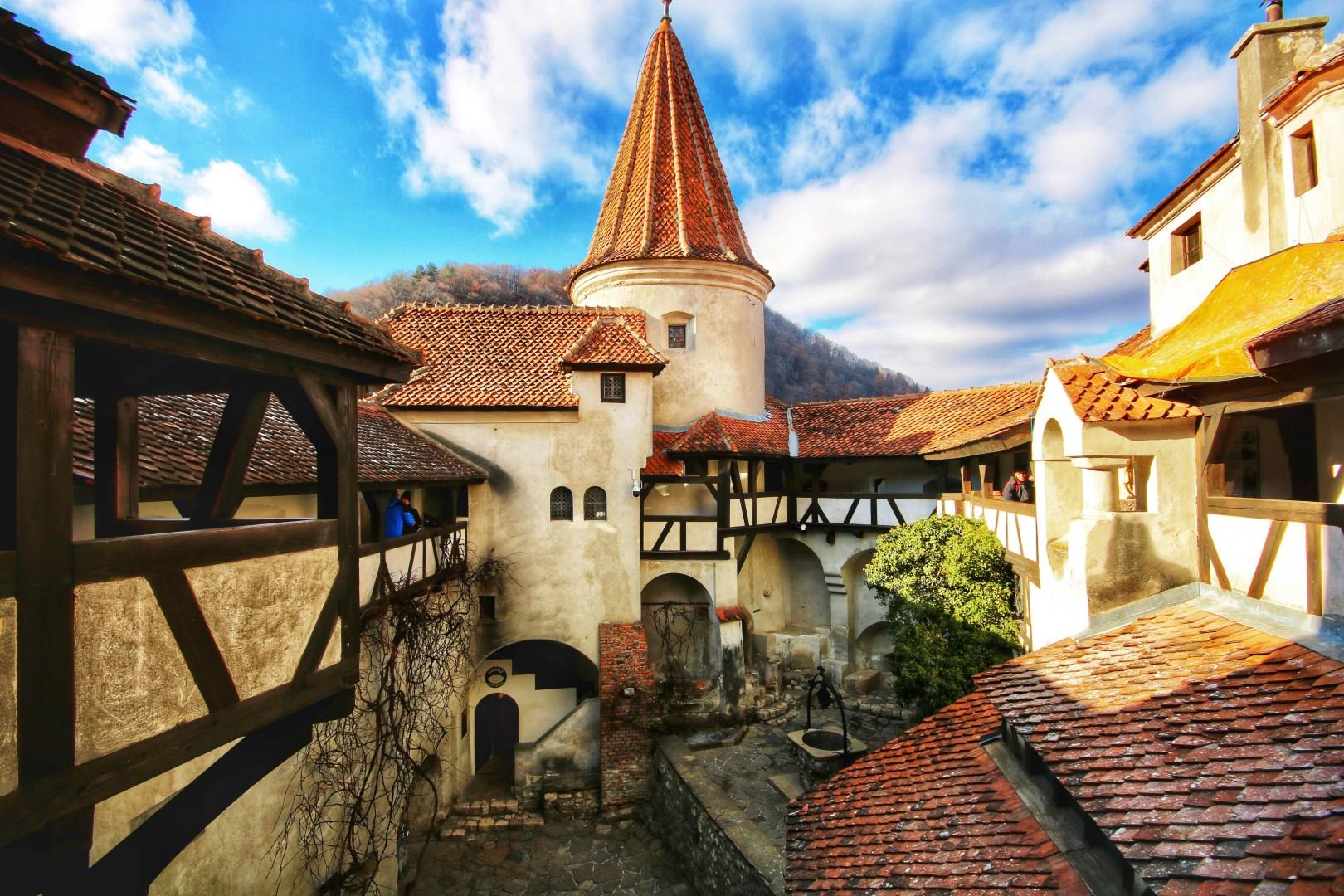
Bran, a small village nestled in the Carpathian Mountains of central Romania, is best known for its medieval fortress commonly referred to as “Dracula’s Castle.” While the connection to Bram Stoker’s fictional character is loose at best, Bran Castle continues to draw travelers with its striking towers, stone walls, and position on a rocky cliff. Originally built in the 14th century to defend against invading forces, the castle has passed through royal hands, most notably Queen Marie of Romania.
San Antonio
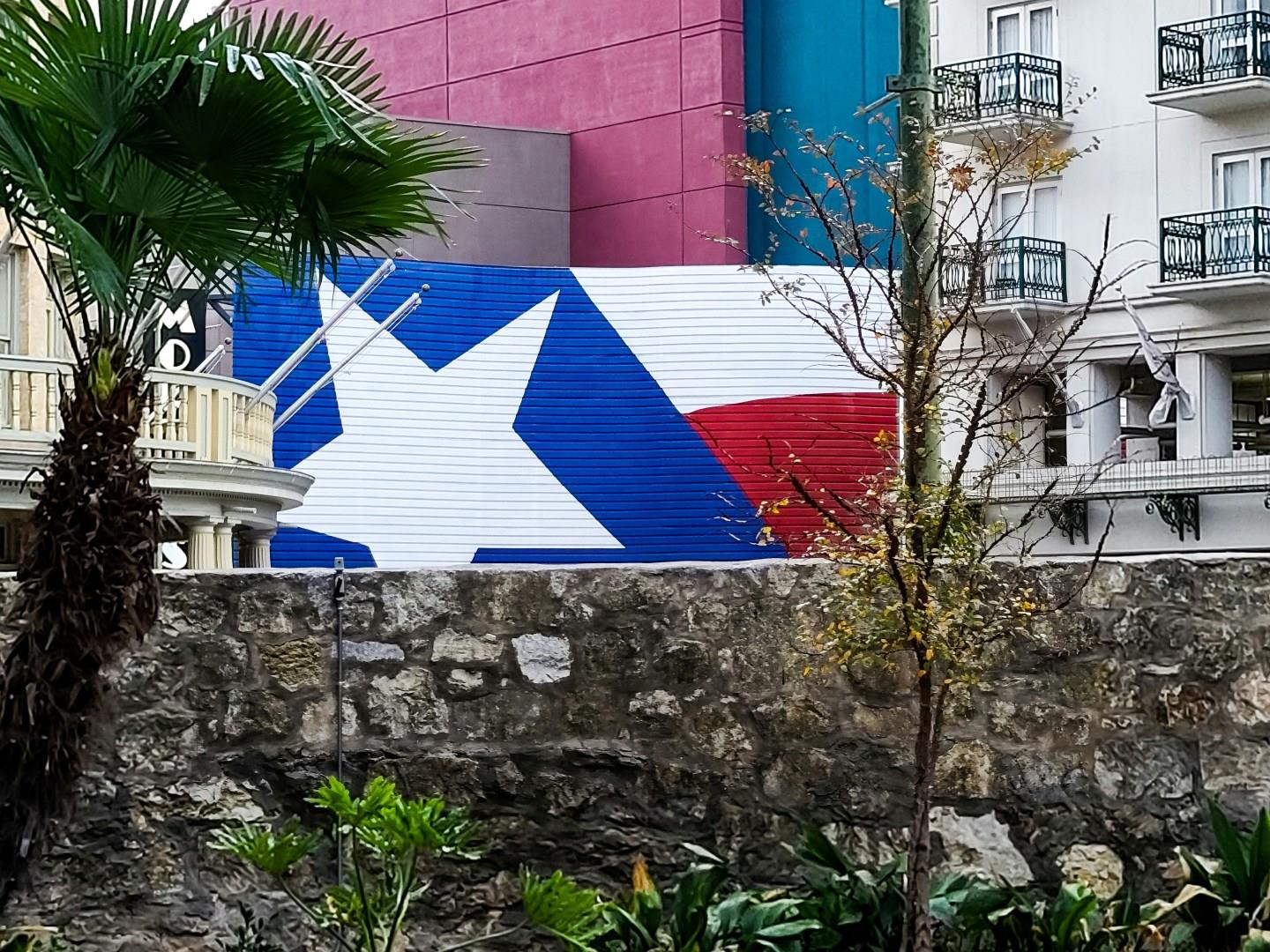
San Antonio is a city where centuries-old missions, lively markets, and a strong sense of place come together in unexpected ways. At the heart of it all is the Alamo, the former Spanish mission that became a symbol of Texas independence after the pivotal 1836 battle. Beyond its landmarks, San Antonio thrives through its neighborhoods. The River Walk weaves through downtown, lined with restaurants, shops, and galleries.
El Chaltén
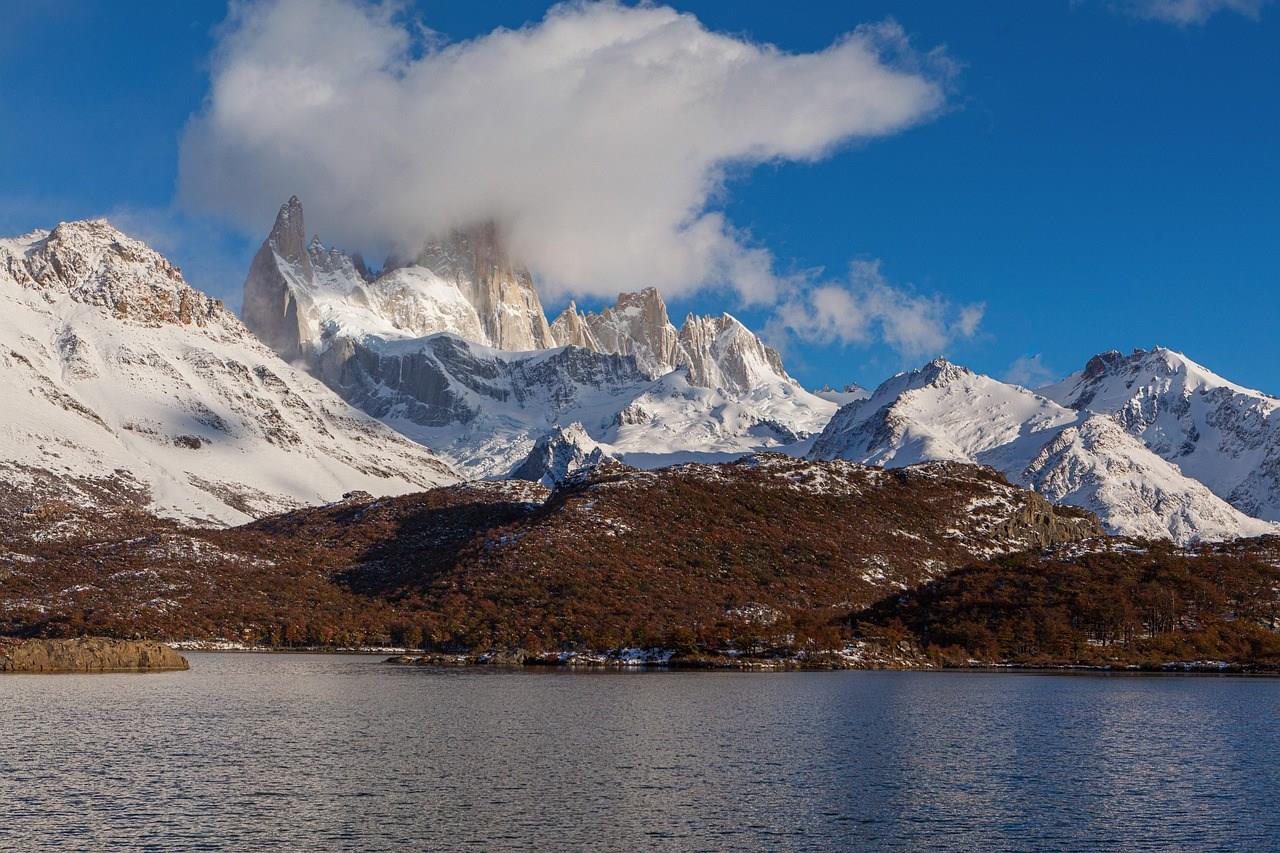
El Chaltén sits at the edge of Los Glaciares National Park in Argentina’s Patagonia region, framed by the iconic peaks of Cerro Fitz Roy and Cerro Torre. Its remote location beside the Río de las Vueltas makes it a gateway to dramatic landscapes of granite spires, glacial streams and wide steppe plains.
Borjomi
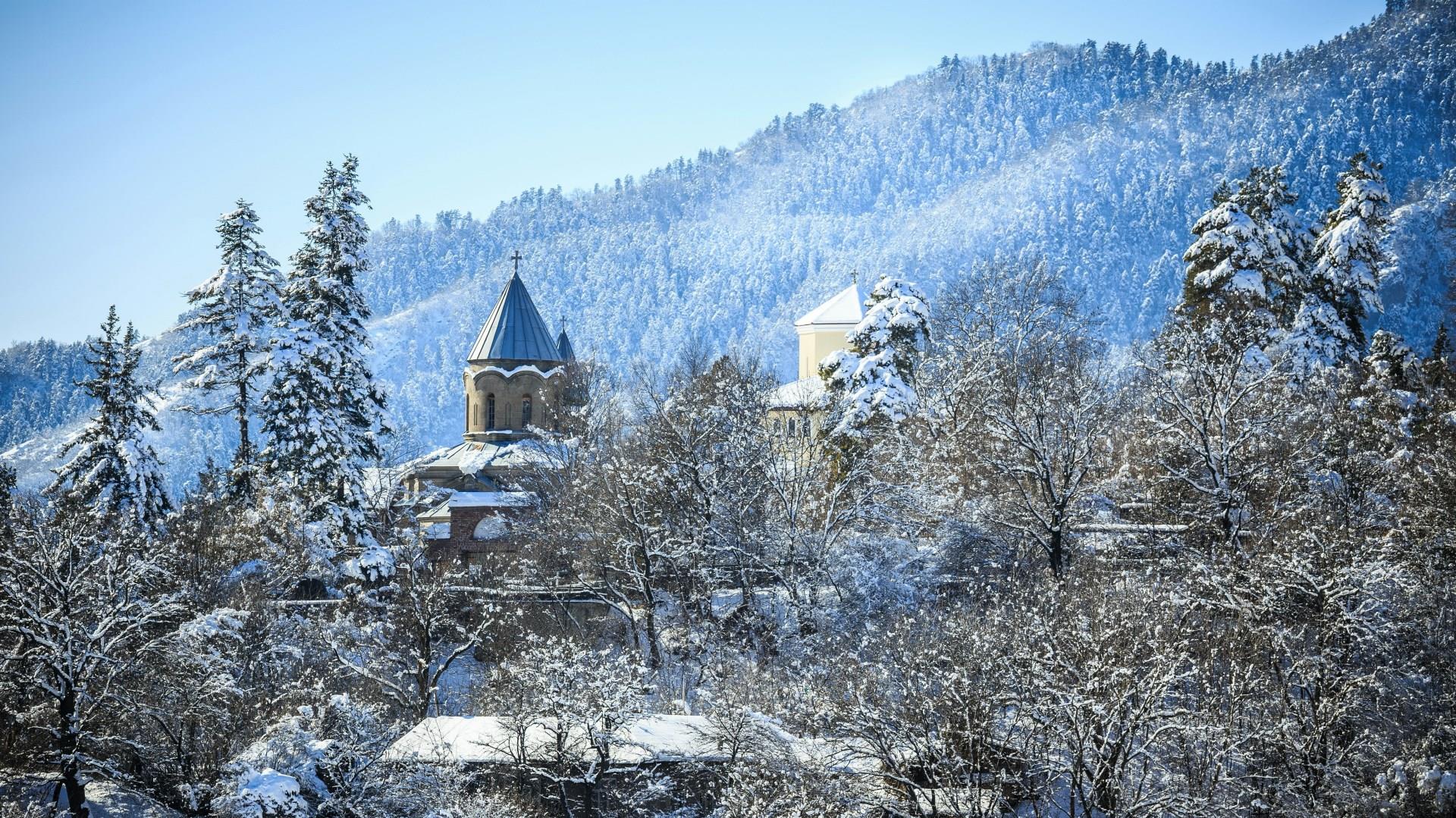
Borjomi sits high in the center of Georgia, in a long valley along the Borjomula River surrounded by forested mountains. For centuries its mineral springs have drawn people to the region, but it wasn’t until the 1800s that the water became known to the wider world when Russian officers stationed here shared its crisp, naturally fizzy taste and believed health-boosting properties with visitors.
