

Tikal National Park
Tikal is one of the most extraordinary ancient cities in Guatemala, hidden deep in the Petén region’s tropical forests. Once called Yax Mutal by its Maya builders, these ruins reveal thousands of years of history in carved stone stelae and towering limestone structures, some of which rise more than 60 meters above the jungle floor. Today, visitors can walk among the Great Plaza and gaze up at the Temple of the Great Jaguar and the Temple of the Masks, reminders of the city’s long legacy.
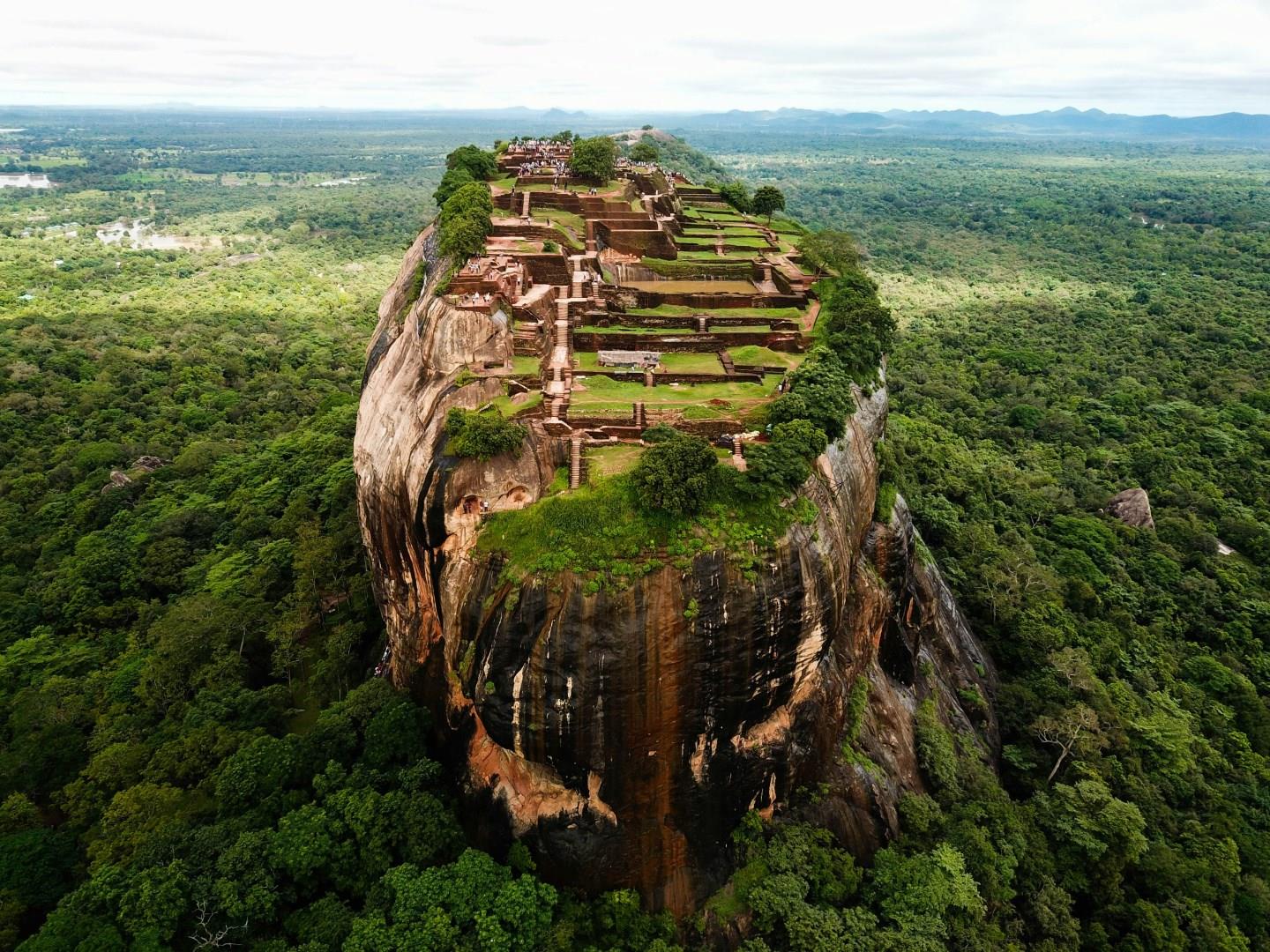
Sigiriya
Sigiriya, in central Sri Lanka, is an ancient rock fortress and one of the country’s most iconic archaeological sites. Rising nearly 200 meters from the surrounding plains, the massive granite column is crowned by the ruins of a royal palace built in the 5th century CE by King Kasyapa.
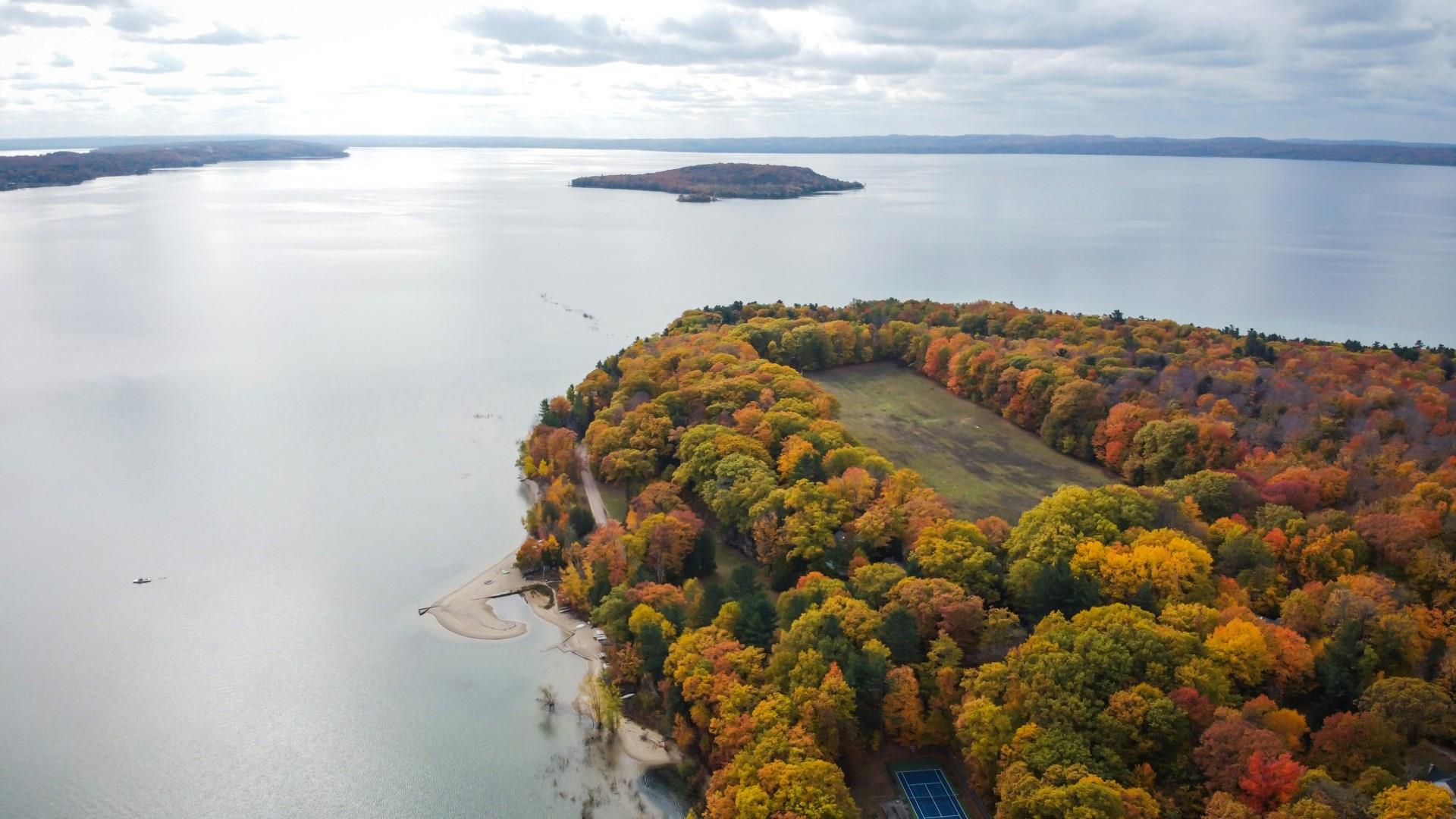
Traverse City
Traverse City offers a delightful blend of natural beauty and vibrant culture. Nestled on the shores of Lake Michigan's Grand Traverse Bay, this charming city is renowned for its stunning waterfront views and picturesque landscapes. The region's pristine beaches, such as Clinch Park, provide an ideal setting for relaxing under the sun or engaging in water sports.
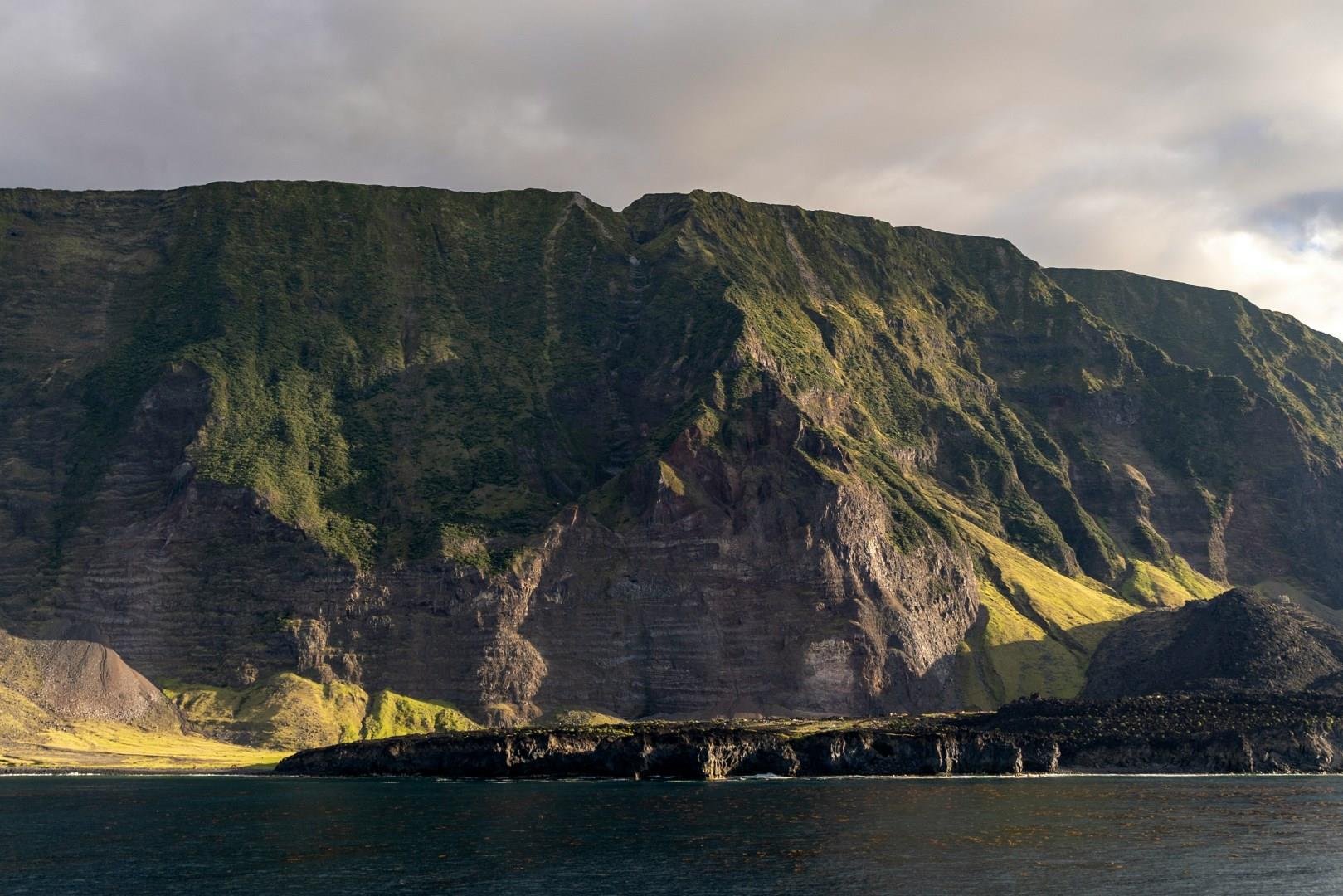
St. Helena
St. Helena is a remote island in the South Atlantic Ocean, known for its dramatic cliffs, volcanic landscapes, and rich history. It is most famous as the place where Napoleon Bonaparte spent his final years in exile, and visitors can explore Longwood House and other historic sites that tell the story of this period.

Maine
Maine, known as the Pine Tree State, offers a captivating blend of natural beauty, maritime heritage, and charming small towns. Start your exploration in Acadia National Park, a haven for outdoor enthusiasts.
