
Socotra
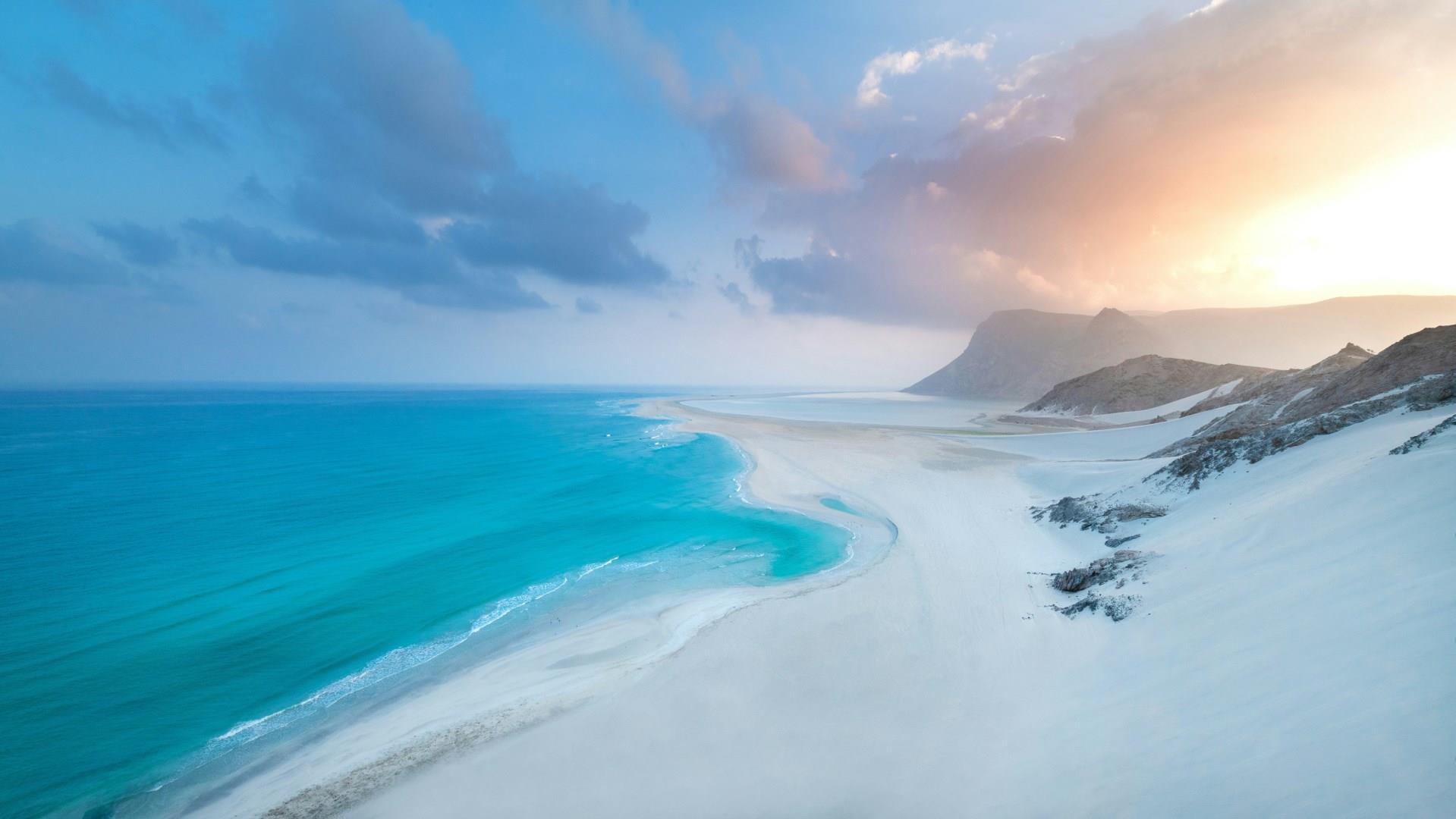
Socotra rises from the Arabian Sea like a world apart, its landscapes shaped over millennia. The Dragon’s Blood Trees, with their umbrella-shaped crowns and deep red sap, stand among the most iconic sights here. In places like Dixam Plateau and Homhil Forest, these trees gather in sparse formations, creating scenes that feel both ancient and alien. The resin remains valued for traditional dyes and remedies.

Kraków
Krakow is a diverse and culturally rich city. Once thought of as cold and desolate, today's visitors know an entirely different place.
Saunders Island
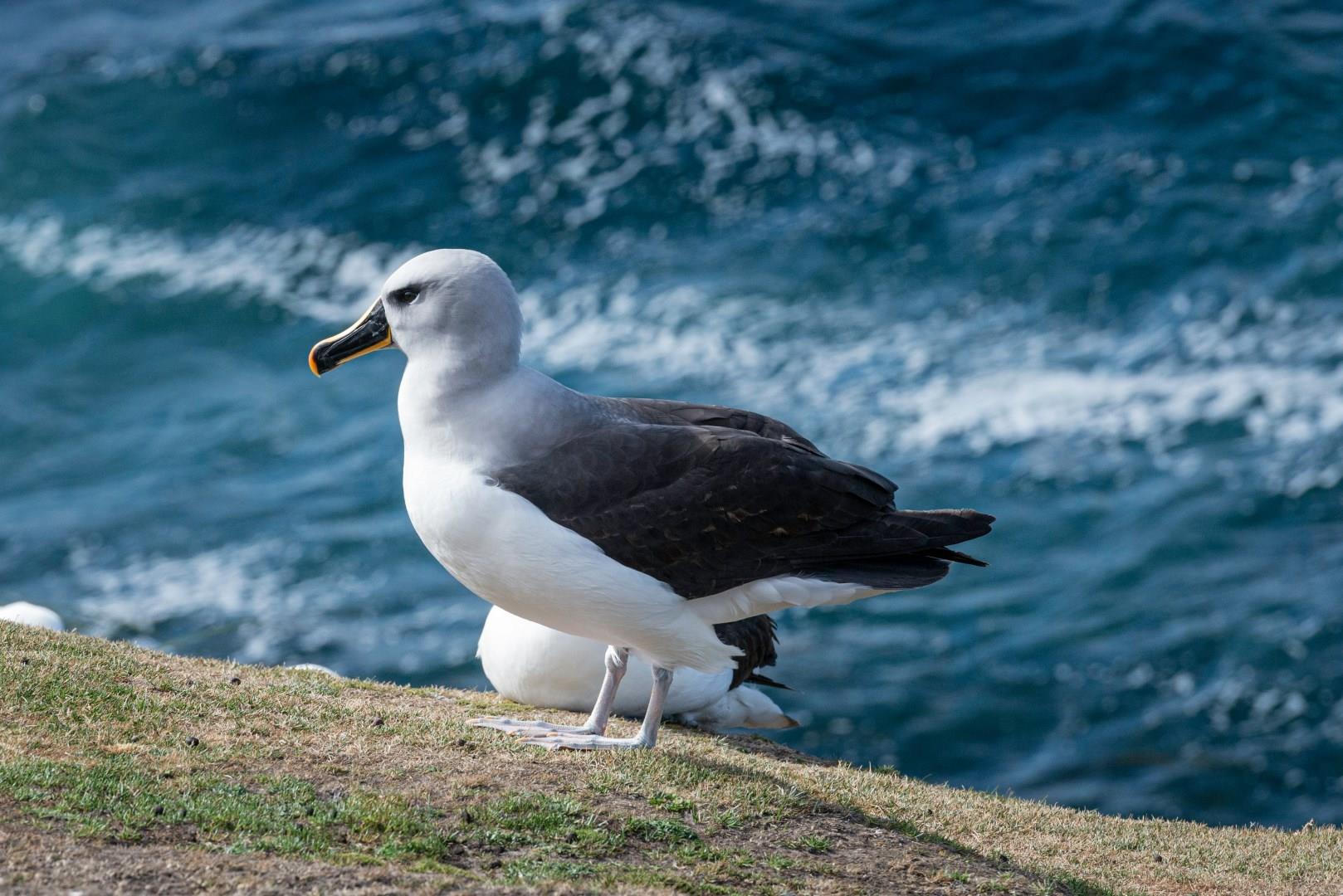
Saunders Island, located in the northwestern part of the Falkland Islands, is a haven for wildlife enthusiasts and history buffs alike. This remote and rugged island, covering over 49 square miles, offers visitors the chance to experience nature at its most pristine. Saunders Island is one of the few places in the world where you can observe five species of penguins, Gentoo, King, Magellanic, Rockhopper, and the occasional Macaroni, all in one location.
Tambopata
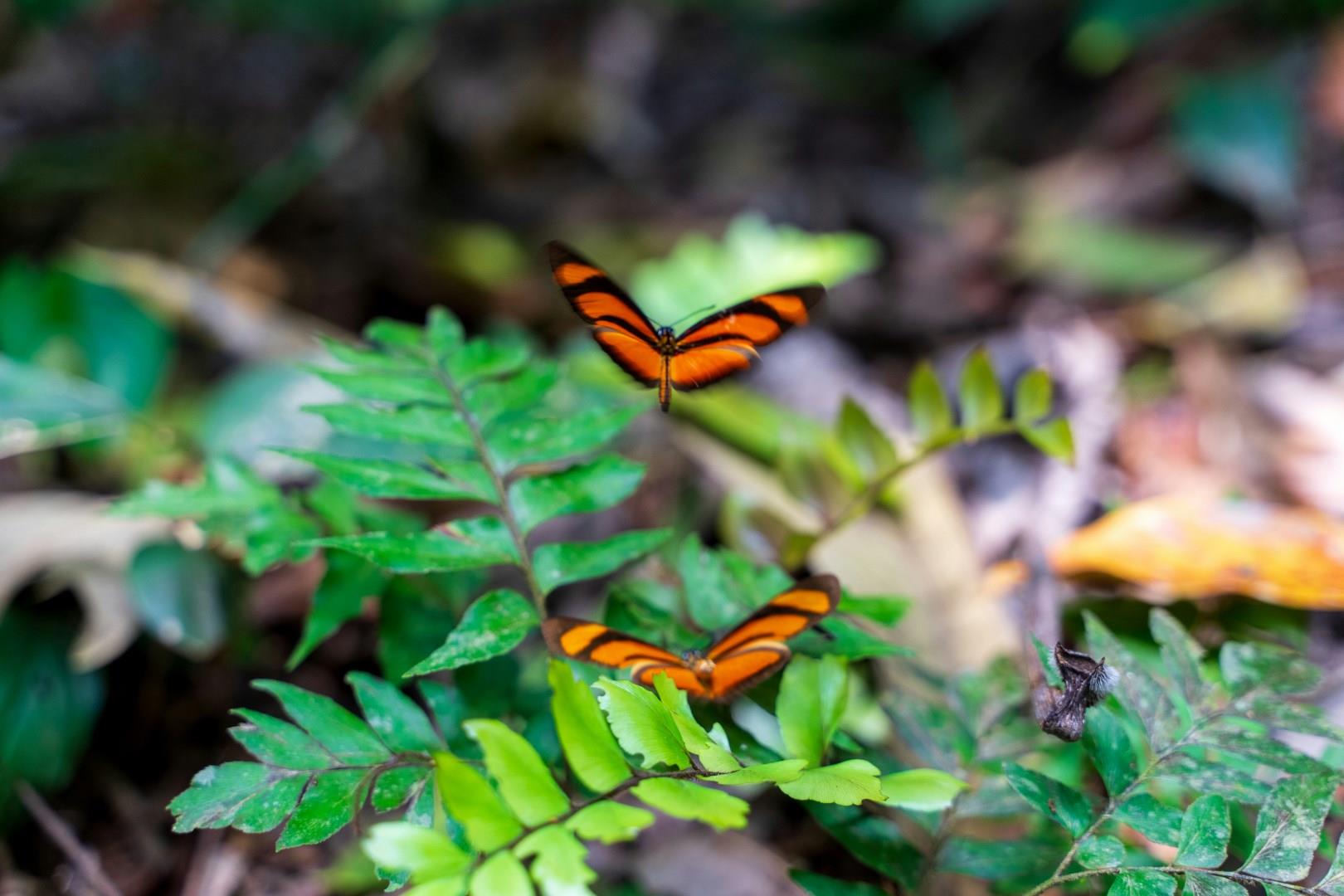
Located in the Madre de Dios region of southeastern Peru, Tambopata is a protected area where visitors can experience the Amazon rainforest in its rawest form. The Tambopata National Reserve spans over 270,000 hectares and is home to an estimated 1,200 butterfly species, 600 bird species, and hundreds of tree varieties. One of its most famous residents is the jaguar, though sightings are rare. More common encounters include red howler monkeys, capybaras, and giant river otters.

Cuenca
Nestled in the Andes Mountains, Cuenca, Ecuador, is a city that seamlessly blends colonial charm, cultural richness, and natural beauty. Known as the “Athens of Ecuador” due to its vibrant intellectual and cultural life, Cuenca's historic center is a UNESCO World Heritage Site that delights visitors with its cobblestone streets, whitewashed buildings, and red-tiled roofs.
