
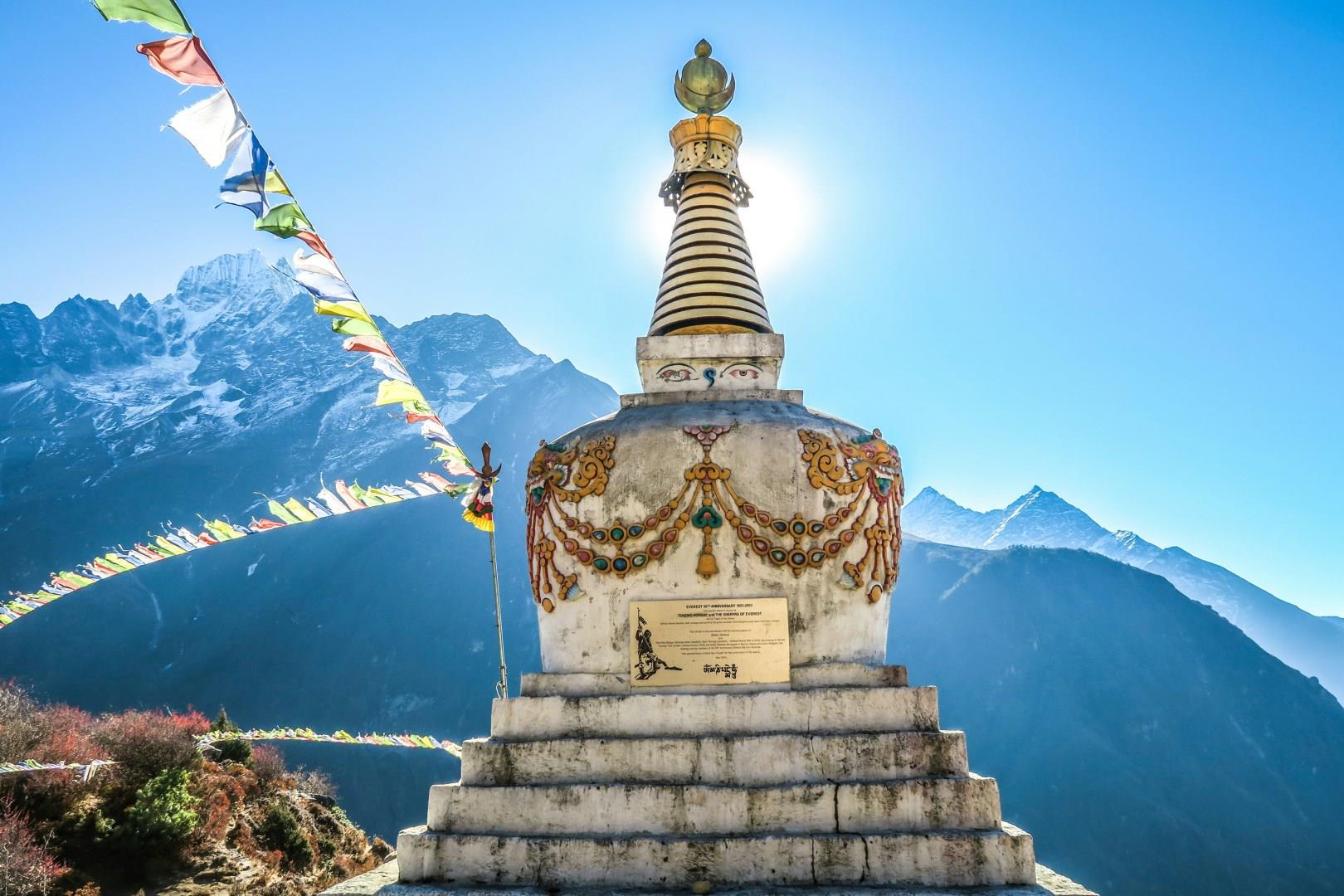
Namche
Namche Bazaar, perched at 3,440 meters in the Khumbu region of Nepal, is often called the gateway to Everest, but it’s far more than a rest stop on the way to Base Camp. Once a trading post between Tibetan and Nepali merchants, Namche has developed into a small mountain town where yak caravans and Wi-Fi cafes exist side by side. Despite its remote location, it has a Saturday market that continues to bring traders and trekkers together, just as it did centuries ago.
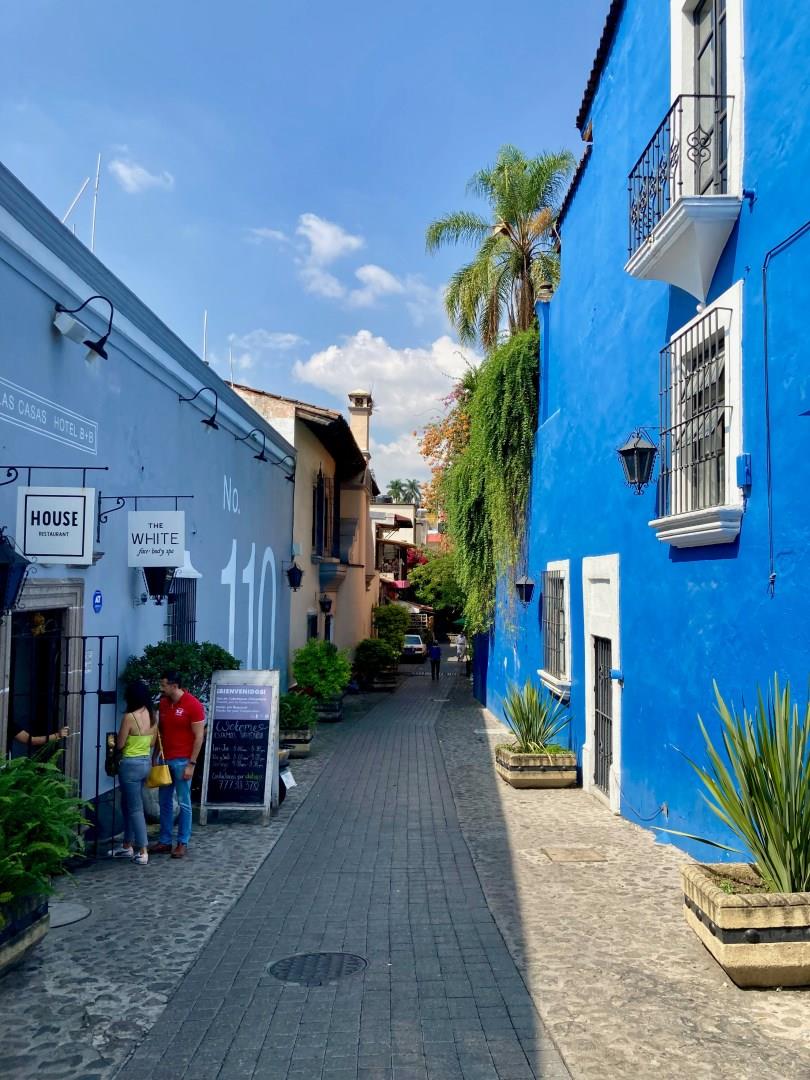
Cuernavaca
Cuernavaca, often called the “City of Eternal Spring,” has long been a retreat for those seeking warm weather and relaxing surroundings just 90 minutes from Mexico City. With a history that stretches back to the Aztec empire, the city is layered with centuries of cultural change. The historic center of Cuernavaca combines architecture from multiple eras, with narrow streets leading to quiet plazas and colonial churches.
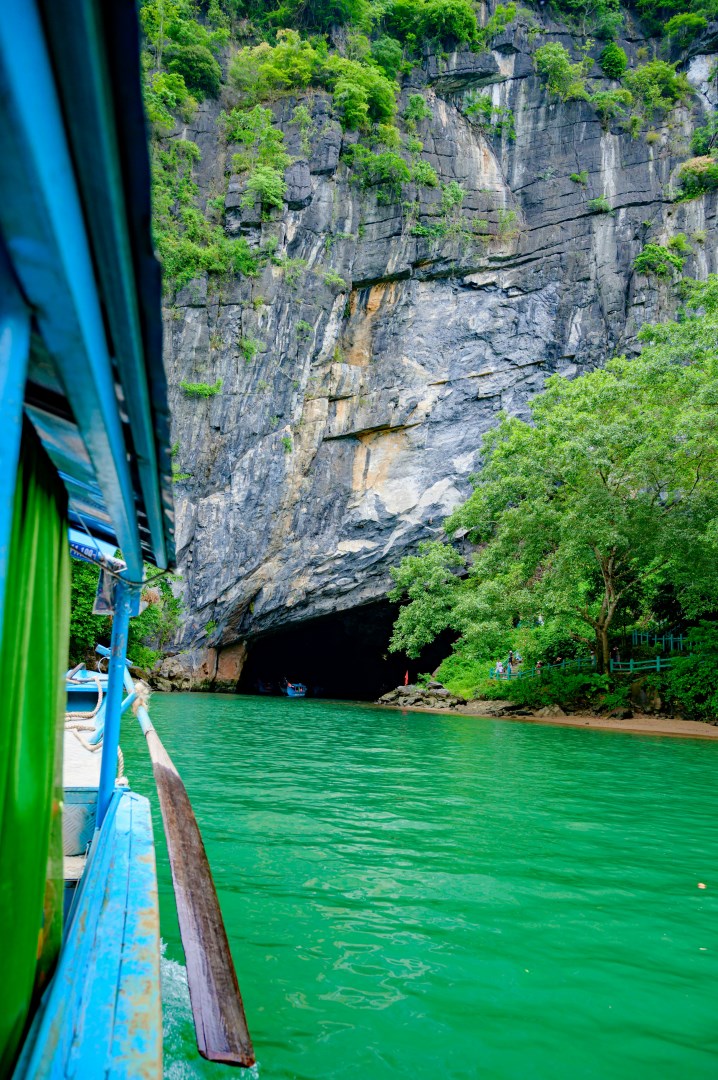
Phong Nha - Ke Bang National Park
Kẻ Bàng National Park lies in central Vietnam, near the border with Laos, and is known for its vast network of limestone mountains and underground rivers. The park forms part of one of the oldest karst landscapes in Asia, shaped over millions of years into a maze of caves, cliffs, and dense forest. Among its most famous features is Sơn Đoòng Cave, recognized as the largest cave on Earth, with sections so vast that clouds can form inside and a jungle grows beneath its collapsed roof.
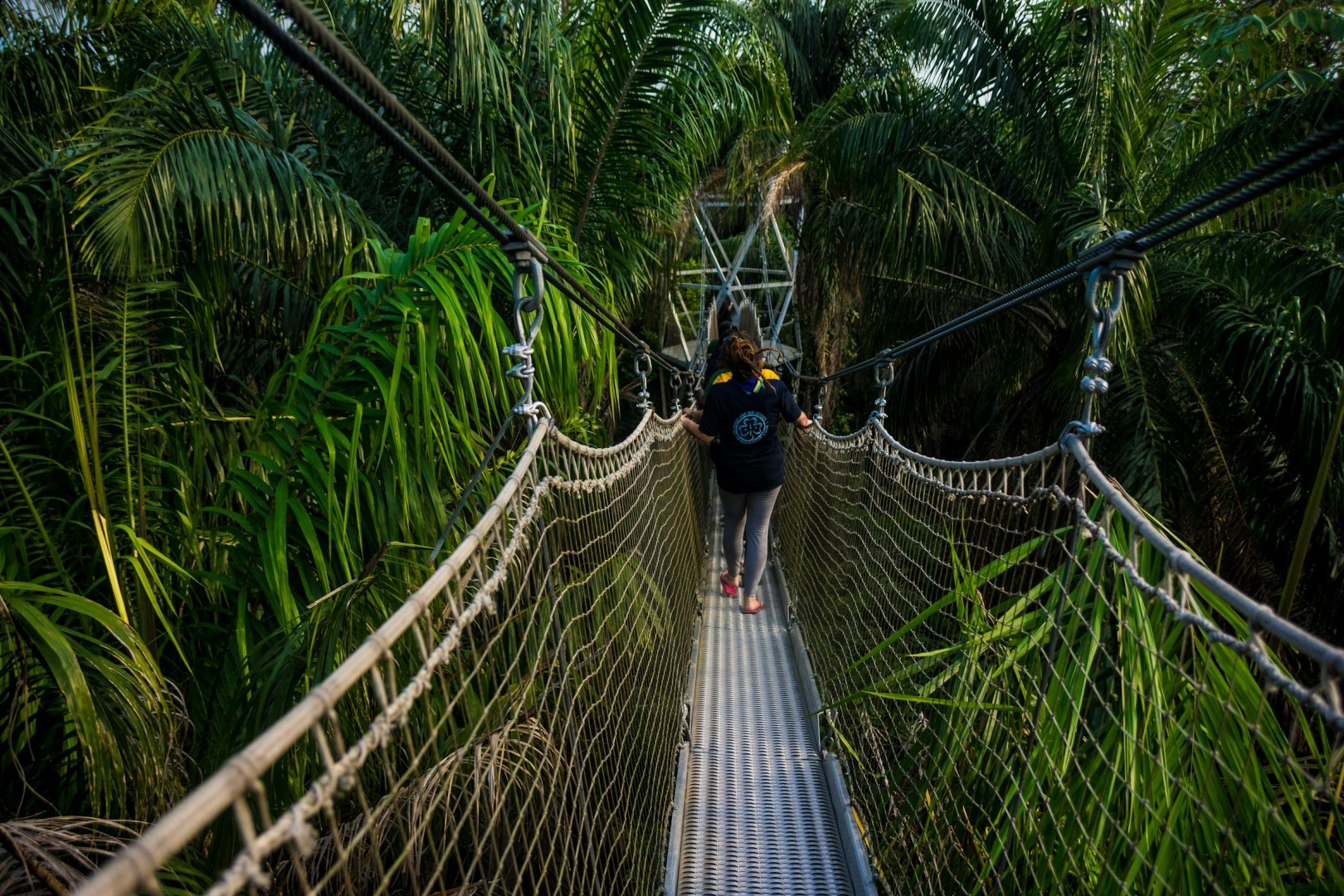
Lekki
Lekki is a rapidly developed coastal district of Lagos, Nigeria, extending eastward along the Lekki Peninsula between the Atlantic Ocean and Lagos Lagoon.
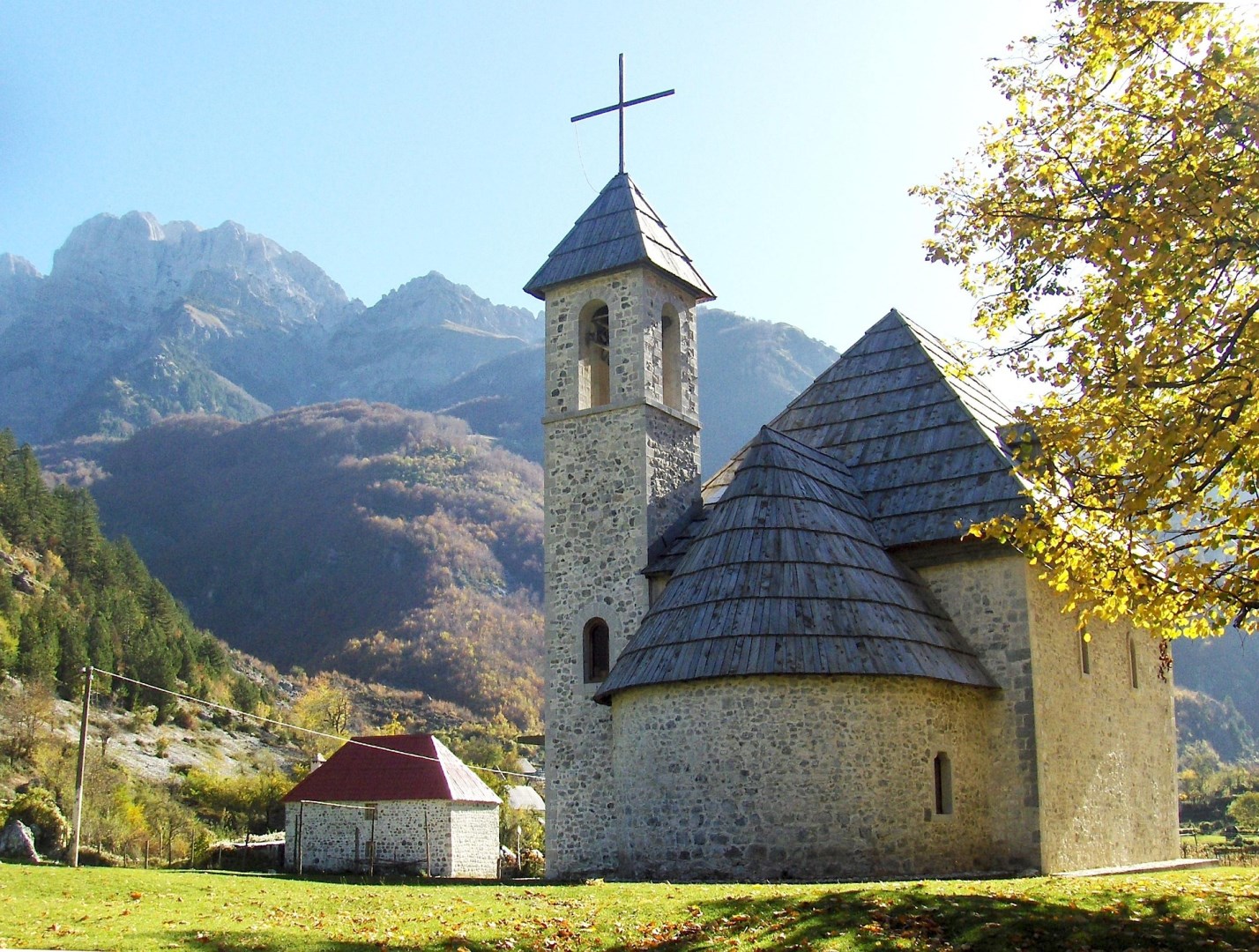
Theth
Theth is a mountain village in northern Albania, set within the rugged Albanian Alps and surrounded by steep limestone peaks, wooded slopes, and narrow valleys. The settlement lies inside Theth National Park, where traditional stone houses and small farms are scattered along the valley floor. Theth is known for its dramatic mountain scenery and its role as a starting point for hiking routes through the Accursed Mountains.
