

Isabela Island
Isabella Island is the largest of the Galapagos islands, on the western end of the archipelago. Shaped like a seahorse when viewed from above, Isabella is home to more wild tortoises than any other island, as well as a wide variety of other animal, bird and marine life.
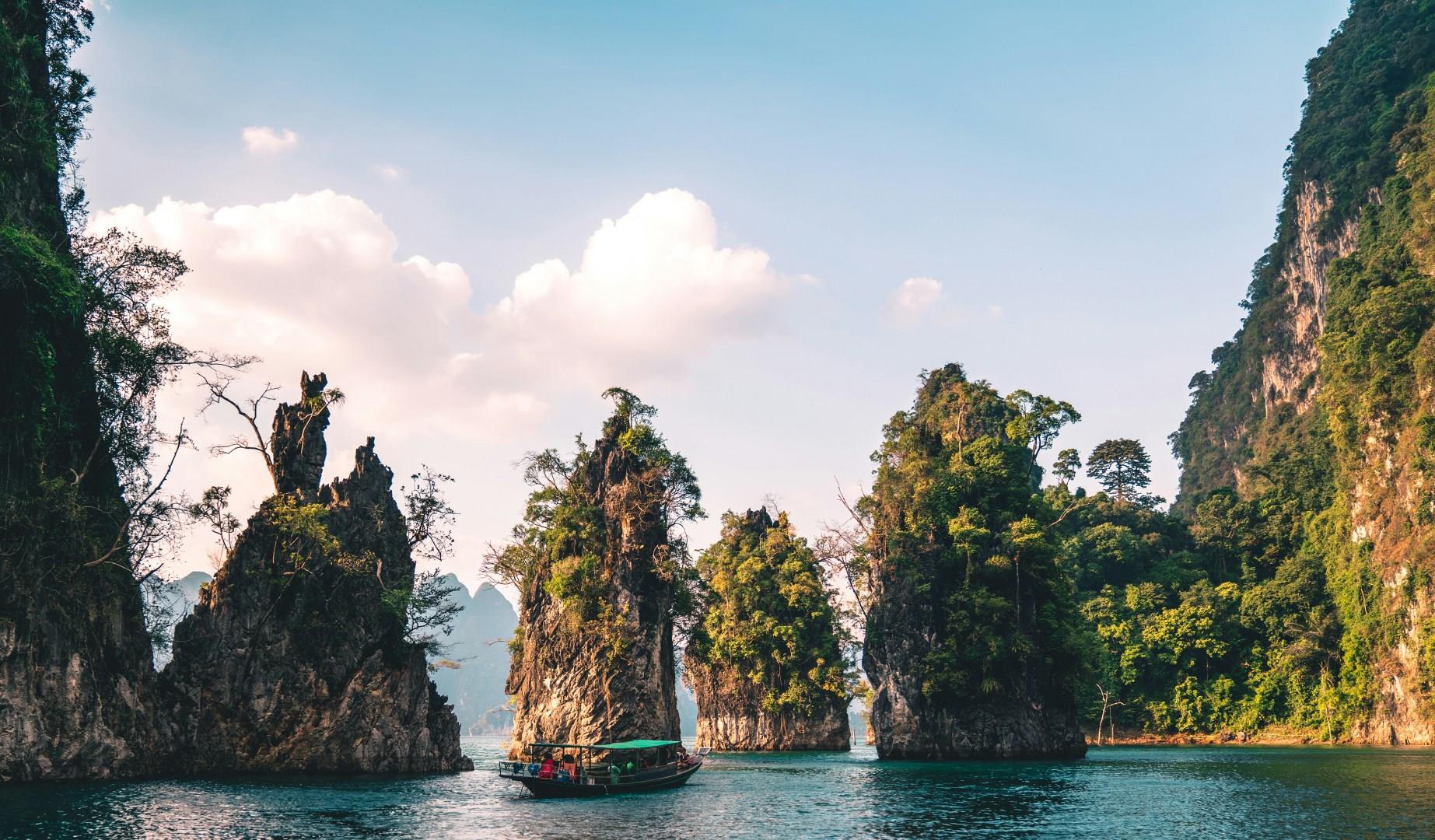
Khao Sok National Park
Khao Sok National Park in Thailand is a stunning natural haven that promises a truly immersive experience for nature lovers and adventure seekers. Nestled in southern Thailand, this sprawling park is renowned for its lush rainforests, dramatic limestone cliffs, and tranquil lakes. The park’s centerpiece, Cheow Lan Lake, is a breathtaking expanse of emerald waters surrounded by towering karst formations, ideal for boat tours and exploring floating lodges.

Dominica
Dominica, known as the “Nature Island of the Caribbean,” is a haven for eco-tourists and adventure seekers. Nestled between the French islands of Guadeloupe and Martinique, this lush island boasts a remarkable landscape of volcanic mountains, dense rainforests, and stunning waterfalls. Dominica’s most iconic natural wonder is the Boiling Lake, the second-largest hot spring in the world.
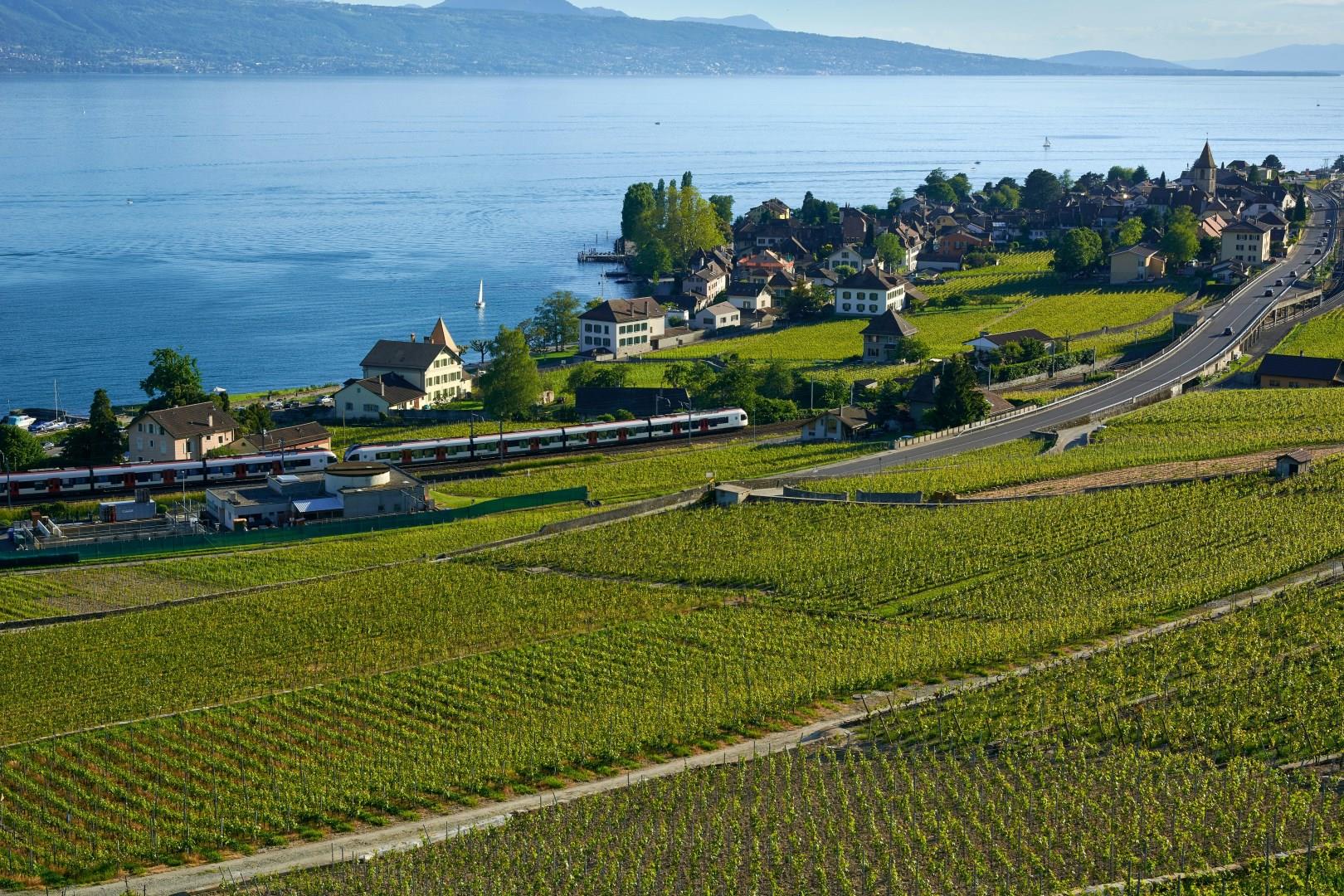
Lausanne
Perched on the northern shore of Lake Geneva, Lausanne is a city that blends centuries of history with a strong cultural identity. It served as a Roman military camp called Lousanna before evolving into a key medieval settlement. Today, visitors can still climb the tower of Lausanne Cathedral, widely regarded as the most impressive Gothic structure in Switzerland. From the top, the view stretches over the rooftops of the Old Town to the vineyards of Lavaux and across the lake to the French Alps.

Arrecife
Arrecife, the vibrant capital of Lanzarote, Spain, offers a unique blend of modern allure and traditional charm. Situated on the eastern coast of Lanzarote, this picturesque city is celebrated for its beautiful beaches, including Playa del Reducto, which boasts golden sands and clear waters perfect for a relaxing day under the sun.
