

Kamloops
Kamloops, located in the interior of British Columbia, sits at the meeting point of the North and South Thompson Rivers. The name comes from the Secwépemc word “Tk’emlúps,” meaning "where the rivers meet," and the area has been a gathering place for Indigenous communities for thousands of years. Today, visitors can explore this rich cultural heritage at the Secwépemc Museum and Heritage Park, where trails lead through archaeological sites and reconstructed pit houses.
Fox Glacier
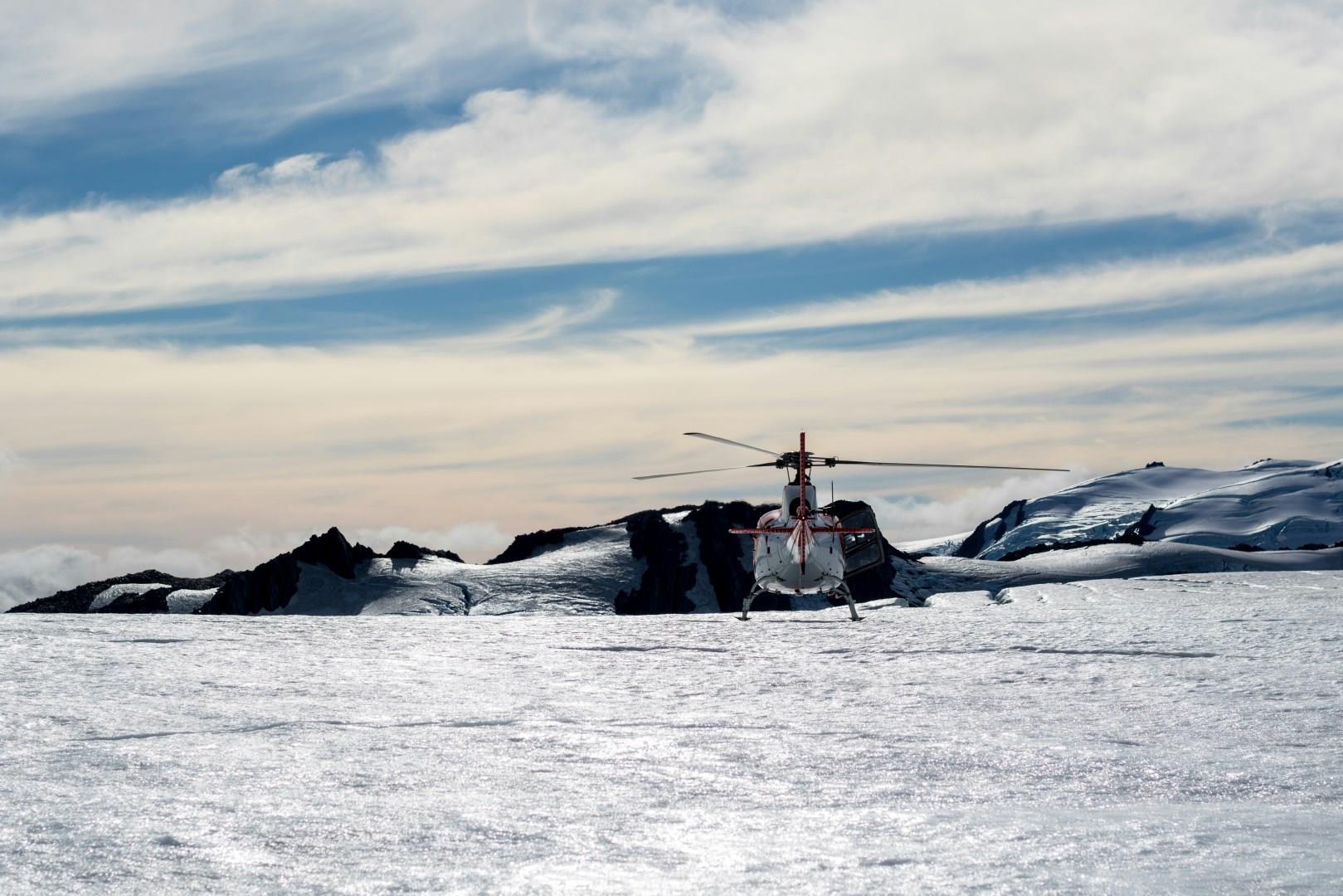
Fox Glacier, on New Zealand’s South Island, is one of the country’s most remarkable natural wonders, where icy landscapes meet lush rainforest. Named after Sir William Fox, a 19th-century Prime Minister of New Zealand, the glacier stretches from the high peaks of the Southern Alps down into temperate rainforest.
Darvaza
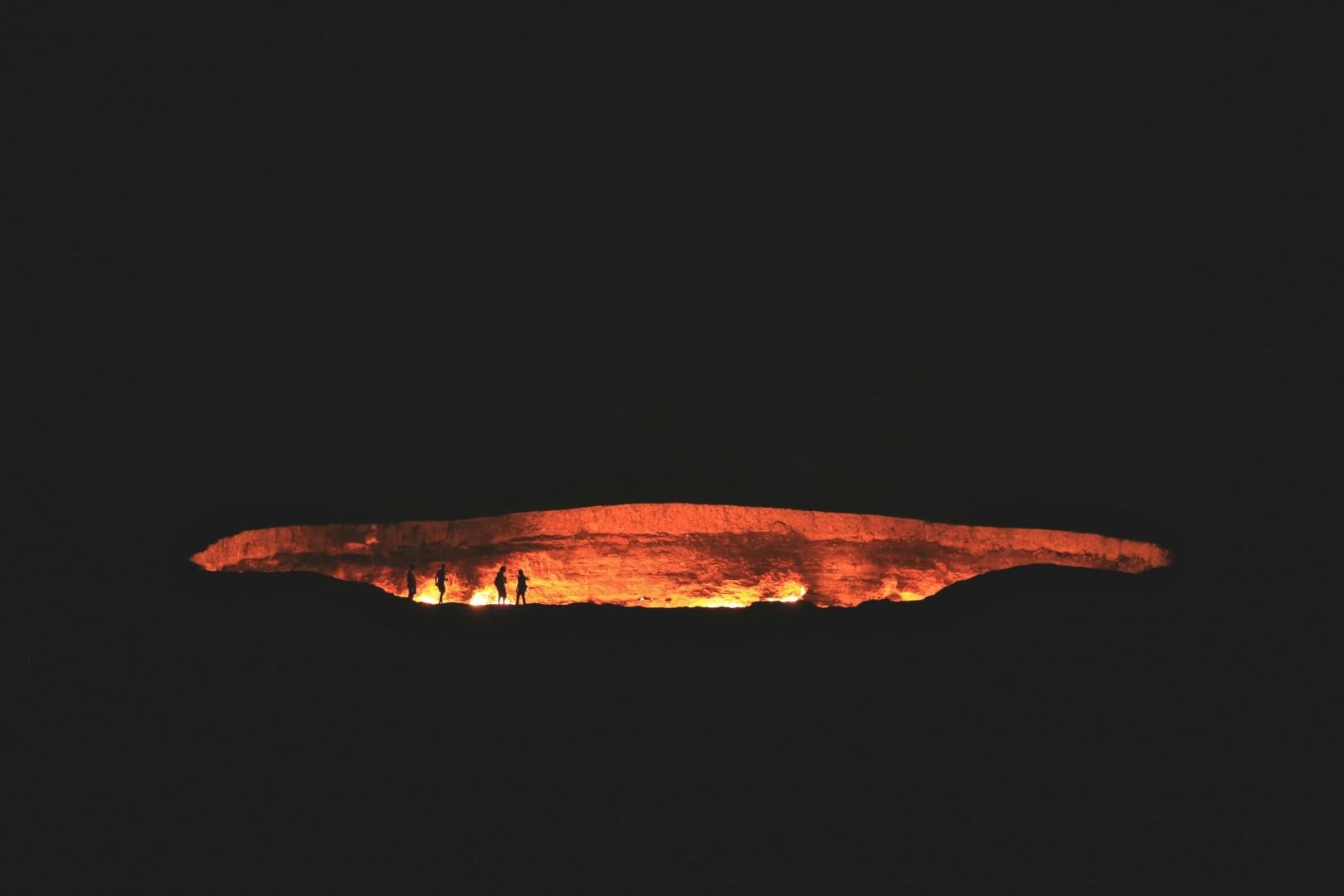
The Darvaza Gas Crater, famously nicknamed the “Door to Hell,” is one of Turkmenistan’s most extraordinary landmarks. Located deep in the Karakum Desert, this fiery pit has been burning continuously since the early 1970s, when Soviet engineers reportedly set fire to a collapsed natural gas field to prevent the spread of methane.

Galveston
Galveston, Texas, a charming island city along the Gulf Coast, is a delightful blend of history, culture, and seaside leisure. Known for its Victorian architecture and sun-soaked beaches, Galveston offers a rich array of experiences for visitors. The Historic Strand District, with its 19th-century buildings housing shops, galleries, and restaurants, takes visitors back in time to an era of bustling port trade and grand social affairs.

Amazon River
The Amazon River, winding through the heart of South America, is a marvel of nature that offers unparalleled adventure in one of the most biodiverse regions on Earth.
