
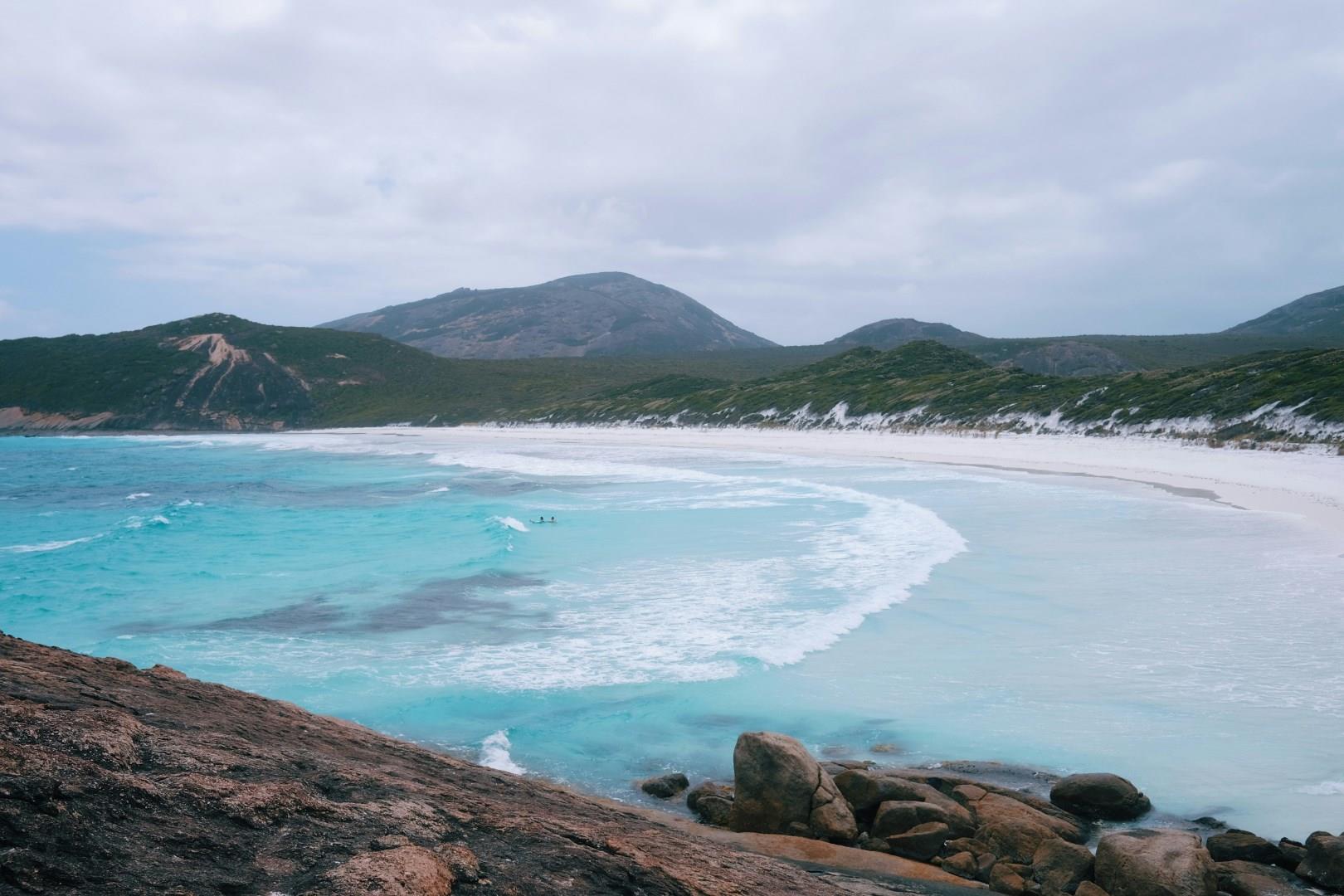
Esperance
Esperance sits on the southern coast of Western Australia, where wide blue seas meet miles of white sand beaches and rocky headlands. The coastal town grew from pearling and pastoral beginnings into a laid-back seaside destination with a backdrop of rugged terrain and ocean views.
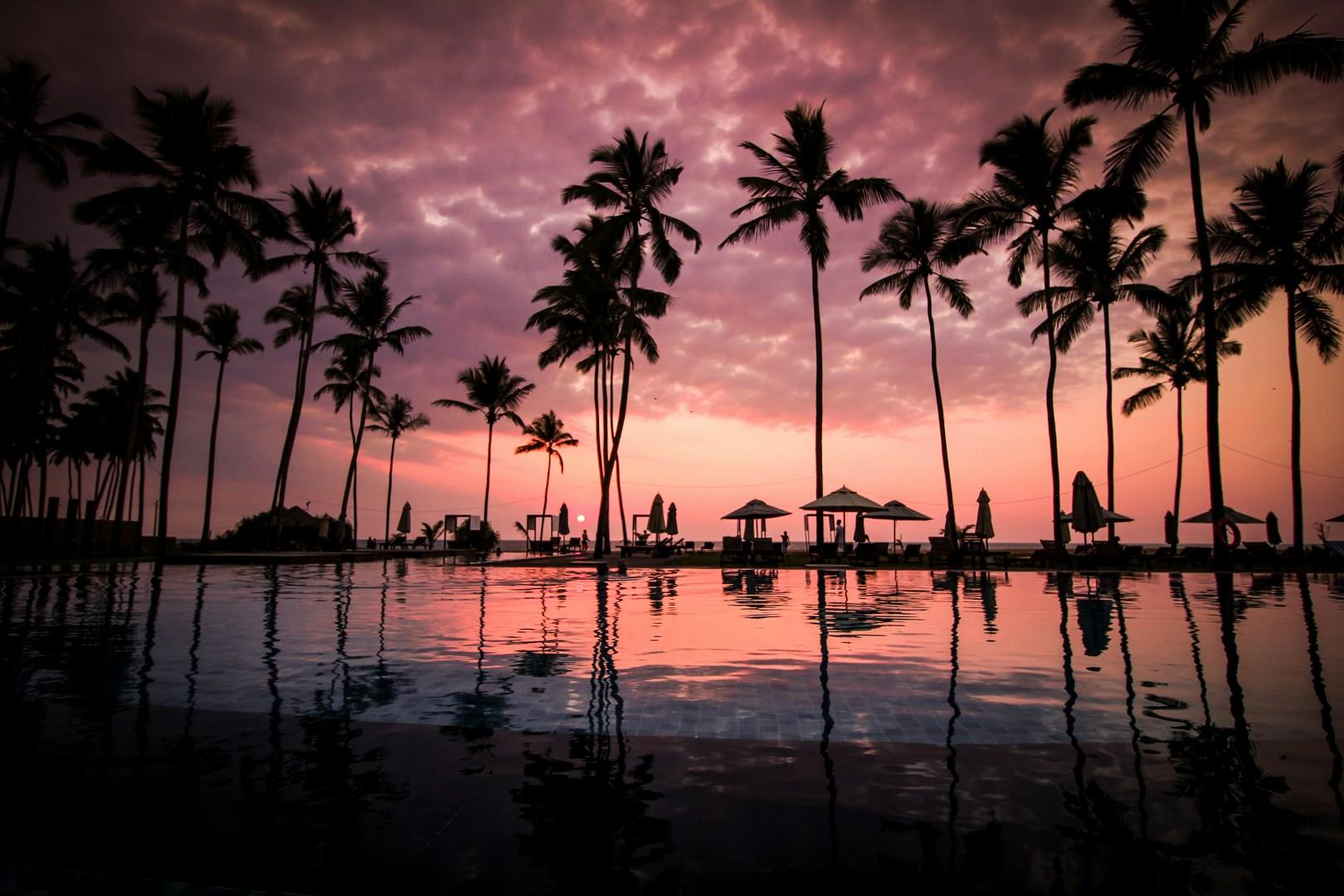
Negombo
Negombo, located just north of Colombo and minutes from Sri Lanka’s main international airport, offers a coastal town experience steeped in layered history and local life. Once a vital trading post for cinnamon during the colonial era, Negombo has seen Portuguese, Dutch, and British influence with each leaving a mark on its architecture and culture. The Dutch-era canal system, still used by fishermen and local vendors today, runs through parts of the town and can be explored by boat or bicycle.
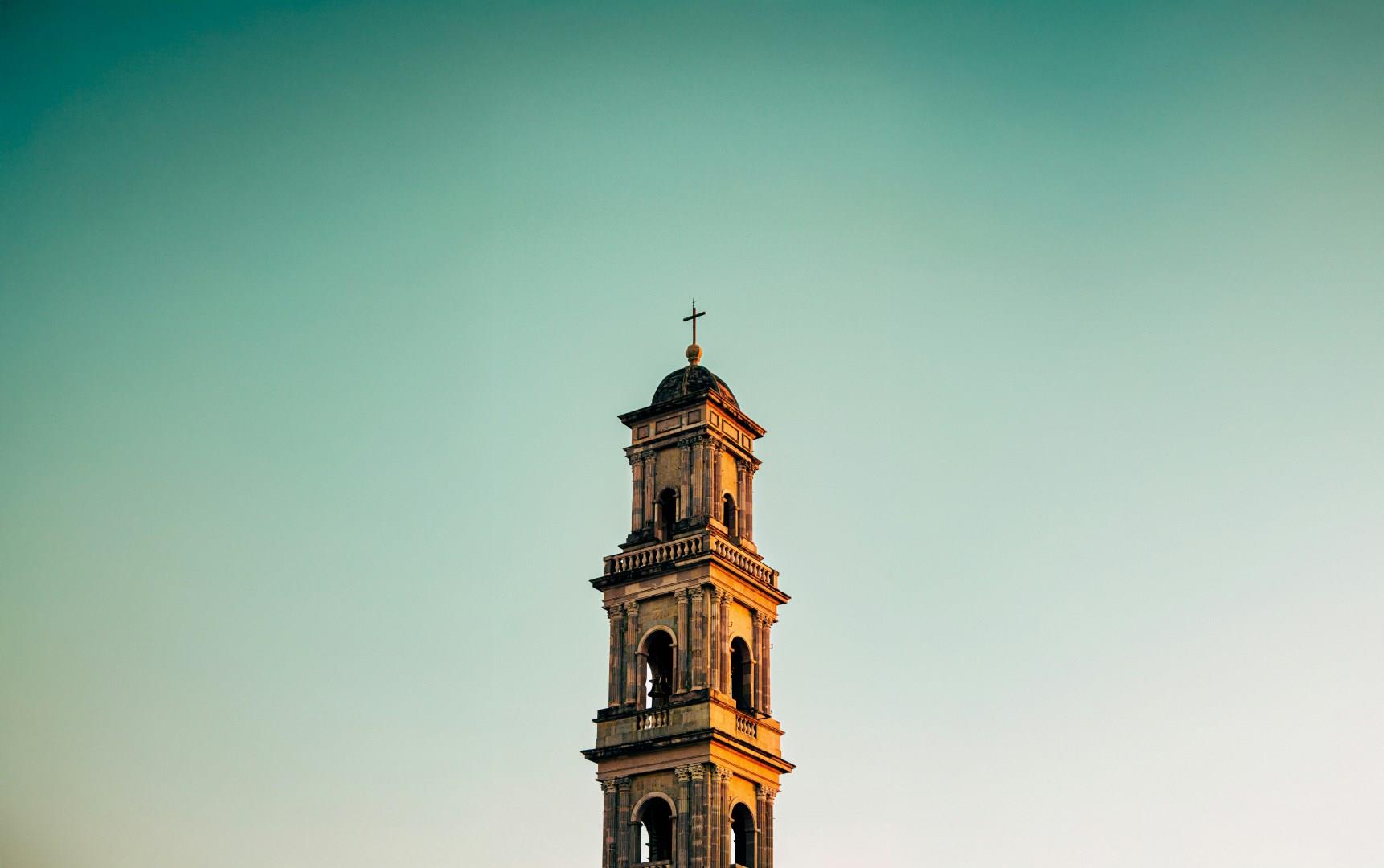
Tampico
Tampico, located on the Gulf Coast of Tamaulipas, is a port city with a layered history shaped by trade, oil, and immigration. Its downtown district is known for neoclassical buildings, many of which were constructed with imported bricks and ironwork from Europe during the oil boom of the early 20th century. One of Tampico’s most photographed structures is the Mercado Municipal, rebuilt in recent years but still functioning as a central hub for daily life.

Nova Scotia
Nova Scotia covers an area of 21,425 sq. miles, and Halifax is the capital. This is an area rich in history — Gaelic is still spoken here in some areas by descendants of the early settlers. The coast is peppered with fishing villages, and inland the climate boasts sprawling valleys and rocky headlands.
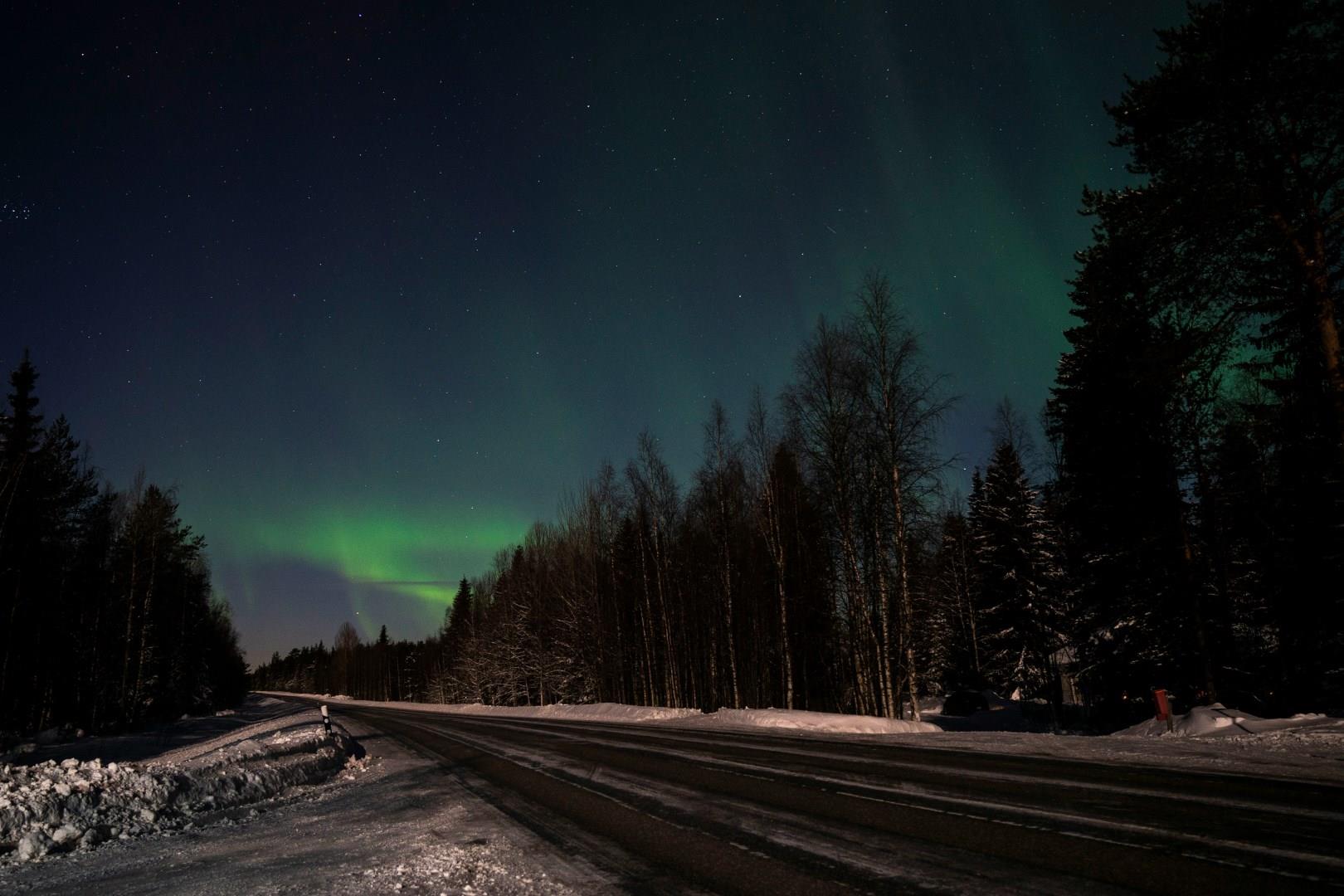
Rovaniemi
Rovaniemi, located just a few kilometers south of the Arctic Circle, is widely recognized as the official hometown of Santa Claus. From late August through early April, the Northern Lights are visible on clear nights, and several local guides offer nighttime tours to remote locations for optimal viewing. During summer, the sun doesn't set for weeks, giving travelers the rare chance to hike or kayak under a sky that stays bright at midnight.
