
Niigata
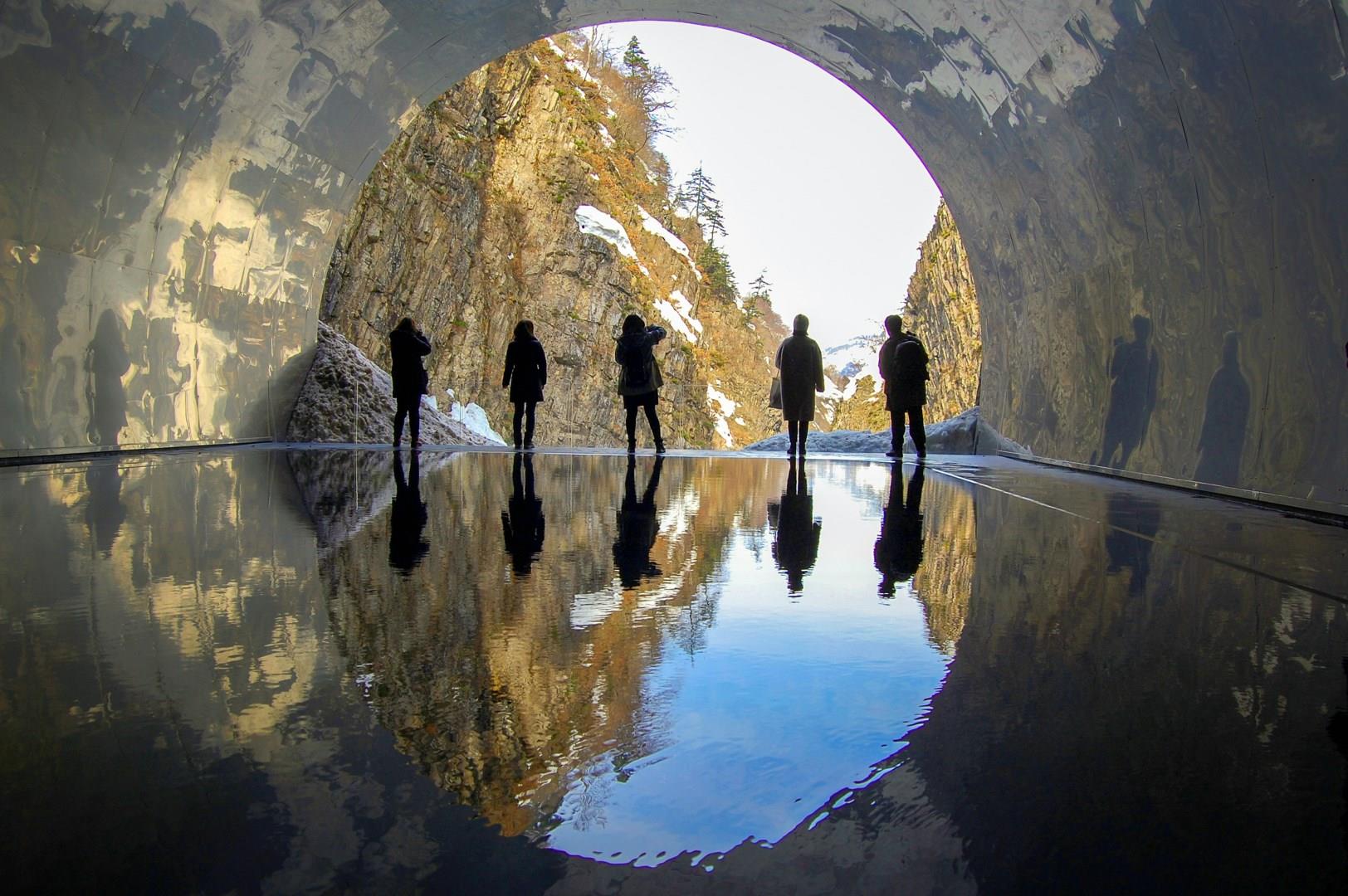
Niigata sits along the Sea of Japan on Honshu’s west coast, a place where long winters and bright summers shape its traditions and flavors. For centuries this region has produced some of Japan’s finest rice, especially the Uonuma Koshihikari variety known for its rich taste and texture. That quality rice helps make Niigata sake famous across the country, and visitors can sample more than 90 local brews at tasting spots such as Ponshukan inside Niigata Station.

Okavango Delta
The Okavango Delta, located in Botswana, is one of Africa’s most extraordinary natural wonders. This vast inland delta, renowned for its rich biodiversity and stunning landscapes, offers a unique opportunity to experience a pristine wilderness. As the Okavango River meanders into the Kalahari Desert, it creates a sprawling floodplain that transforms into a lush oasis during the annual flood.
Ko Kood
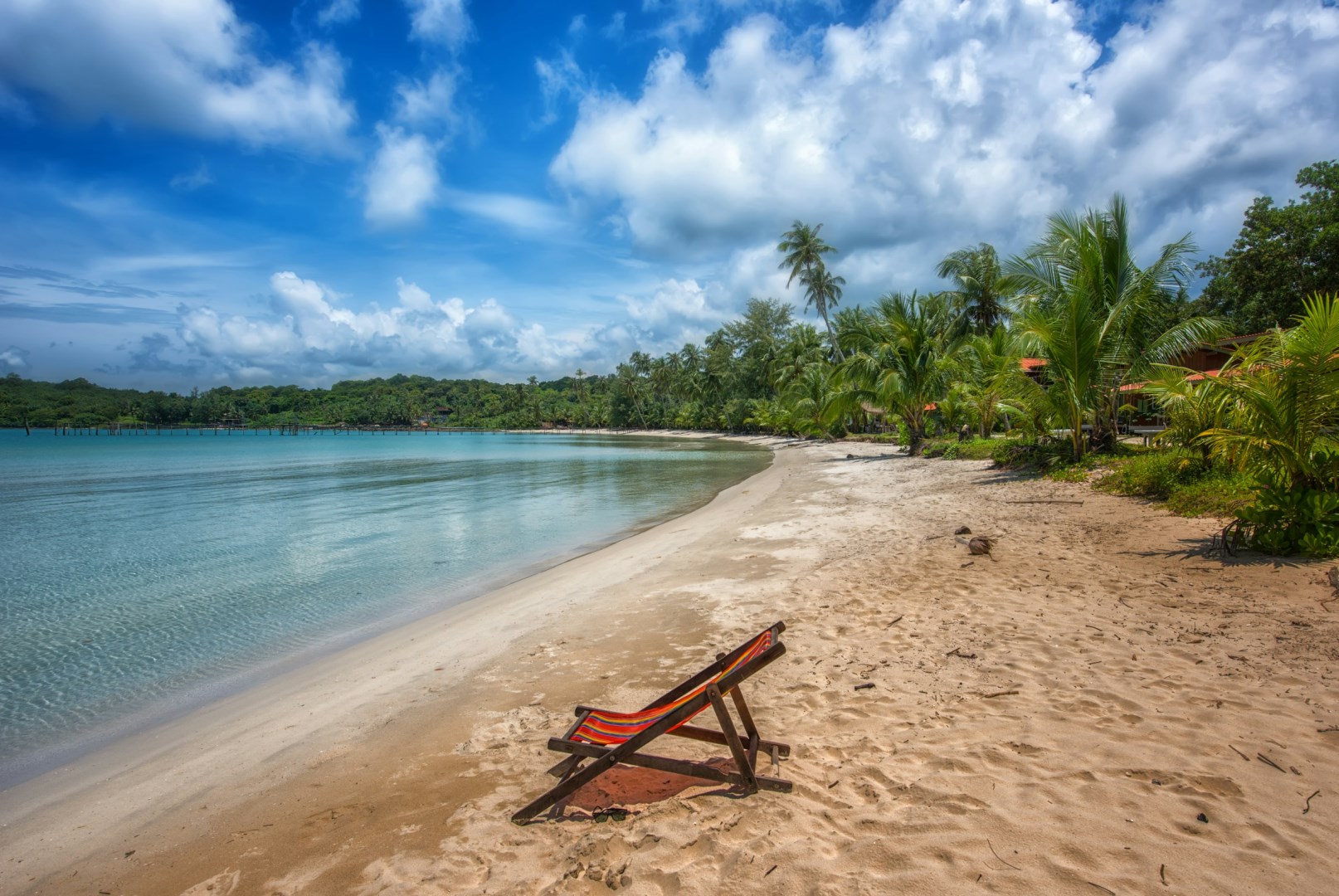
Koh Kood, also spelled Koh Kut, is an island in Trat Province near Thailand’s eastern maritime border with Cambodia. It is the fourth-largest island in Thailand and the southernmost major island in the Koh Chang group. Much of its landscape consists of forested hills, coconut and fruit plantations, streams, and sandy beaches along the Gulf of Thailand.

Bimini Islands
The Bimini Islands, the westernmost point of the Bahamas, are a tiny chain of islands steeped in history, legend, and natural wonder. Bimini has long been celebrated as the “Gateway to the Bahamas,” blending fishing traditions, maritime lore, and a laid-back island culture.
Danco Island
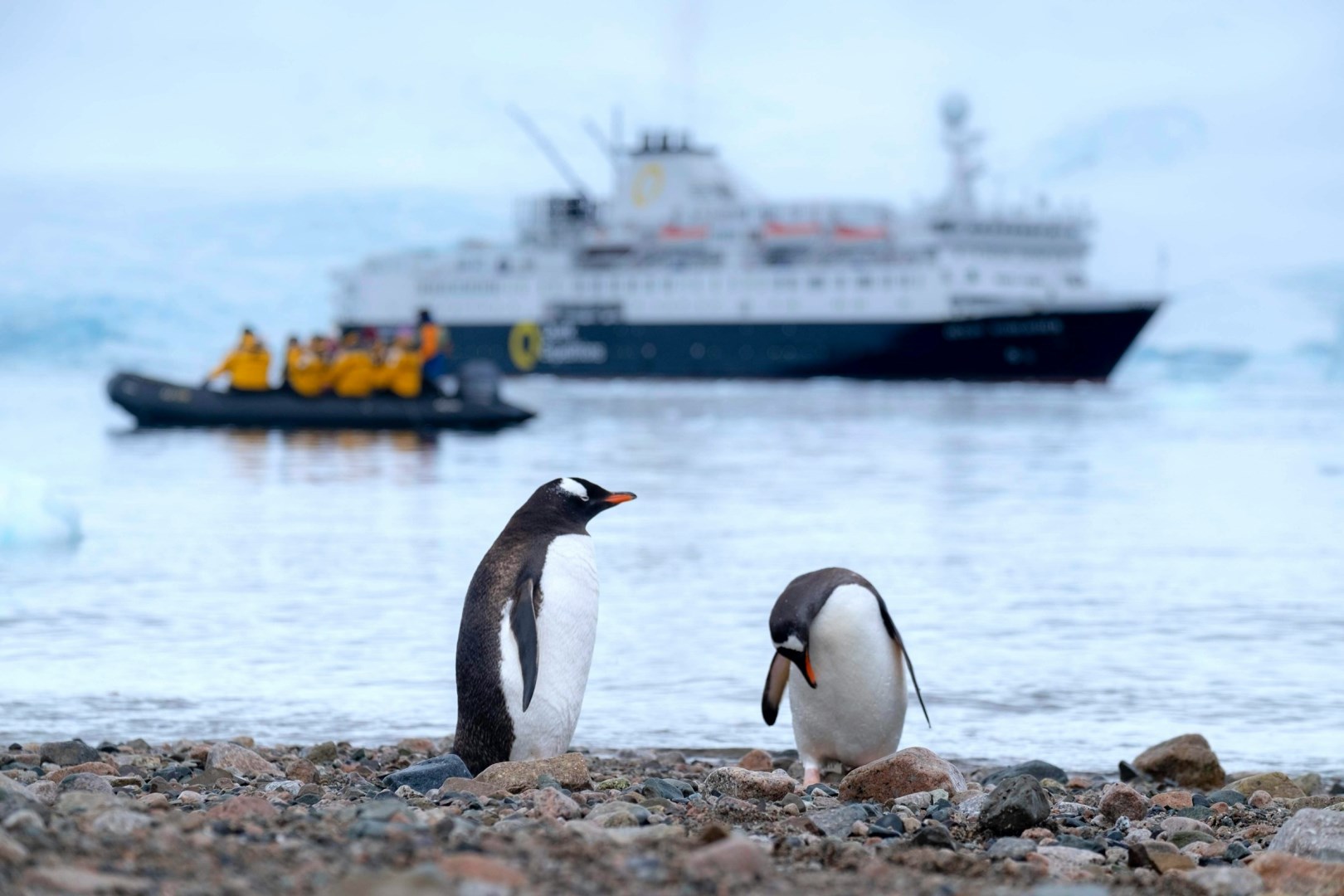
Danco Island also offers a close look at how Antarctic wildlife uses a small ice-covered island. Gentoo penguins establish colonies on rocky and snow-free areas, while the surrounding channel provides access to feeding grounds. The island’s exposed slopes and summit can be windy, and snow conditions may vary considerably between visits. Its compact landscape means that even a short excursion can reveal glaciers, mountains, sea ice, seabirds, and penguin colonies within a relatively small area.
