

Killarney
Killarney - Ireland's most vibrant town. Located in the Southwestern region of Ireland, in County Kerry, Killarney is a renown stop on the famed "Ring of Kerry" journey.

Plitvice Lakes
Plitvice Lakes National Park, a UNESCO World Heritage Site since 1979, is one of Croatia’s most captivating natural wonders. Located in the heart of the country, this mesmerizing park is renowned for its cascading lakes, lush greenery, and a network of waterfalls that create an enchanting landscape. The park’s 16 terraced lakes, connected by a series of waterfalls, range in color from emerald green to sapphire blue due to the unique mineral content and the reflection of sunlight. Visitors can ex
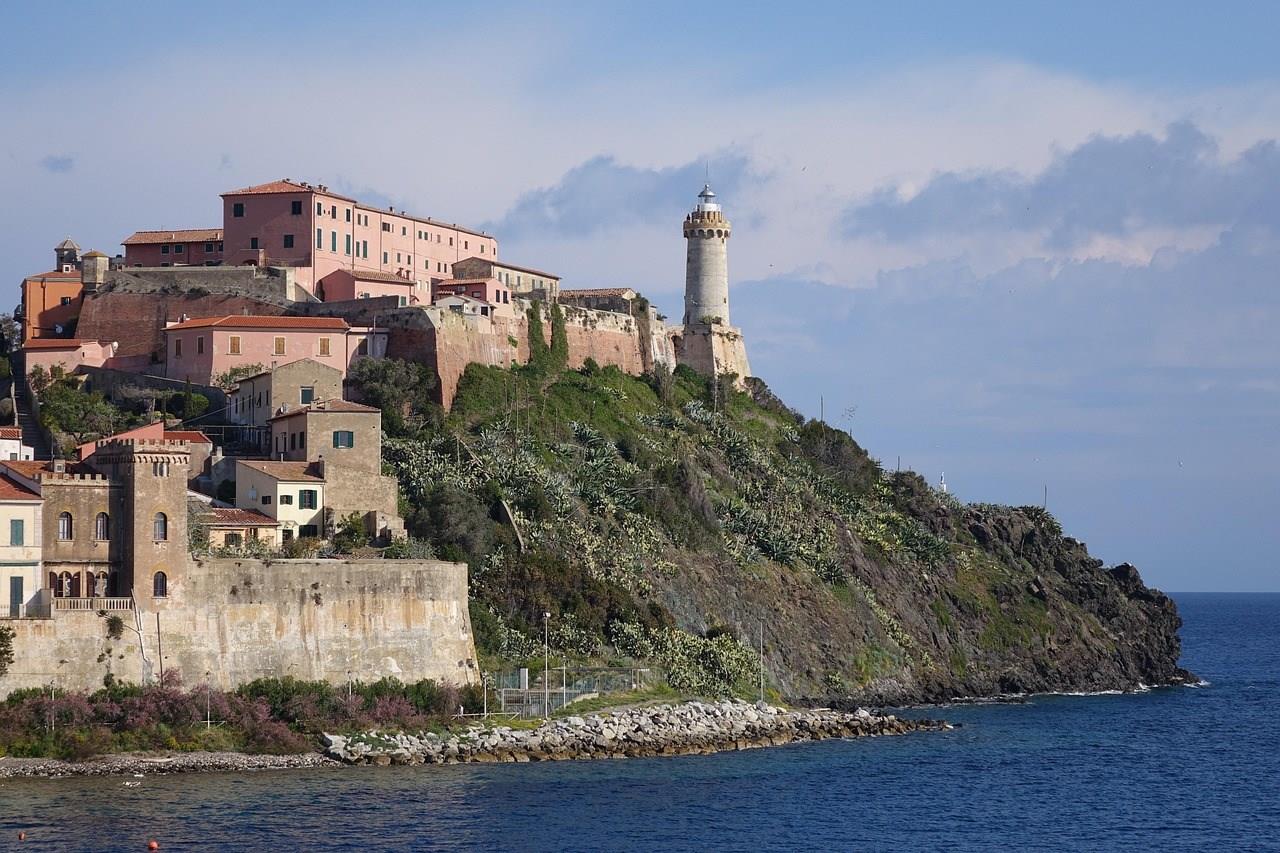
Portoferraio
A popular cruise line port, Portoferraio is a spectacular spot on the Italian coast and principal town of Elba Island.

Avignon
Located on the Rhône River, Avignon is the city to which the Popes fled when leaving the corruption of Rome in the 14th century. The palace they built, 'Le Palais des Papes,' is a breathtaking must see.

Portovenere
Portovenere, in the region of Cinque Terre, is a characteristic medieval village situated at the far west of the gulf. With its colored, narrow high houses, the Genoese Castle, the St. Pietro Church on the steep cliff, it unites history with charm.
