
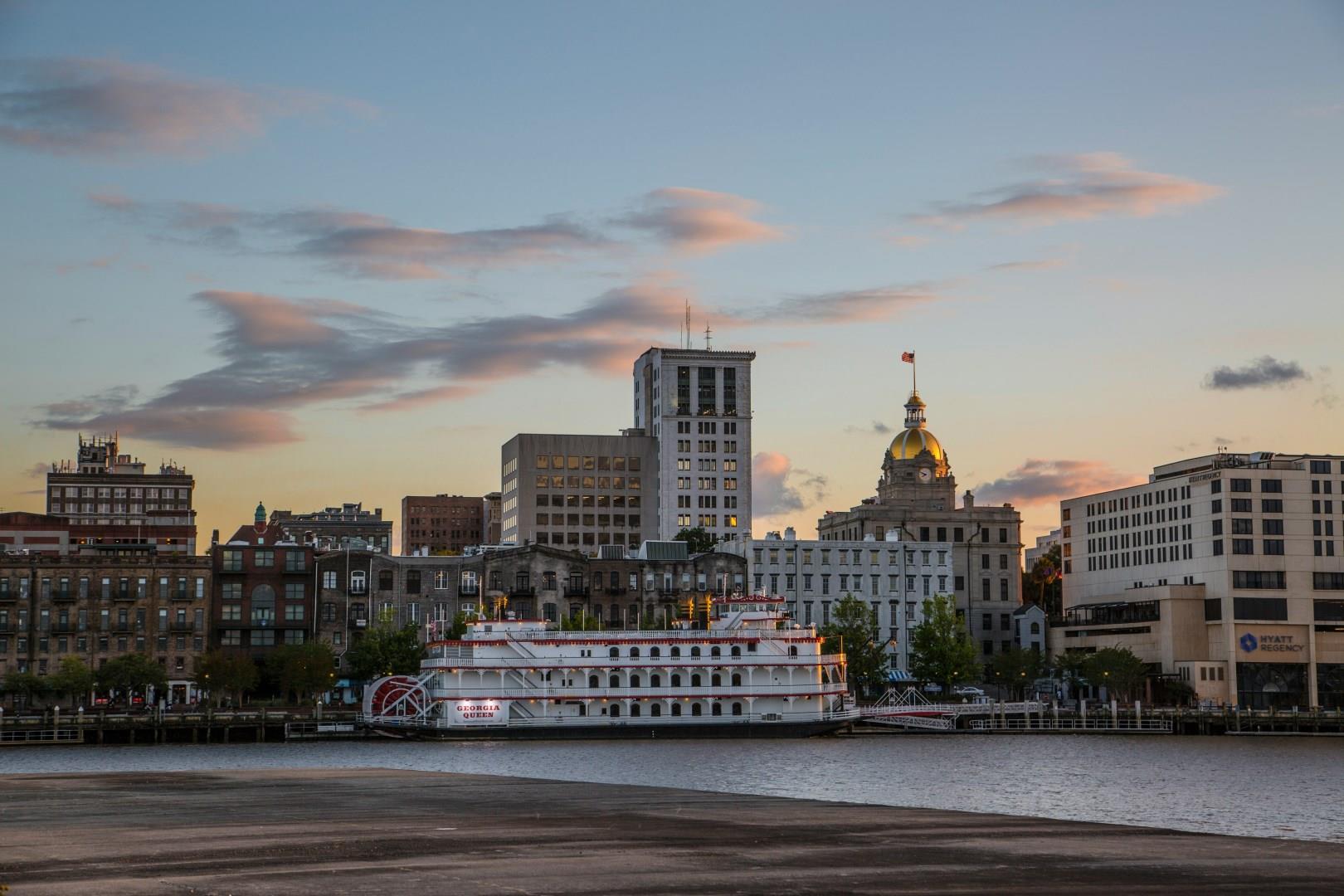
Savannah
Savannah, Georgia, is a city that moves at its own pace, shaded by moss-draped oaks and shaped by centuries of stories. Founded in 1733, it was Georgia’s first city and still wears its history proudly. Visitors walking through the Historic District will find cobblestone streets, hidden gardens, and 22 public squares, each with its own character.
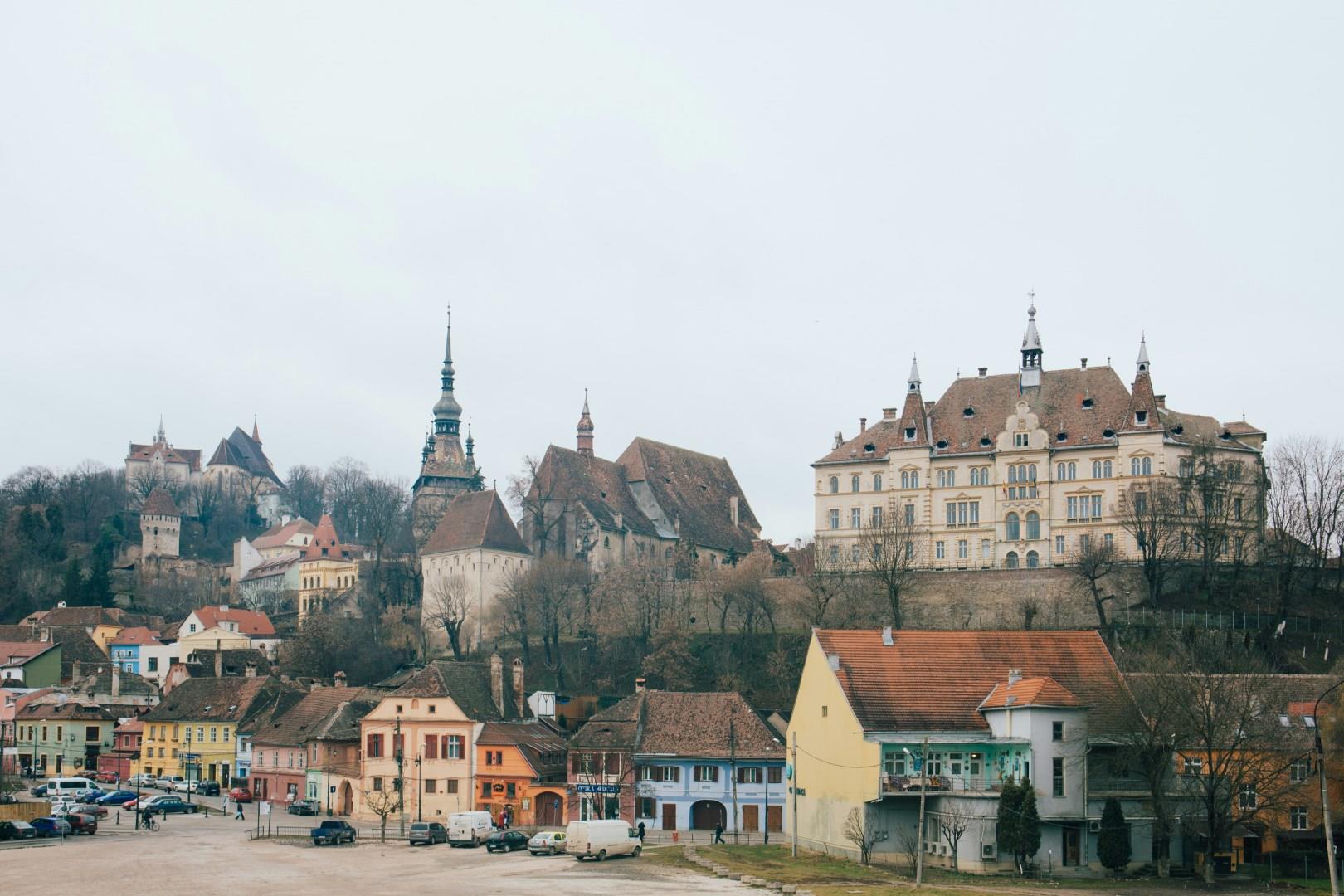
Sighisoara
Sighisoara rises above the Târnava Mare River as one of the few medieval citadels in Europe that is still lived in and admired today. Its historic center has been on the UNESCO World Heritage List since 1999, recognized for its long history as a fortified Saxon settlement and its role in trade and defense on the edges of central Europe. Wander through cobbled alleys framed by pastel-colored houses, and the layers of time feel close at hand, from the city walls and guild towers to busy cafés.

Djerba
Djerba, an island off the southern coast of Tunisia, is known for its unique blend of Mediterranean charm and North African traditions. With its whitewashed villages, sandy beaches, and palm groves, the island has long been a place where cultures and histories intersect.
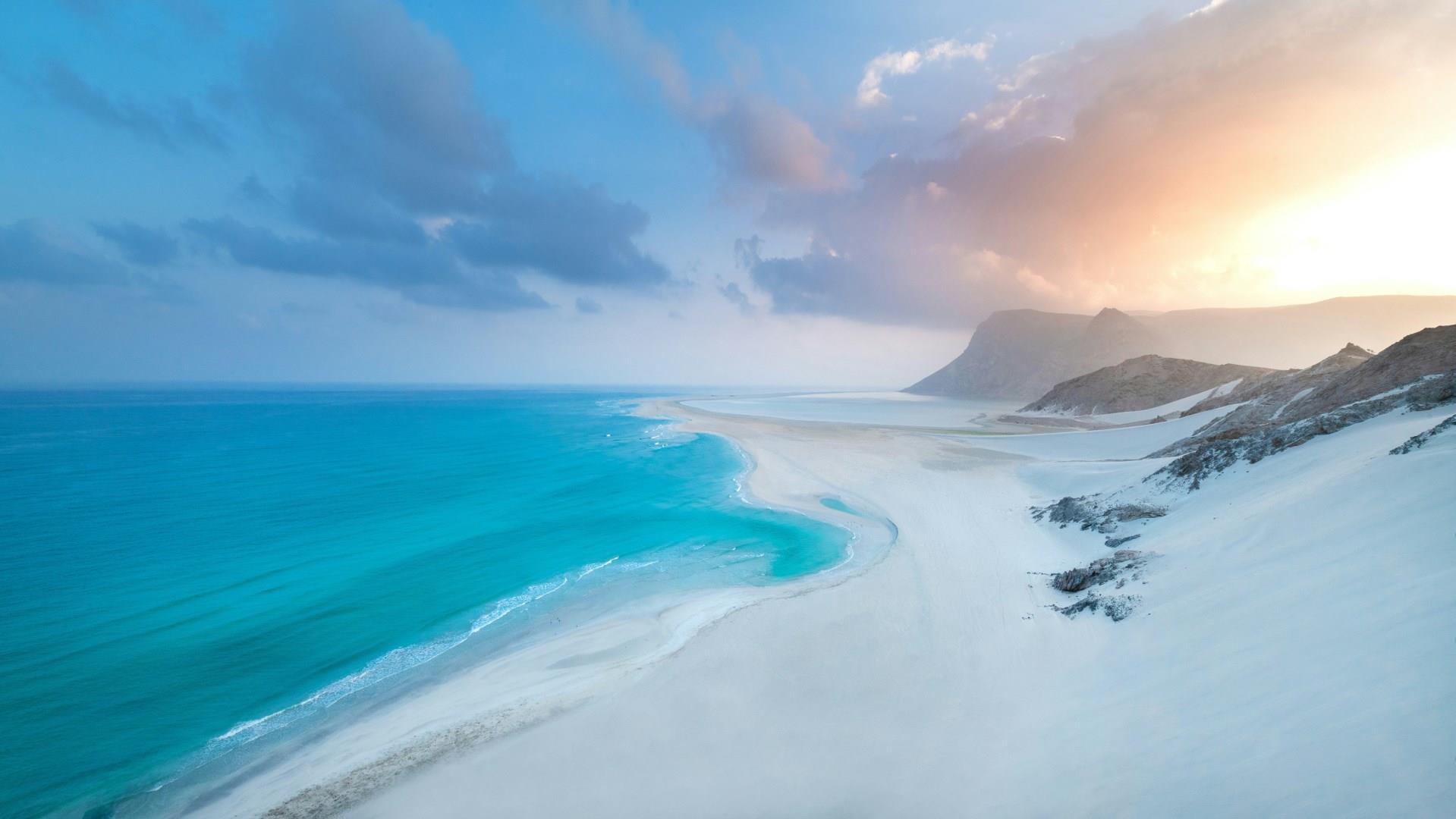
Socotra
Socotra rises from the Arabian Sea like a world apart, its landscapes shaped over millennia. The Dragon’s Blood Trees, with their umbrella-shaped crowns and deep red sap, stand among the most iconic sights here. In places like Dixam Plateau and Homhil Forest, these trees gather in sparse formations, creating scenes that feel both ancient and alien. The resin remains valued for traditional dyes and remedies.

Estonia
>Estonia, a hidden gem in Northern Europe, boasts a fascinating mix of medieval charm and modern vibrancy. The capital city, Tallinn, is renowned for its well-preserved medieval Old Town, a UNESCO World Heritage Site. Wander through the cobbled streets of the Old Town, where you’ll encounter stunning Gothic architecture, including the impressive Alexander Nevsky Cathedral and the Town Hall, with its ornate spire and charming square.
