
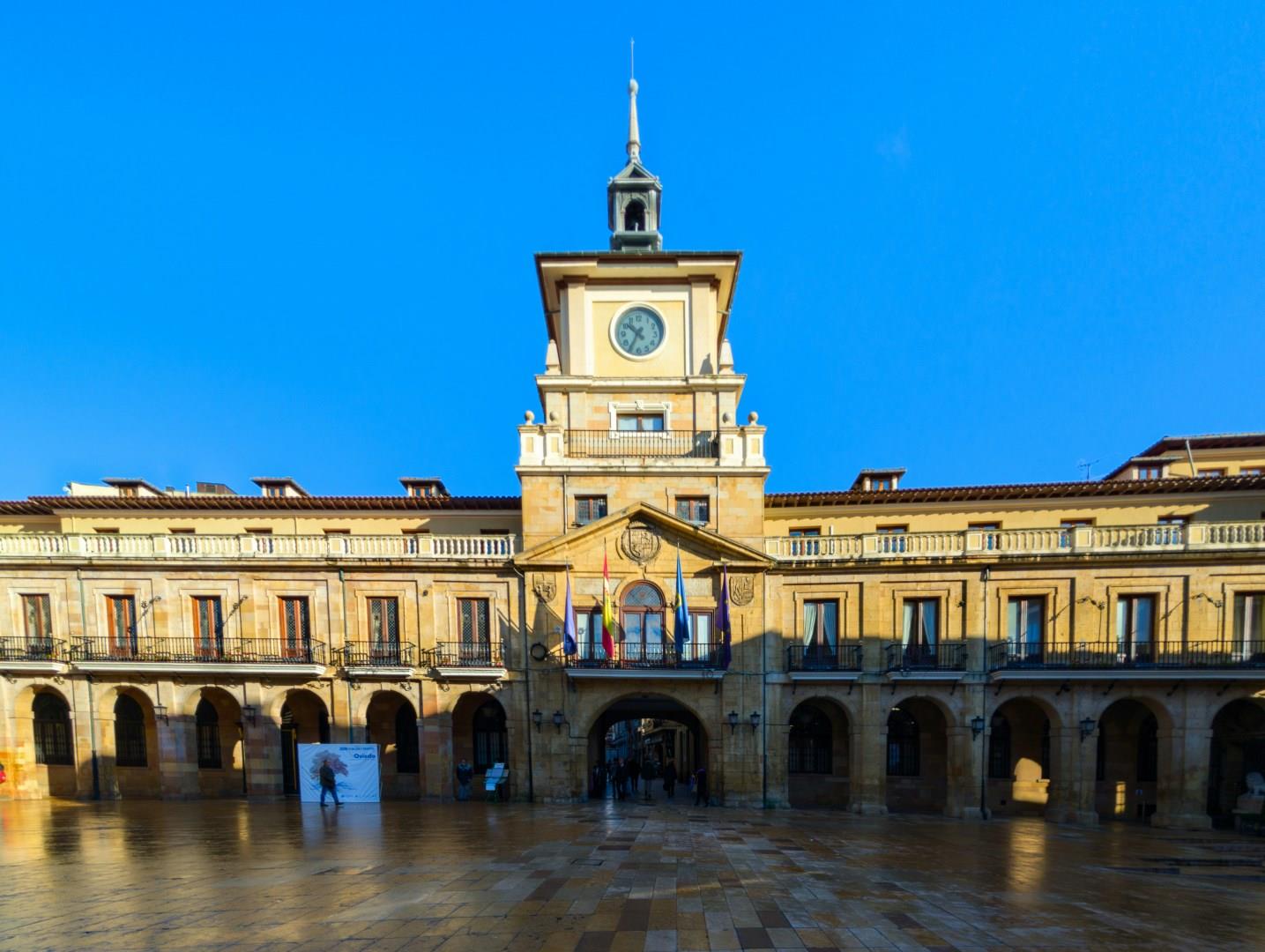
Oviedo
Oviedo, the capital of Asturias in northern Spain, offers a rare mix of medieval heritage and everyday life that feels rooted rather than staged. The city’s historic center is home to some of the oldest pre-Romanesque buildings in Europe, including the UNESCO-listed Santa María del Naranco and San Miguel de Lillo. Cider, not wine, defines the local table. Oviedo is surrounded by apple orchards, and the traditional drink, sidra natural, is poured from a height by skilled escanciadores.
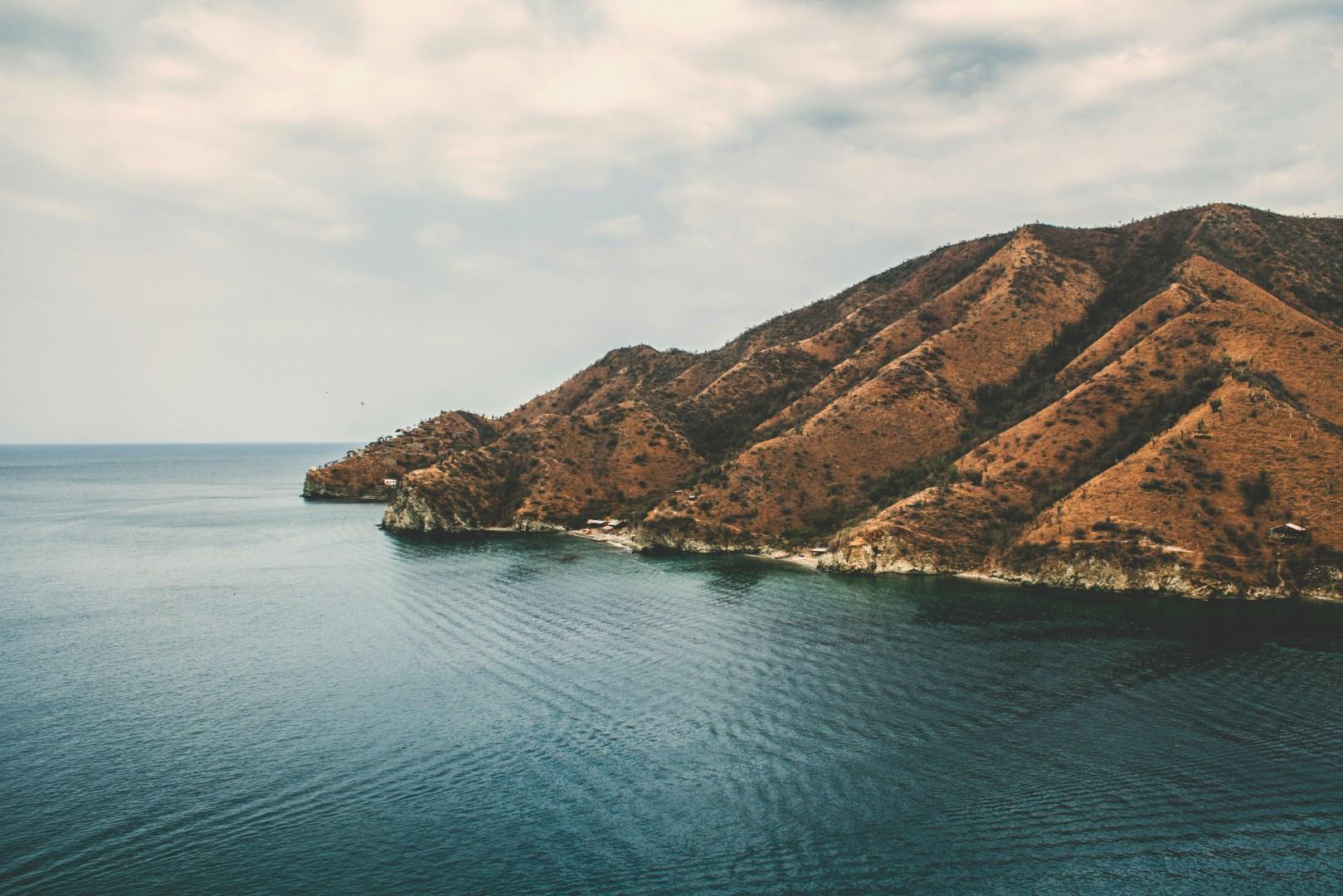
Santa Marta
Santa Marta, located on Colombia’s northern Caribbean coast, is one of the country’s oldest cities, founded in 1525. It has long served as a gateway between the coast and the Sierra Nevada de Santa Marta, the world’s highest coastal mountain range.

Iguassu Falls
Iguassu Falls, straddling the border between Brazil and Argentina, is a breathtaking natural wonder that captivates visitors with its sheer scale and beauty. This UNESCO World Heritage Site boasts the largest waterfall system in the world, with nearly 275 individual falls cascading over a rugged landscape.

Doha
Doha presents a journey where heritage and modern design intersect gracefully. The Museum of Islamic Art, designed by I. M. Pei, rises from the Corniche and houses ceramics, textiles, manuscripts, and metalwork spanning fourteen centuries. Nearby, the National Museum of Qatar, shaped like a desert rose, narrates the country's story through immersive exhibits and architecture by Jean Nouvel. These institutions offer perspectives on both art and national identity.

Chiang Rai
Chiang Rai, in northern Thailand near the borders with Laos and Myanmar, is a city where history, art, and tranquil landscapes converge. Founded in the 13th century as the first capital of the Lanna Kingdom, it retains a strong sense of heritage while also serving as a hub for contemporary Thai creativity.
