
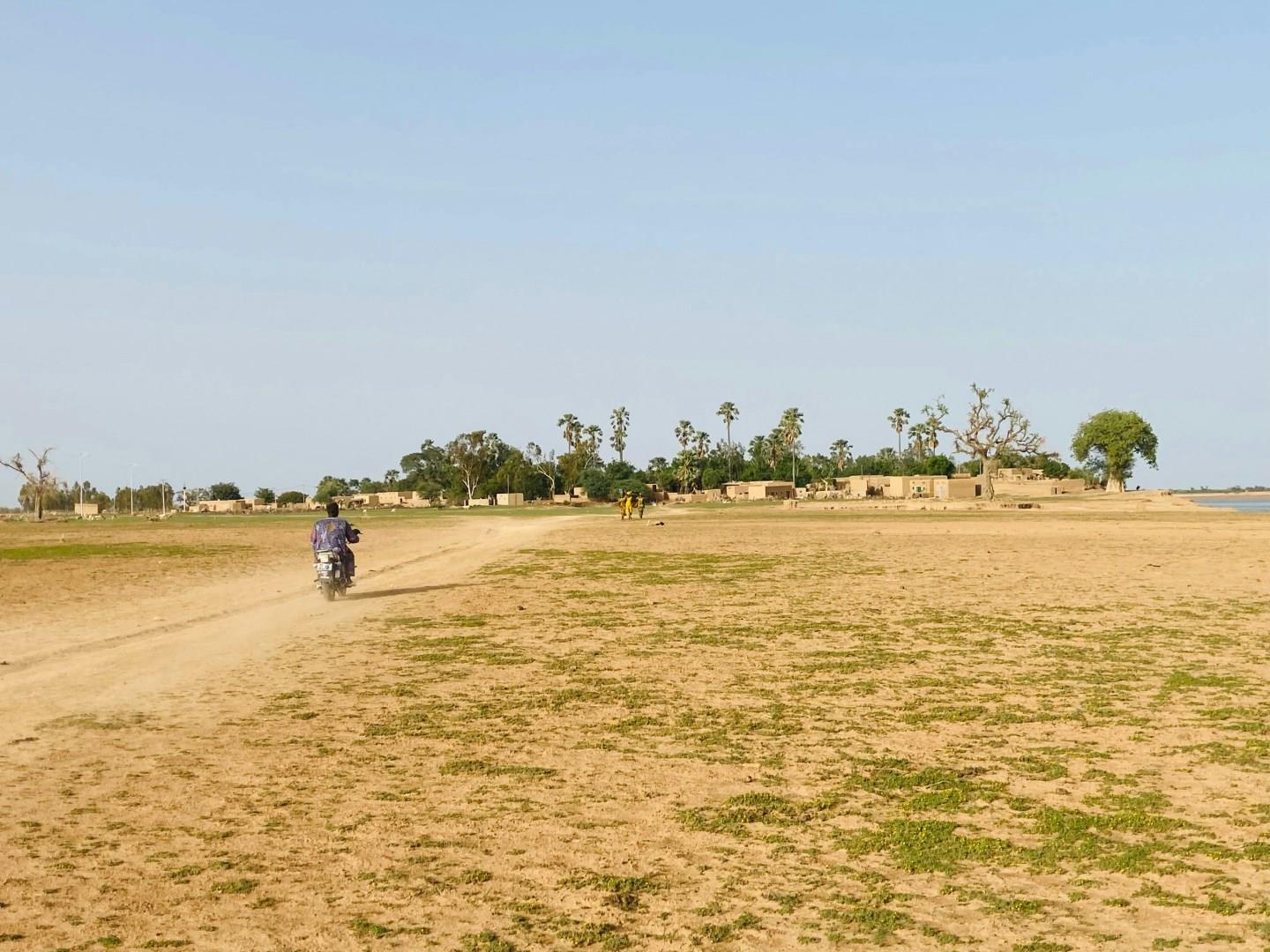
Mopti
Mopti, often called the “Venice of Mali,” sits at the point where the Bani and Niger rivers meet. This strategic location has made it an important trading hub for centuries, attracting merchants, fishermen, and travelers from across West Africa.

Dominica
Dominica, known as the “Nature Island of the Caribbean,” is a haven for eco-tourists and adventure seekers. Nestled between the French islands of Guadeloupe and Martinique, this lush island boasts a remarkable landscape of volcanic mountains, dense rainforests, and stunning waterfalls. Dominica’s most iconic natural wonder is the Boiling Lake, the second-largest hot spring in the world.
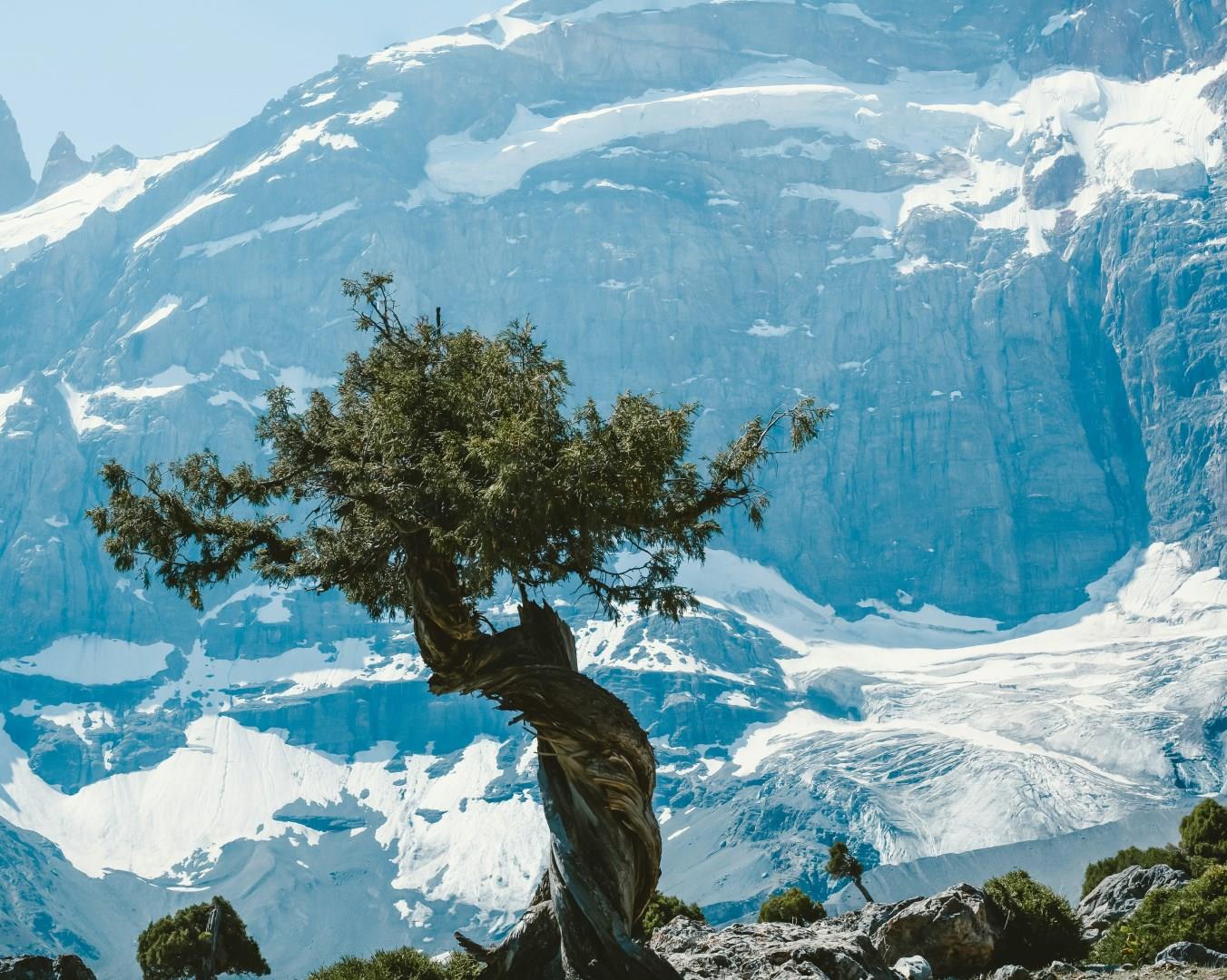
Tajikistan
Tajikistan, a landlocked country in Central Asia, is defined by its dramatic mountain landscapes, including the towering Pamir and Fann ranges. These rugged peaks and deep valleys create a striking backdrop for ancient Silk Road sites and traditional villages, reflecting the country’s historical importance as a crossroads of cultures.
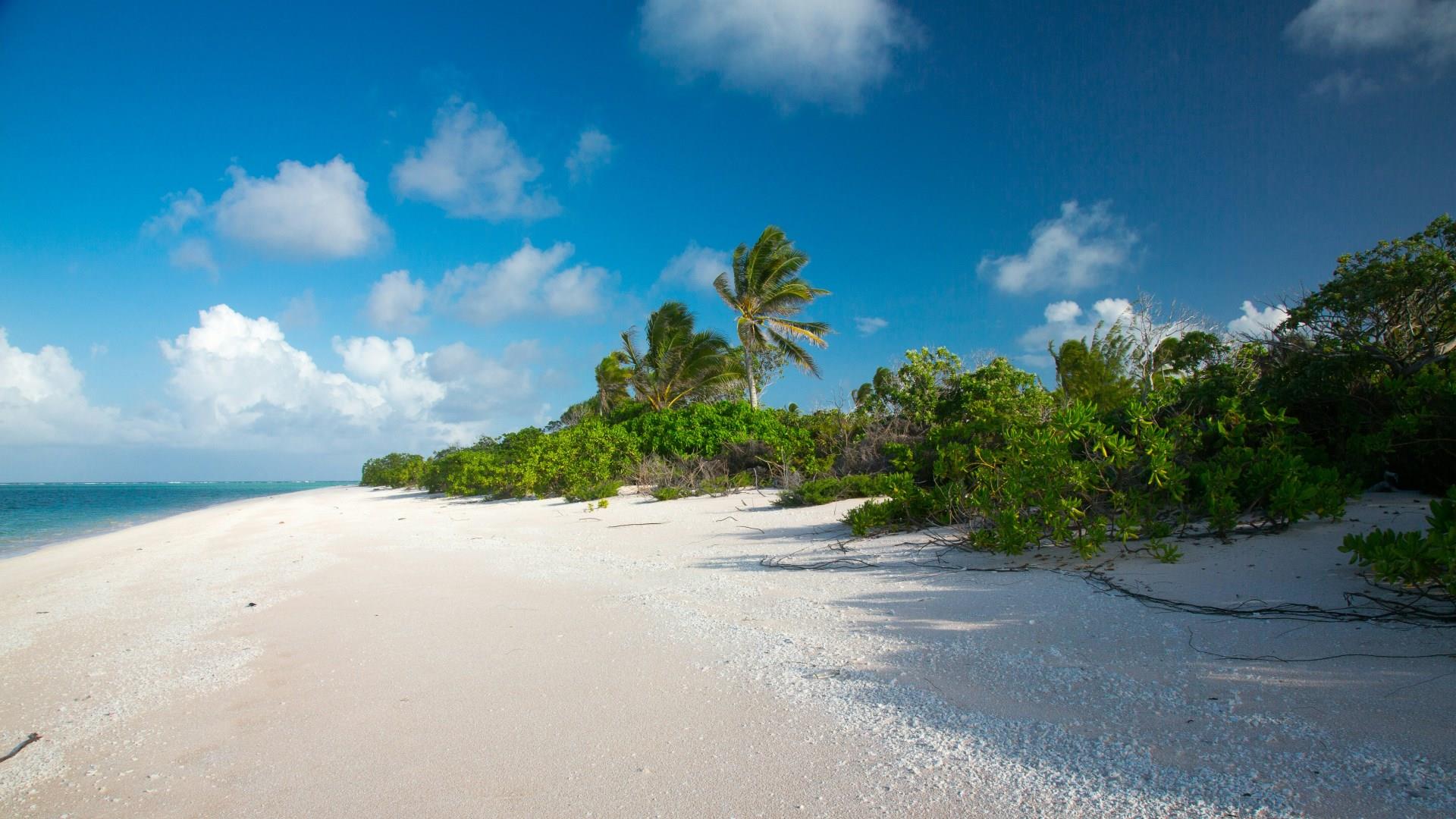
Bikini Atoll
Bikini Atoll, a remote ring of islands in the Marshall Islands, is one of the most sought-after wreck diving locations in the world. These underwater sites are preserved in a time capsule-like state, providing a rare look at history submerged in a silent world of coral and marine life.
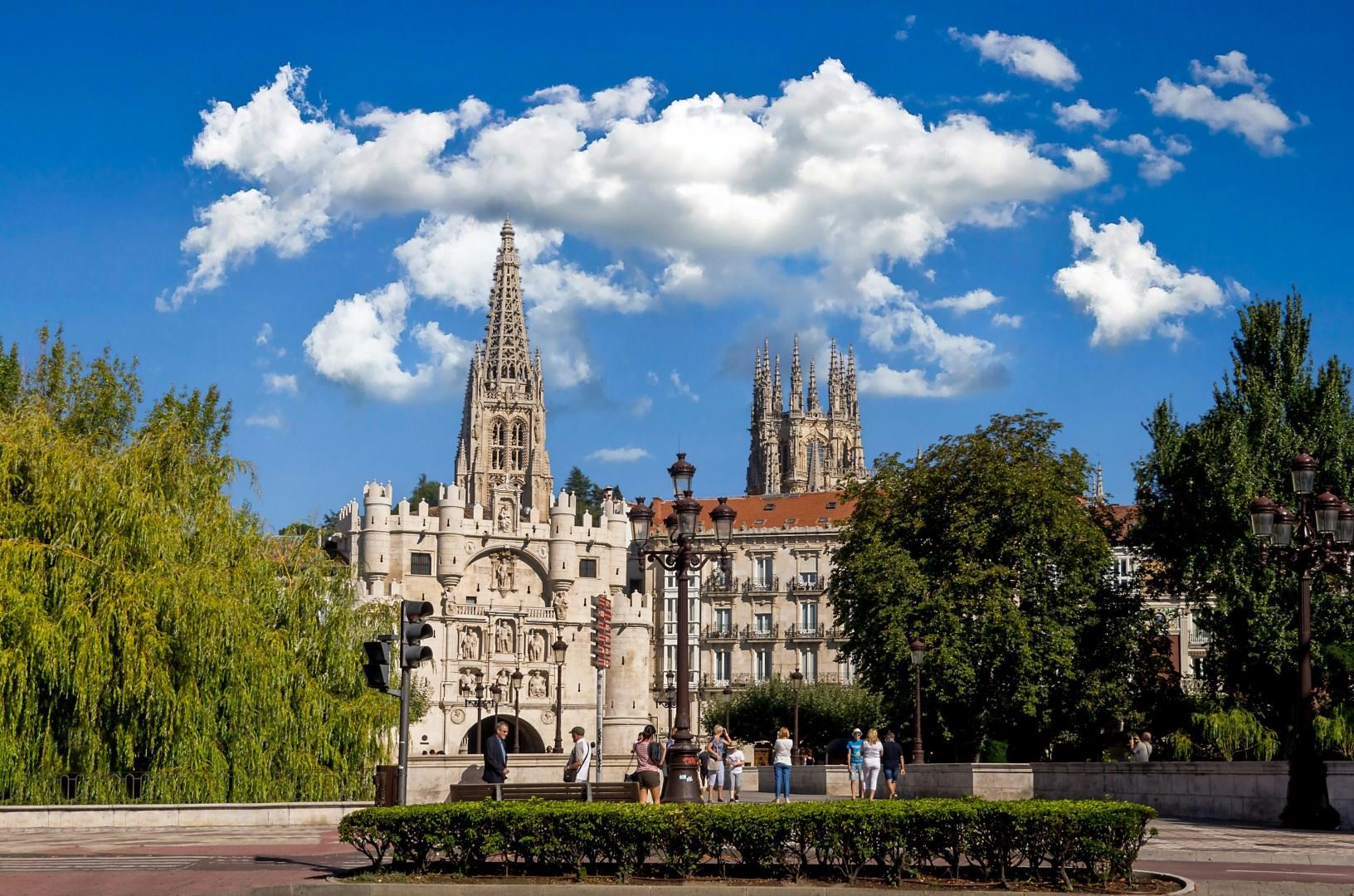
Burgos
Burgos, located in northern Spain, is a city where medieval heritage is still part of daily life. At its heart stands the Burgos Cathedral, a UNESCO World Heritage Site and one of the most striking examples of Gothic architecture in Europe. Construction began in 1221 and continued for over 300 years, resulting in a cathedral that features elaborate spires, stained glass, and the tomb of El Cid, Spain’s legendary military leader.
