

Cusco
Cusco once served as the heart of the Inca Empire, and that legacy still shapes every corner of the city even as it serves as a gateway to Machu Picchu. Outside the historic center, the ruins of Sacsayhuamán overlook the city from a nearby hilltop. This ceremonial complex is best known for its massive zigzag stone walls, some weighing over 100 tons. During the Inti Raymi festival in June, thousands gather here to reenact ancient Andean rituals.

Georgia
Georgia, nestled at the crossroads of Europe and Asia, is a country defined by dramatic landscapes, rich traditions, and a deep sense of history. The snow-capped Caucasus Mountains rise in the north, offering scenic hiking trails and ancient villages, while the Black Sea coastline in the west provides a warmer, more relaxed atmosphere.
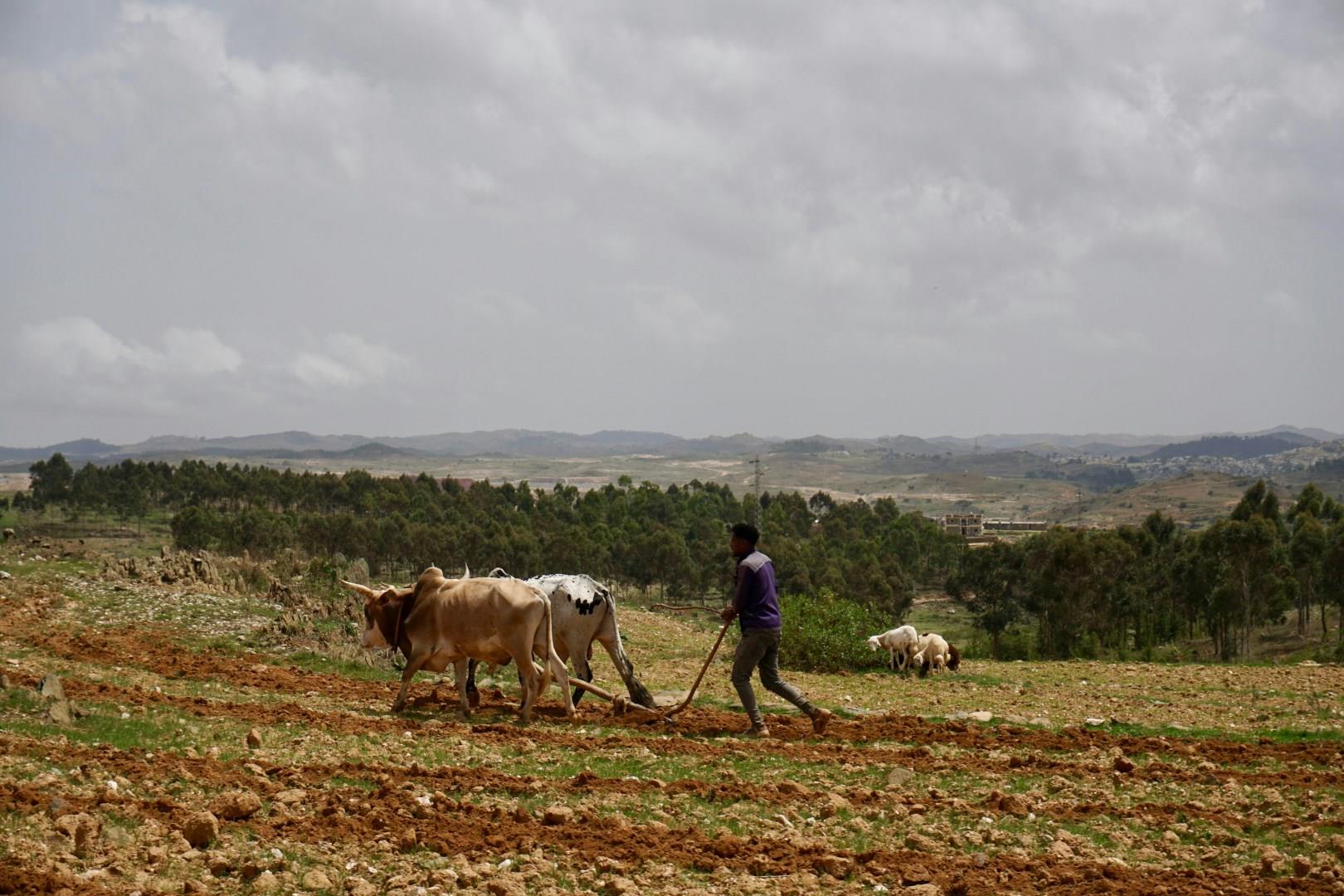
Asmara
Asmara, the capital of Eritrea, is a city where time seems to have paused in the mid-20th century. Known for its remarkably preserved Italian modernist architecture, the city has earned recognition as a UNESCO World Heritage Site.
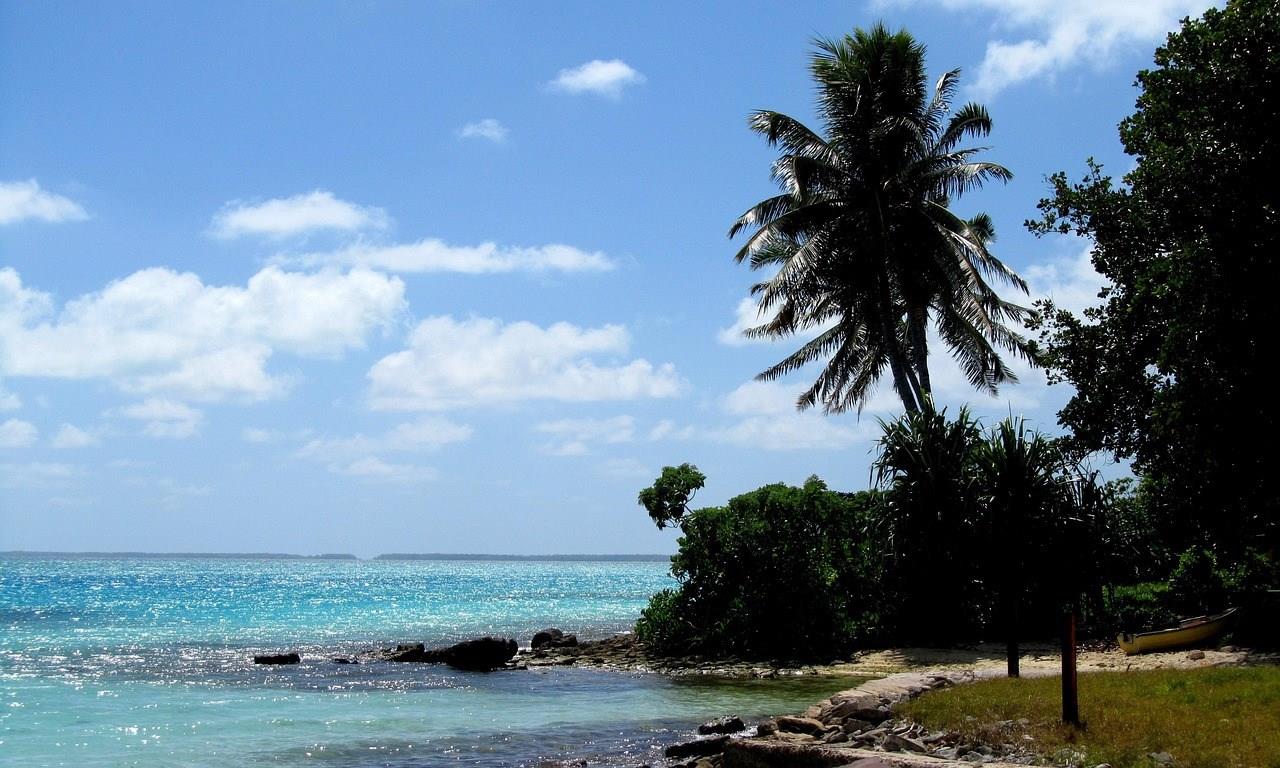
Fanning Island
Fanning Island, also known as Tabuaeran, is one of the Line Islands in the Republic of Kiribati. Sitting just four degrees north of the equator, this remote atoll is a rare find for travelers seeking raw, untouched Pacific beauty. With no large hotels or chain resorts, visitors often arrive by cruise or private yacht and are welcomed with coconut-leaf garlands and traditional songs.

Charleston
Charleston, South Carolina, is a gem of Southern charm and history, offering an immersive travel experience in a beautifully preserved city. Known for its cobblestone streets and antebellum architecture, Charleston's historic district is a living museum where visitors can stroll past colorful row houses and elegant mansions. Key landmarks include the Battery and Rainbow Row, a series of pastel-colored houses that are among the city's most photographed sites.
