

Sicily
Sicily, the largest island in the Mediterranean, is a captivating blend of ancient history, stunning landscapes, and vibrant culture. The island’s rich past is evident in its archaeological treasures, with Greek, Roman, Arab, and Norman influences shaping its architecture and traditions. The Valley of the Temples in Agrigento is a must-visit for history lovers, where you can wander among some of the best-preserved Greek temples outside of Greece.

Newcastle
Newcastle is the capital of the Hunter Valley Region, in New South Wales. Lakes, beaches, rivers and bays, combine with lush countryside to make the Hunter region surrounding Newcastle almost unlimited in its appeal.
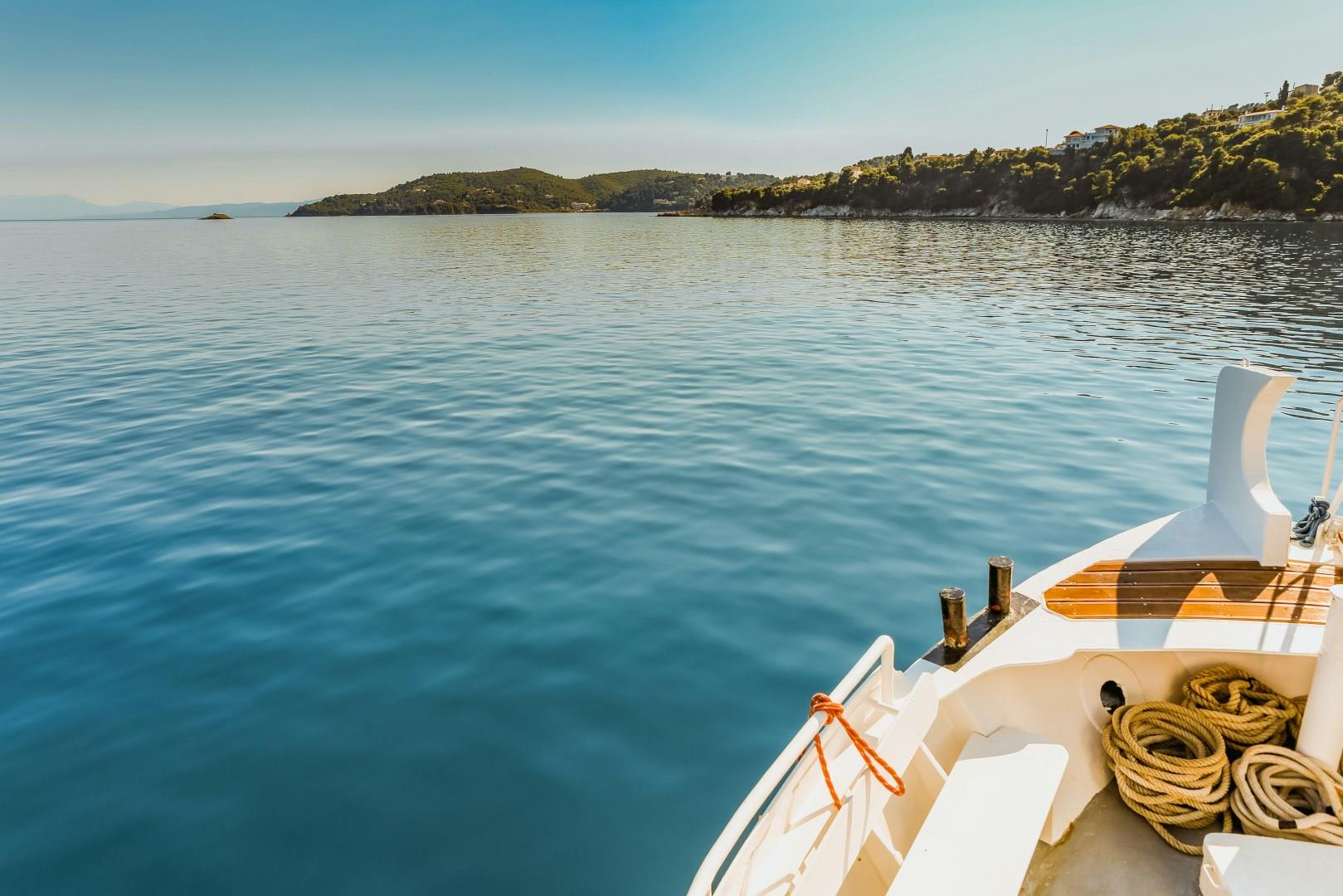
Skíathos
Skiathos, a gem in the Aegean Sea, is one of Greece's most enchanting islands. Known for its stunning beaches, vibrant nightlife, and lush landscapes, Skiathos is a must-visit for travelers seeking both relaxation and adventure. The island boasts over 60 sandy beaches, with Koukounaries Beach standing out as one of the most beautiful, surrounded by a dense pine forest that creates a unique blend of sea and greenery.

St. Barthelemy
St. Barthélemy, often called St. Barts, is a small French Caribbean island known for its blend of natural beauty, refined luxury, and vibrant culture.

Catalina Island
Catalina Island, just 22 miles off the Southern California coast, offers a perfect blend of adventure, relaxation, and natural beauty. Known for its crystal-clear waters and Mediterranean-like climate, Catalina is a haven for outdoor enthusiasts and leisure seekers alike. Avalon, the island’s primary town, charms visitors with its colorful architecture, boutique shops, and vibrant waterfront.
