

Viñales
Nestled in the lush landscapes of western Cuba, Viñales offers an enchanting escape into a world where time seems to slow down amidst breathtaking natural beauty. Renowned for its striking limestone formations, known as mogotes, the Viñales Valley is a UNESCO World Heritage Site and a paradise for nature enthusiasts. The valley's dramatic scenery provides an ideal backdrop for hiking, horseback riding, and exploring underground caves like the Cueva del Indio.
Piti
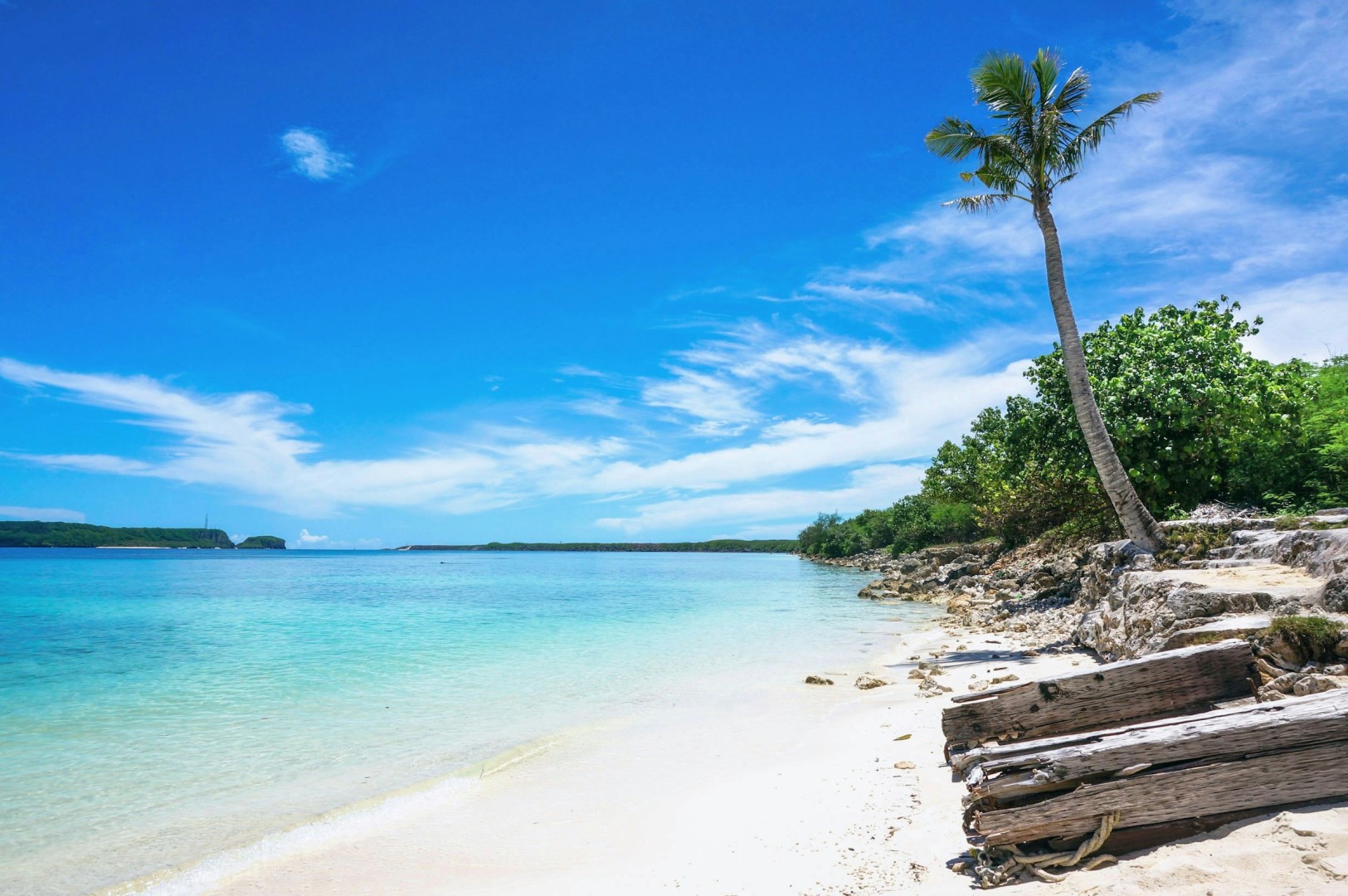
Piti is a coastal village on the western side of Guam, located around Apra Harbor and the island’s central western shoreline. Its landscape includes limestone hills, mangrove areas, coral reefs, and sheltered coastal waters, while the village itself contains residential neighborhoods, historic sites, and small commercial areas.
Grenoble
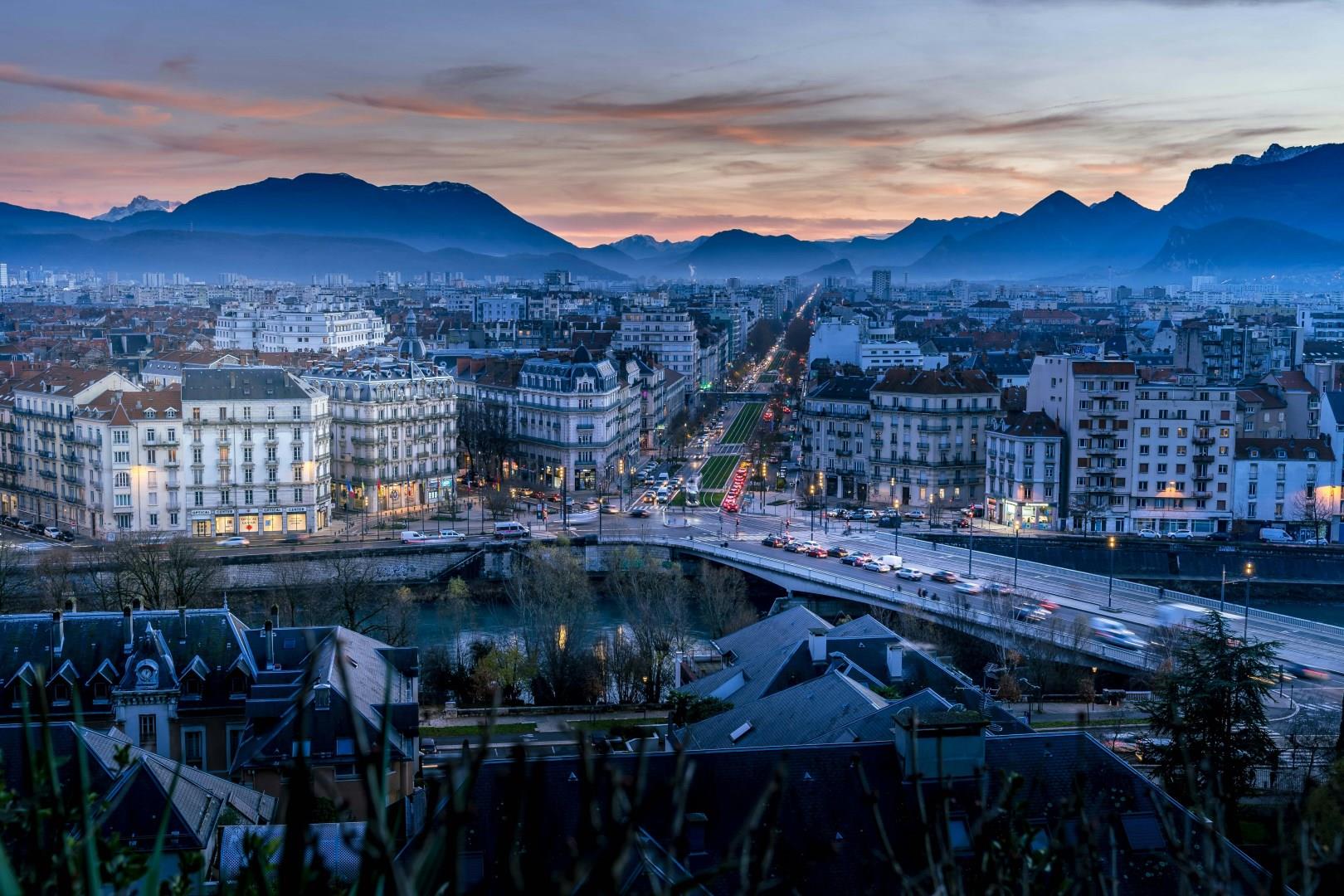
Grenoble sits at the meeting point of three Alpine mountain ranges in southeastern France, giving it a setting that feels both dramatic and lived-in. With origins dating back to Roman times, the city has long been a crossroads of trade, science, and political thought.
Boumalne Dades
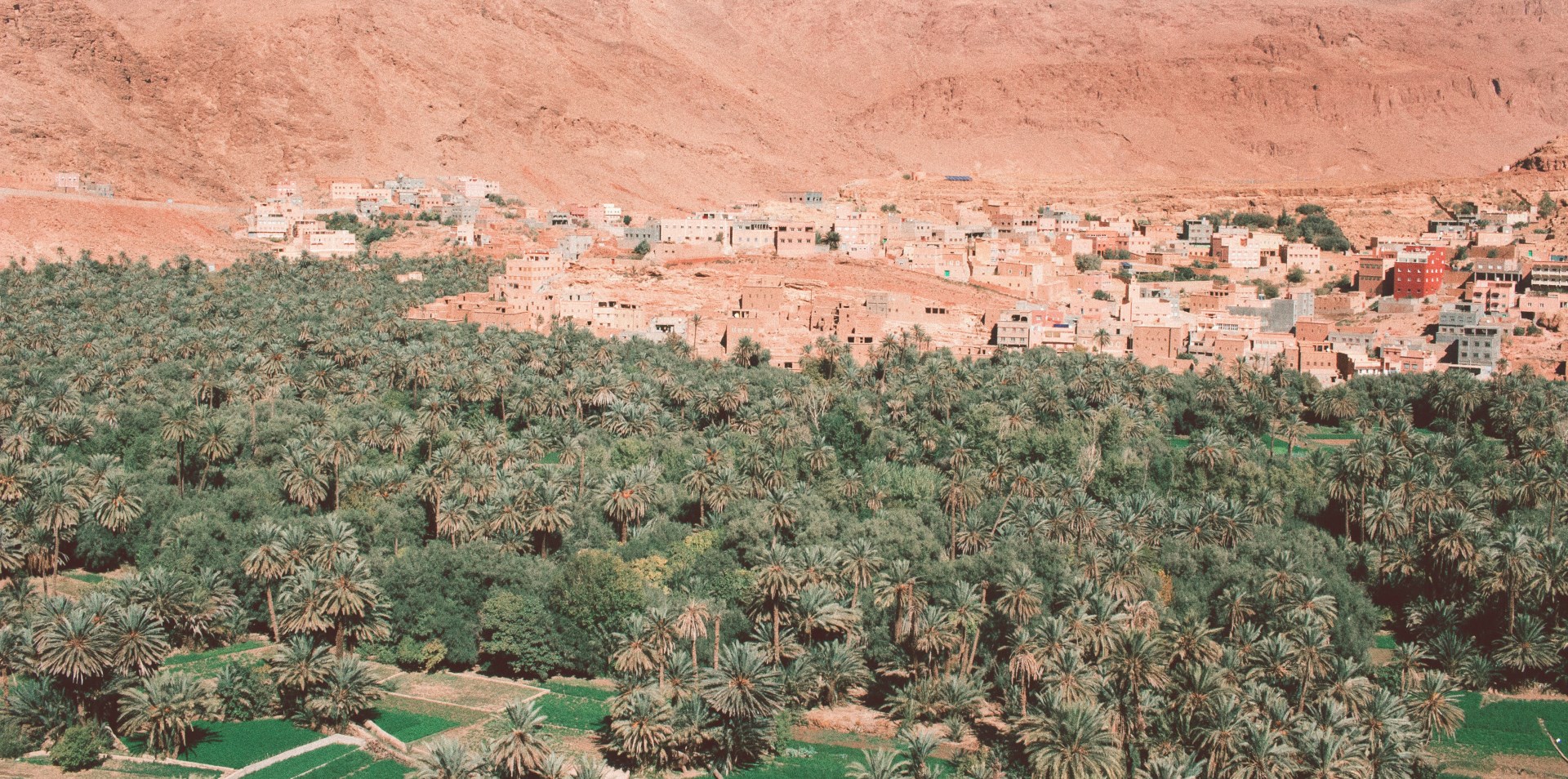
At the edge of the High Atlas Mountains, Boumalne Dades stands as a gateway to one of Morocco’s most striking landscapes. The town stretches along a broad valley where the Dades River cuts through layers of red and ochre rock. This setting creates a dramatic backdrop that shifts in color throughout the day. Travelers often arrive here as a stopping point, but many stay longer after discovering the slower rhythm of village life and the easy access to nearby valleys and gorges.

Huaraz
Huaraz is an Andean city in Peru’s Áncash Region, situated in the Callejón de Huaylas between the Cordillera Blanca and Cordillera Negra. At more than 3,000 meters above sea level, it is an important regional center and a principal base for exploring the mountains, lakes, and valleys of the surrounding highlands. The city combines a busy central area with traditional neighborhoods, markets, restaurants, and views toward the snow-covered peaks of the Cordillera Blanca.
