Dominica
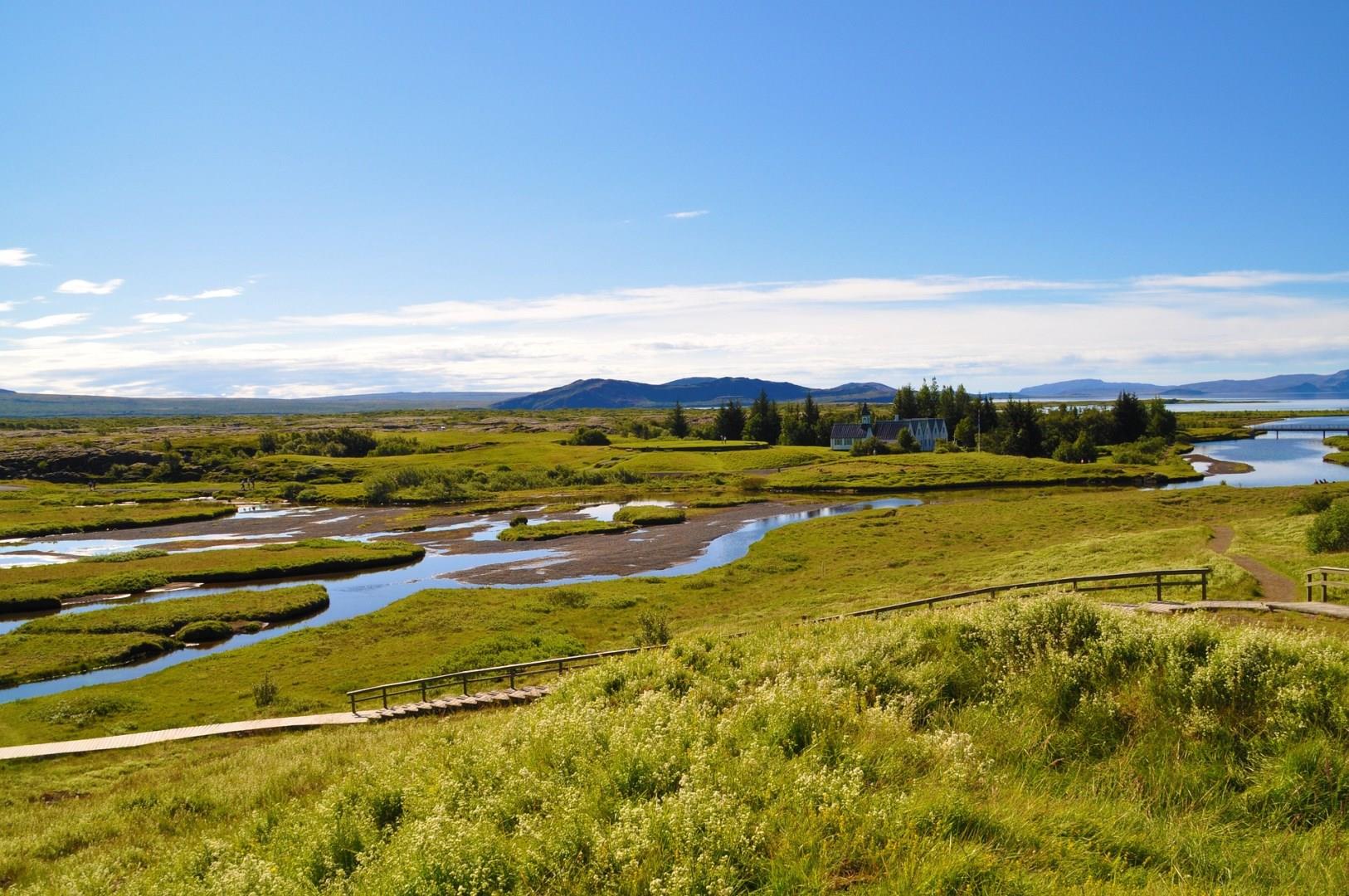
Dominica, known as the “Nature Island of the Caribbean,” is a haven for eco-tourists and adventure seekers. Nestled between the French islands of Guadeloupe and Martinique, this lush island boasts a remarkable landscape of volcanic mountains, dense rainforests, and stunning waterfalls. Dominica’s most iconic natural wonder is the Boiling Lake, the second-largest hot spring in the world.

Motril
Motril, Spain, is located near the Guadalfeo River on the Mediterranean coast in the province of Granada. Sugar cane refineries form the backbone of Motril's economy, though tourism is also an essential industry.

Puebla
Puebla, a city nestled in the heart of Mexico, is a captivating blend of colonial charm, vibrant culture, and rich history. Known as the "City of Angels," Puebla's well-preserved historic center is a UNESCO World Heritage site, filled with stunning baroque architecture, colorful tiled buildings, and bustling markets. Puebla is also a haven for food lovers, celebrated as the birthplace of some of Mexico’s most iconic dishes.

Makarska
Makarska, nestled along the stunning Dalmatian Coast of Croatia, is a gem that blends natural beauty with vibrant culture. The town is renowned for its picturesque setting between the Biokovo Mountain range and the azure waters of the Adriatic Sea. The Makarska Riviera boasts some of Croatia's most beautiful beaches, such as Punta Rata, known for its fine pebbles and crystal-clear water.
Devon
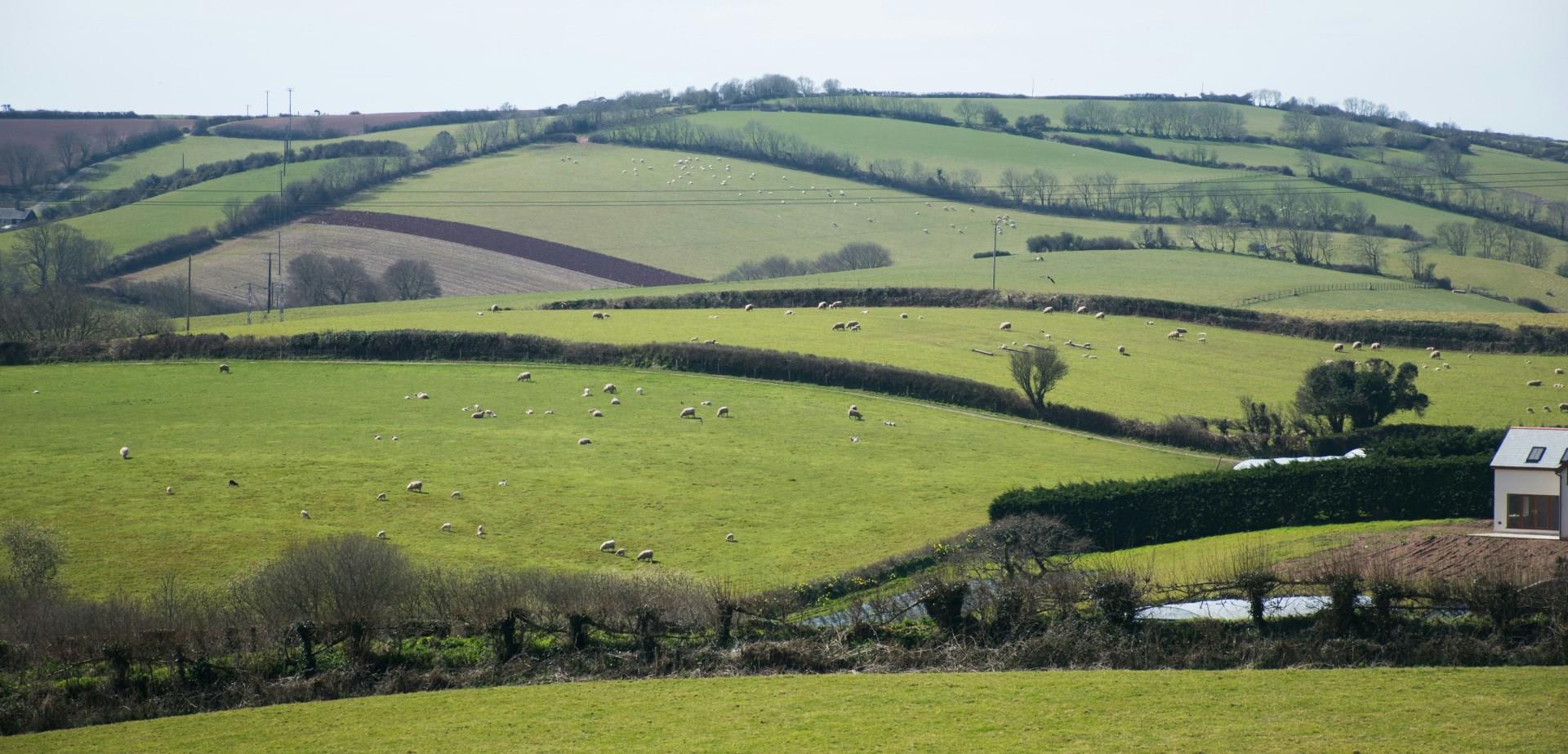
Devon occupies England’s southwest peninsula, a county shaped by seafaring, farming, and long continuity of settlement. Its history stretches from prehistoric sites on Dartmoor through Roman roads and medieval ports to towns that grew wealthy on trade and shipbuilding.