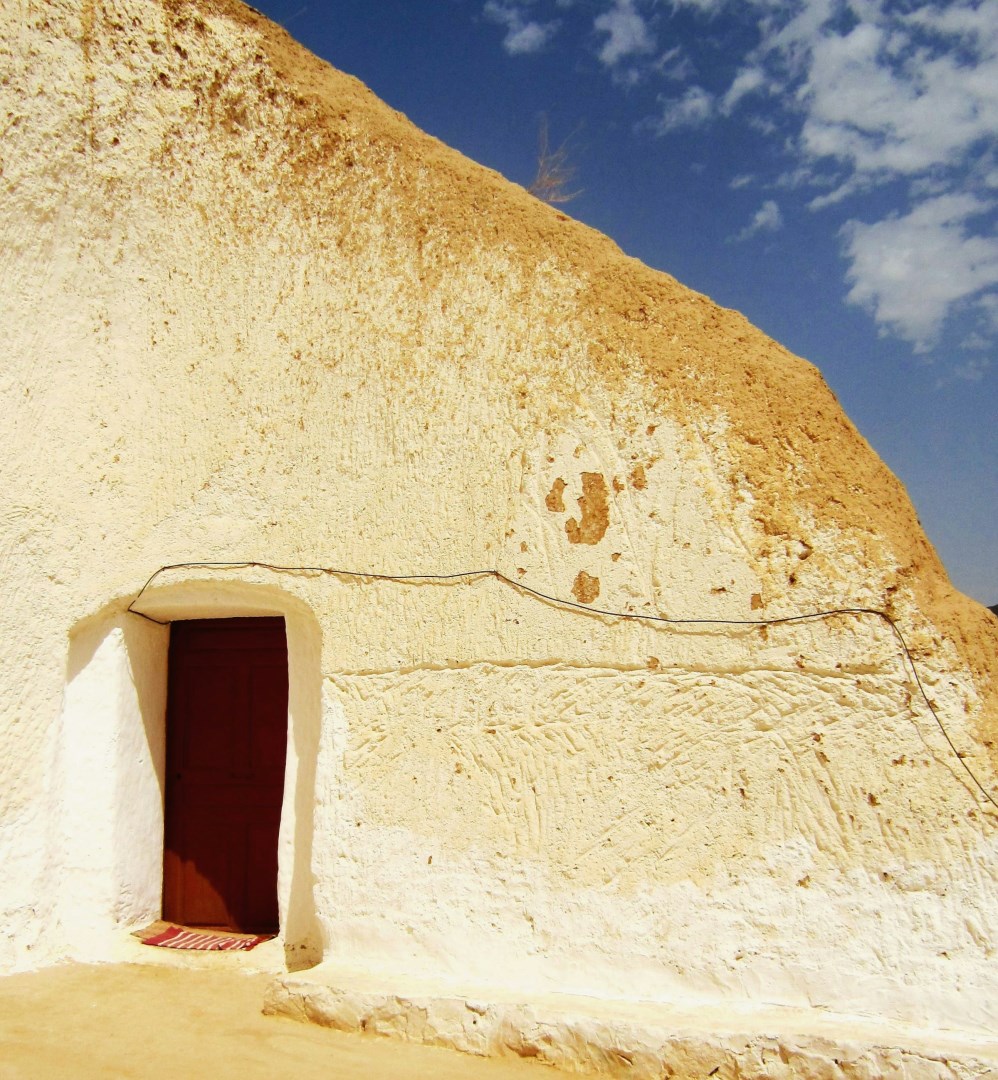
Douz is a town in southern Tunisia on the edge of the Sahara, where date-palm oases meet the dunes of the Grand Erg Oriental. The town is often regarded as a gateway to the sandy desert, with dunes beginning close to the built-up area and extending toward the wider Sahara. Palm groves provide a strong contrast to the surrounding dry landscape, while nearby Chott el-Jerid forms a vast salt depression with bright mineral surfaces and mirages.
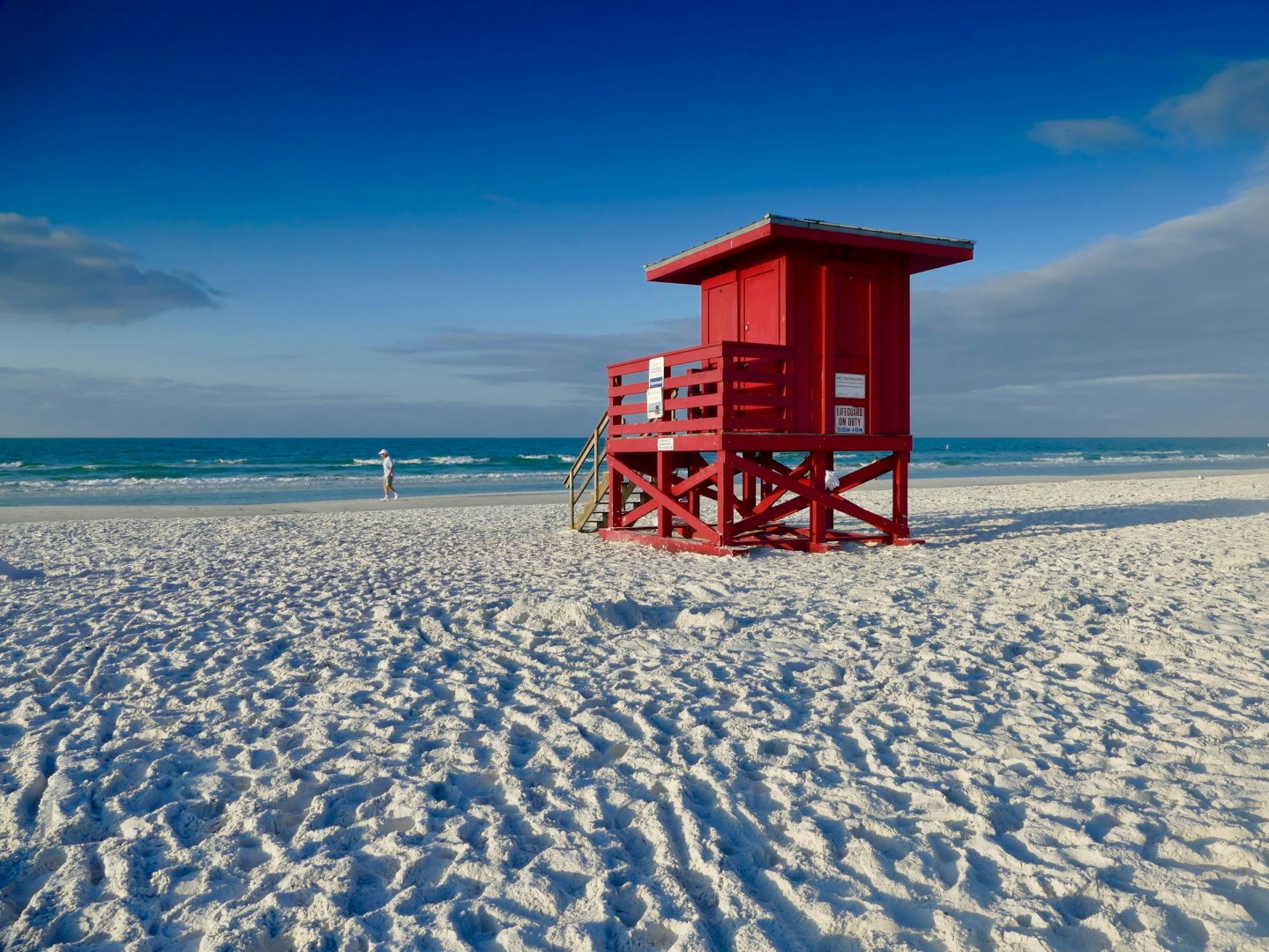
Siesta Key is a barrier island off Sarasota on Florida’s Gulf Coast, known for its broad beaches and unusually fine quartz-crystal sand. Siesta Beach is the island’s best-known public beach, with a wide shoreline, shallow Gulf waters and facilities that include concessions, parking and beach access. The island is more than a beach destination, with Siesta Key Village providing a compact center of restaurants, shops and casual entertainment.
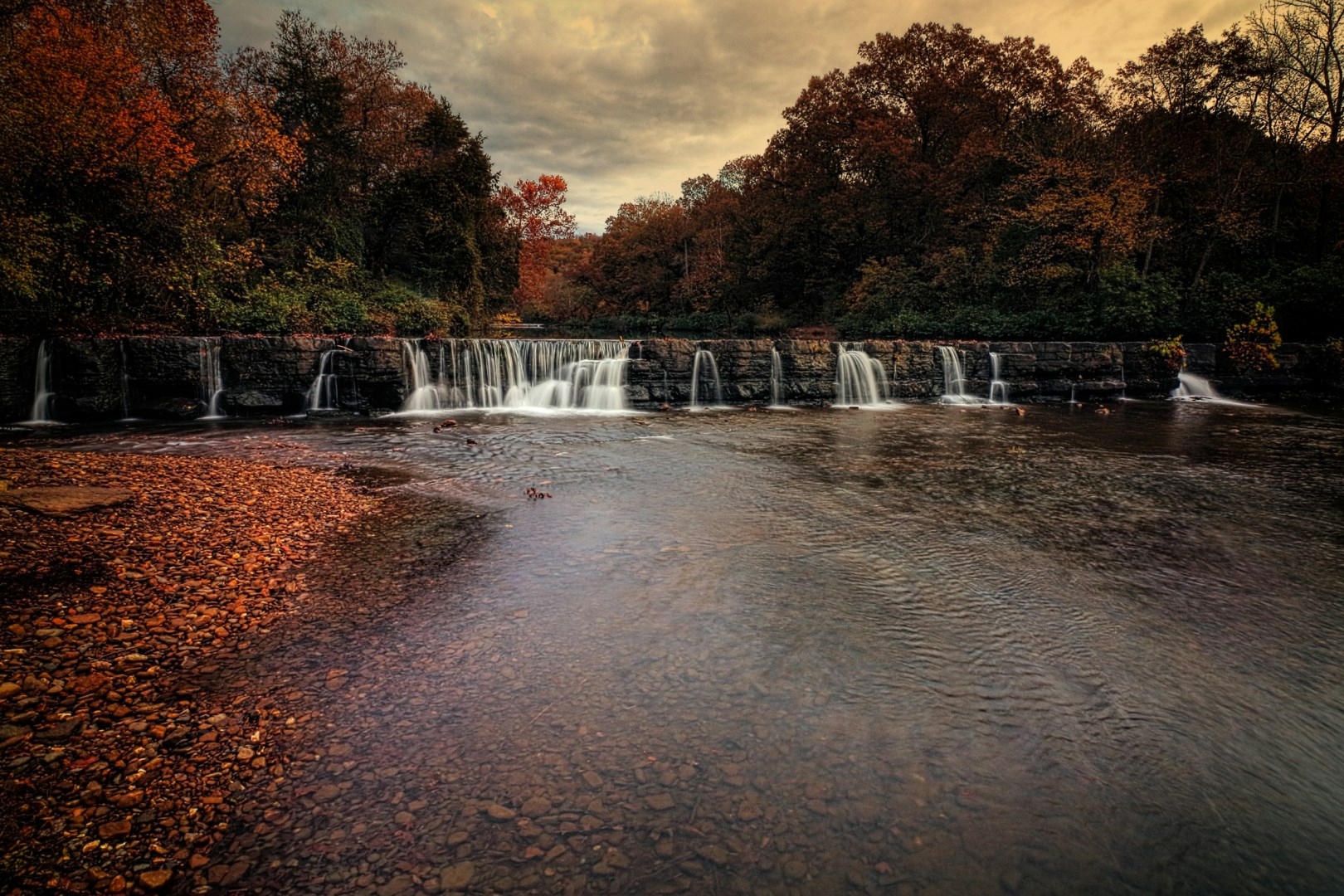
Van Buren is a historic river city in western Arkansas, situated along the Arkansas River near the foothills of the Ozark Mountains. Its location has long connected the community with river travel, railroads, and routes through the Arkansas River Valley. Downtown Van Buren is particularly distinctive, with six blocks of restored buildings forming the Main Street National Historic District.
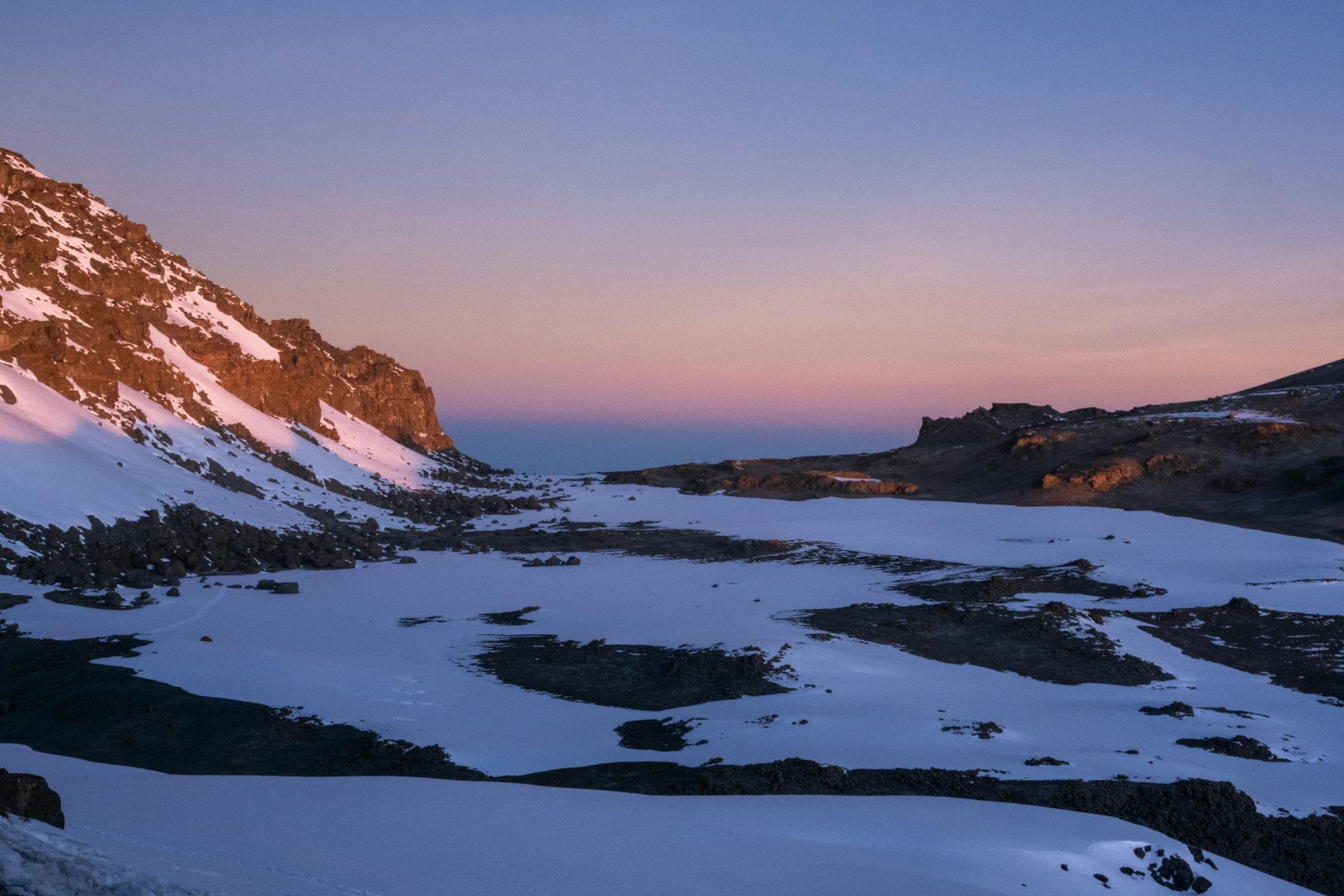
Uhuru Peak is the highest point on Mount Kilimanjaro in northern Tanzania, reaching 5,895 metres above sea level. It stands on Kibo, the mountain’s highest volcanic cone, and forms the summit of the highest free-standing mountain in the world. The route to the peak passes through several distinct ecological zones, beginning with cultivated land and montane forest before reaching moorland, alpine desert, and the high-altitude summit zone.
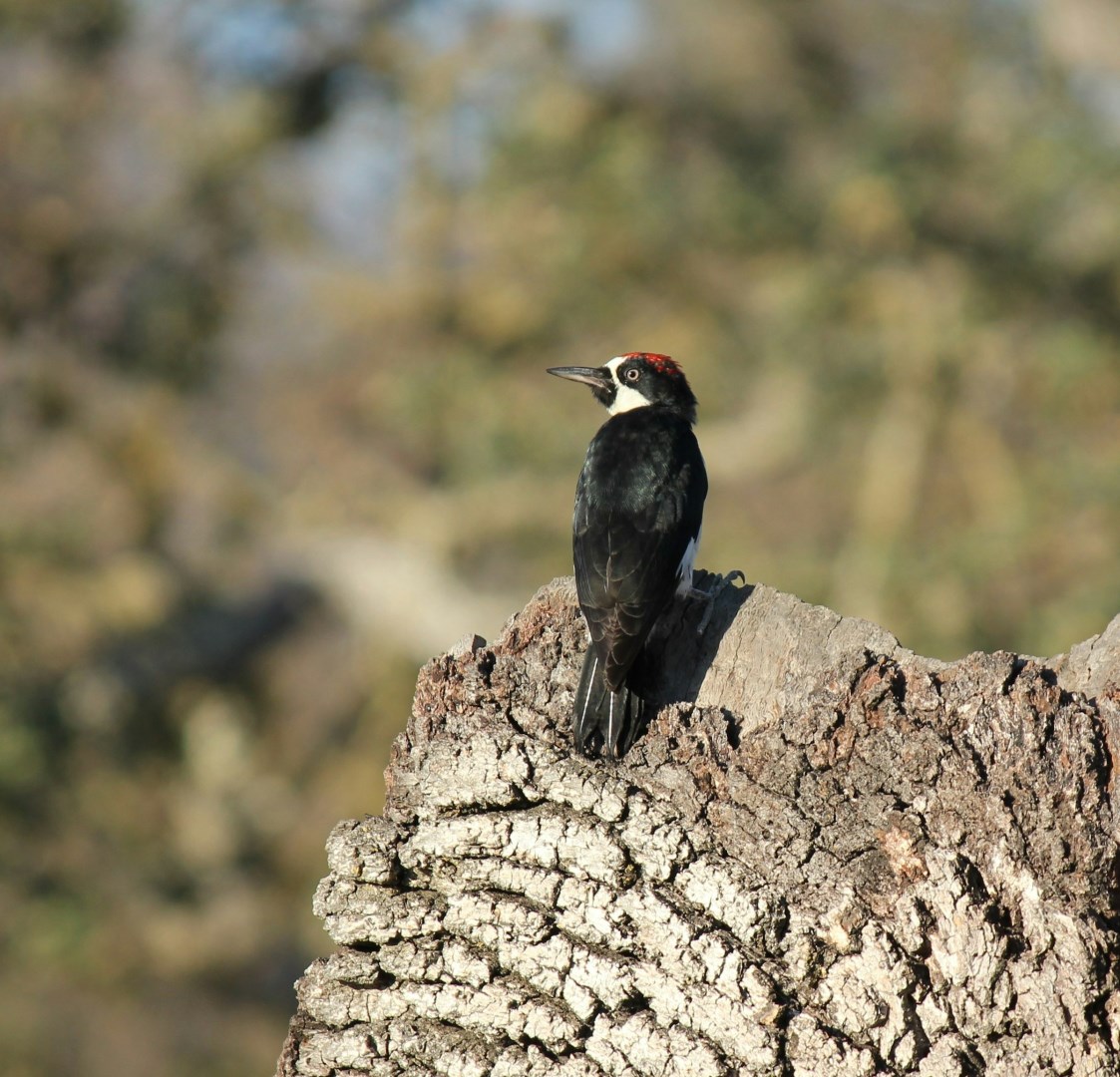
Located south of San Francisco, California, this area is known as the "Silicon Valley" because of the concentration of computer companies. It is also home to Great American amusement park.
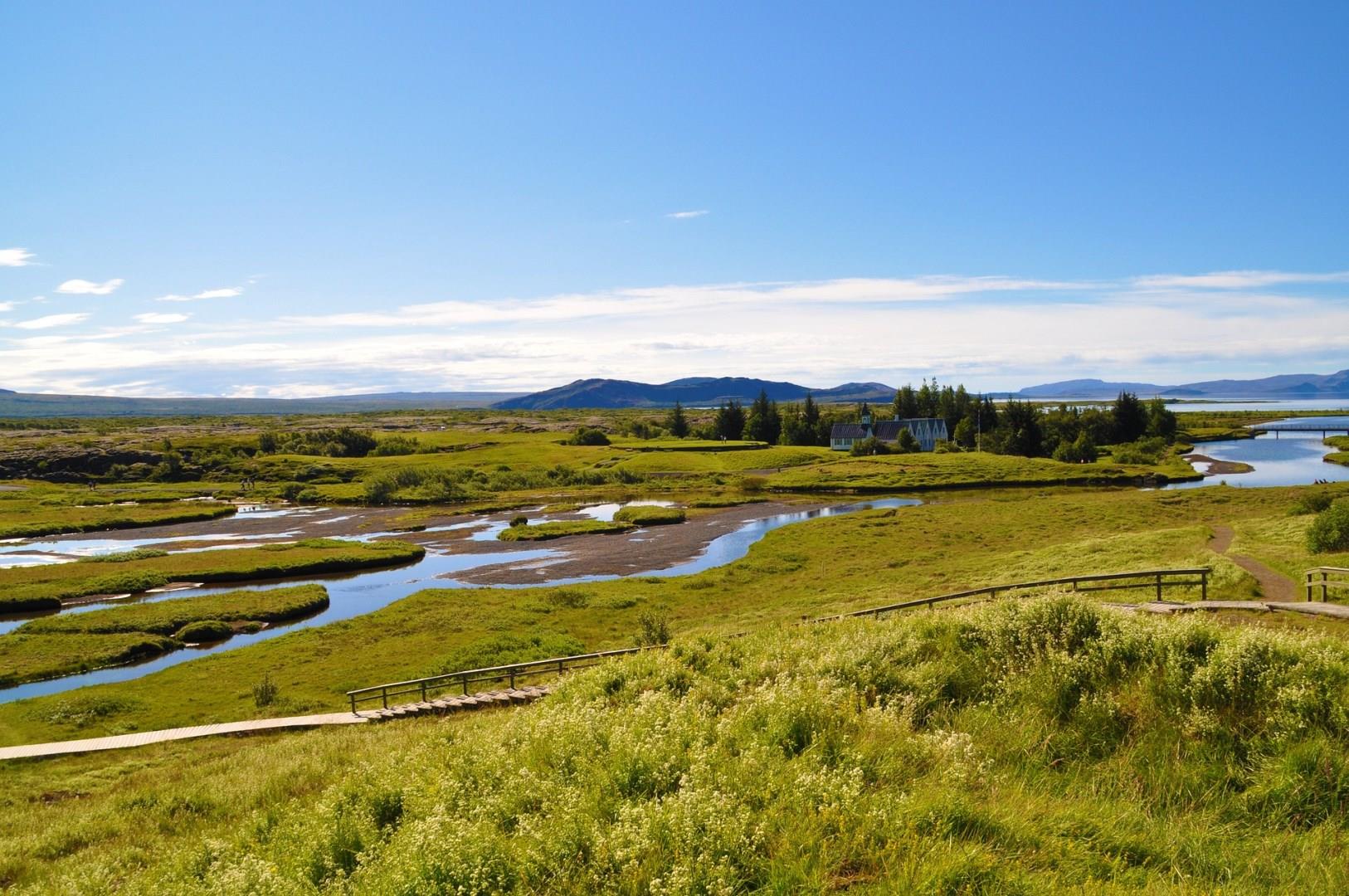
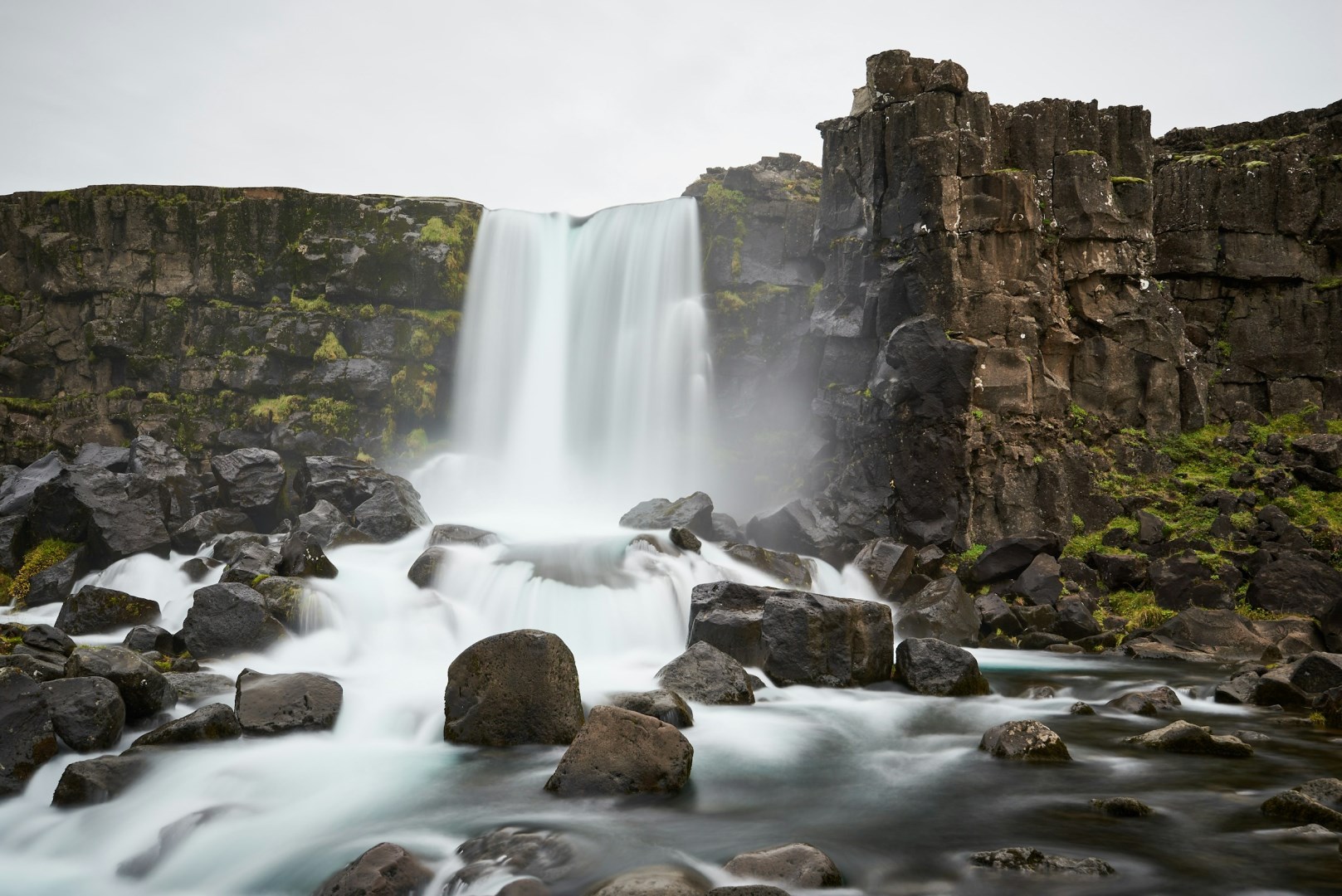
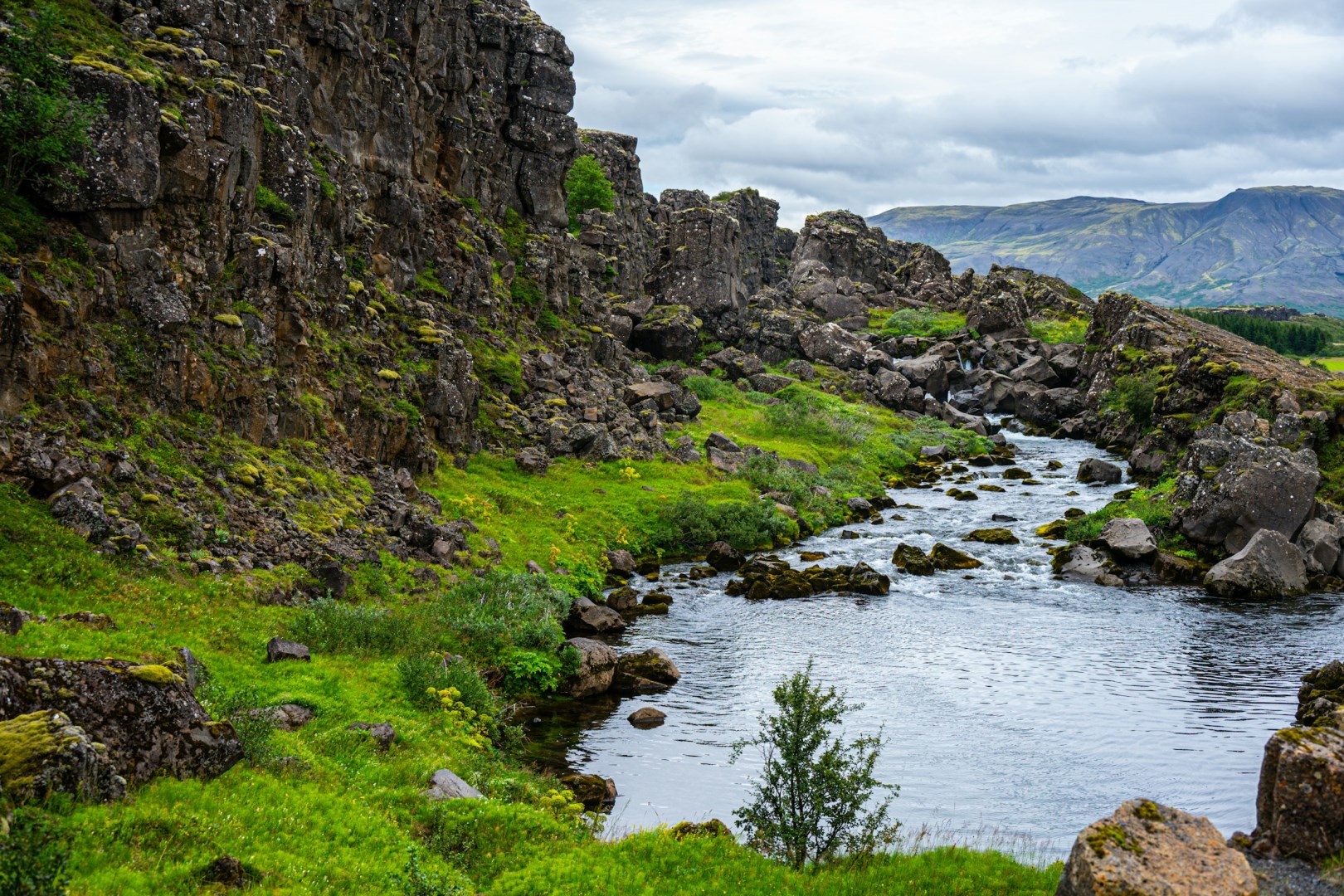
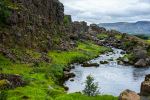
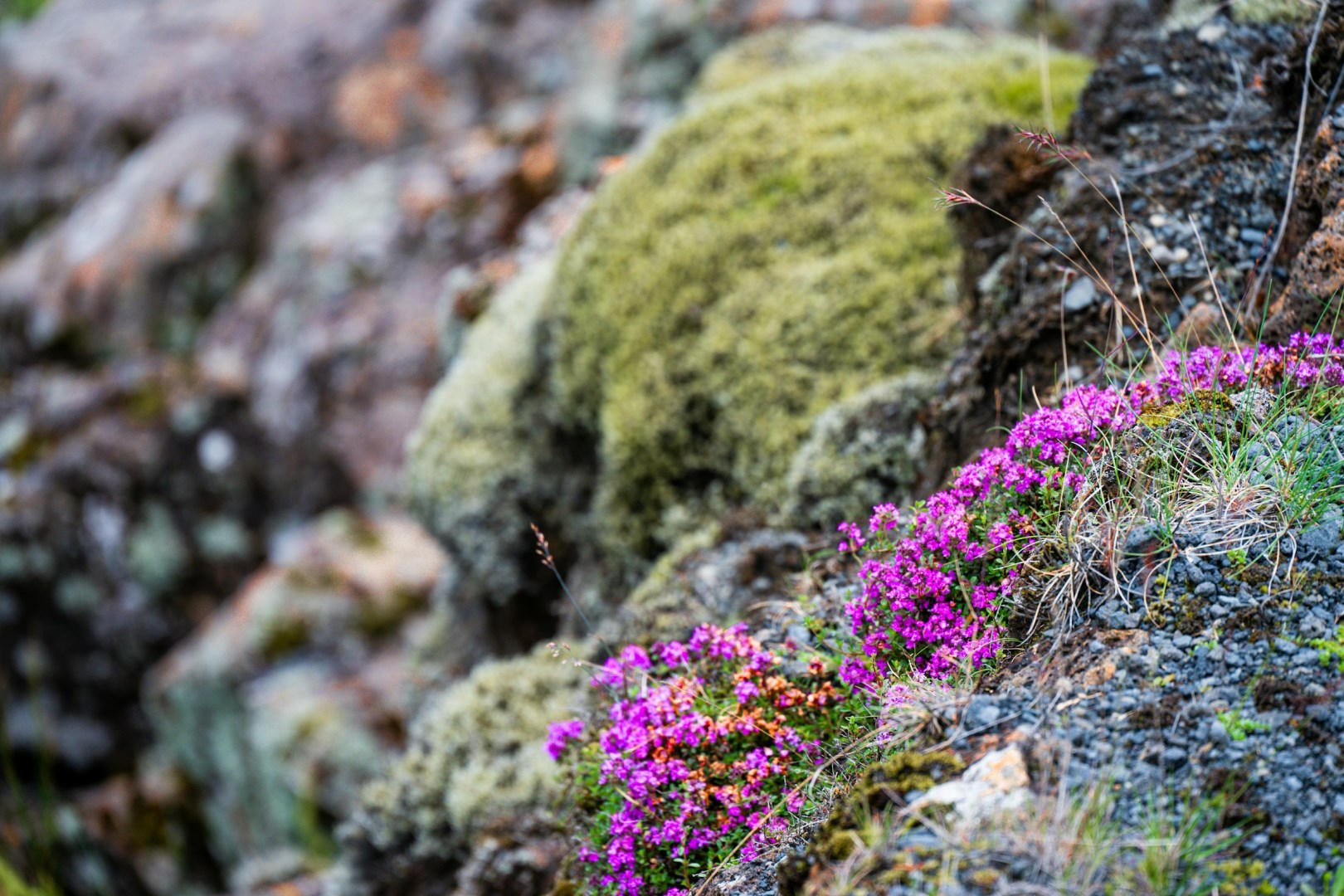
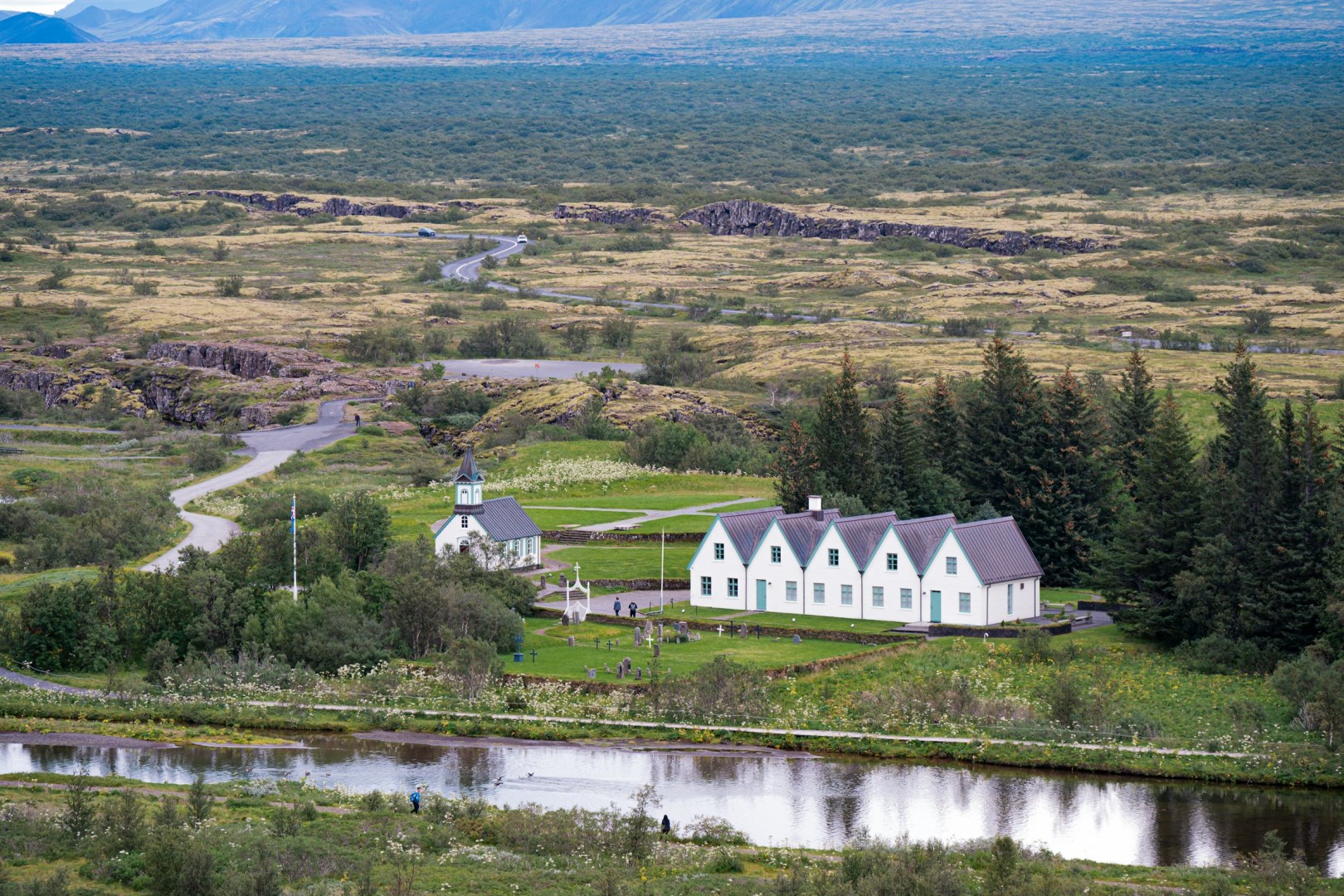
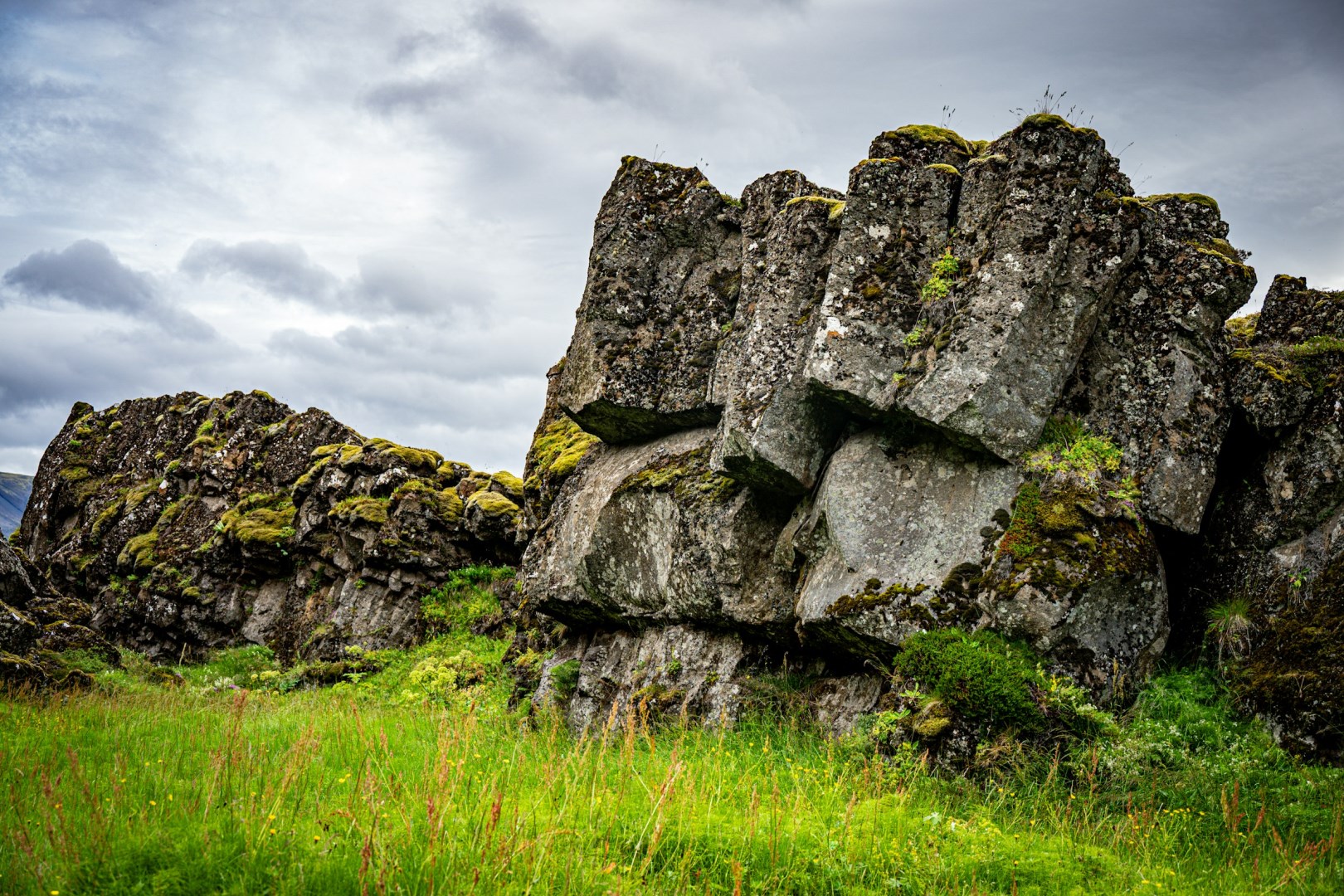
Thingvellir, a captivating site in Iceland, seamlessly combines natural beauty and historical significance. Located in the Thingvellir National Park, this UNESCO World Heritage Site is a geological wonder where the North American and Eurasian tectonic plates meet. The dramatic landscape features rift valleys and stunning volcanic formations, making it a paradise for hikers and nature enthusiasts. The park is also home to Þingvallavatn, Iceland’s largest natural lake, which offers serene views and opportunities for fishing and kayaking.
Historically, Thingvellir holds great importance as the site of Iceland's first parliament, the Althing, established in 930 AD. This ancient assembly was a significant center for Icelandic democracy and lawmaking, where chieftains gathered annually to settle disputes and create laws. Visitors can explore the ruins of the original site and learn about Iceland’s early governance at the Thingvellir Visitor Centre.
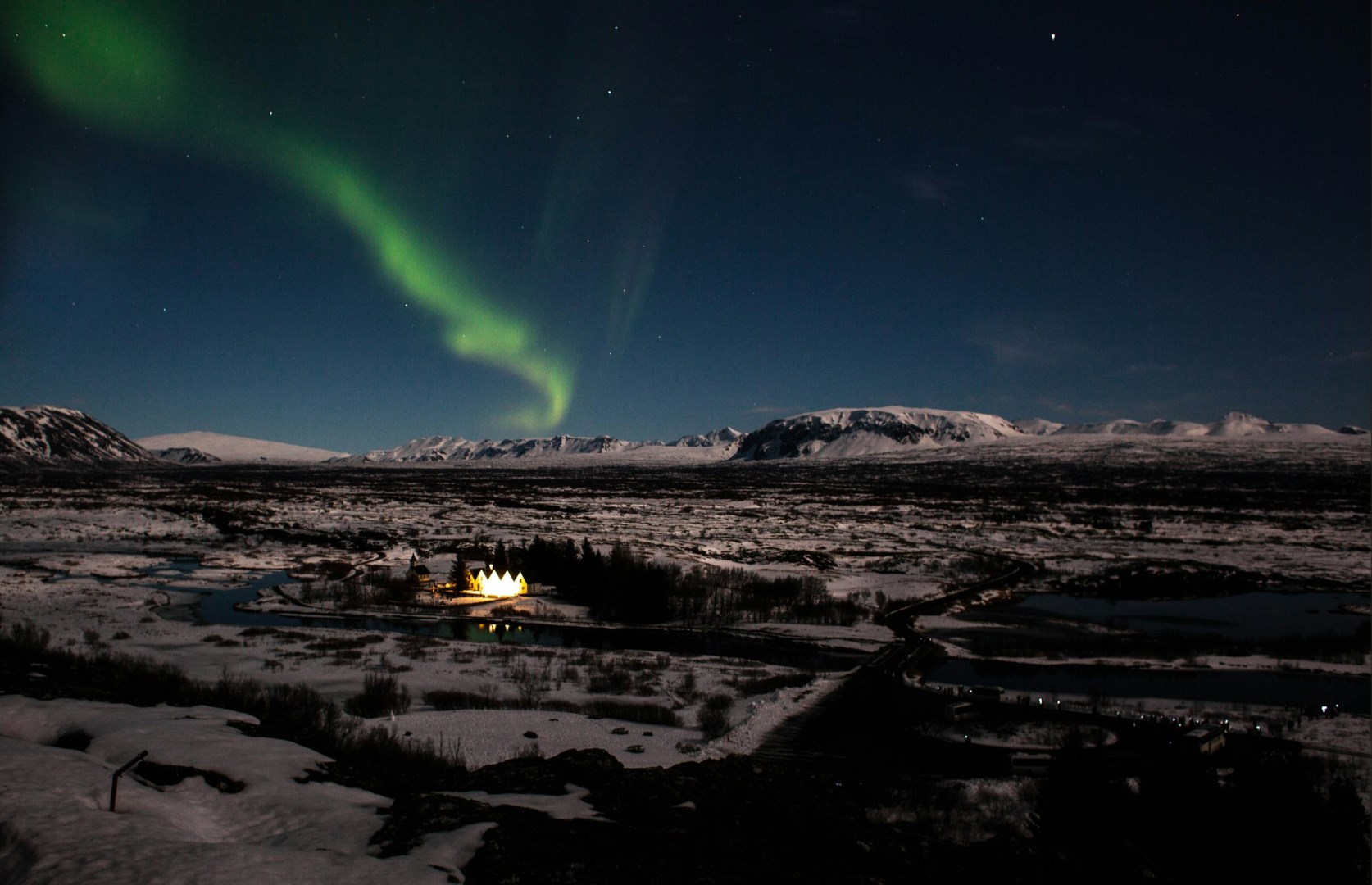
A visit to Thingvellir offers a unique blend of natural splendor and historical intrigue. The park is part of the Golden Circle route, which includes other iconic Icelandic sites such as Geysir and Gullfoss waterfall. In addition to its historical and geological attractions, Thingvellir is a prime location for viewing the Northern Lights during winter months. The park’s low light pollution and expansive views make it an ideal spot for this breathtaking natural phenomenon.
Fun fact: Thingvellir is one of the few places in the world where you can literally walk between two tectonic plates. The Silfra fissure within the park offers a unique snorkeling experience where you can swim between these two plates, immersing yourself in crystal-clear glacial water.
Other Popular Destinations in Iceland
Reykjavik
On coastal Iceland, the globe's northernmost capital, Reykjavík, invites visitors to discover its unique charms. Iceland is rife with natural wonders: geysers, geothermic spas, waterfalls and the spectacular Northern Lights. Reykjavik, dating back to 870 AD, offers world-class museums, restaurants, shopping and nightlife.
Akureyri
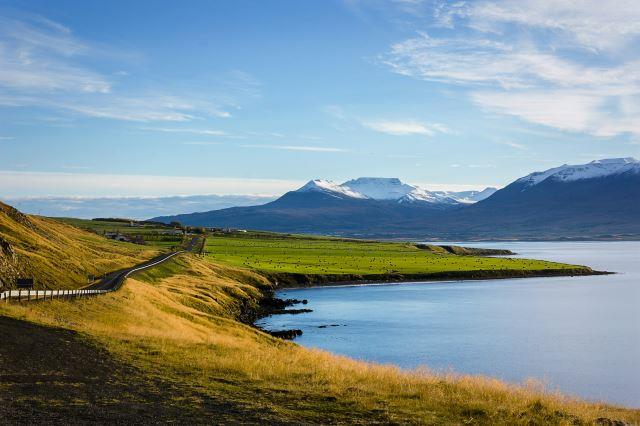
Akureyri, often referred to as the capital of North Iceland, offers travelers a distinct experience shaped by its Arctic location and rich local culture. Nestled at the base of Eyjafjörður fjord, the town has served as a trading center since the 1600s and continues to thrive with a mix of fishing, arts, and tourism. Within a few hours’ drive, visitors can reach the geothermal fields of Hverir, the volcanic craters at Lake Mývatn, and the powerful Goðafoss waterfall.