Augsburg
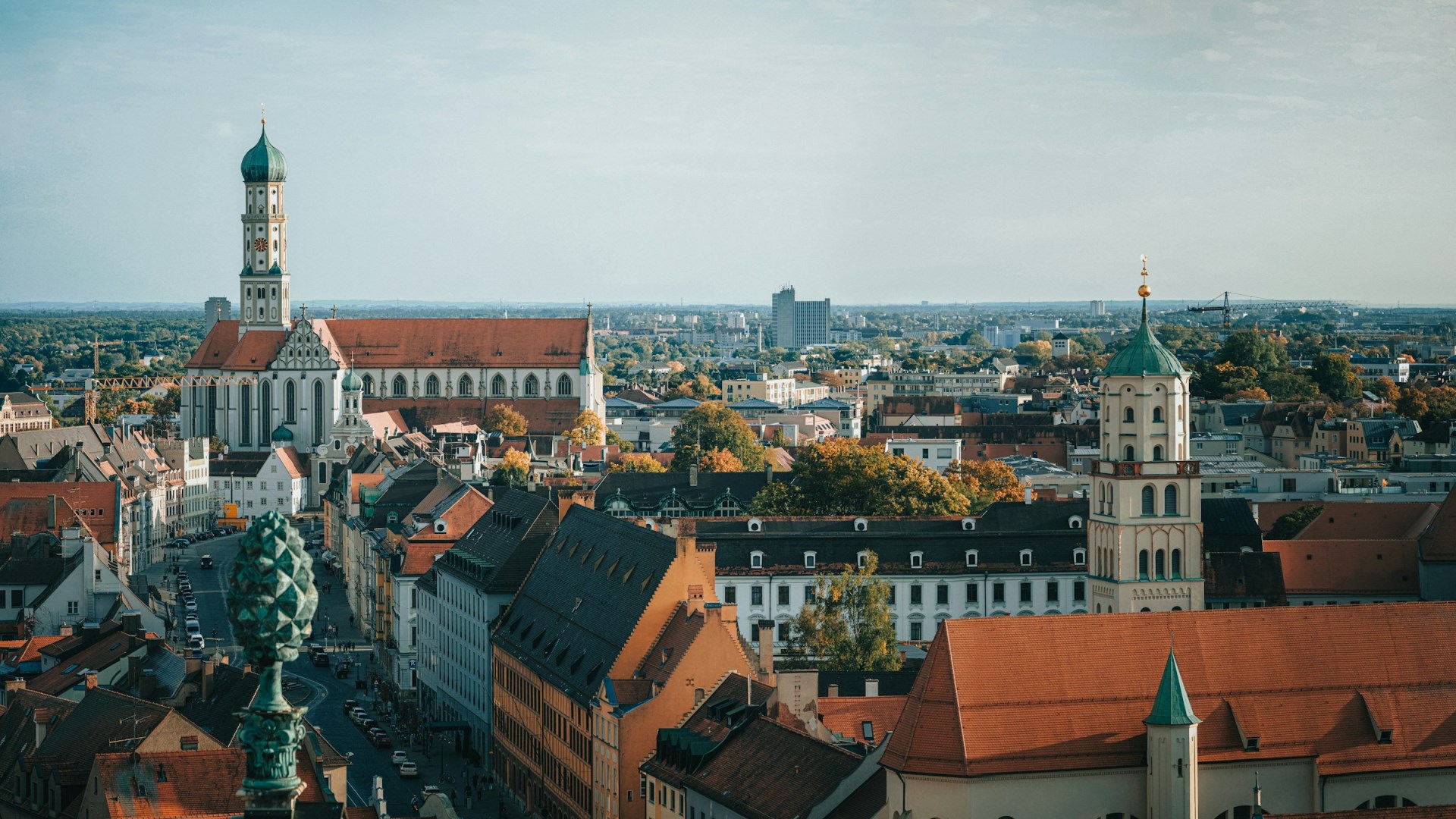
Augsburg was founded in 15 BC under the rule of the Roman emperor Augustus. For 400 years the city was the seat of a provincial government of the Roman empire. Its ideal location made it a crossroad of all important routes to the south. An advantage from which the powerful merchants and bankers, the Fugger family and the seafaring Welsers, likewise profited. They elevated Augsburg to rank among the world's most powerful cities. Kings and emperors were frequent guests here.
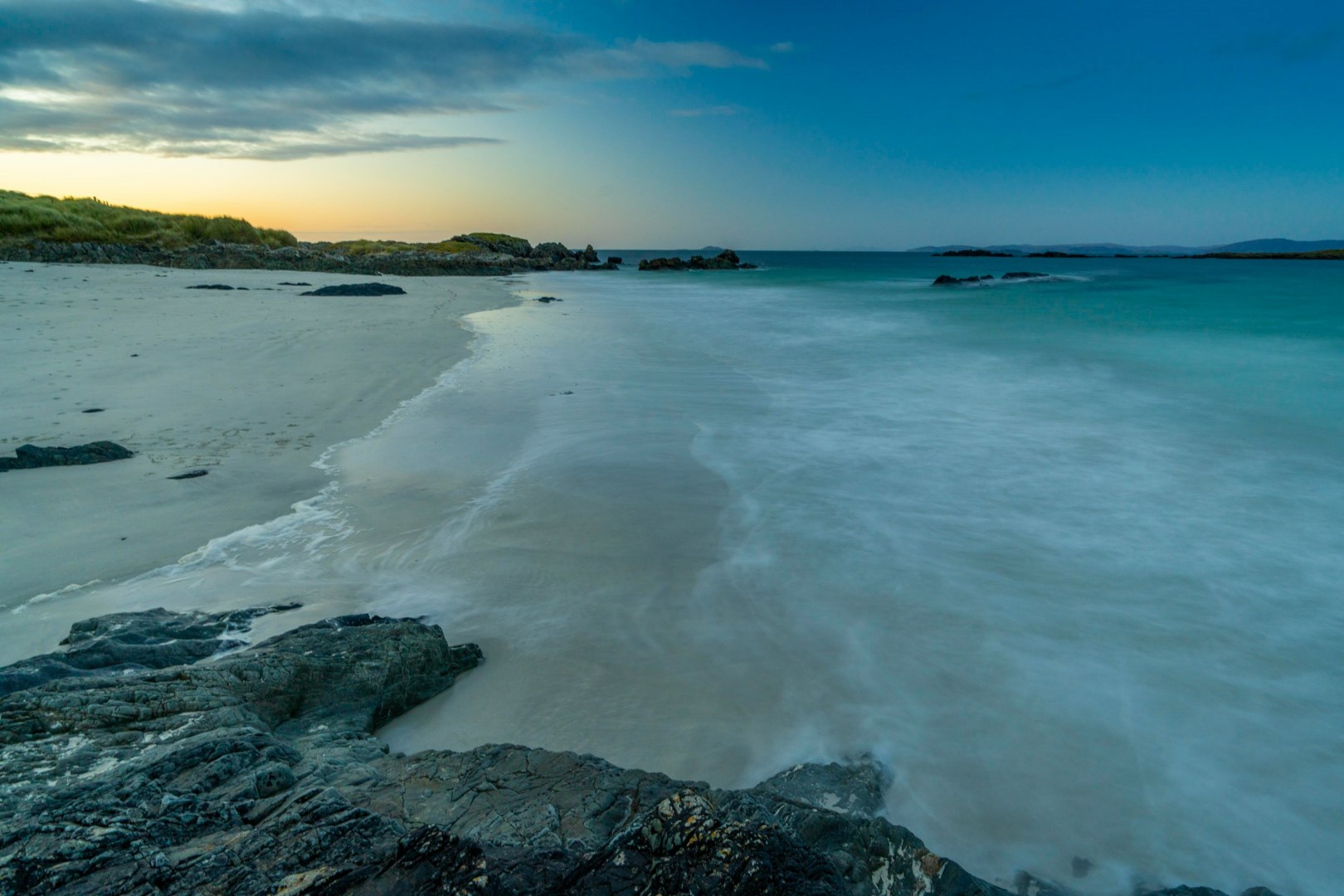
Iona
The island of Iona lies just off the west coast of Scotland, easily reached from Oban by ferry. This jaunt in itself is quite stunning commanding a view of the rocky peaks and green slopes of the Mull Mountains. An old village, Iona was founded in 563 AD by Columba and his disciples when they travel from Ireland to the Harbour of the Caracle, built a monastery and introduced the Christian faith here. Iona is still a major center for pilgrimages. Please note that cars are not permitted on the isl
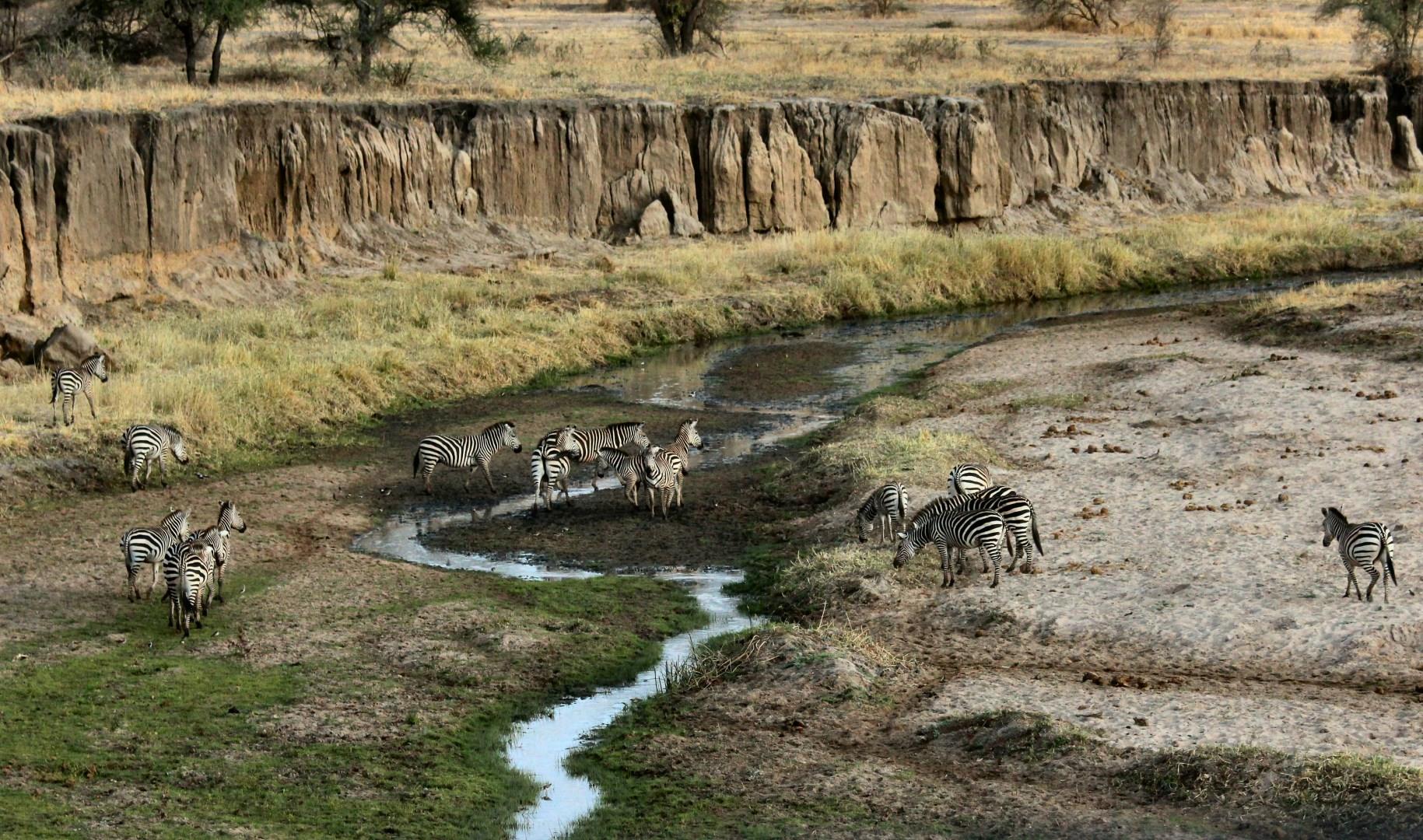
Tarangire National Park
Tarangire National Park, a stunning gem in northern Tanzania, offers an unparalleled safari experience amid its diverse landscapes and wildlife. Renowned for its dense population of elephants, the park's vast baobab-studded plains and swamps create a dramatic setting that brings you face-to-face with these magnificent creatures. The park is home to over 300 bird species, including the strikingly beautiful Lilac-breasted Roller and the majestic Secretary Bird.

Victoria Falls
Majestic Victoria Falls, a waterfall of gargantuan proportions, sits atop the Zambezi River in Zimbabwe. This cascading natural wonder is the main attraction for Victoria Falls National Park and the local town of Victoria Falls to its west
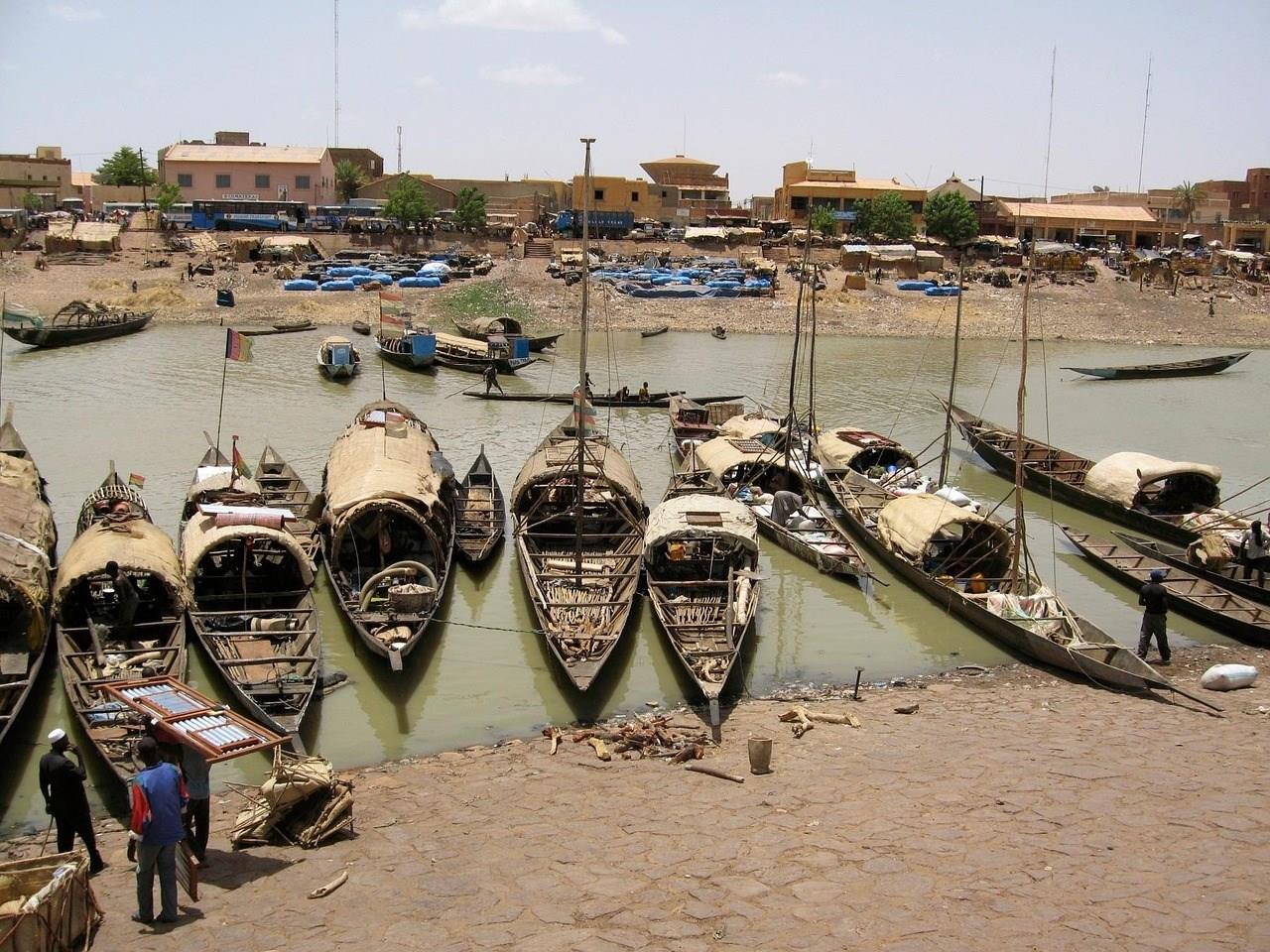
Mali
Mali, located in West Africa, is a country with deep cultural roots and a history that stretches back to some of the most powerful empires in Africa.