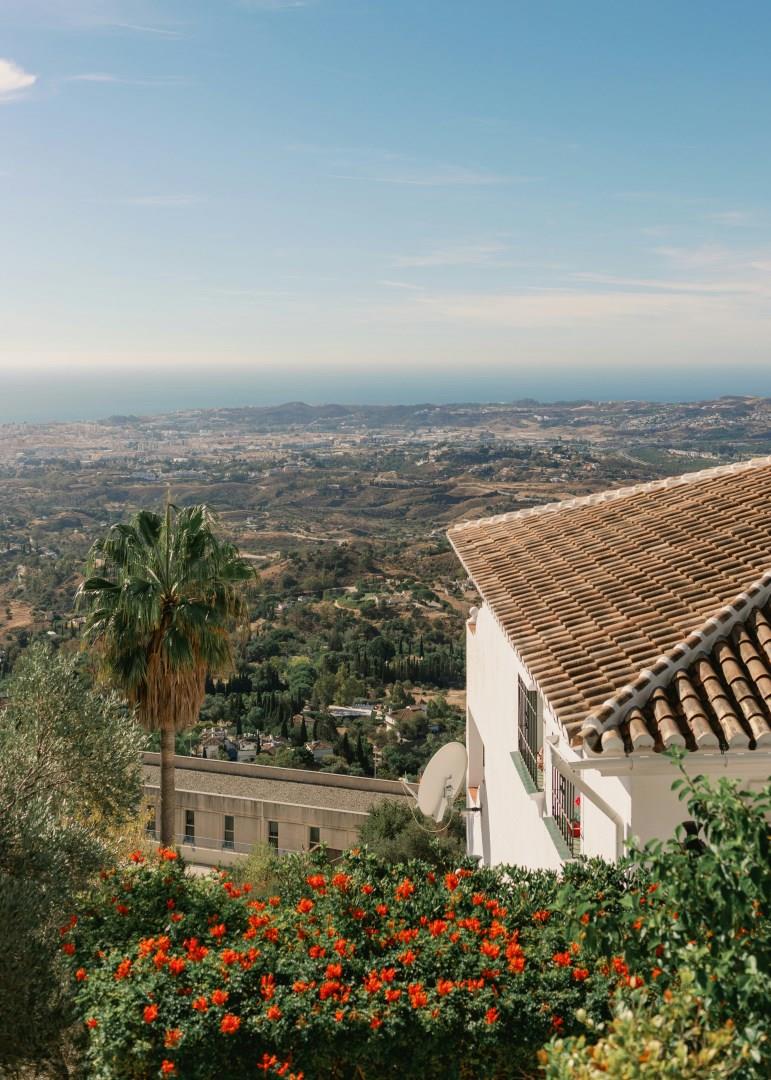
Mijas, perched on the hillside above the Costa del Sol, blends centuries of Andalusian tradition with views that stretch across the Mediterranean. The whitewashed buildings of Mijas Pueblo reflect sunlight from narrow cobbled streets that wind through small plazas, each with its own fountain, chapel, or overlook. The town’s layout still follows Moorish-era planning, and remnants of the old wall (La Muralla) offer shaded walks lined with native plants and panoramic views over the coast.
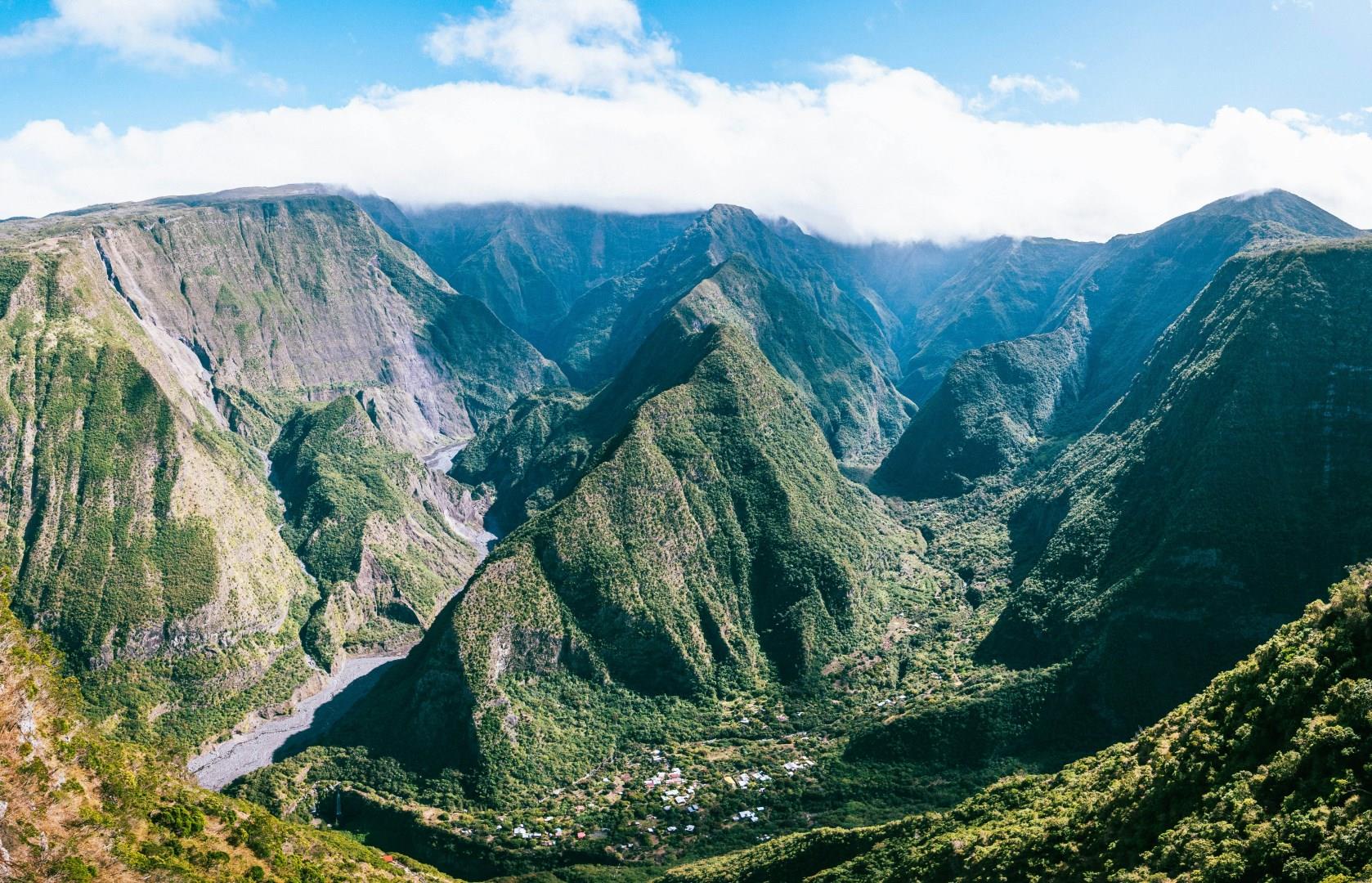
Réunion, a French overseas department in the Indian Ocean, lies east of Madagascar and combines European and Creole influences in a tropical setting. Its volcanic landscapes, lush forests, and coastal towns make it an extraordinary destination for those seeking both culture and nature.
Antigua and Barbuda are located in the middle of the Leeward Islands in the Eastern Caribbean. Antigua, the largest of the British Leeward Islands, is about 14 miles long and 11 miles wide, encompassing 108 square miles. Barbuda, a flat coral island with an area of only 68 square miles, lies approximately 30 miles to the north. The population is approximately 68,000 and its capital is St. John's on Antigua.
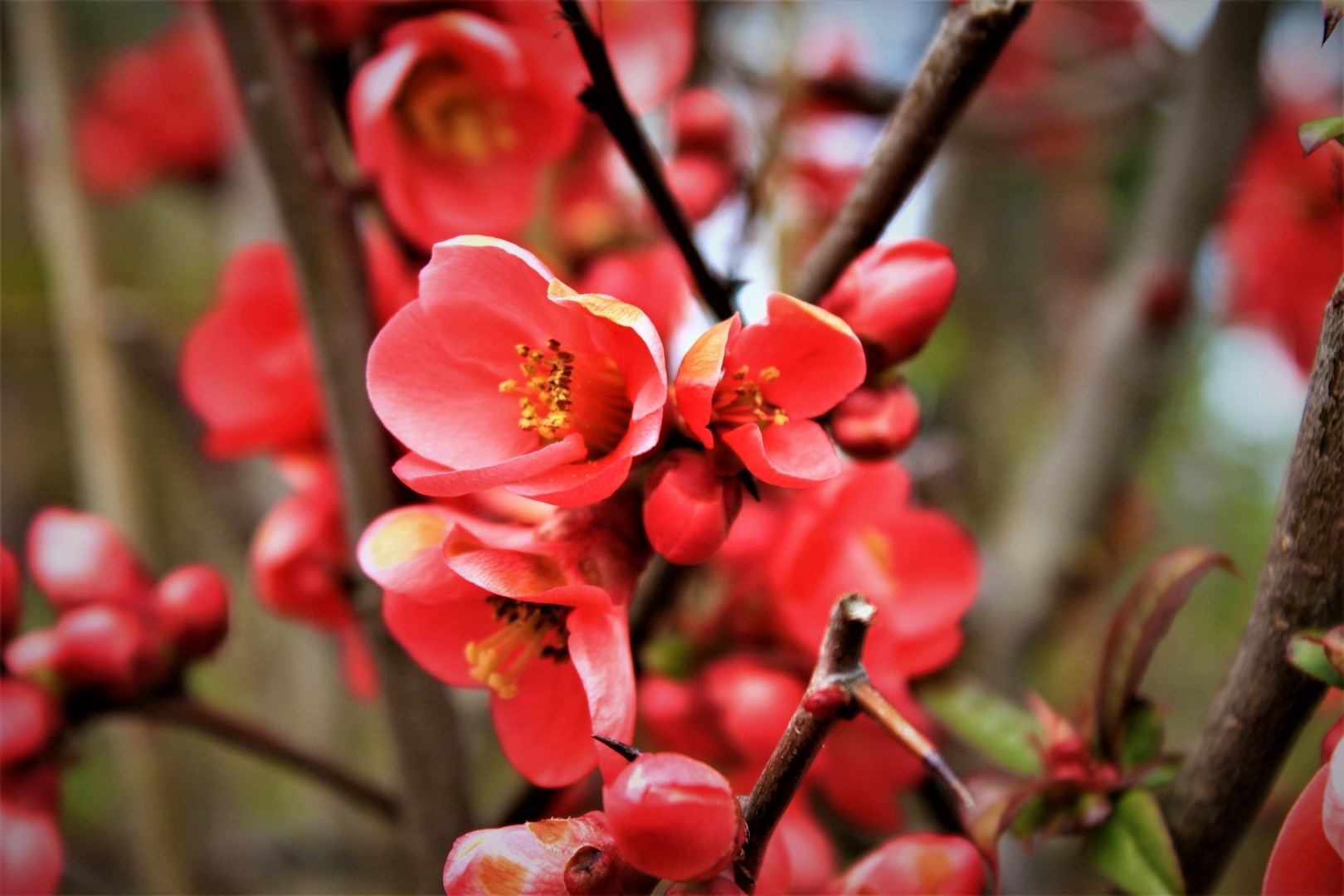
Beaverton is a city in northwestern Oregon, located just west of Portland in the Tualatin Valley. The community combines a developed urban center with wetlands, creeks, parks, and areas of remaining farmland. Its position between the Coast Range and the Portland metropolitan area has made Beaverton both a residential community and an important employment center.

The capital of Texas, Austin is located in the south-central area. It was named the capital of the Republic of Texas in 1839. The main campus of the University of Texas is located here, founded in 1881.
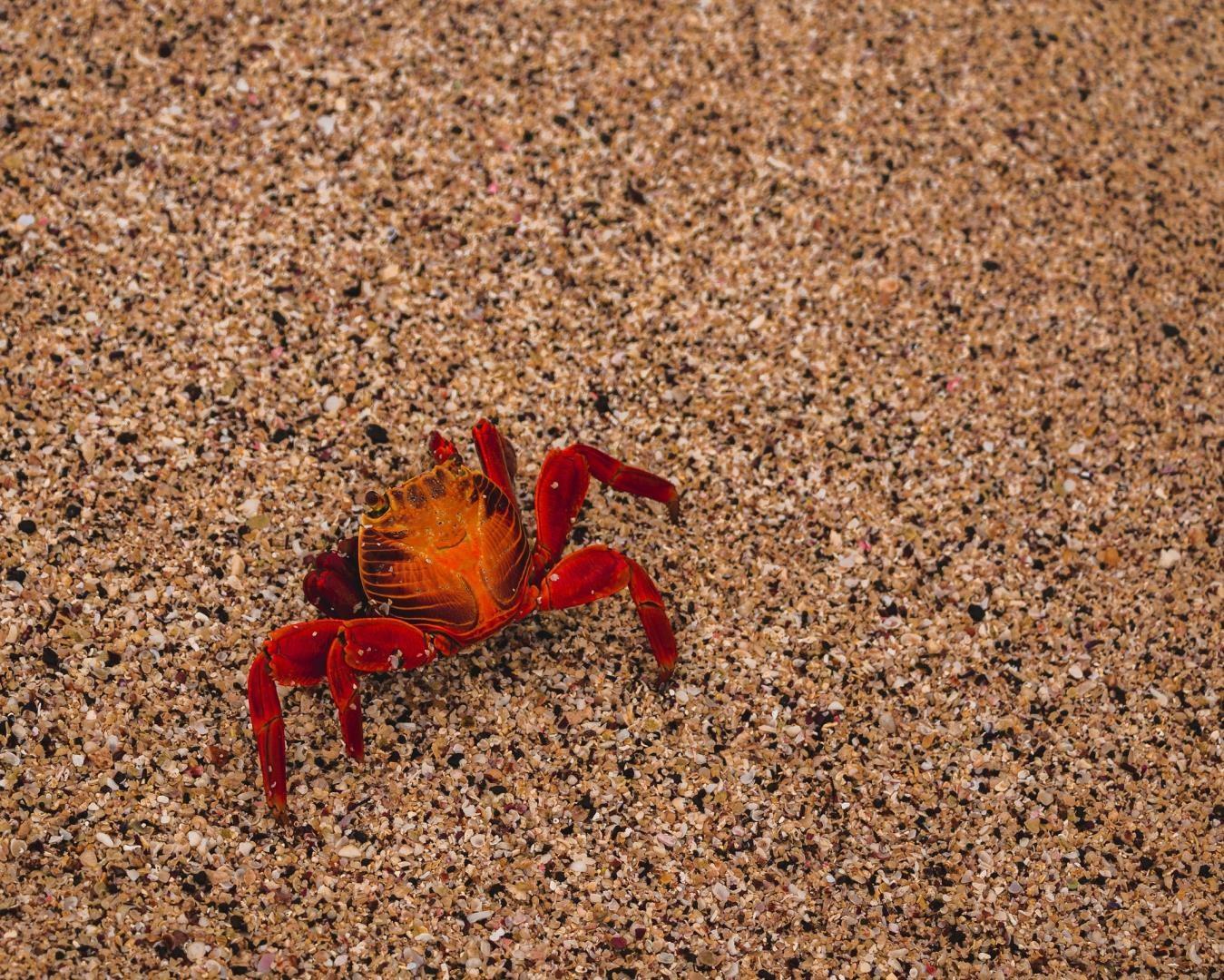
Photo Credit: Image by LaRae Thornton from Pixabay
Kicker Rock
Photo Credit: Photo by Nicolas Martin on Unsplash
Iguanas
Photo Credit: Photo by James Gildart on Unsplash
Photo Credit: Photo by kuhnmi on Wikimedia
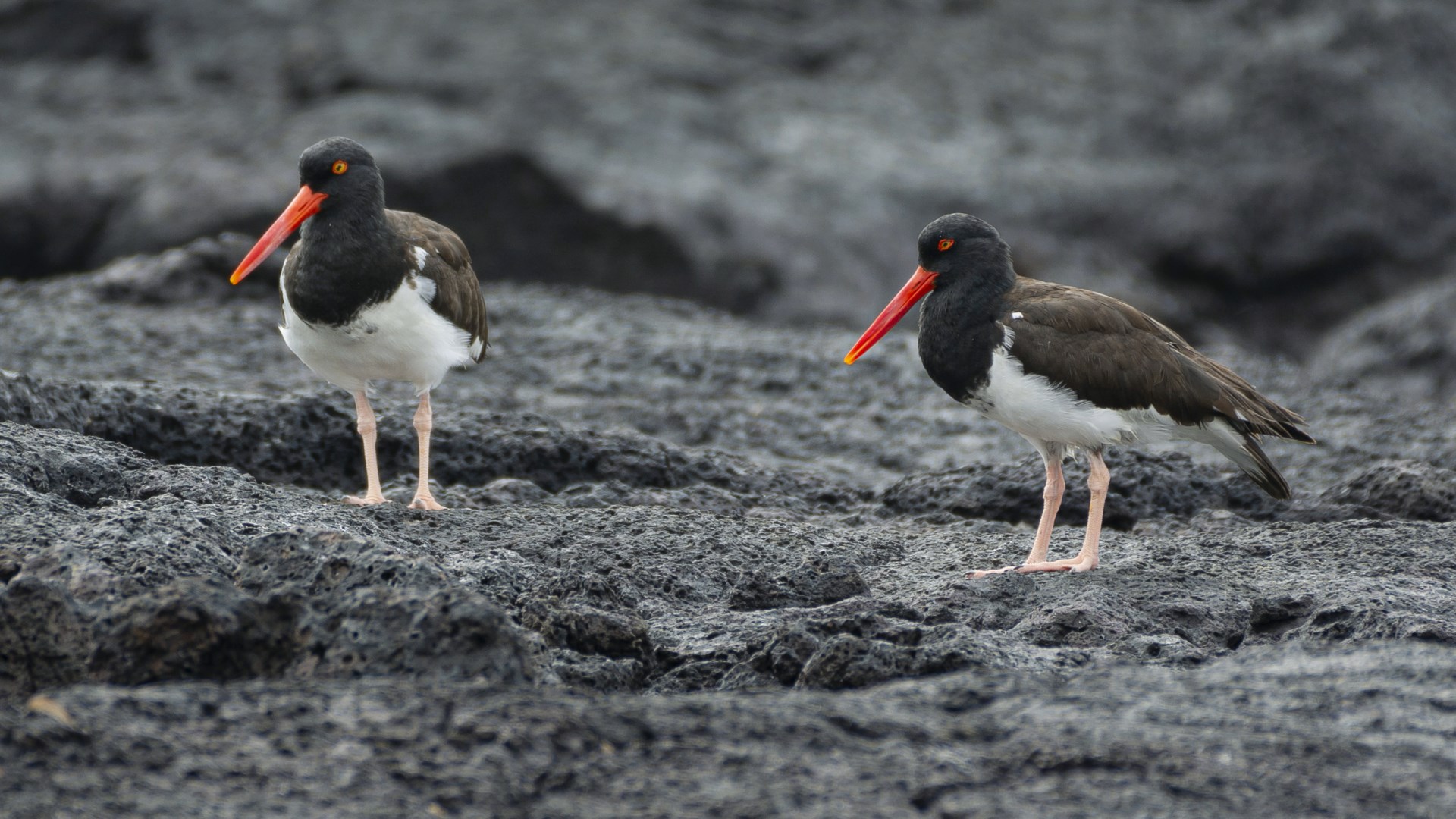
Galapagos Oystercatchers
Photo Credit: Photo by kuhnmi on Wikimedia
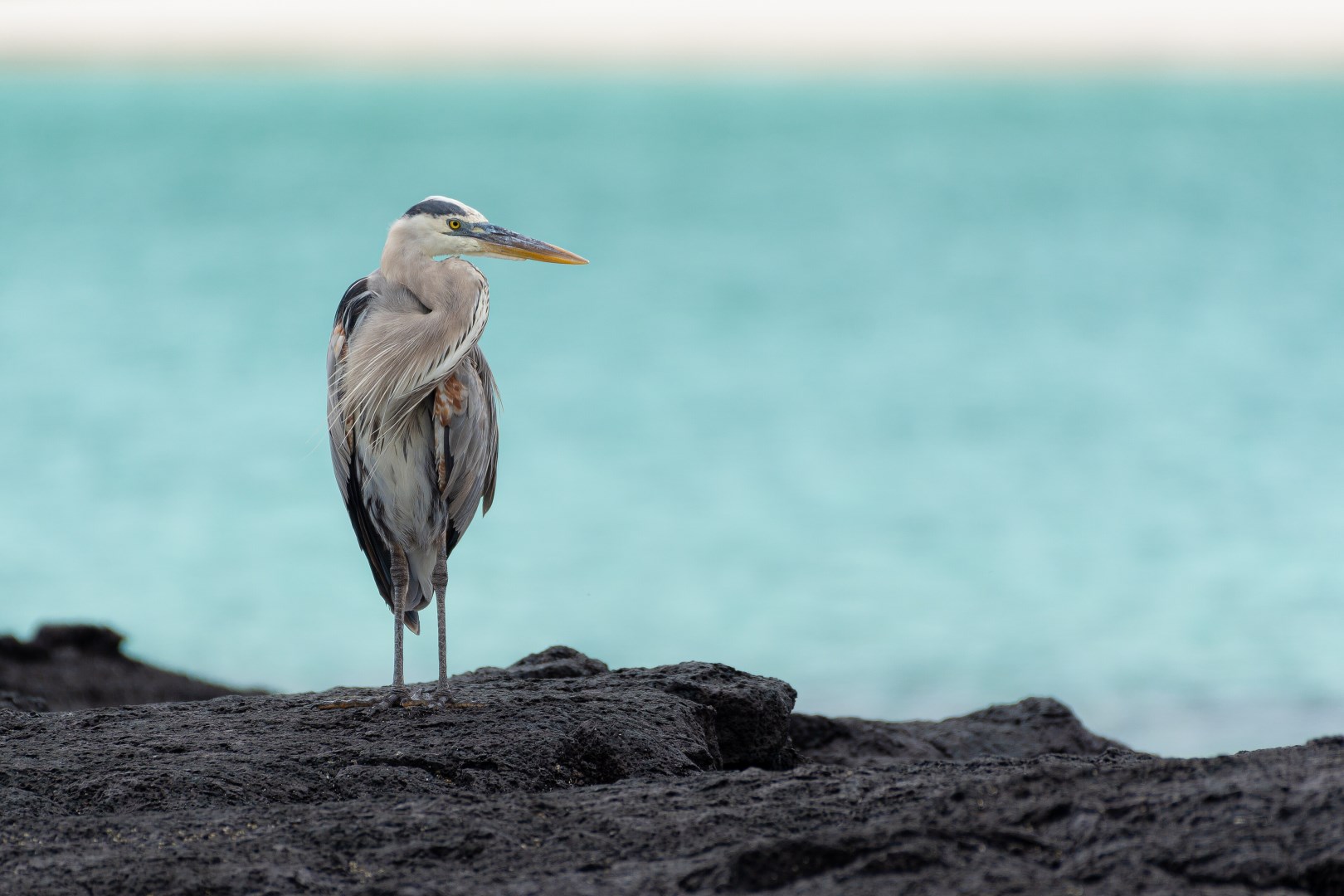
Great Blue Heron
Photo Credit: Photo by kuhnmi from Wikimedia
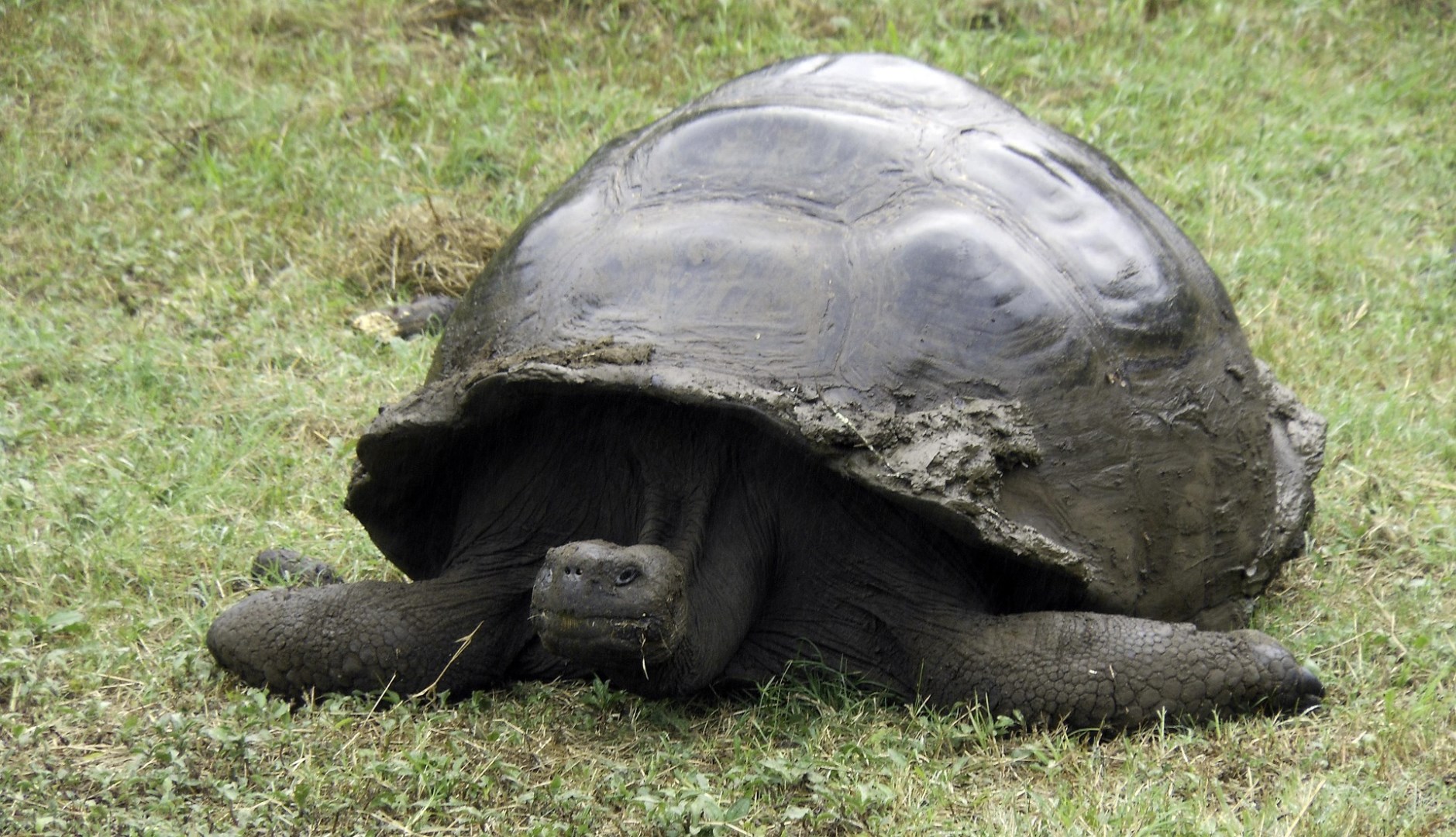
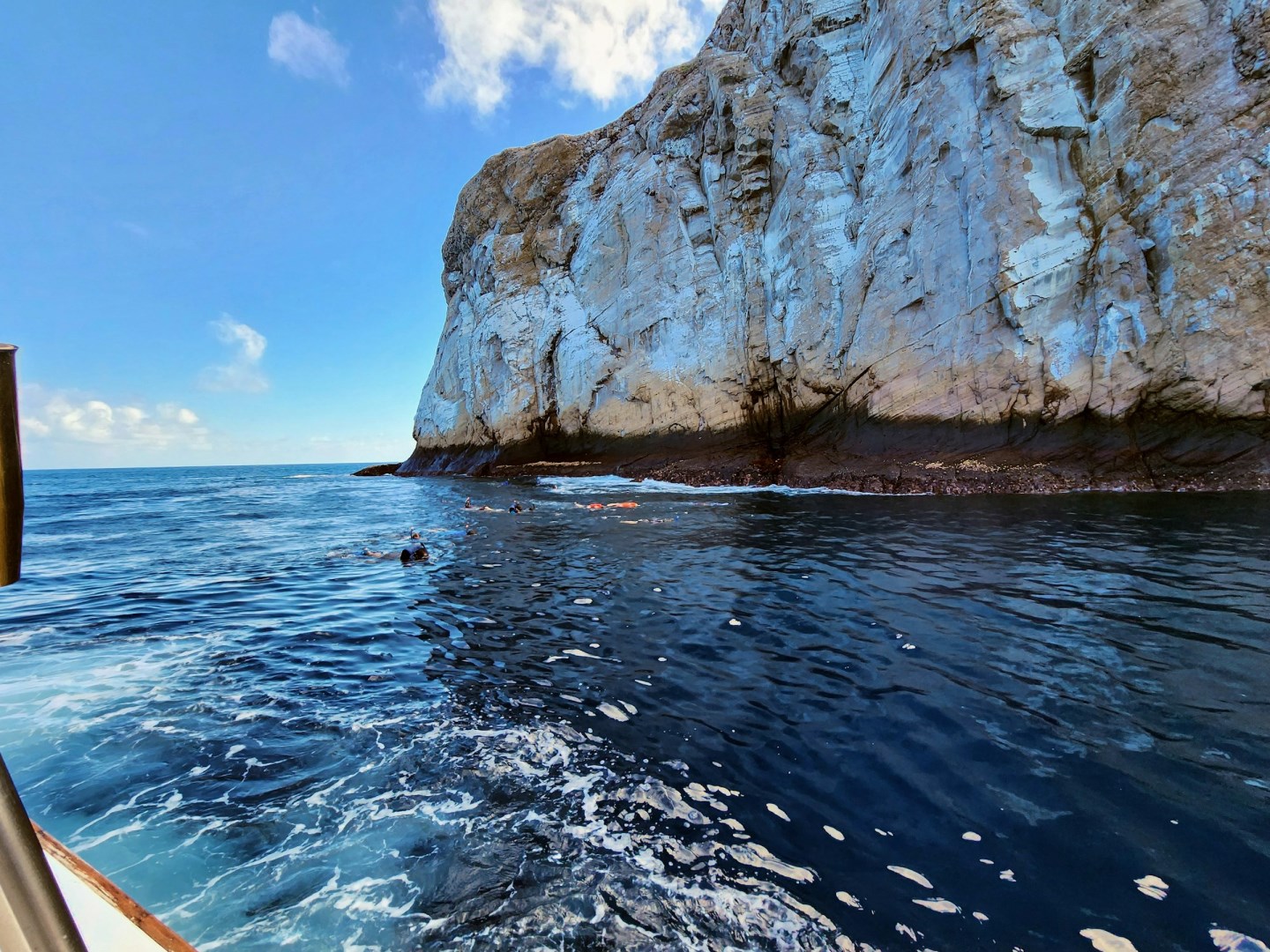
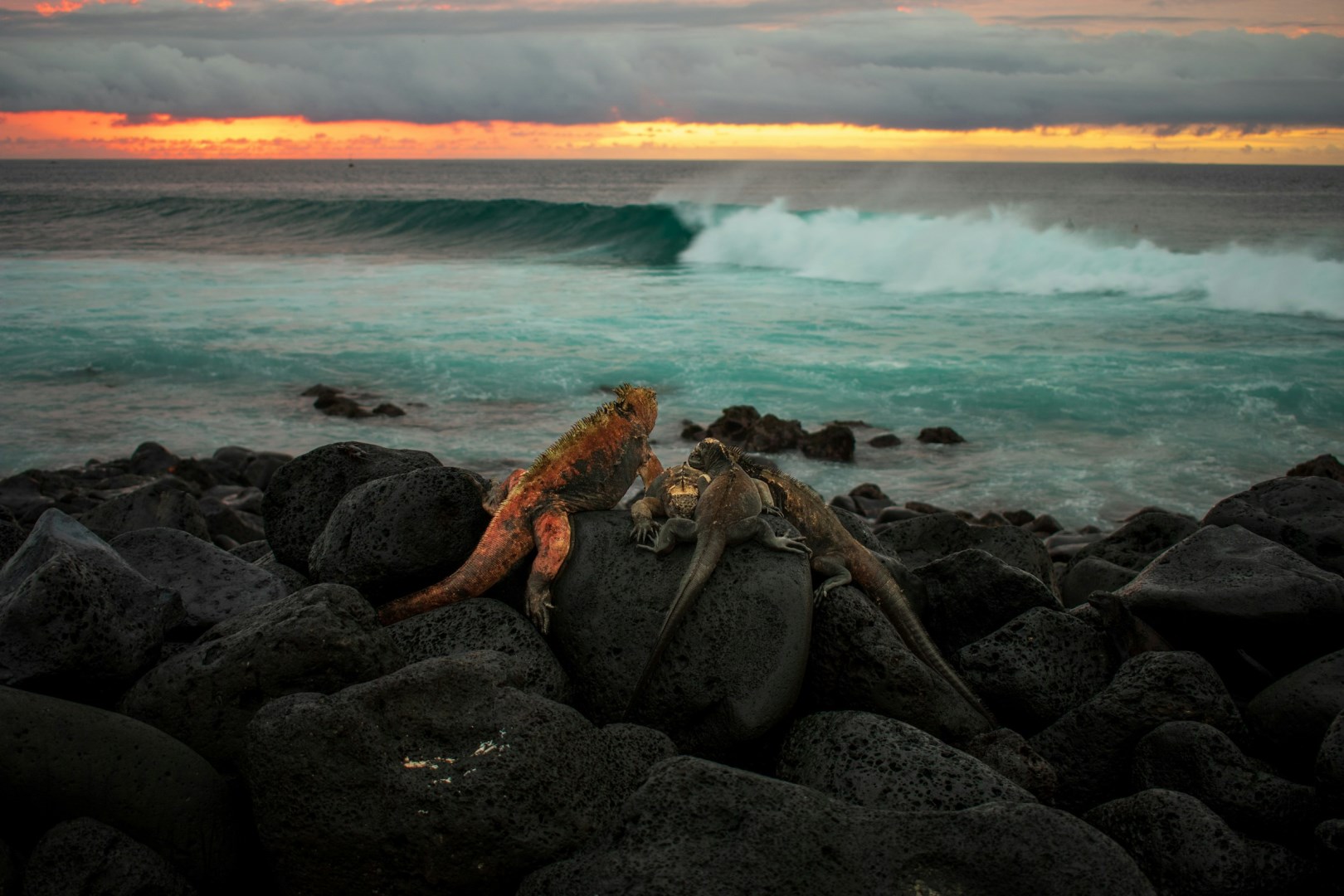
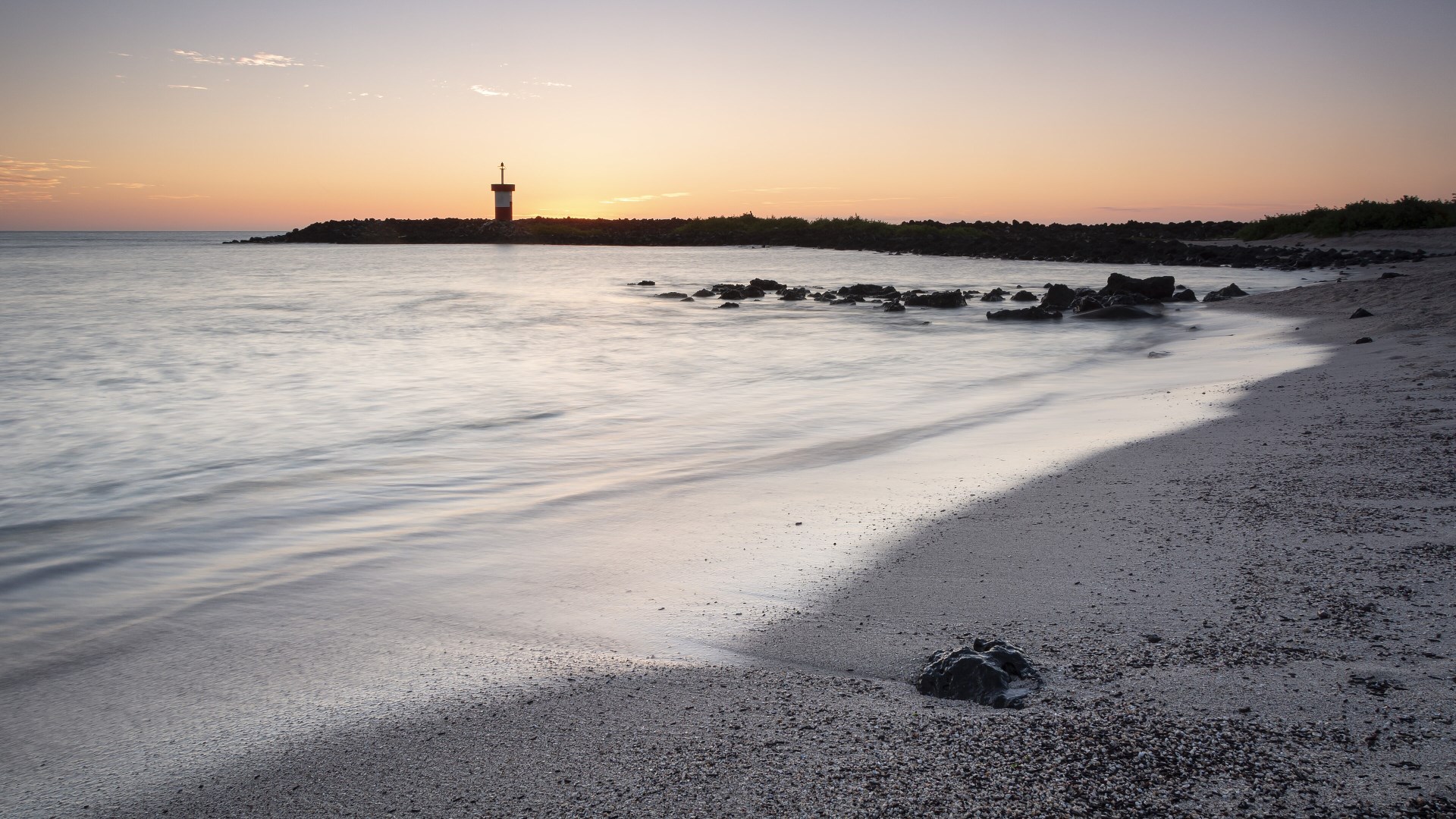
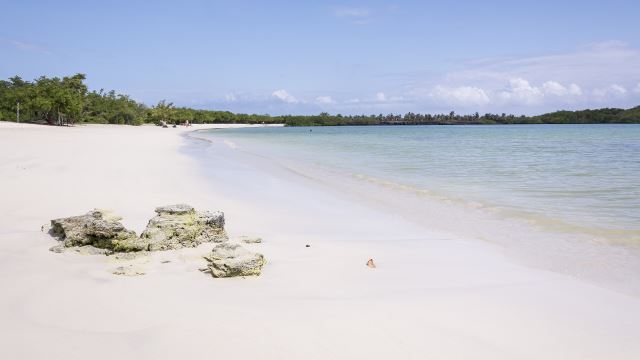
Geologically, San Cristobal Island is one of the oldest islands in the Galápagos archipelago. It is home to the only source of fresh water in the islands, a small lake called Laguna El Junco. The lake hosts a large population of birdlife, as does the rest of the island. Other animal inhabitants include sea lions, tortoises, marine iguanas, dolphins, lobsters and more. One of San Cristobal Island's most popular visitor sites is Cerro Brujo, with its expansive white sand beach and a lagoon that locals once used as a salt mine but now offers excellent snorkeling opportunities. Another must-see is Kicker Rock, a fascinating rock formation that looks like a boot from one angle (hence its English name) and like a sleeping lion from another (thus its Spanish name, Roca León Dormido).
Other Popular Destinations in Ecuador
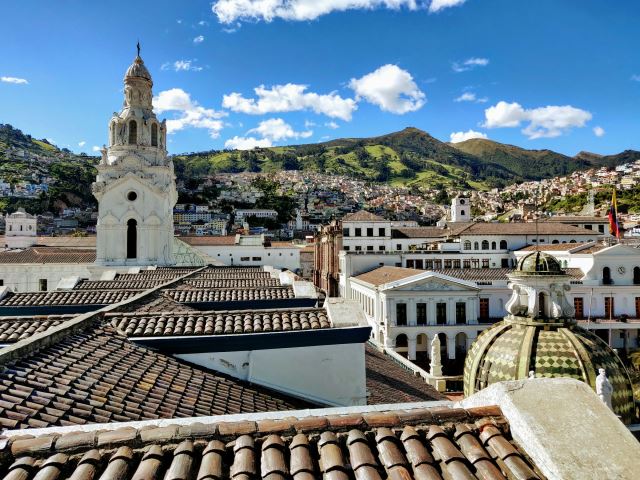
Quito
Situated on the equator and nestled beneath an imposing volcano, the rugged, sprawling, and vibrant city of Quito offers adventure galore. A South American gem and Ecuador’s capital, Quito combines the best of its Incan and Spanish influences in fascinating cultural attractions, and the city’s surrounding natural beauty will surely astound you.
Santa Cruz Island
Santa Cruz Island is the beating heart of the Galápagos and is home to the largest town in the archipelago, Puerto Ayora, and a key access point for travelers exploring this unique region. But beyond its small port and shops, the island reveals a surprising range of ecosystems, from black lava shores to lush highlands where giant tortoises roam freely.