Santander
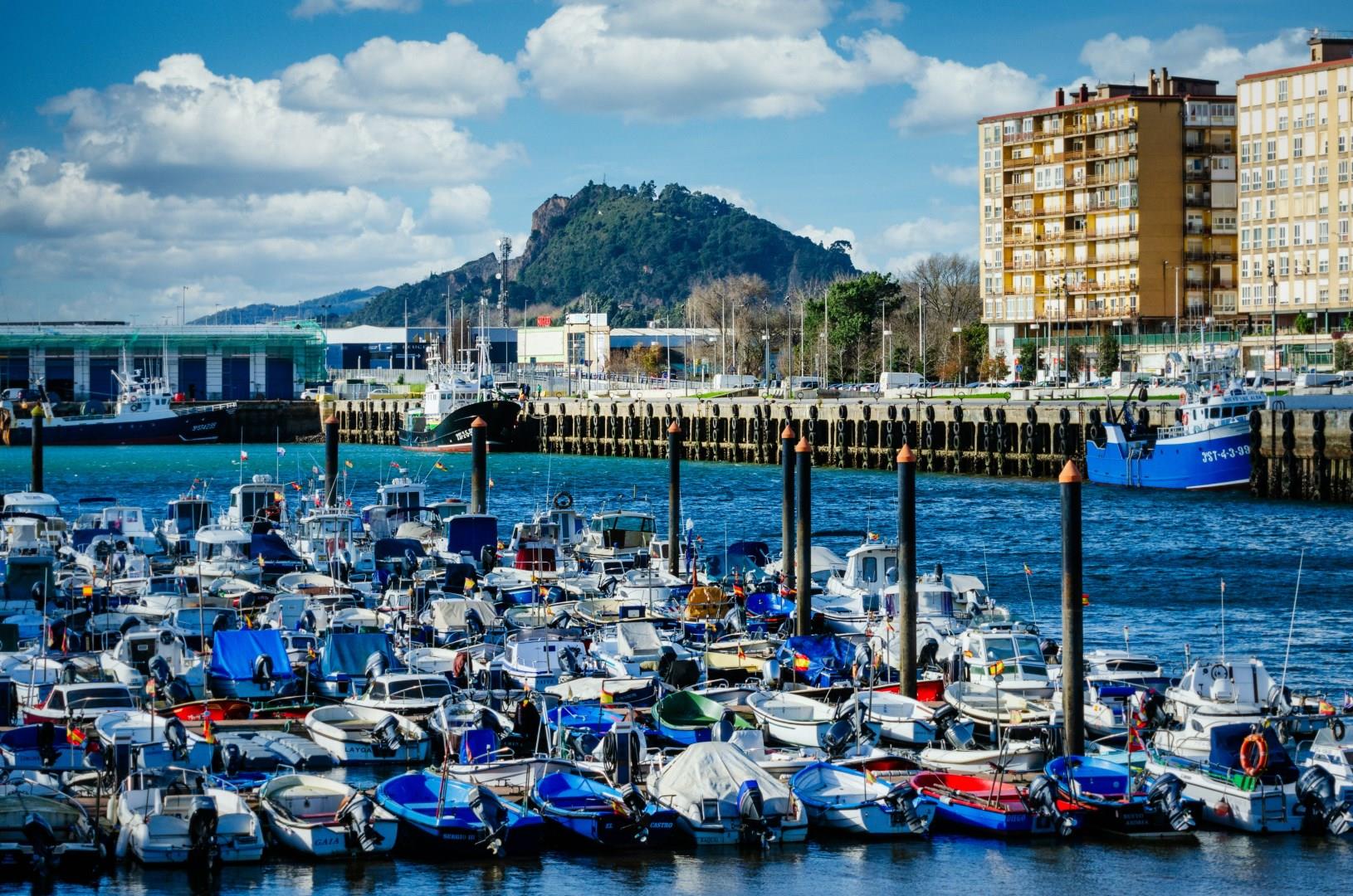
Santander, the capital of Spain’s Cantabria region, sits along the Bay of Biscay and offers travelers a mix of coastline, culture, and history shaped by centuries of maritime life. Once a bustling port for Castilian exports, Santander saw its golden age in the 19th century when Spanish royalty turned it into a summer retreat. The legacy of that era remains visible at the Palacio de la Magdalena, perched on a peninsula with views of the sea and home to royal stables, a mini zoo, and guided tours.

Giurgiu
Giurgiu, a charming city in southern Romania, offers a unique blend of history, culture, and natural beauty, making it a captivating destination for travelers seeking an off-the-beaten-path experience.
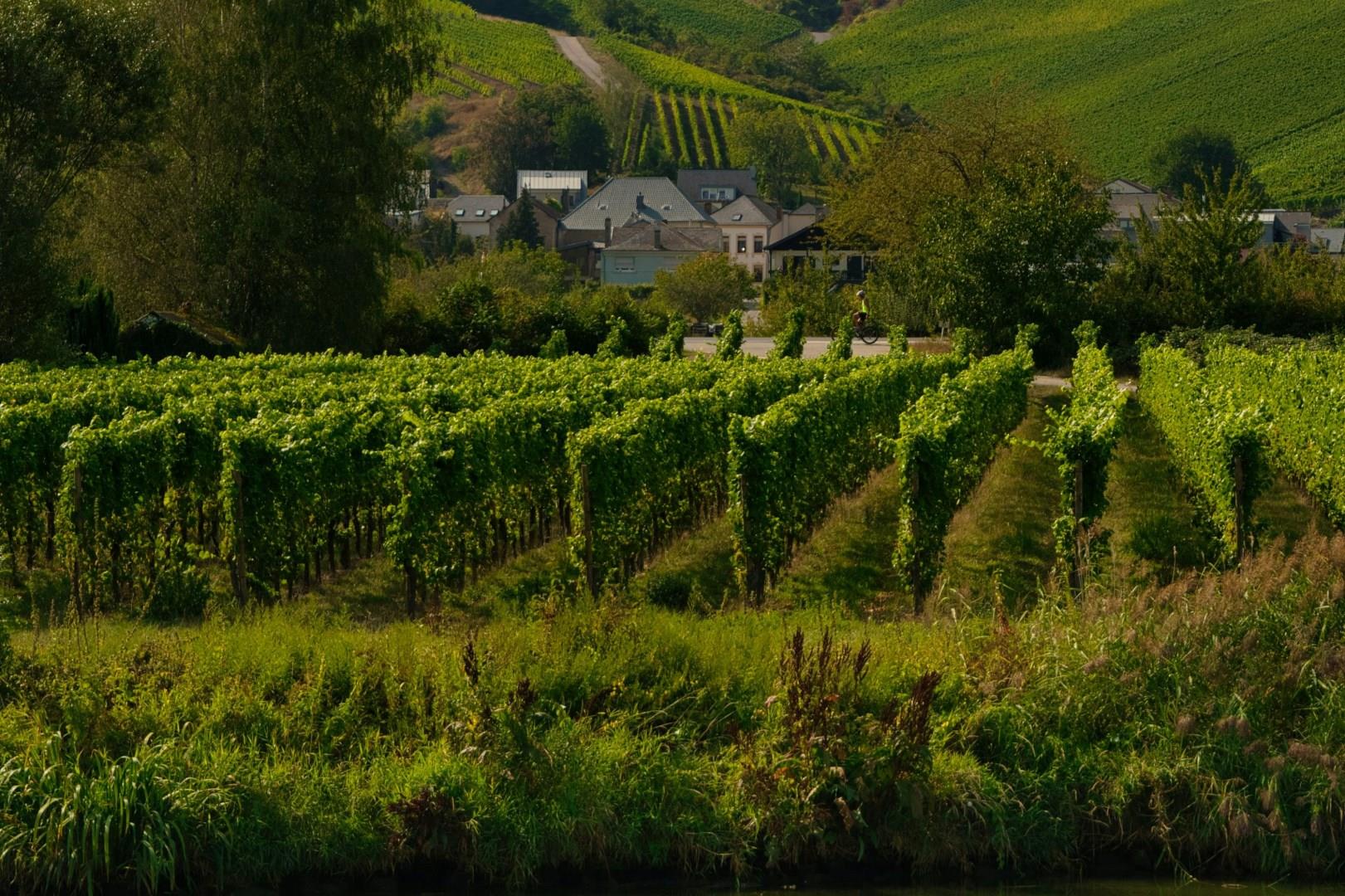
Remich
Remich, often referred to as the “Pearl of the Moselle,” is a captivating town nestled along the Moselle River in Luxembourg. This riverside gem is known for its historic vineyards that have shaped the region’s culture for centuries. Visitors can stroll along the river promenade, enjoying views of the gently flowing water framed by rolling hills covered in vineyards that produce some of Luxembourg’s finest wines.

Austin
The capital of Texas, Austin is located in the south-central area. It was named the capital of the Republic of Texas in 1839. The main campus of the University of Texas is located here, founded in 1881.
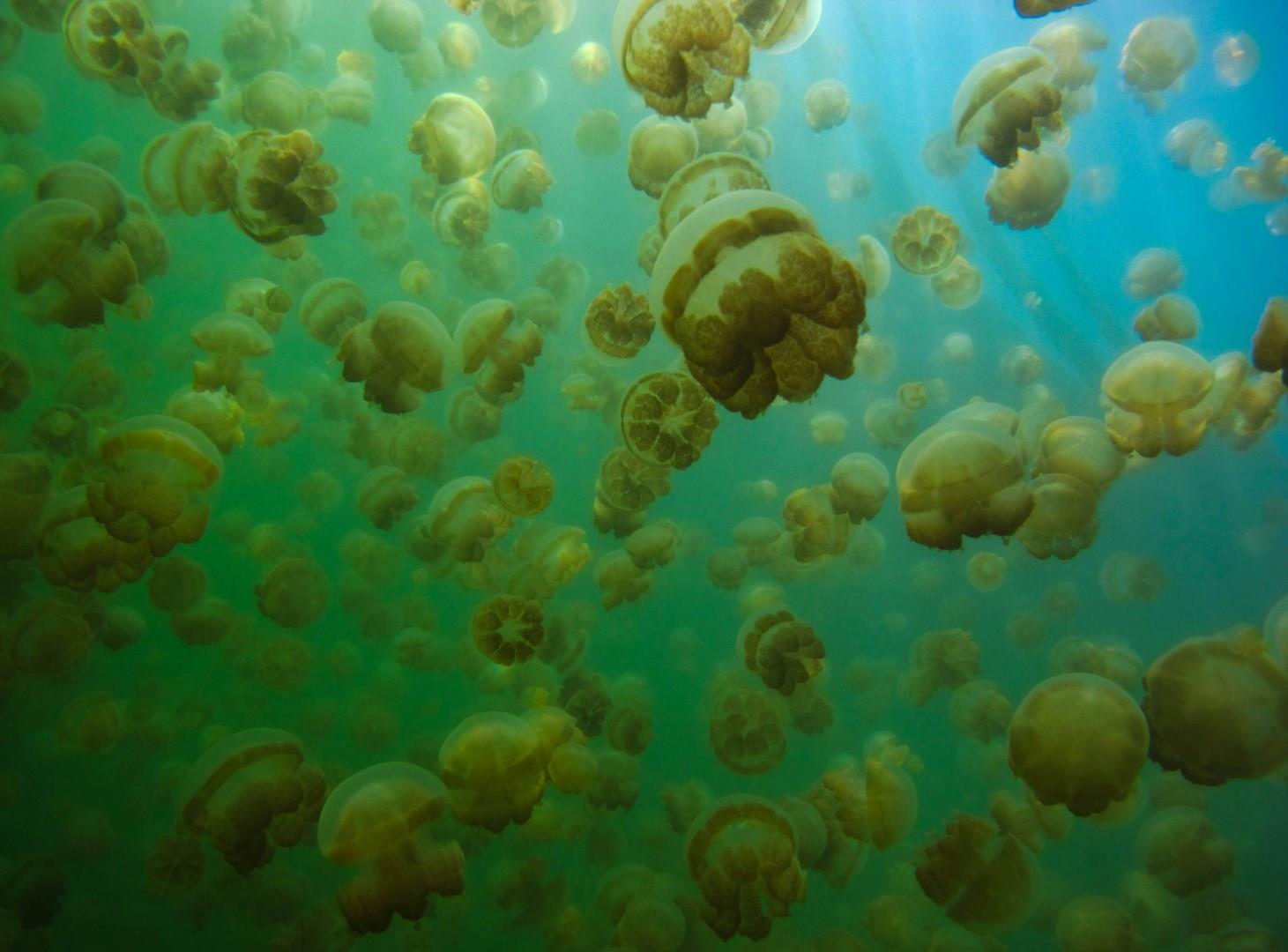
Jellyfish Lake
Jellyfish Lake is a shadowed oasis hidden among the mushroom-like Rock Islands of Palau. This forest‑fringed saltwater lake invites visitors to float with millions of gentle, stingless jellyfish that glow like drifting amber clouds under emerald light. The lake formed about 12,000 years ago, when rising seas flooded an ancient reef basin that was gradually cut off from the ocean. Over centuries, its jellyfish evolved in isolation, shedding their stings and multiplying without predators in sight.