Vatican City
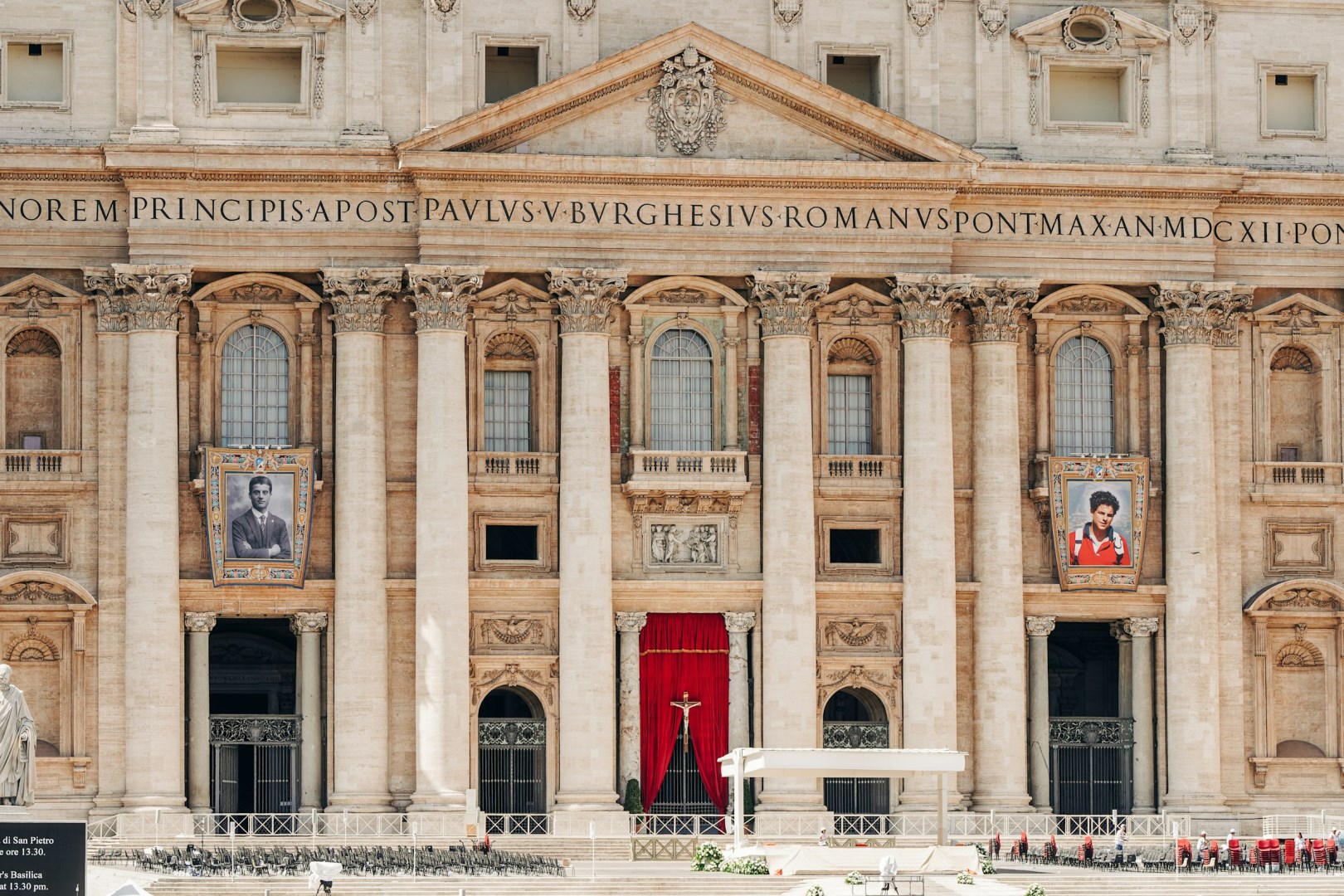
Vatican City is a sovereign city-state enclosed within Rome and the smallest independent state in the world by territory. Its compact area contains major religious, artistic, and architectural landmarks associated with the Catholic Church. At its center is St Peter’s Square, framed by the sweeping colonnade designed by Gian Lorenzo Bernini and leading to St Peter’s Basilica, built over the traditional site of the tomb of the Apostle Peter.
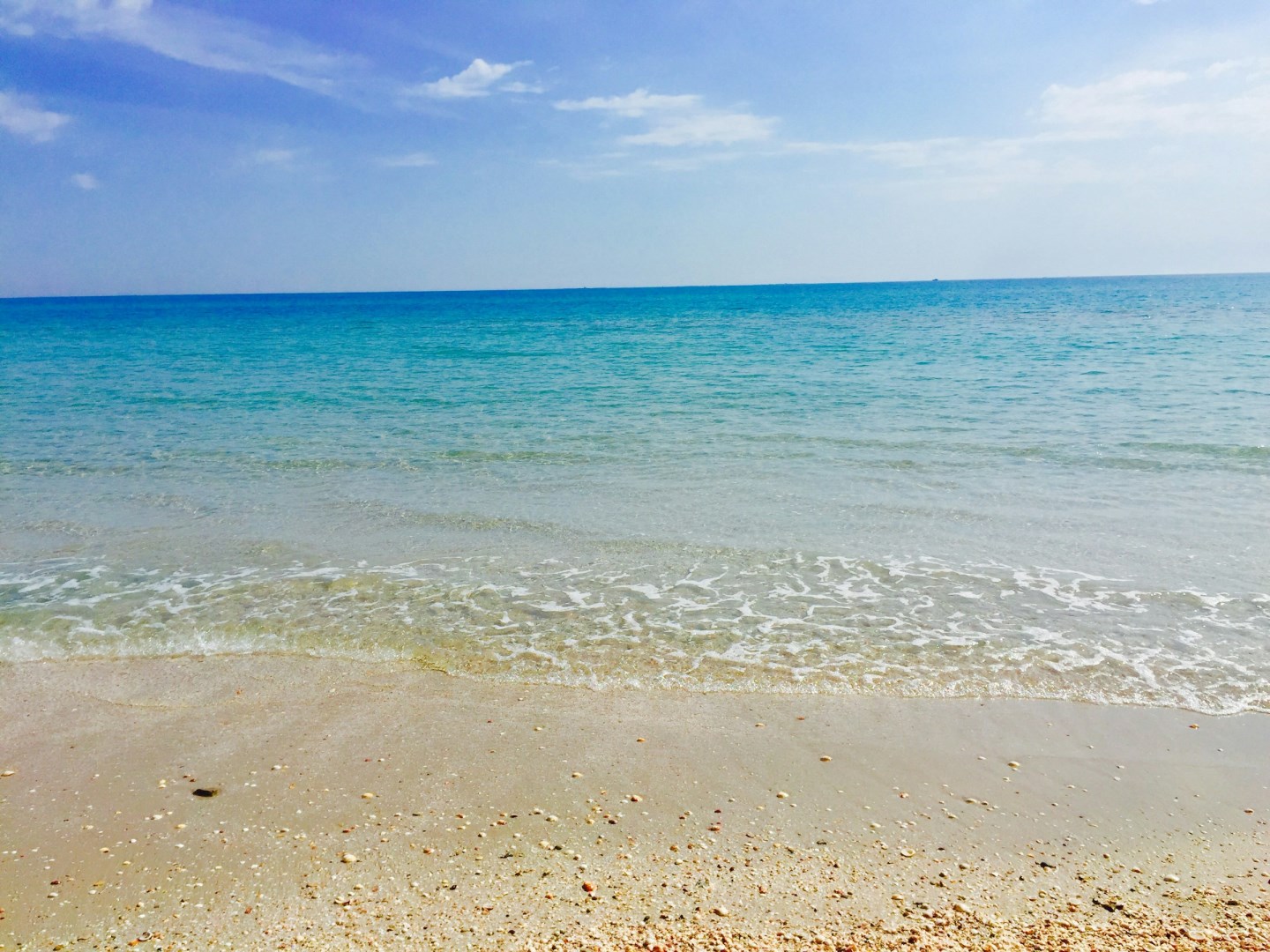
Mahdia
Mahdia is a coastal city in central-eastern Tunisia, set on a narrow peninsula extending into the Mediterranean. Its position between the sea and the mainland has shaped the city’s identity as a fishing port and coastal settlement. The historic medina occupies the peninsula, with whitewashed buildings, narrow streets, and a waterfront lined with fishing boats. Mahdia is also known for its long sandy beaches and clear coastal waters.

Mayreau
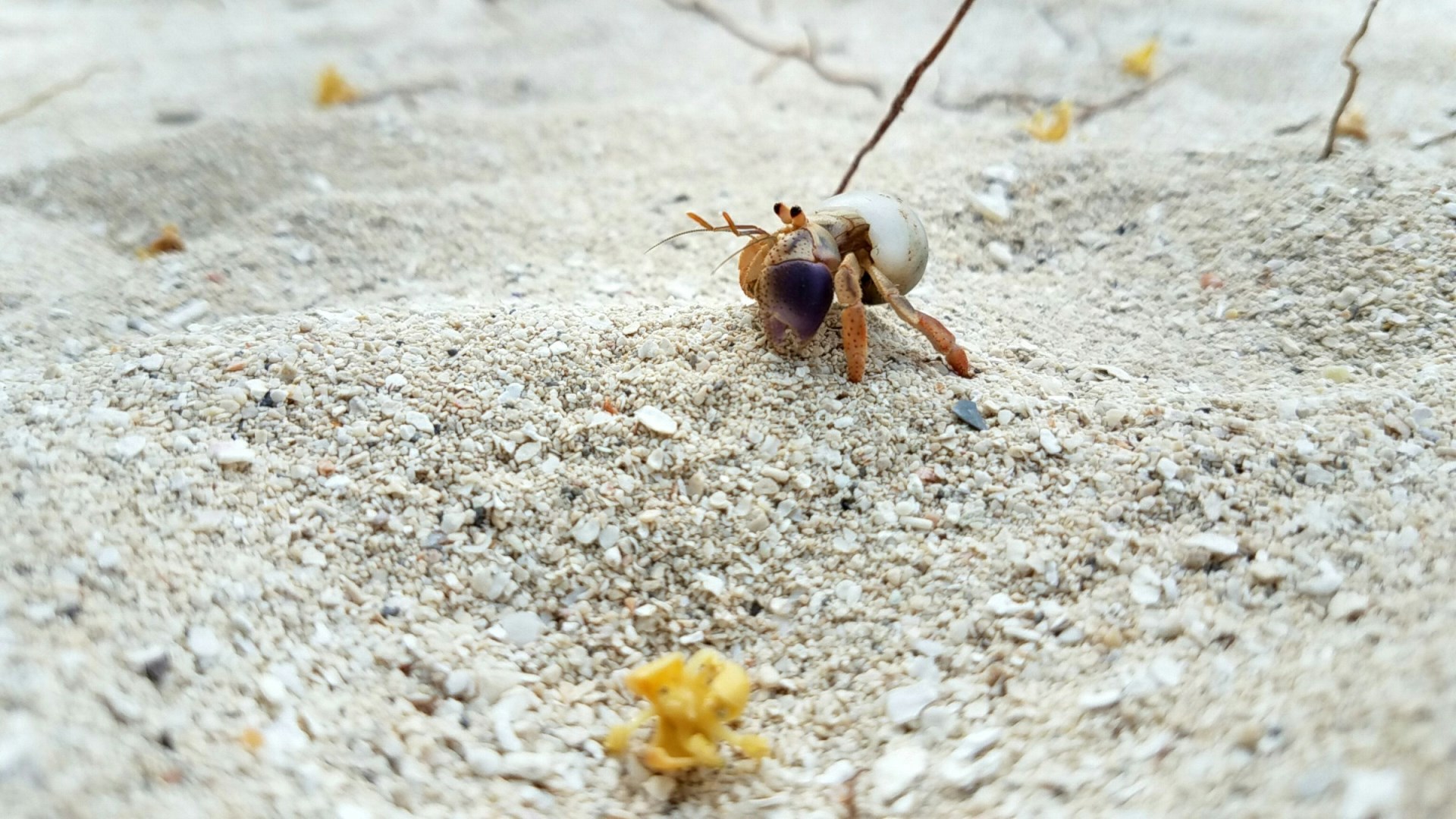
No airport, a single unnamed village, clear waters and white-sand beaches make Mayreau a quiet, rustic getaway.

Raiatea
Raiatea's laid-back atmosphere and warm hospitality make it a wonderful place to unwind and soak in the peaceful rhythms of Polynesian life.
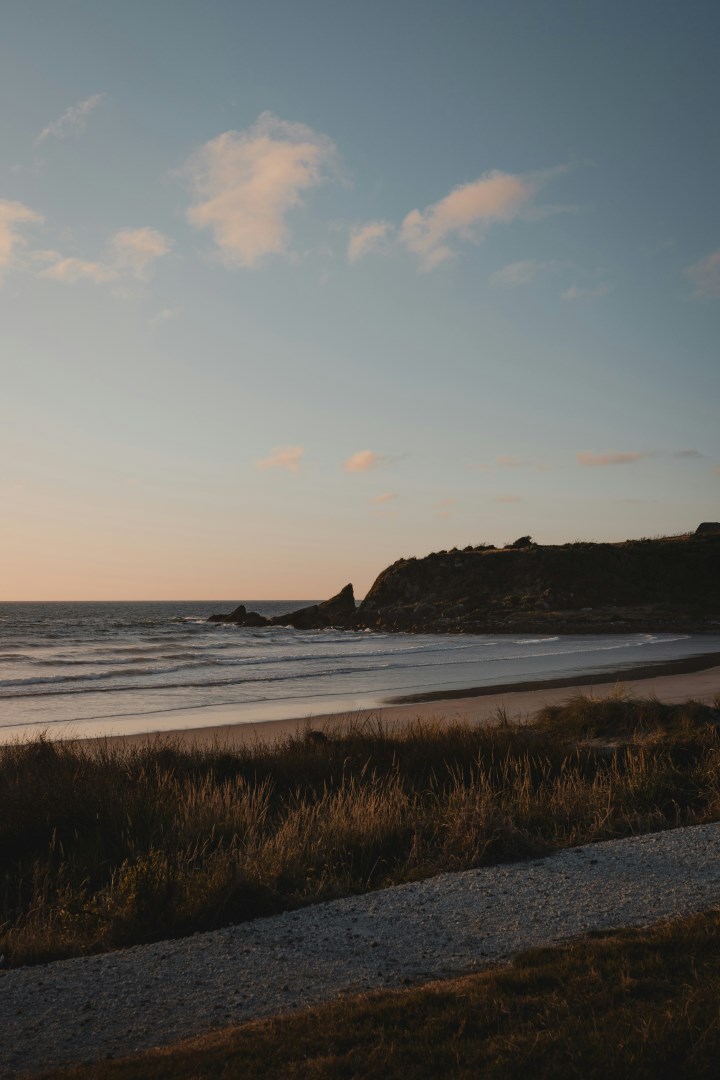
Westport
Westport is a coastal town on the northwest side of New Zealand’s South Island, located near the mouth of the Buller River. The town serves as one of the main settlements of the Buller District and has long been connected to coal mining, fishing, and river trade.