Ashgabat
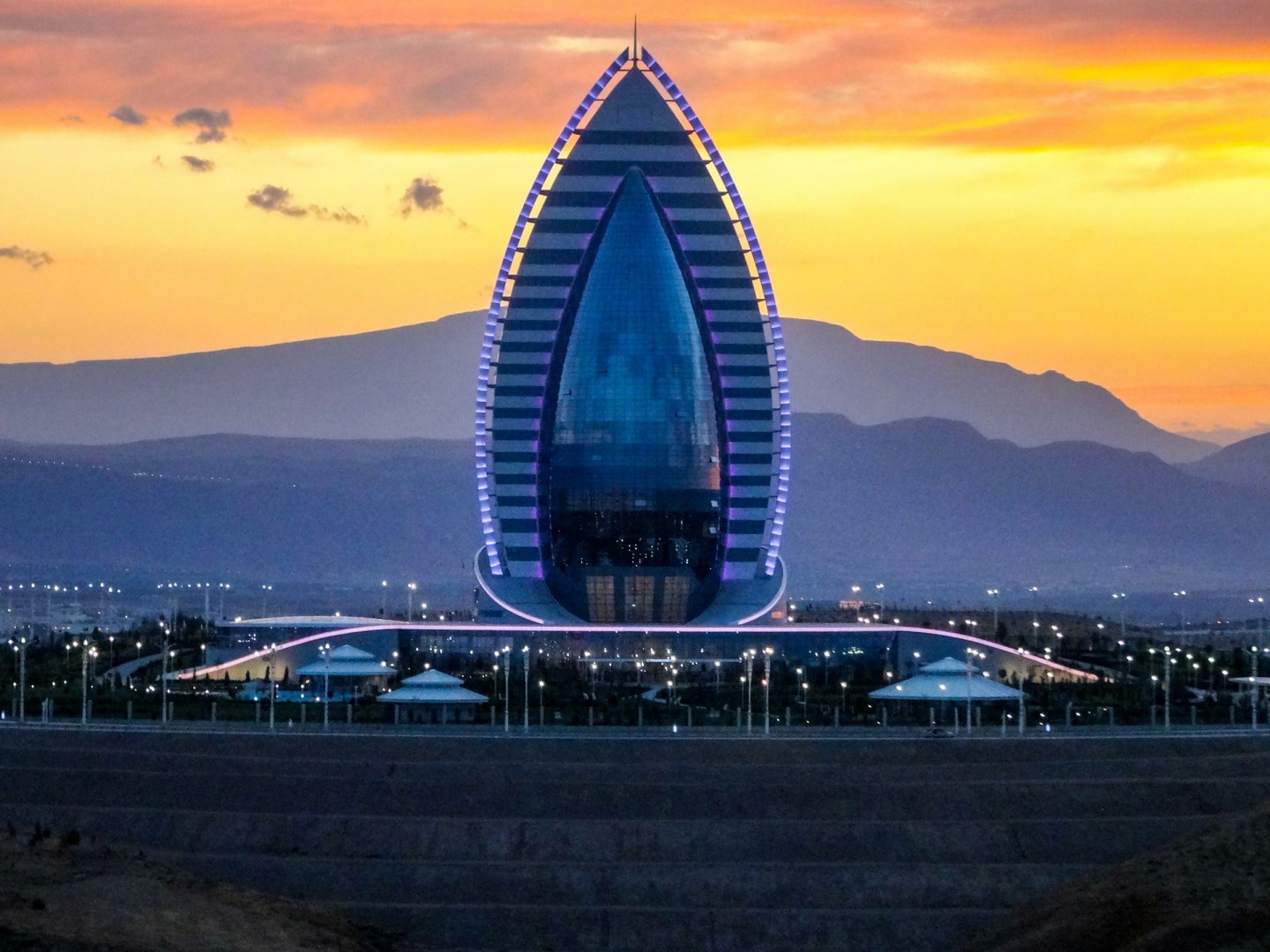
Ashgabat (formerly Ashkhabad) is the capital and the largest city of Turkmenistan. In Persian, the name means "city of love." Notable attractions include the Karakum Canal, the Trans-Caspian railway, and numerous monuments and museums to explore.
Mohács
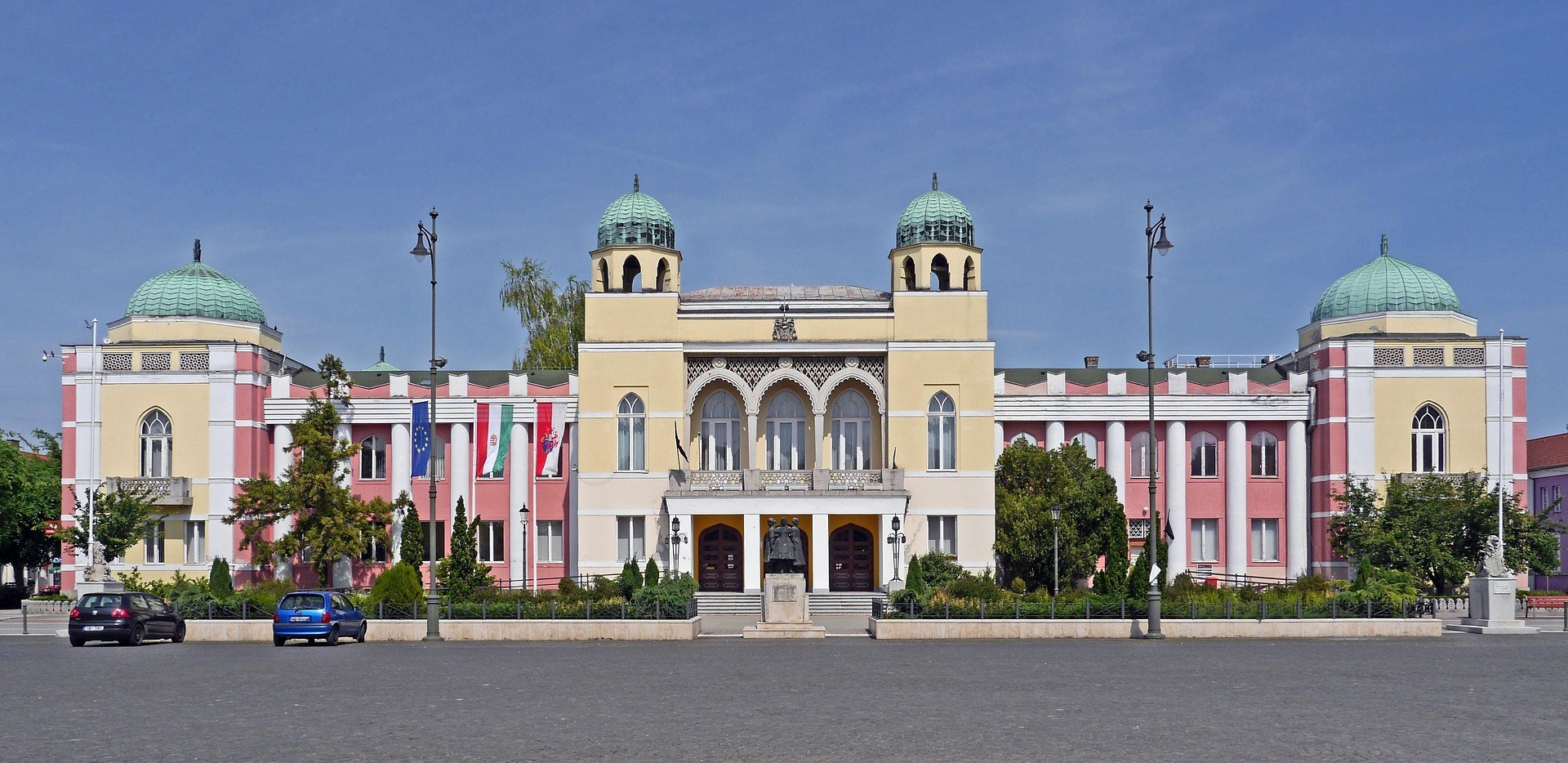
Mohács is a Danube-side town in southern Hungary, close to the country’s border with Croatia. Its riverside setting has shaped local life, trade, agriculture, and recreation, while the town’s streets contain a mixture of traditional houses and distinctive public buildings. Mohács is especially associated with the Busó festivities, a masked end-of-winter carnival that has become the city’s defining cultural tradition.

Rhone River
The Rhône River, flowing through the heart of France and into Switzerland, offers a captivating journey through one of Europe's most scenic and historically rich regions. Originating in the Swiss Alps, this majestic river winds its way southward, carving its path through picturesque landscapes, including the iconic lavender fields of Provence and the lush vineyards of the Rhône Valley.
Derry
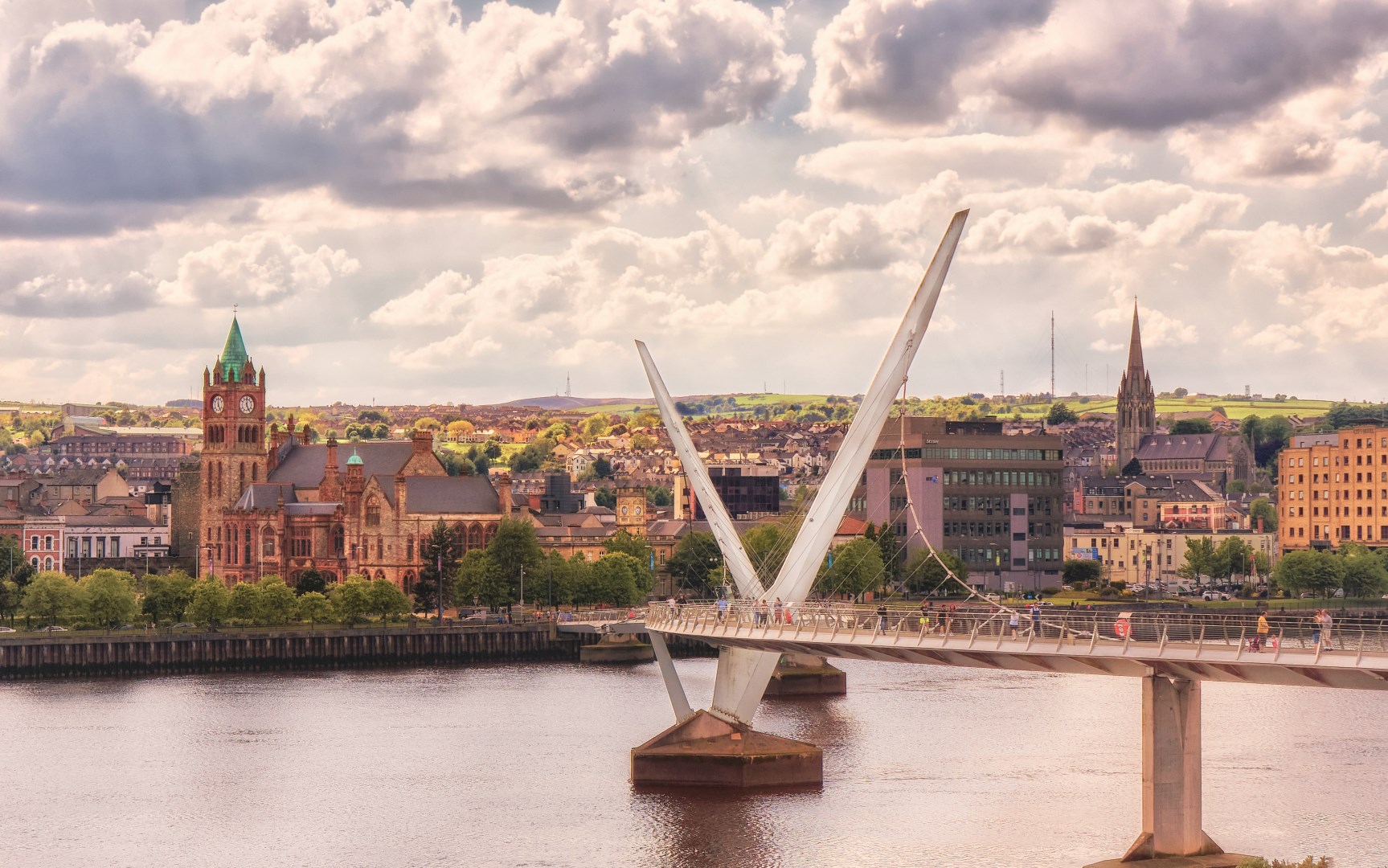
Derry stands on the banks of the River Foyle in Northern Ireland and is known for its intact seventeenth-century city walls, steep streets, and strong local identity.

Moldova
Moldova, a hidden gem nestled in the heart of Eastern Europe, invites travelers to discover a unique blend of history, culture, and nature. Often overlooked by mainstream tourism, this charming country boasts a rich tapestry of traditions that date back over a thousand years. Visitors can explore ancient monasteries and stunning landscapes along the Răut River.