Ludwigshafen
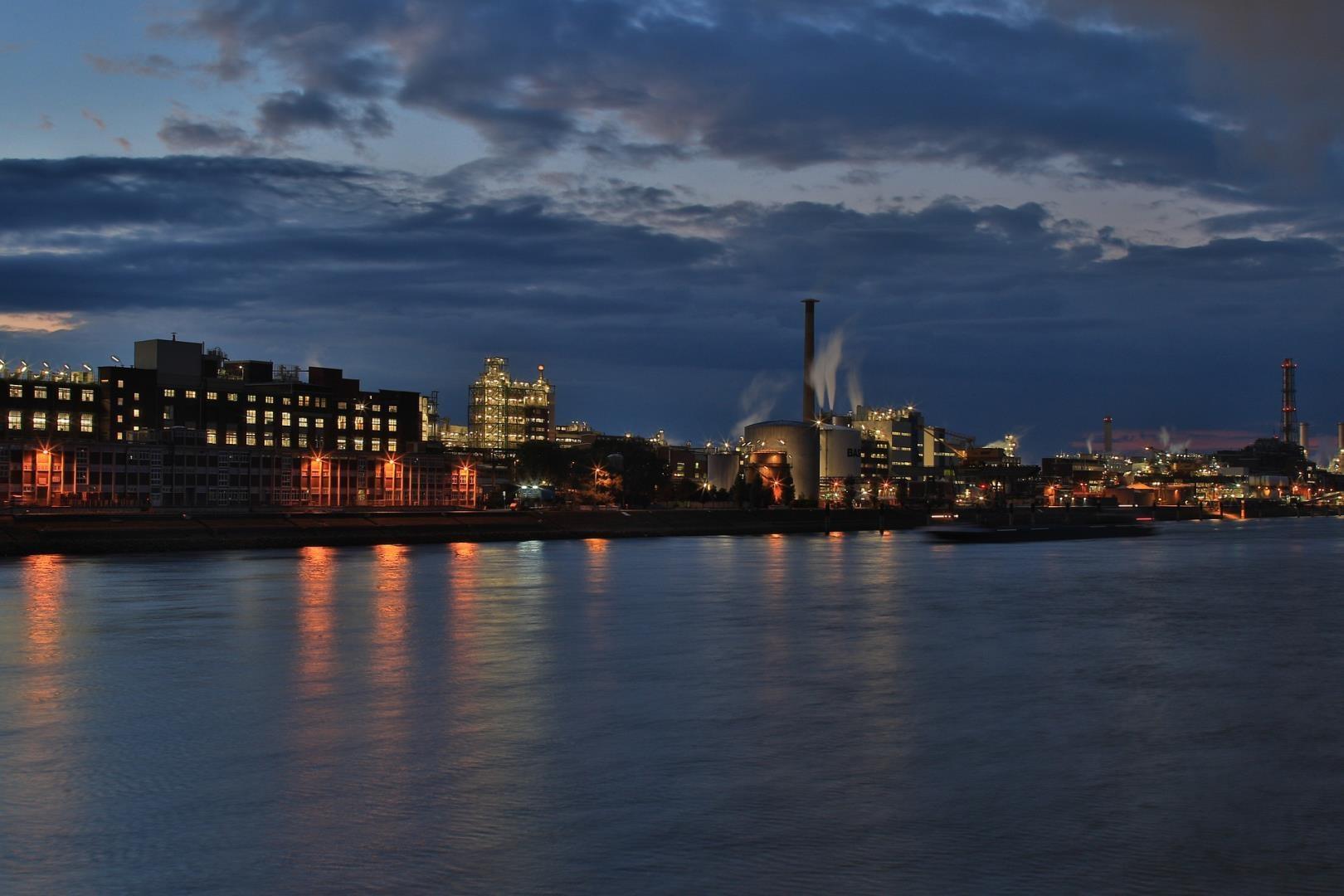
Ludwigshafen am Rhein is an industrial city in southwestern Germany, located on the western bank of the Rhine River opposite Mannheim.
Saskatchewan
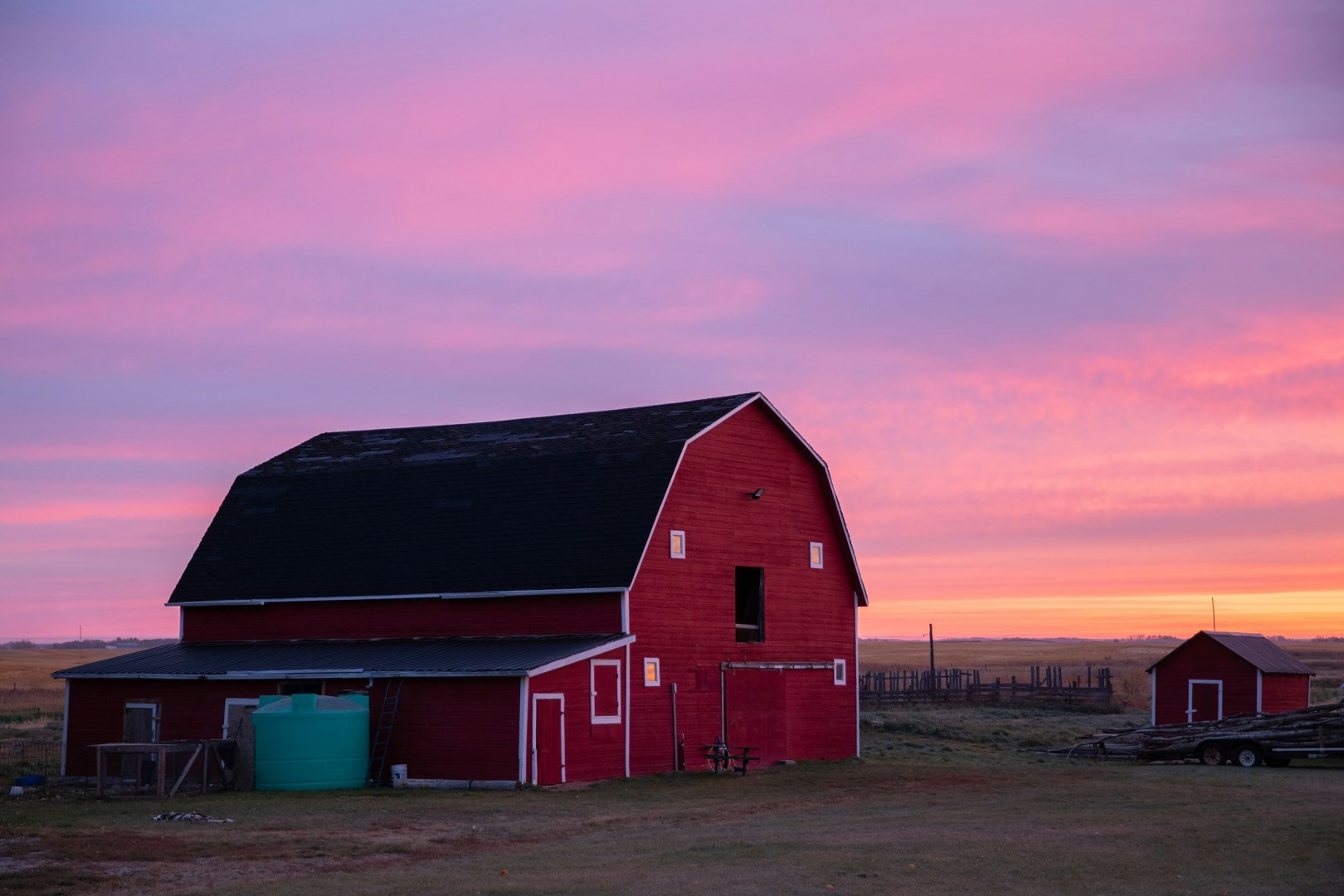
Regina is the provincial capital of Saskatchewan. Covering an area of 251,699 sq. miles, this Canadian heartland is ripe with sprawling farmlands and fertile soil producing almost one-third of North America's wheat supply. The Metis people populate a sparse area of the territory's northern wilderness of lakes, swamps and forest.
Giant's Causeway
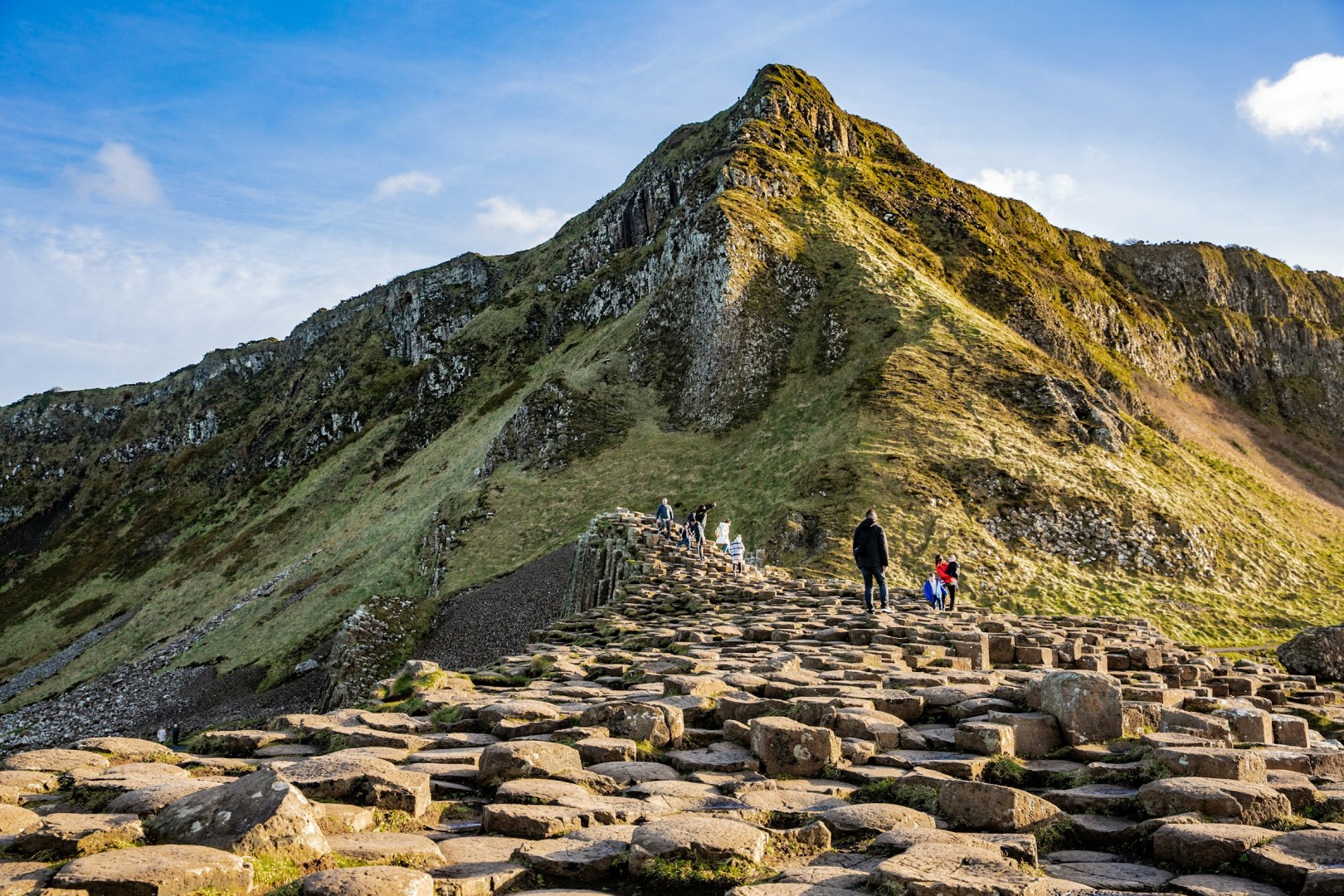
Giant’s Causeway is a remarkable coastal formation on the north coast of County Antrim, Northern Ireland, where roughly 40,000 interlocking basalt columns extend from the foot of the cliffs into the sea. Most columns have a distinctive polygonal shape, created as layers of molten basalt cooled and contracted. The site forms part of the Giant’s Causeway and Causeway Coast UNESCO World Heritage Site and is protected as an important geological landscape.

Inside Passage
This coastal route runs between the Gulf of Alaska and Puget Sound, and is a popular route for cruise ships. Cruise passengers can expect to see a breathtaking amount of wildlife, as well as Ketchikan, Wrangell, Prince of Wales, Sitka, Juneau, Haines, Skagway and Glacier Bay.
Bend
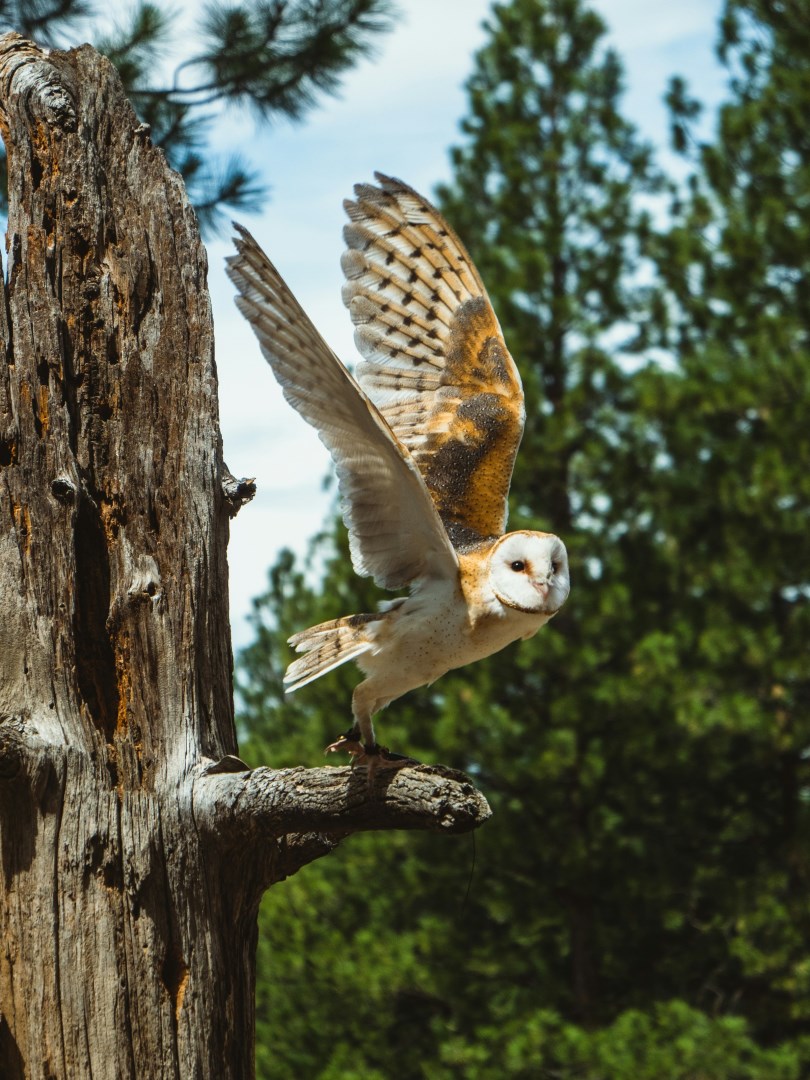
Central Oregon. Nestled along the Deschutes River, Bend is renowned for its outdoor activities and vibrant culture. The city is a haven for outdoor enthusiasts, offering year-round opportunities for hiking, biking, and skiing. The nearby Mount Bachelor, a popular ski resort, transforms into a winter wonderland with over 4,000 acres of skiable terrain. In the warmer months, it serves as a hub for mountain biking and hiking, with trails that cater to all skill levels.