Sainte-Suzanne
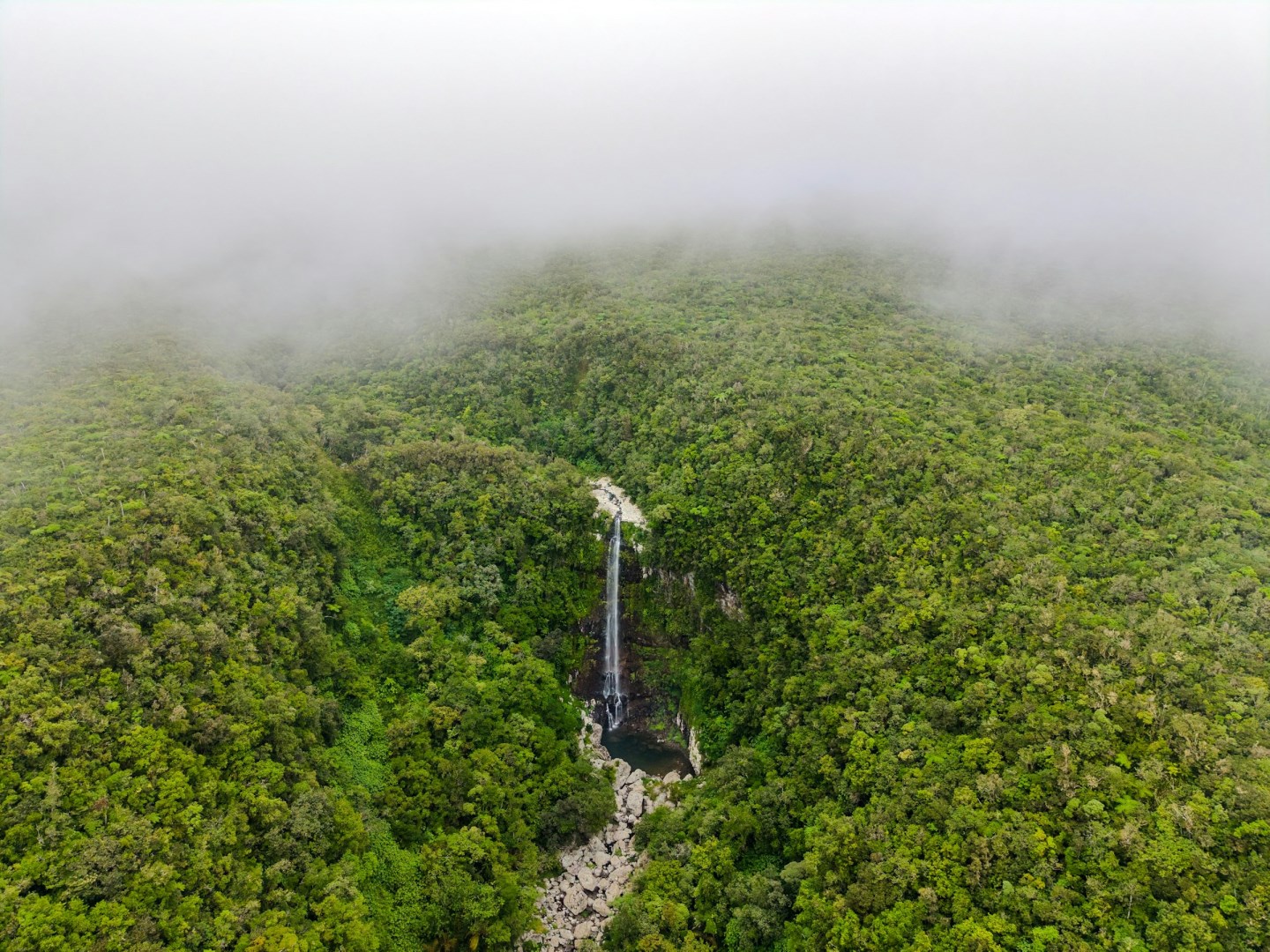
Sainte-Suzanne is a commune on the northeastern coast of Réunion, a French island in the southwestern Indian Ocean.
Chuuk
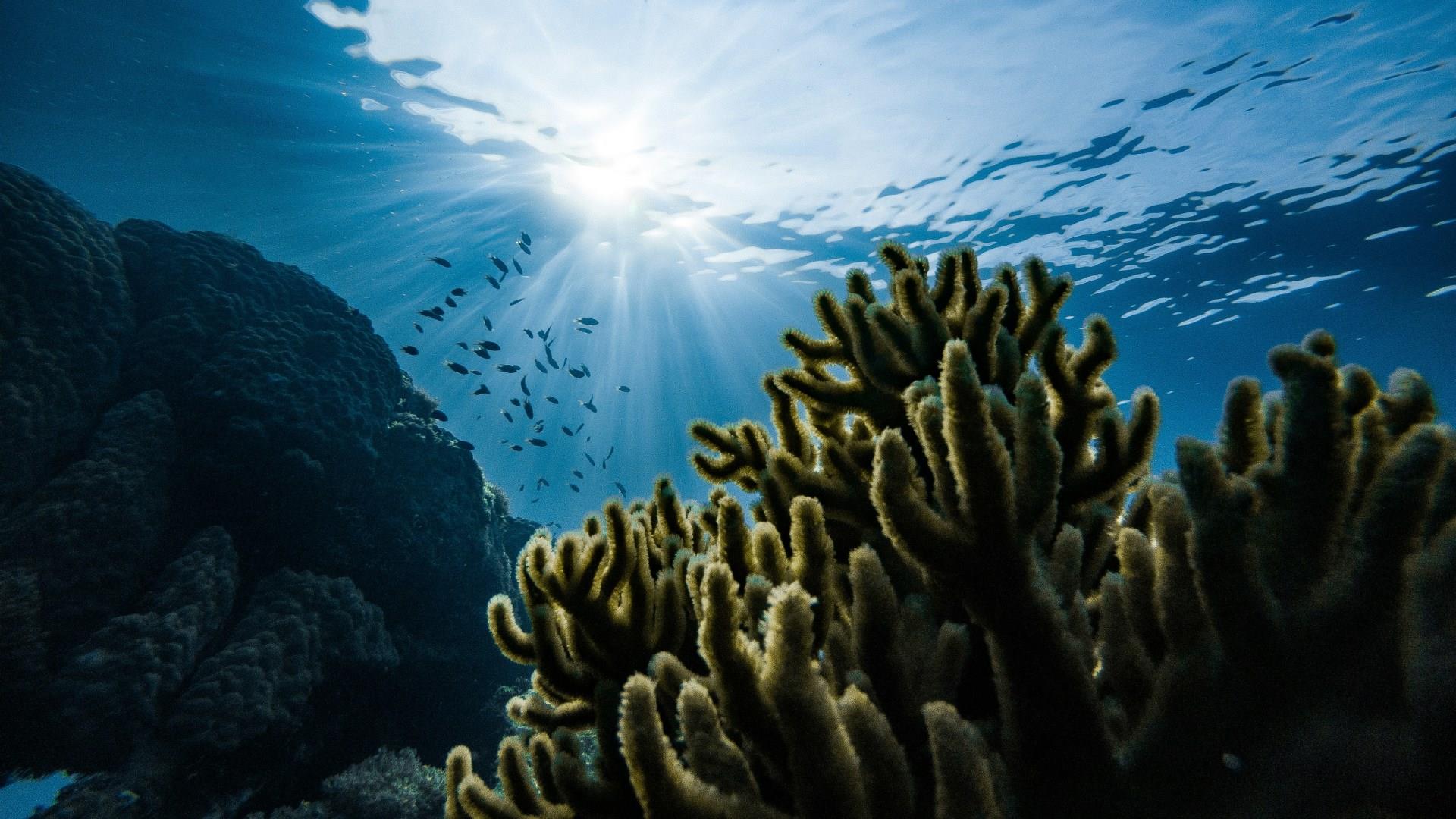
Chuuk, one of the four states of the Federated States of Micronesia, is best known for its vast lagoon which is one of the largest enclosed lagoons in the world. But what sets Chuuk apart is what lies beneath those calm blue waters: an entire underwater fleet of sunken warships, aircraft, and submarines left from World War II. Often called the "Ghost Fleet of Truk Lagoon," these wrecks make Chuuk a global destination for experienced divers.
Arecibo
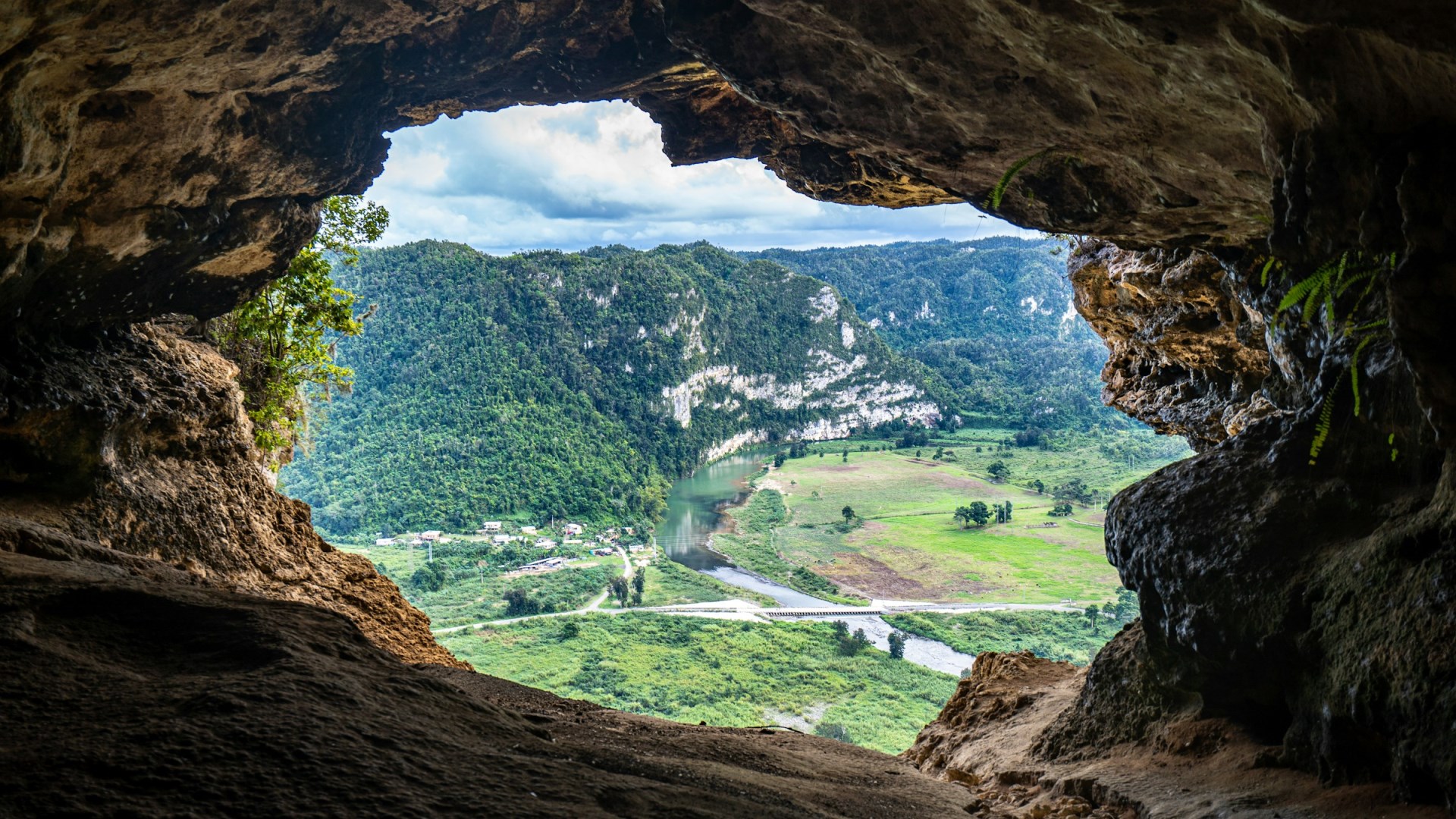
Arecibo is a coastal municipality on the north coast of Puerto Rico, where the Atlantic Ocean meets the island’s northern karst region. It is known for a varied landscape of beaches, limestone hills, caves, sinkholes, forests, and rivers, including the Río Grande de Arecibo and Río Tanamá.

Antananarivo
Antananarivo, Madagascar’s vibrant capital, offers a unique blend of cultural richness and historical depth. Perched on a series of hills, the city’s layout is characterized by its steep streets and traditional architecture. The Royal Palace, or Rova of Antananarivo, is a central landmark, offering a glimpse into Madagascar's royal past. Although much of the palace was destroyed by fire in 1995, the site remains a significant cultural and historical monument.
Burabay
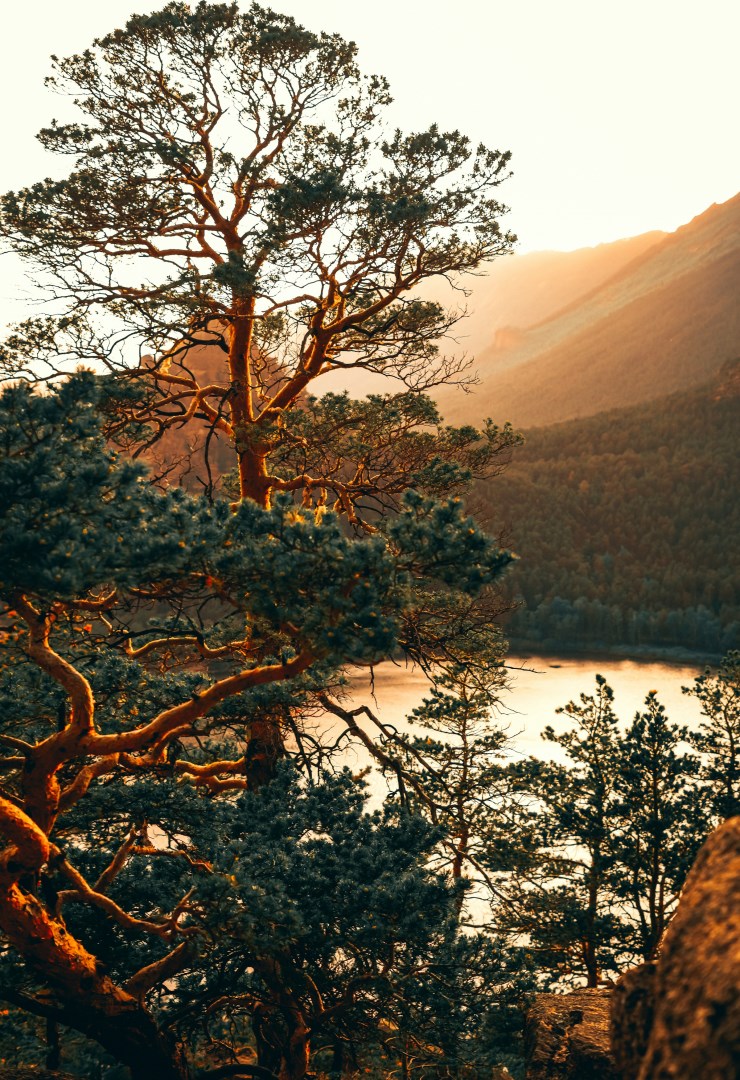
Burabay is a resort area in northern Kazakhstan, located within Burabay National Park in Akmola Region. The area is known for its combination of granite mountains, pine forests, freshwater lakes, and open steppe. Lake Burabay, one of the region's best-known bodies of water, lies among wooded hills and distinctive rock formations.