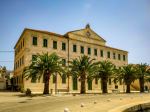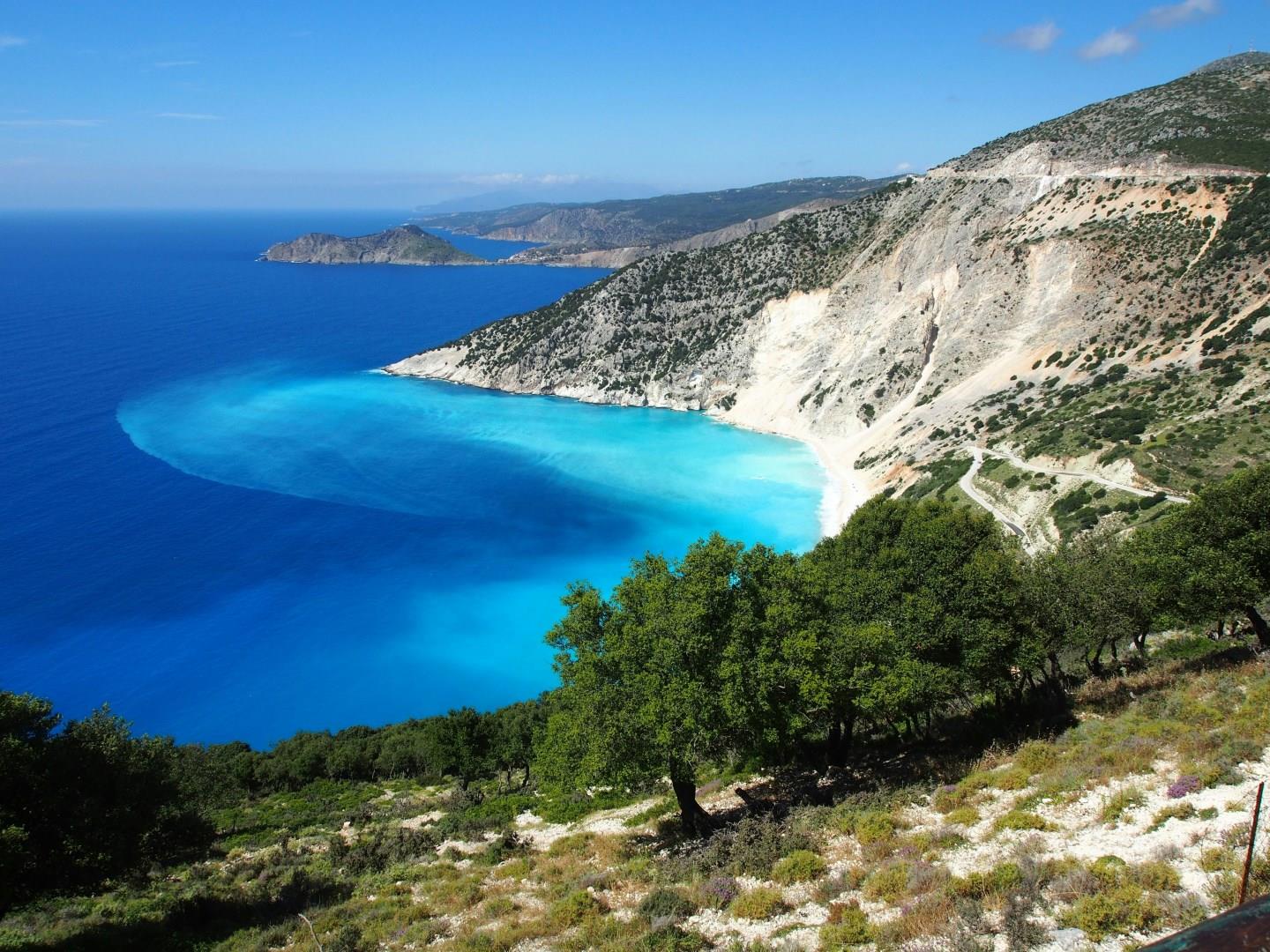
Argostoli sits on the west coast of Kefalonia, Greece’s largest Ionian Island, where a natural harbor meets the Koutavos Lagoon and a waterfront lined with cafés, tavernas, and shops. As the island’s capital, Argostoli blends everyday island life with moments of surprise, from sea turtles surfacing by fishing boats at dawn to historic sites hidden among palm trees and pedestrian streets.
Pilsen, located in the western part of the Czech Republic, is renowned for its rich history and vibrant cultural scene. The city is best known as the birthplace of Pilsner beer, a name synonymous with the iconic pale lager that has become a global standard.
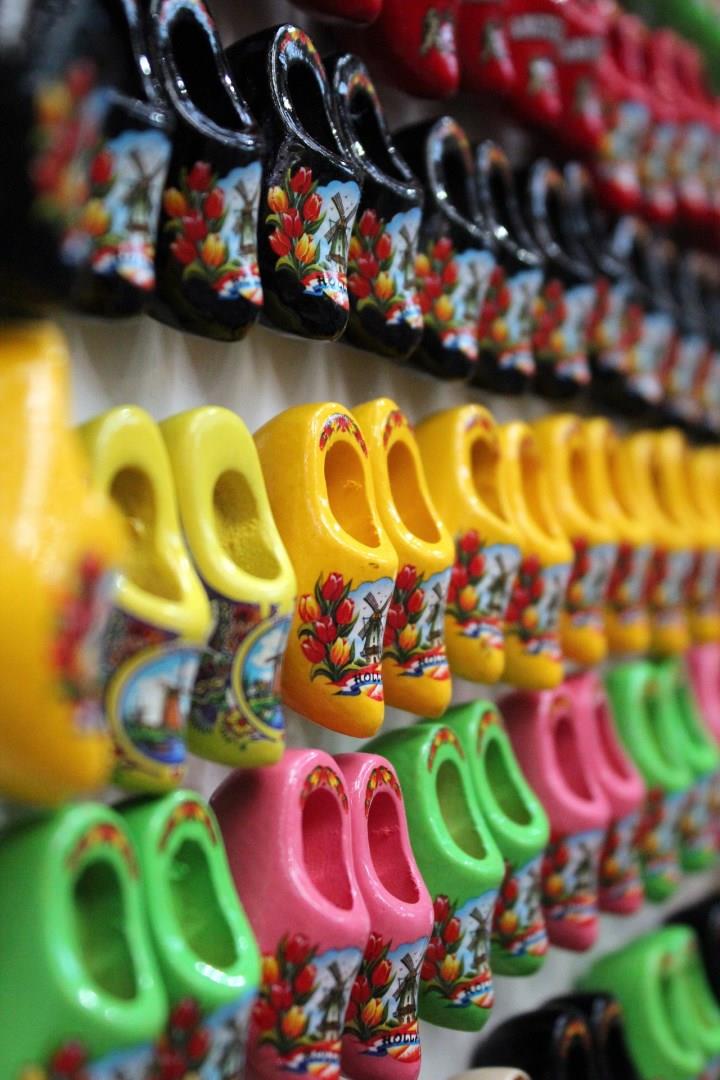
The Netherlands offers travelers a landscape where innovation and tradition intersect. In cities like Amsterdam, visitors can explore centuries-old canal networks and Golden Age architecture while also encountering contemporary art installations and sustainable urban design. The Rijksmuseum houses masterpieces by Rembrandt and Vermeer, while a short walk away, the Van Gogh Museum brings visitors closer to one of history’s most studied painters.
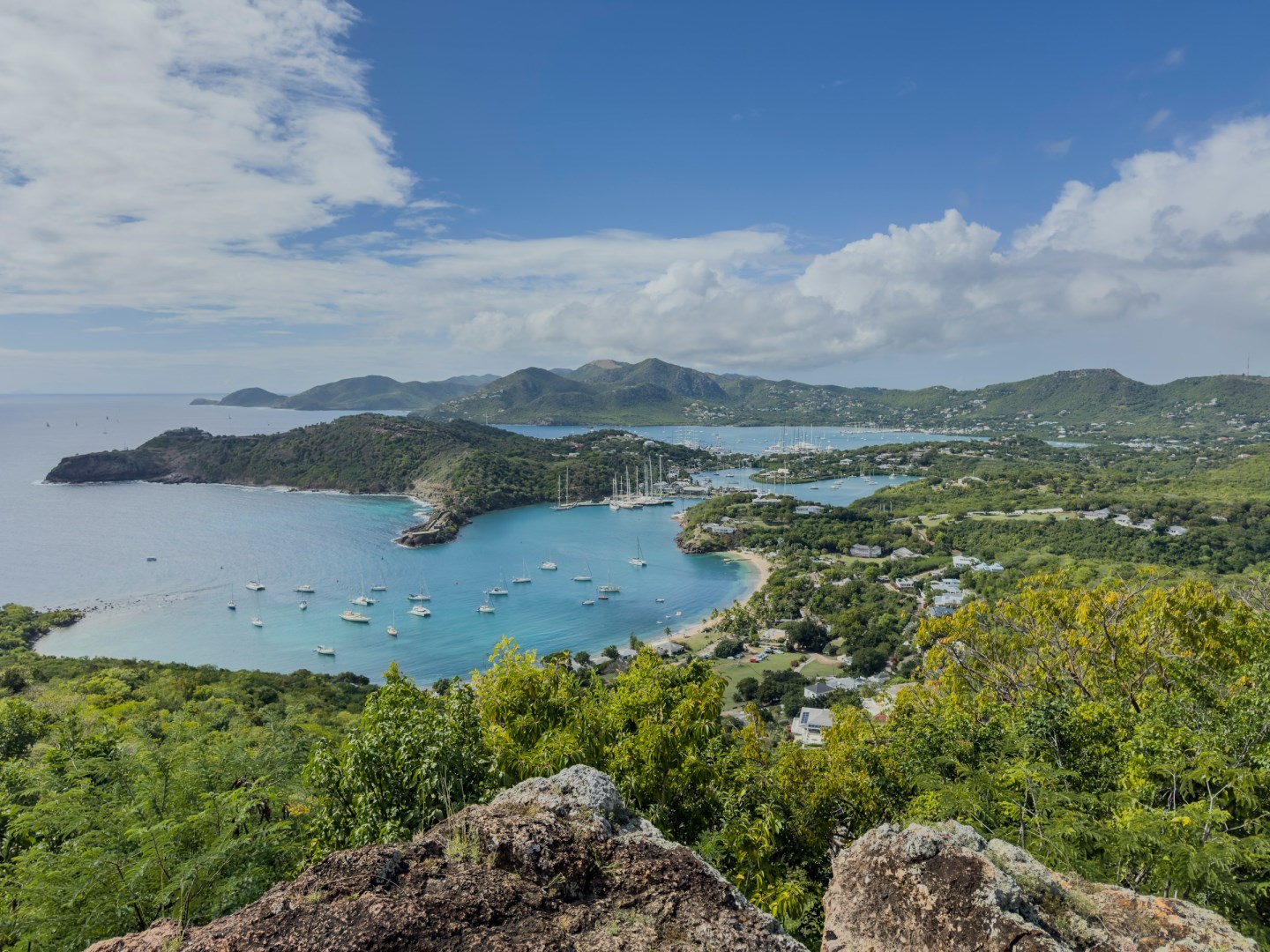
English Harbour is a historic harbour district on the southeastern coast of Antigua, known for its sheltered bay, maritime heritage, and surrounding hills. The area is closely associated with Nelson's Dockyard, a preserved Georgian naval complex that remains one of Antigua and Barbuda's best-known heritage sites.

Antarctica’s Deception Island offers a dramatic landscape shaped by volcanic forces in one of the most remote corners of the world. Located in the South Shetland Islands, it is the caldera of an active volcano, its flooded interior forming a natural harbor known as Port Foster. This rare combination of volcanic activity and polar environment makes Deception Island a place where ice and fire meet.
Photo Credit: Photo by rebecca stremitzer on Unsplash
Photo Credit: Photo by Joanna on Unsplash
Photo Credit: Photo by Fabiana Rizzi on Unsplash
Photo Credit: Photo by Patrycja Mancewicz on Unsplash
Photo Credit: Photo by Meg von Haartman on Unsplash
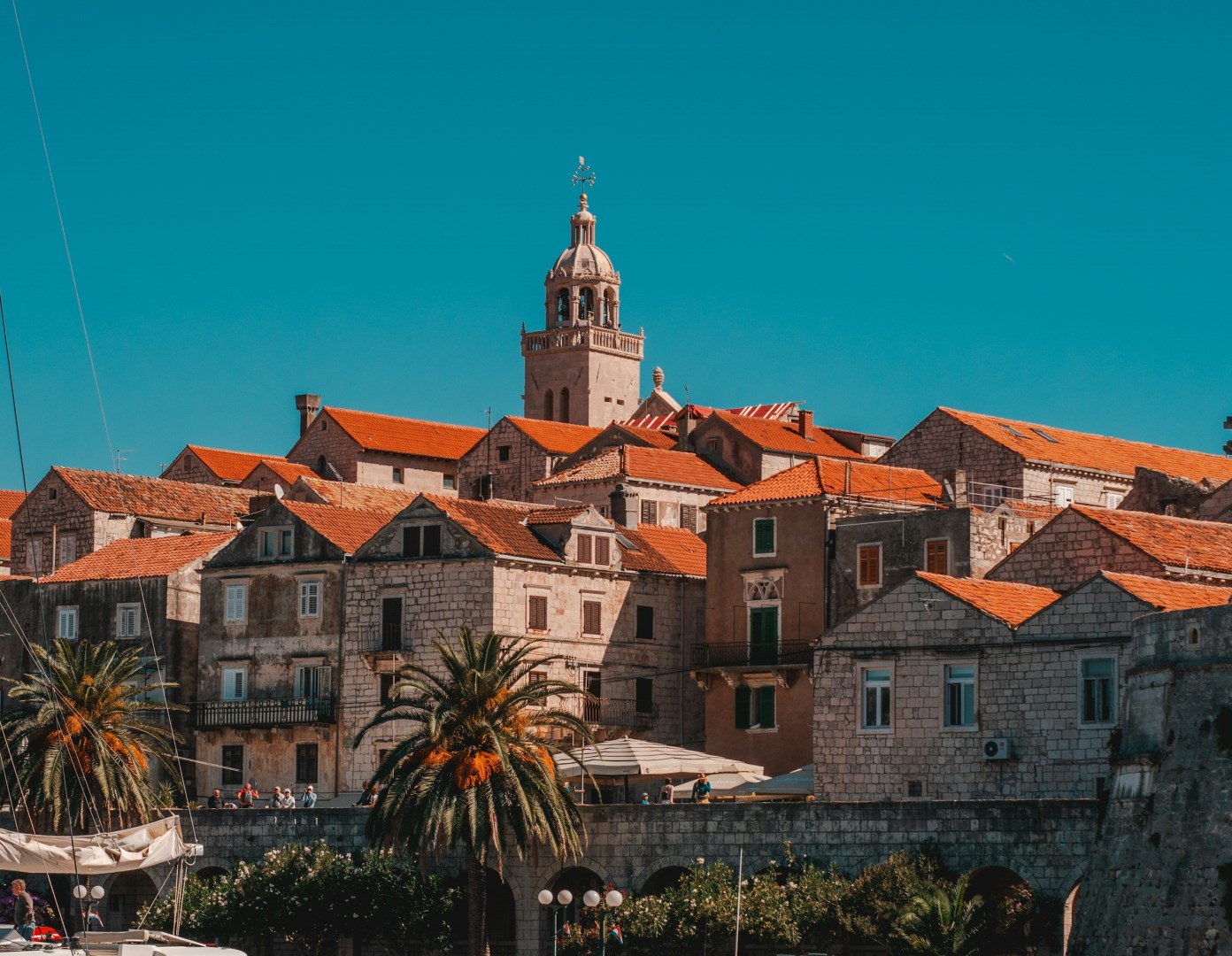
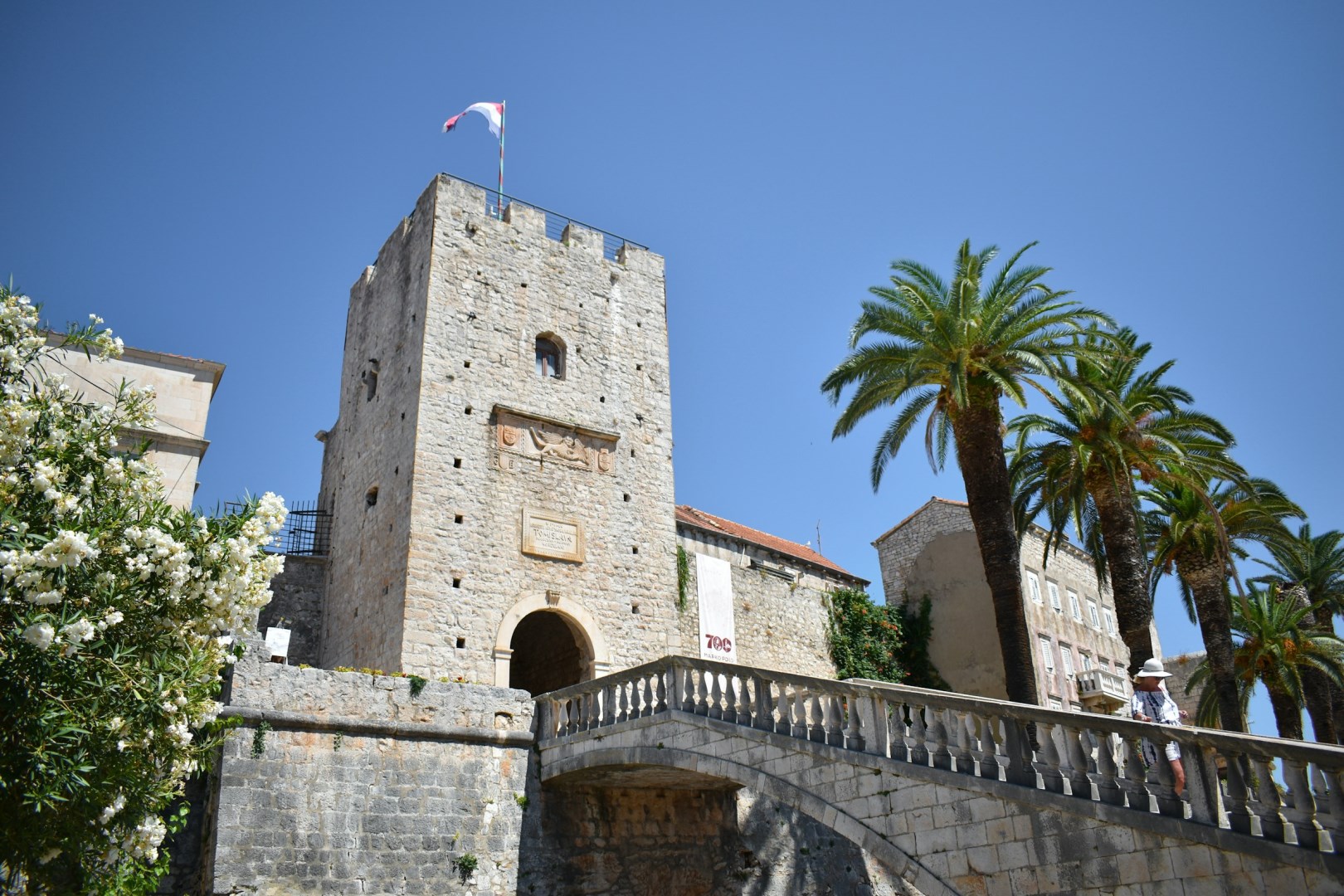
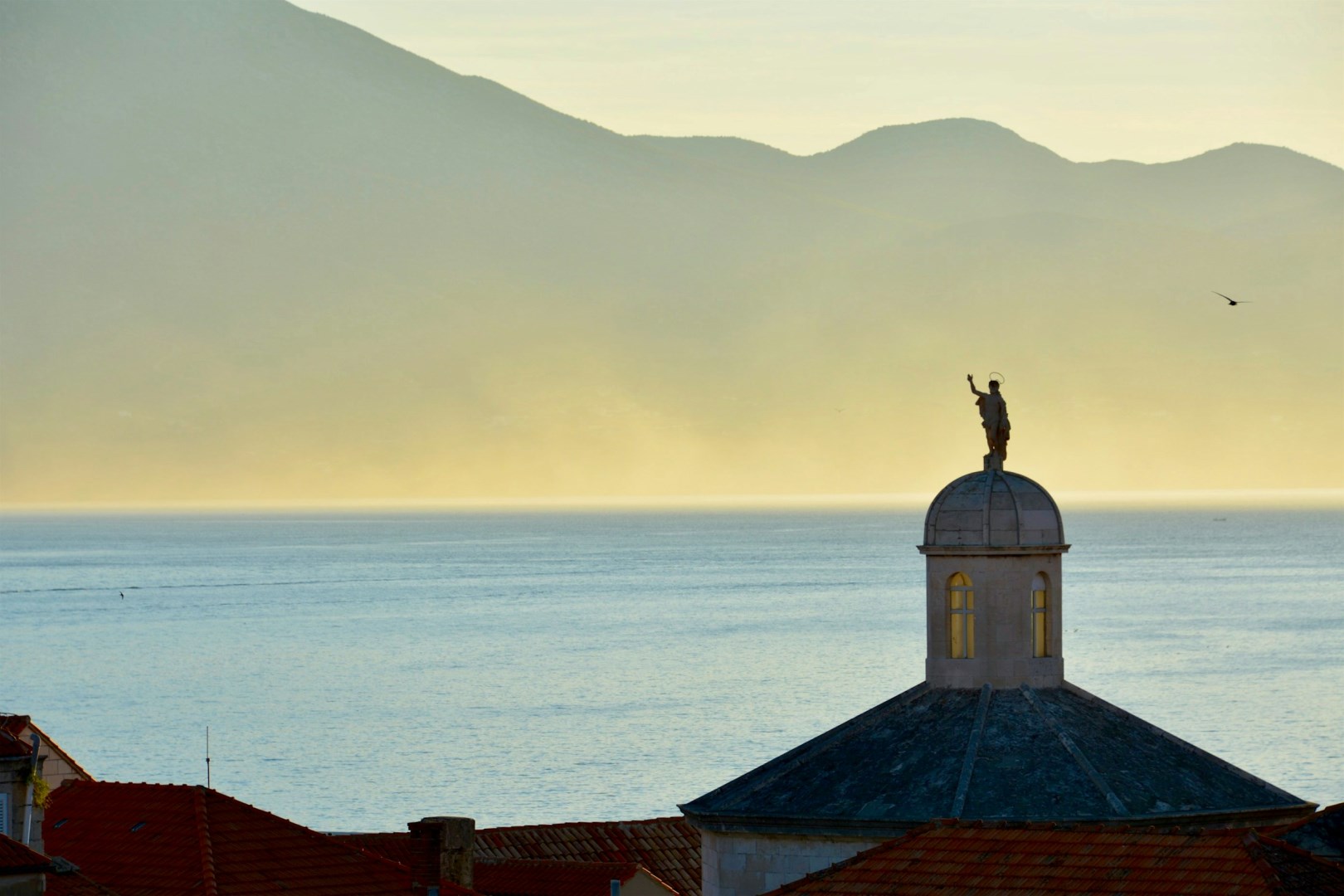
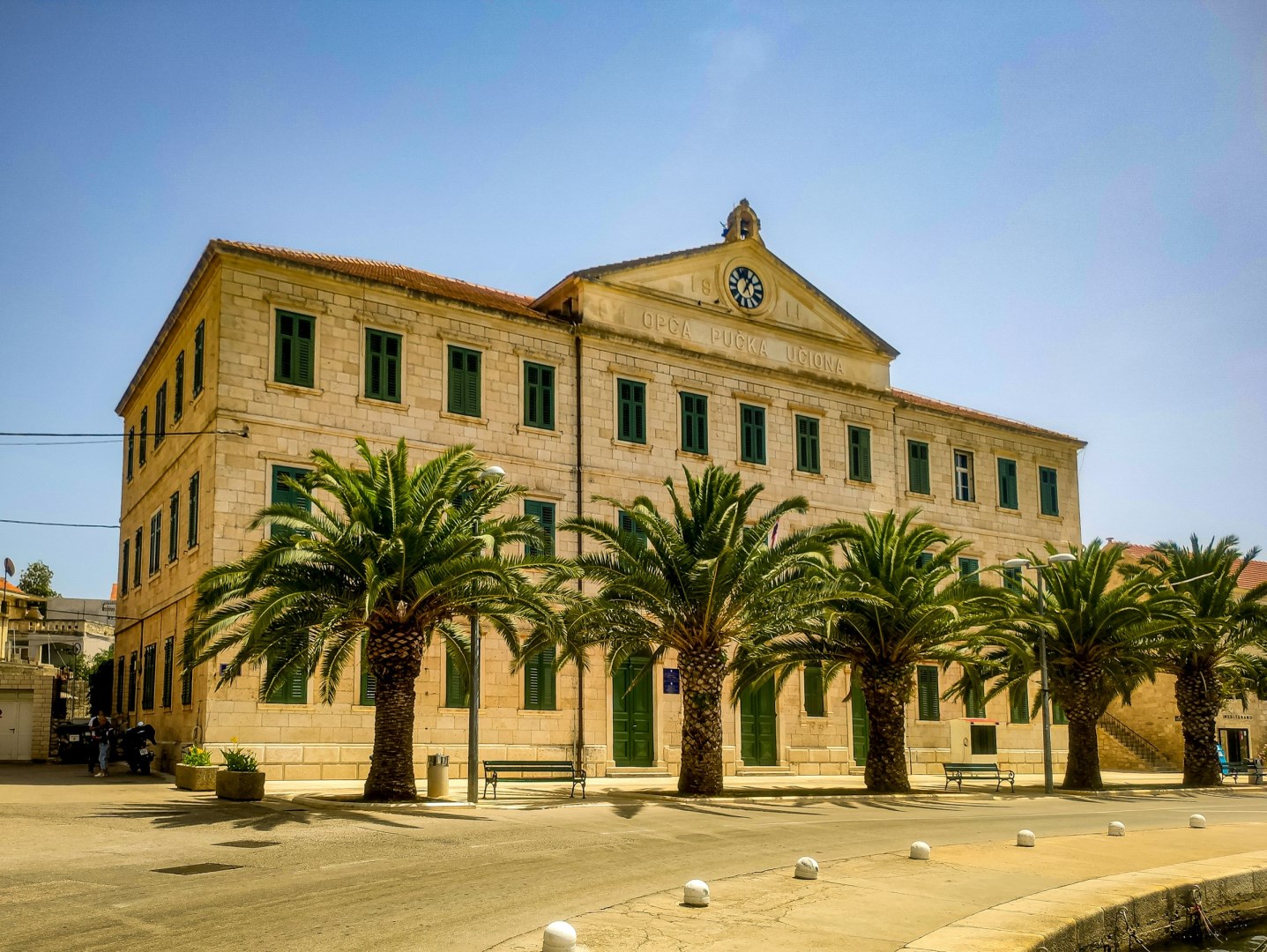
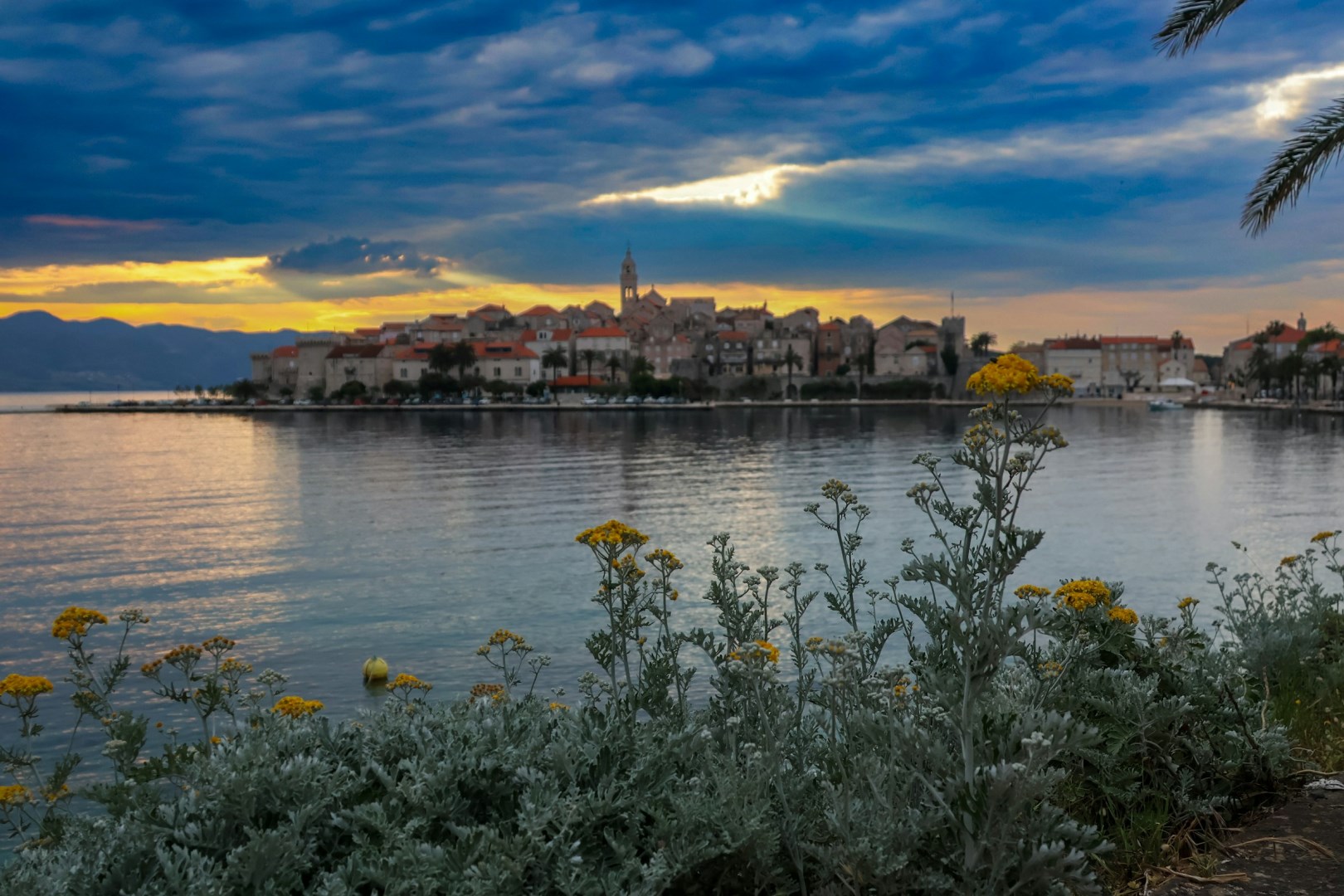
Korčula, a jewel in Croatia's Adriatic Sea, invites visitors to immerse themselves in its rich history and stunning natural beauty. Often referred to as "Little Dubrovnik," the city boasts well-preserved medieval architecture, narrow cobblestone streets, and a fortified old town encircled by ancient walls. This picturesque city is renowned for its blend of Venetian and local architectural styles, epitomized by landmarks like St. Mark's Cathedral and the impressive City Walls.
The birthplace of Marco Polo, Korčula offers a compelling glimpse into the life of this famous explorer. The Marco Polo Museum in the heart of the old town explores his travels and legacy, providing a fascinating insight into how this small island city influenced one of history's greatest adventurers (source). Walking through Korčula’s historic center feels like stepping back in time, with its charming squares, Gothic and Renaissance buildings, and quaint shops selling local crafts and wines.
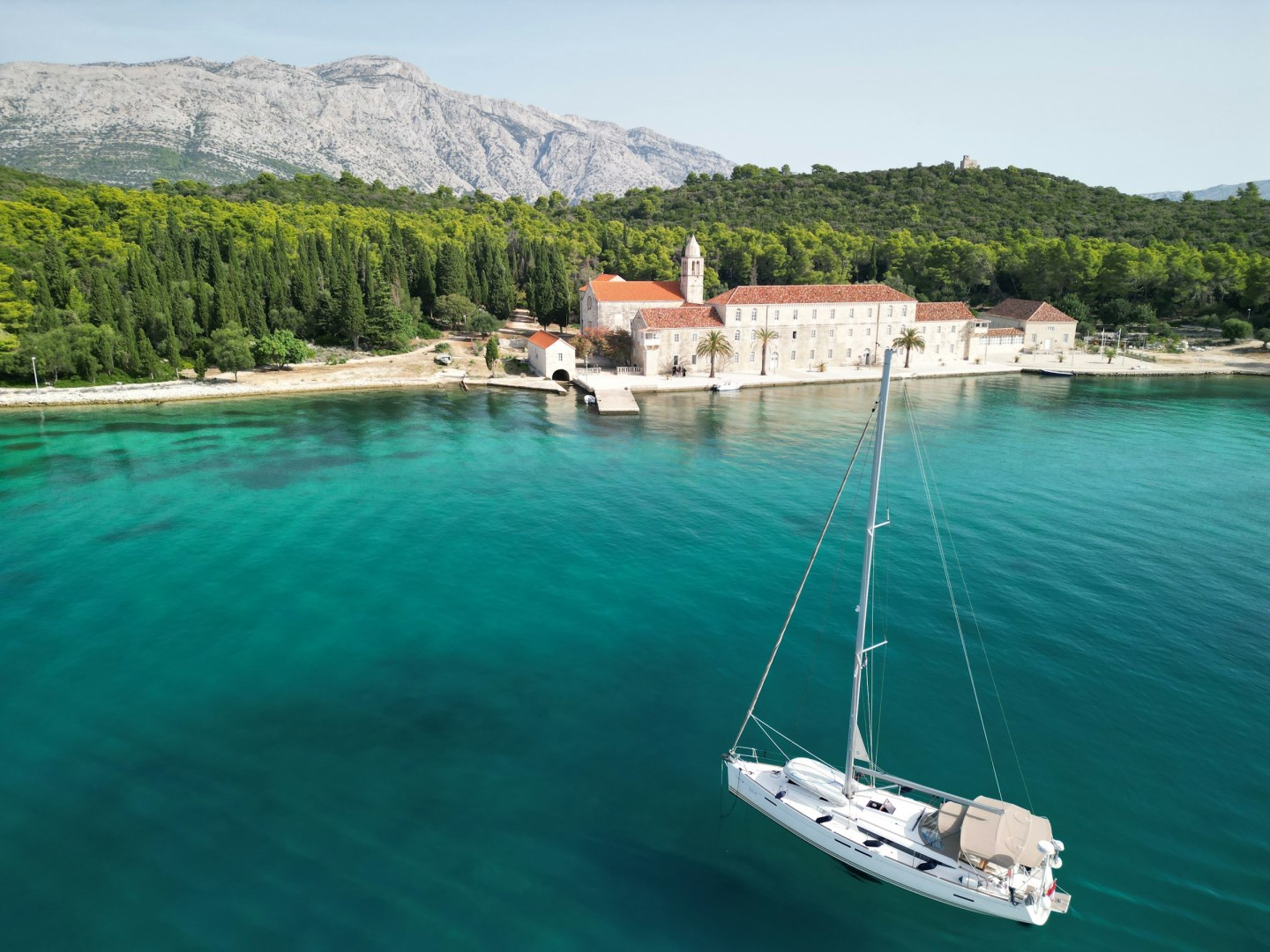
Korčula is also celebrated for its vibrant cultural scene and traditional events. The island hosts various festivals throughout the year, including the Moreska Sword Dance, a centuries-old performance reflecting local folklore and martial traditions. In addition to its historical and cultural allure, Korčula’s crystal-clear waters and scenic beaches make it an ideal destination for relaxation and outdoor activities, such as swimming, sailing, and hiking.
Whether you’re intrigued by its historical connections, enchanted by its medieval charm, or eager to explore its beautiful coastlines, Korčula offers a memorable experience that captures the essence of Croatia’s cultural and natural splendor.
Other Popular Destinations in Croatia
Dubrovnik
Dubrovnik, often hailed as the "Pearl of the Adriatic," is a city where history and stunning natural beauty converge. Enclosed within its ancient city walls, which are a UNESCO World Heritage Site, you’ll find a captivating blend of medieval architecture and vibrant culture. The city's Old Town is a maze of cobblestone streets, lined with baroque churches, Renaissance buildings, and charming squares.
Split
Split, Croatia, is a city where ancient history and modern vibrancy blend seamlessly, creating an alluring destination for travelers. At the heart of Split is the UNESCO World Heritage Site of Diocletian's Palace, a remarkably well-preserved Roman complex built by Emperor Diocletian in the 4th century AD. This sprawling palace complex, with its labyrinthine streets, ancient walls, and grand Peristyle courtyard, is not just a historical site but a bustling part of the city’s daily life.