
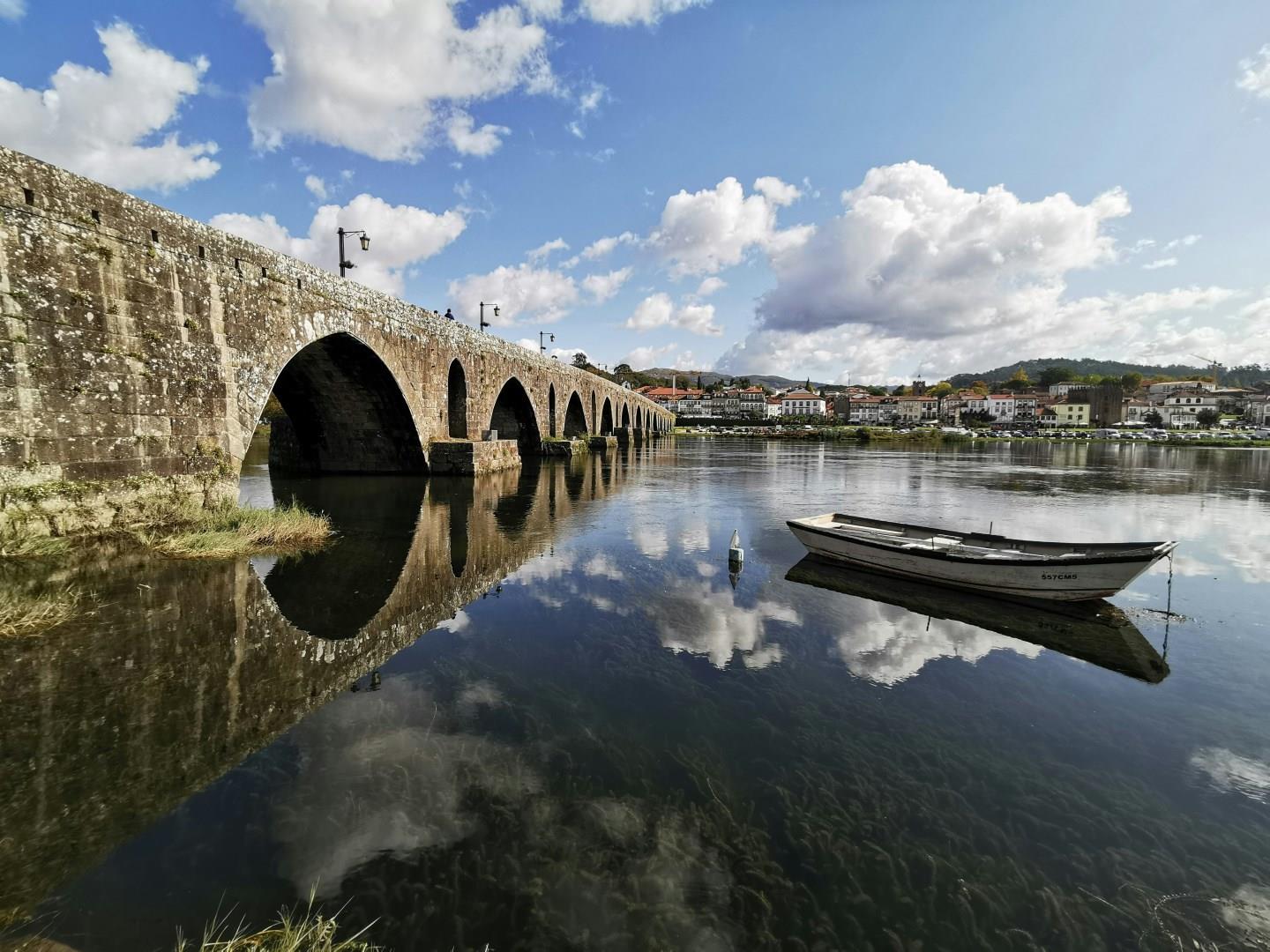
Ponte de Lima
Ponte de Lima sits along the Lima River in northern Portugal and is often regarded as the country’s oldest town. Its identity centers on the medieval bridge that spans the river, parts of which date back to Roman times and still structure how the town is experienced today.

College Fjord
East of Anchorage and Chugach State Park, College Fjord offers a glimpse into some of Alaska's most beautiful natural landscapes. Located in Prince William Sound, College Fjord is filled with stunning glaciers and is a popular site for Alaskan cruises.

Cape Verde
Located off the coast of West Africa, Cape Verde is an archipelago that is sure to enchant visitors with its unique blend of African and Portuguese influences. This group of ten volcanic islands boasts dramatic landscapes, from the barren, rugged mountains of Fogo Island to the lush, green hills of Santo Antão. With its stunning landscapes, lively culture, and warm hospitality, Cape Verde offers a wide range of activities for all sorts of travelers.

Brač
Brac, the largest island in Croatia’s Dalmatian group, is a captivating destination that offers a blend of natural beauty, historical charm, and vibrant local culture. Known for its stunning beaches and picturesque landscapes, Brac is home to the world-famous Zlatni Rat beach, often regarded as one of the most beautiful beaches in the Adriatic Sea.

New Caledonia
New Caledonia is an archipelago located in the south western part of the Pacific Ocean, and belongs to what is known as Melanesia. The mainland known as the "Grande Terre" is the principal island of New Caledonia and covers an area of 400 kms north to south and 50 kms west to east, with a total surface of 19 000 square meters. It is the third largest island in the South Pacific after New Guinea and New Zealand.


