Dominica
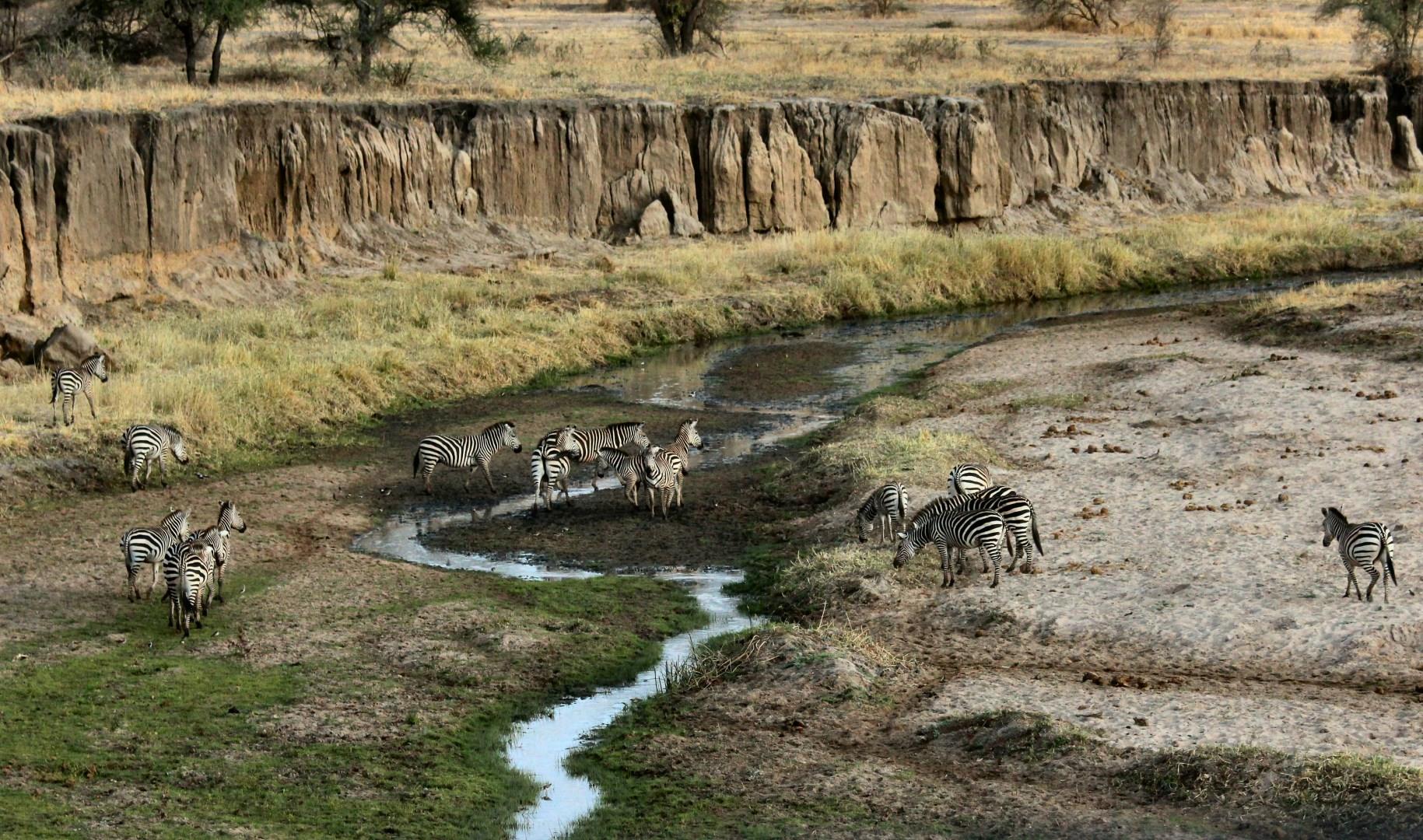
Dominica, known as the “Nature Island of the Caribbean,” is a haven for eco-tourists and adventure seekers. Nestled between the French islands of Guadeloupe and Martinique, this lush island boasts a remarkable landscape of volcanic mountains, dense rainforests, and stunning waterfalls. Dominica’s most iconic natural wonder is the Boiling Lake, the second-largest hot spring in the world.

Funchal
Nestled on the sun-drenched southern coast of Madeira, Funchal, the island's capital, offers an enchanting mix of old-world charm, vibrant culture, and natural beauty. This picturesque city, set against a backdrop of rugged mountains and the deep blue Atlantic Ocean, is known for its lush botanical gardens, stunning vistas, and year-round mild climate.
Cayenne
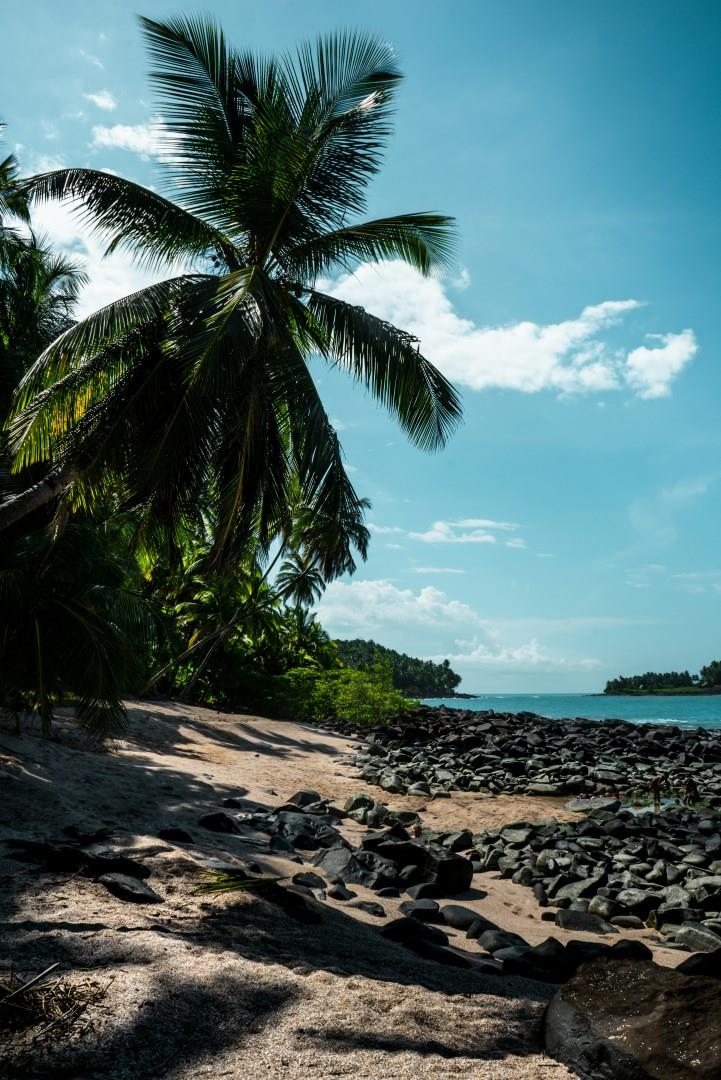
Cayenne, the lively capital of French Guiana, sits where the Cayenne River meets the Atlantic Ocean, blending South American rhythms with French-Caribbean influence. While it's officially part of France, Cayenne feels worlds away from Paris, with colorful markets, colonial architecture, and a language mix that includes French, Creole, Portuguese, and Indigenous dialects.

Algarve
The Algarve, Portugal's southernmost region, is a treasure trove of stunning landscapes and rich cultural experiences. Renowned for its breathtaking coastline, the Algarve boasts dramatic cliffs, golden sandy beaches, and crystal-clear waters. The coastline is dotted with picturesque towns like Lagos and Albufeira, which offer a blend of vibrant nightlife and tranquil beaches. The iconic Ponta da Piedade near Lagos is a must-see, with its striking rock formations and secluded caves that can be e
St. George
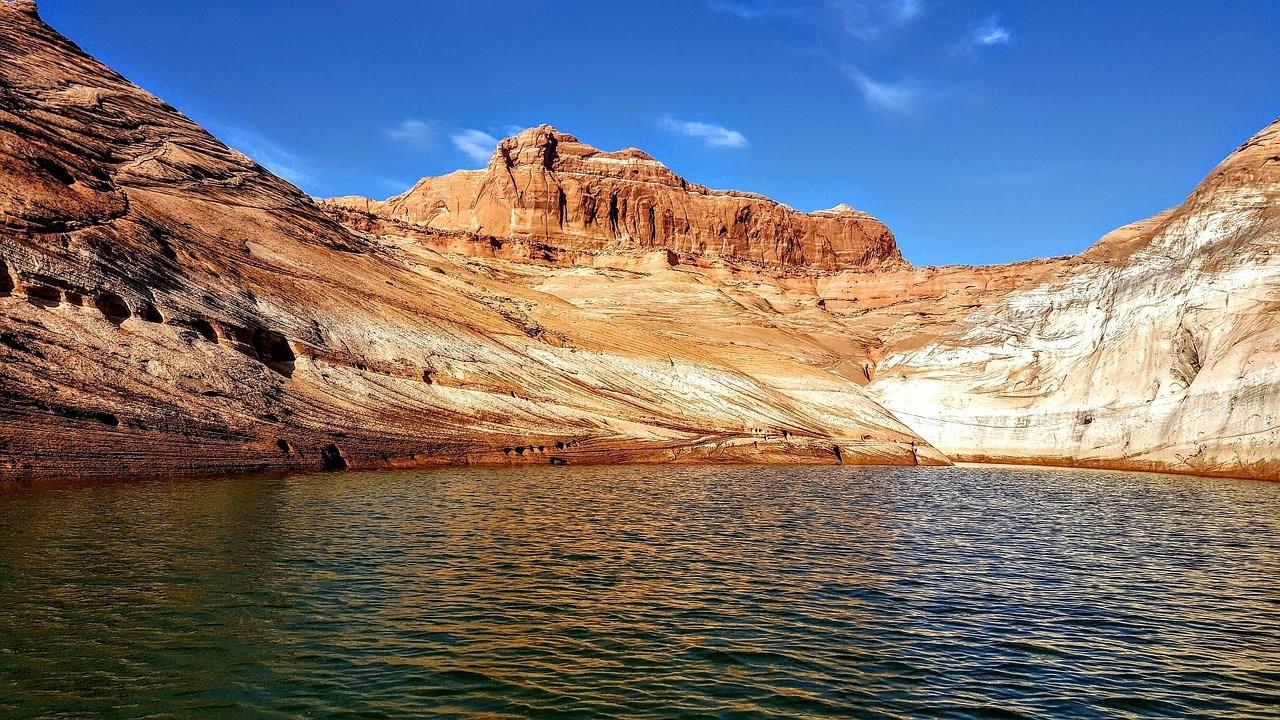
St. George, Utah, is a desert city in the state’s southwest corner, celebrated for its striking red rock landscapes, mild climate, and proximity to some of the American West’s most iconic natural wonders.