Dominica, known as the “Nature Island of the Caribbean,” is a haven for eco-tourists and adventure seekers. Nestled between the French islands of Guadeloupe and Martinique, this lush island boasts a remarkable landscape of volcanic mountains, dense rainforests, and stunning waterfalls. Dominica’s most iconic natural wonder is the Boiling Lake, the second-largest hot spring in the world.
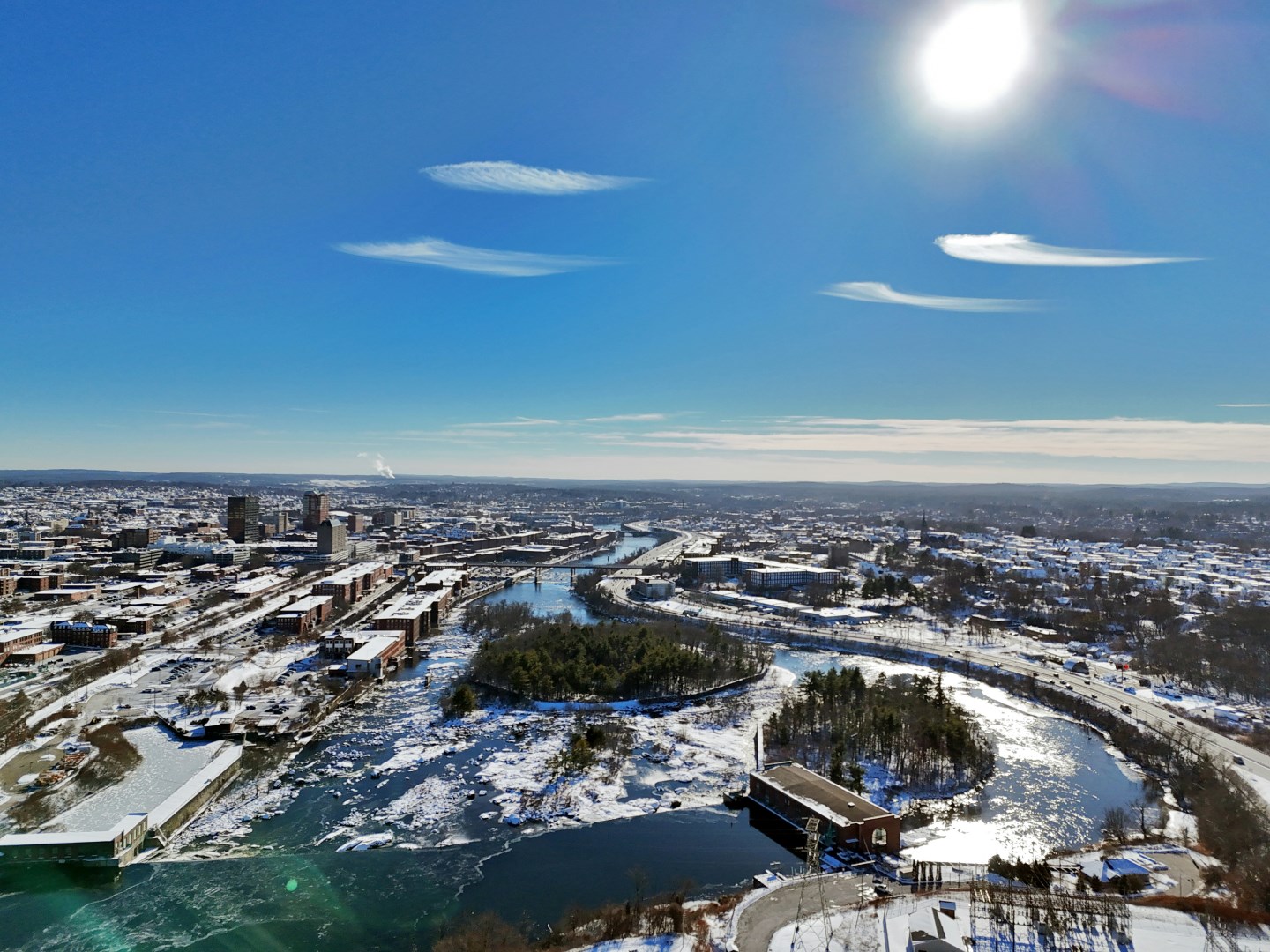
Manchester, New Hampshire, is a city where history and modern life intersect along the banks of the Merrimack River. Once a hub for textile mills, the city’s industrial roots are still visible in renovated brick buildings and restored warehouses that now house shops, offices, and restaurants. The riverfront provides scenic walks and public spaces that highlight both the city’s industrial past and its present-day urban life.
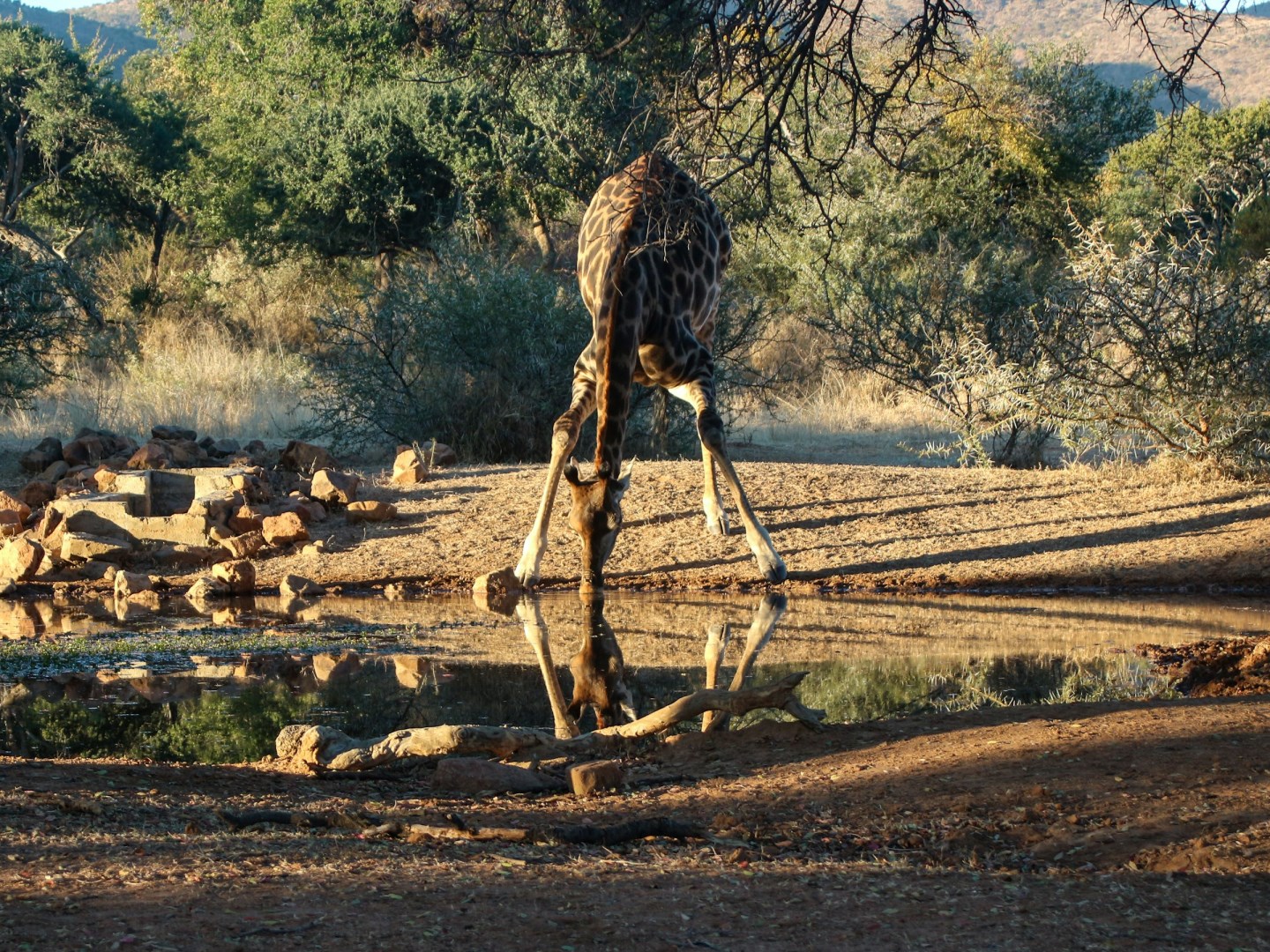
Limpopo is South Africa’s northernmost province, sharing international borders with Botswana, Zimbabwe, and Mozambique. Its landscape ranges from the bushveld and baobab-studded plains of the north to the Soutpansberg Mountains, escarpment forests, and fertile valleys of the south. The province is strongly associated with wildlife, with large protected areas forming part of the Greater Kruger ecosystem.
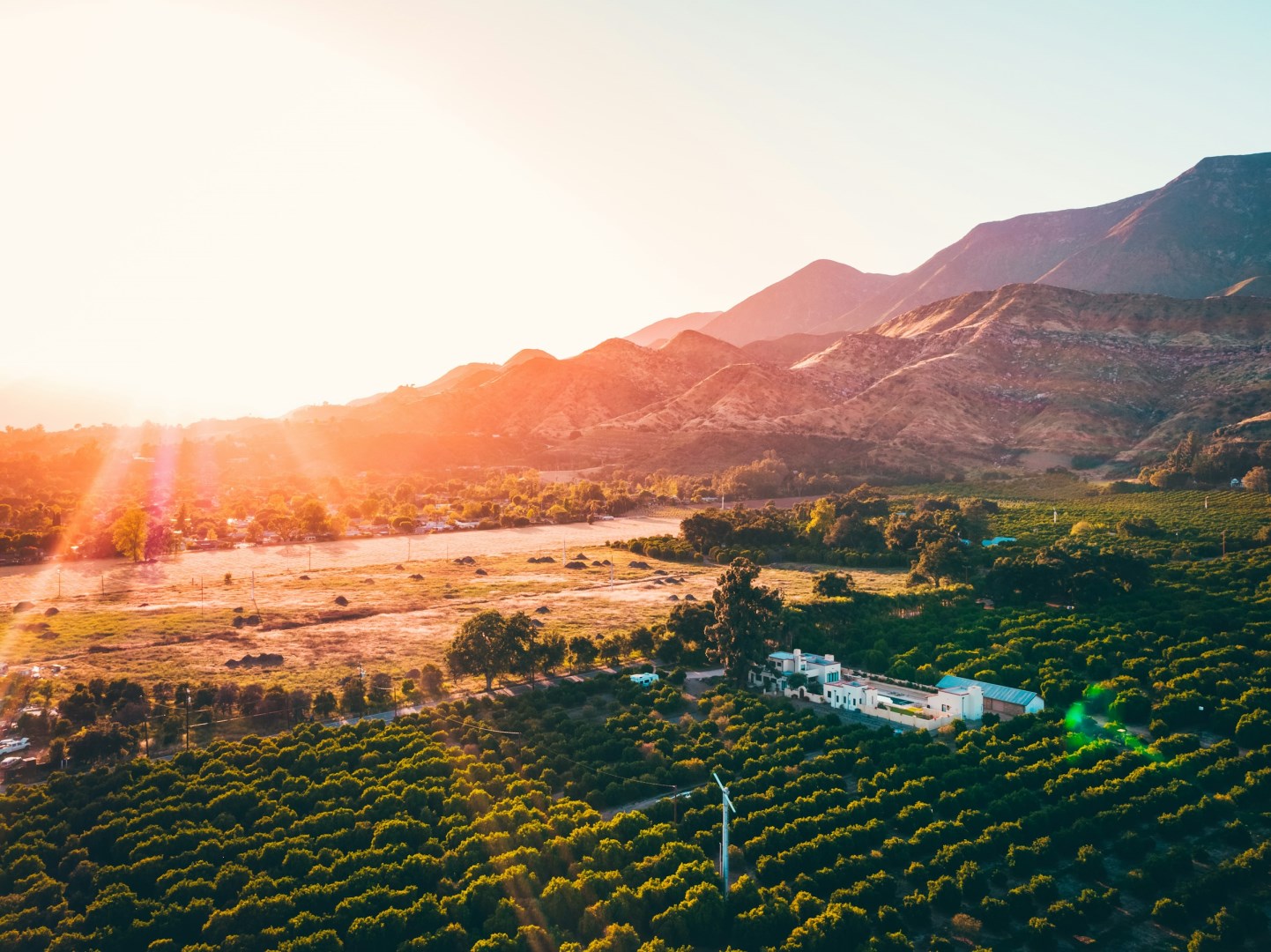
Ojai (pronounced "Oh hi") is an Indian name generally accepted as meaning "the nest," although experts also interpret it as "moon." The valley was home to the Chumash who ascribed the east-west lying valley with mystical powers and found sanctuary in its canyons and mountains.
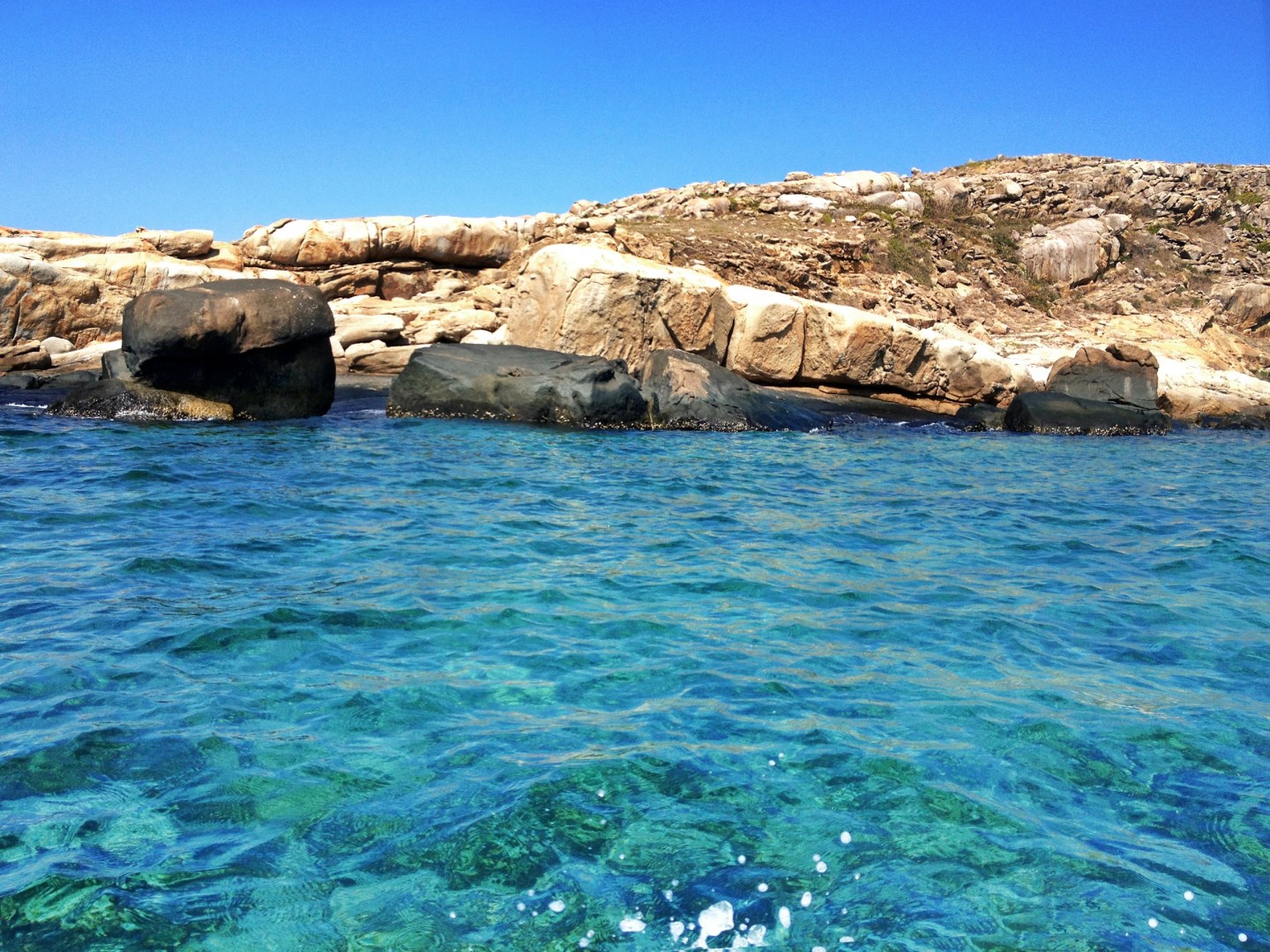
Seclusion is the name of the game on Lizard. It's a large national-park island and surrounded by Osprey Island, Seabird Islet, South and Palfrey islands. Lizard has special historical interest due to Captain Cook's visit. It also has fine diving and fishing possibilities, 23 superb beaches (among the reef's best) and great swimming and snorkelling.
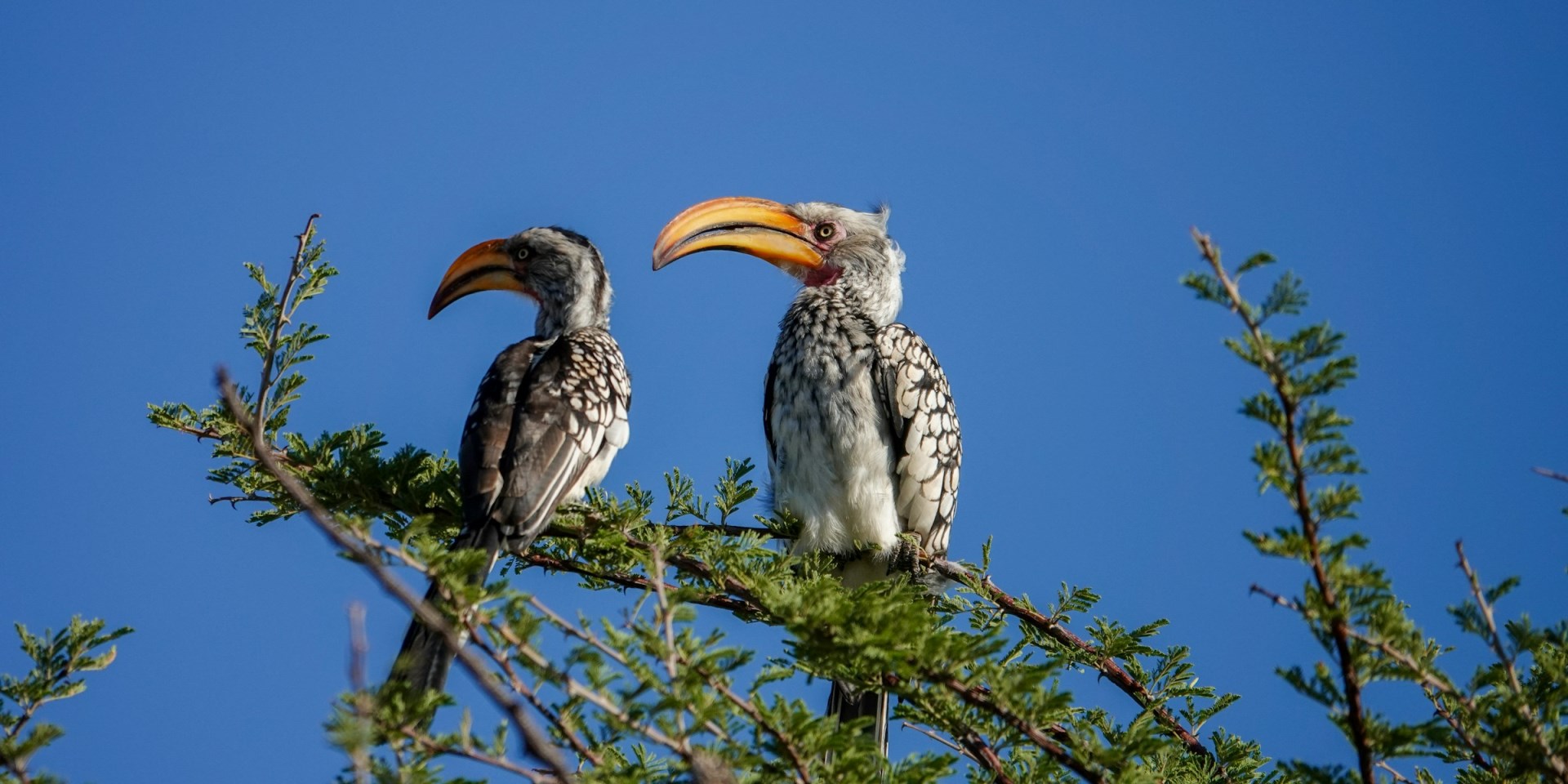
Photo Credit: Photo by Fabien BELLANGER on Unsplash
Photo Credit: Photo by Nathalie Lays on Unsplash
Photo Credit: Photo by Nicolas Cortois on Unsplash
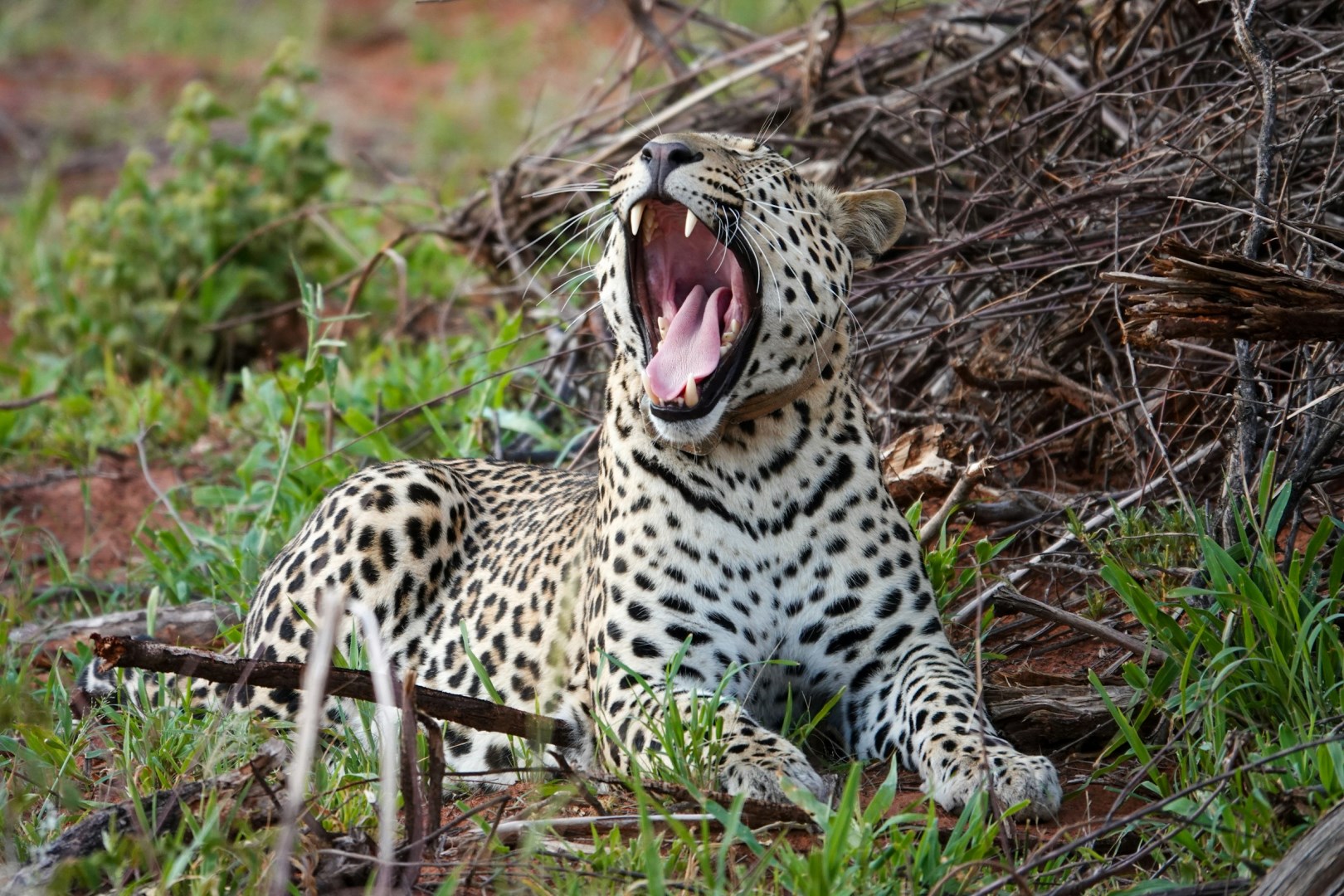
Nestled in the heart of Namibia, Otjiwarongo offers a unique blend of natural beauty and cultural charm. As a gateway to the country's northern wildlife reserves, this vibrant city serves as an ideal base for exploring nearby attractions. The city is renowned for its proximity to the Cheetah Conservation Fund (CCF), a world-leading organization dedicated to the protection of these magnificent creatures. Visitors can enjoy guided tours of the CCF, where they’ll learn about cheetah conservation efforts and witness these elegant animals up close.
Otjiwarongo is also celebrated for its warm hospitality and inviting atmosphere. The city’s local markets and eateries provide a taste of Namibian culture, with fresh produce and traditional dishes on offer. Not far from the city, the Otjiwa Safari Lodge offers luxurious accommodations and safari experiences that cater to both relaxation and adventure, allowing visitors to immerse themselves in the surrounding wildlife.
In addition to its wildlife attractions, Otjiwarongo boasts scenic landscapes that are perfect for outdoor enthusiasts. The nearby Waterberg Plateau, a protected area with rich biodiversity, offers hiking trails and panoramic views of the Namibian countryside. The plateau is a refuge for rare species and provides an excellent setting for birdwatching and nature walks.
Fun fact: The name "Otjiwarongo" means "pleasant place" in the Herero language, reflecting the city’s reputation for its friendly and welcoming atmosphere.
Other Popular Destinations in Namibia
Etosha National Park
Etosha National Park, located in northern Namibia, is one of Africa’s most renowned wildlife destinations. Covering nearly 8,500 square miles, it is centered around the Etosha Pan, a massive salt flat that can be seen from space. During the dry season, animals gather around waterholes, creating spectacular wildlife viewing opportunities that attract visitors from around the world.
Swakopmund
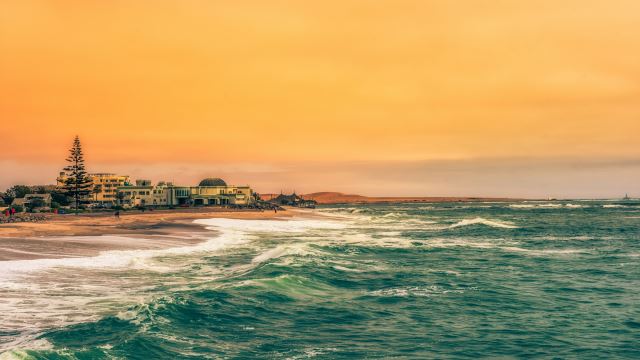
Swakopmund, on Namibia’s Atlantic coast, is a town where desert meets ocean in striking contrast. Founded by German colonists in the late 19th century, its streets are lined with colonial-era buildings painted in pastel colors, giving the town a distinctly European feel.