Kangaroo Island
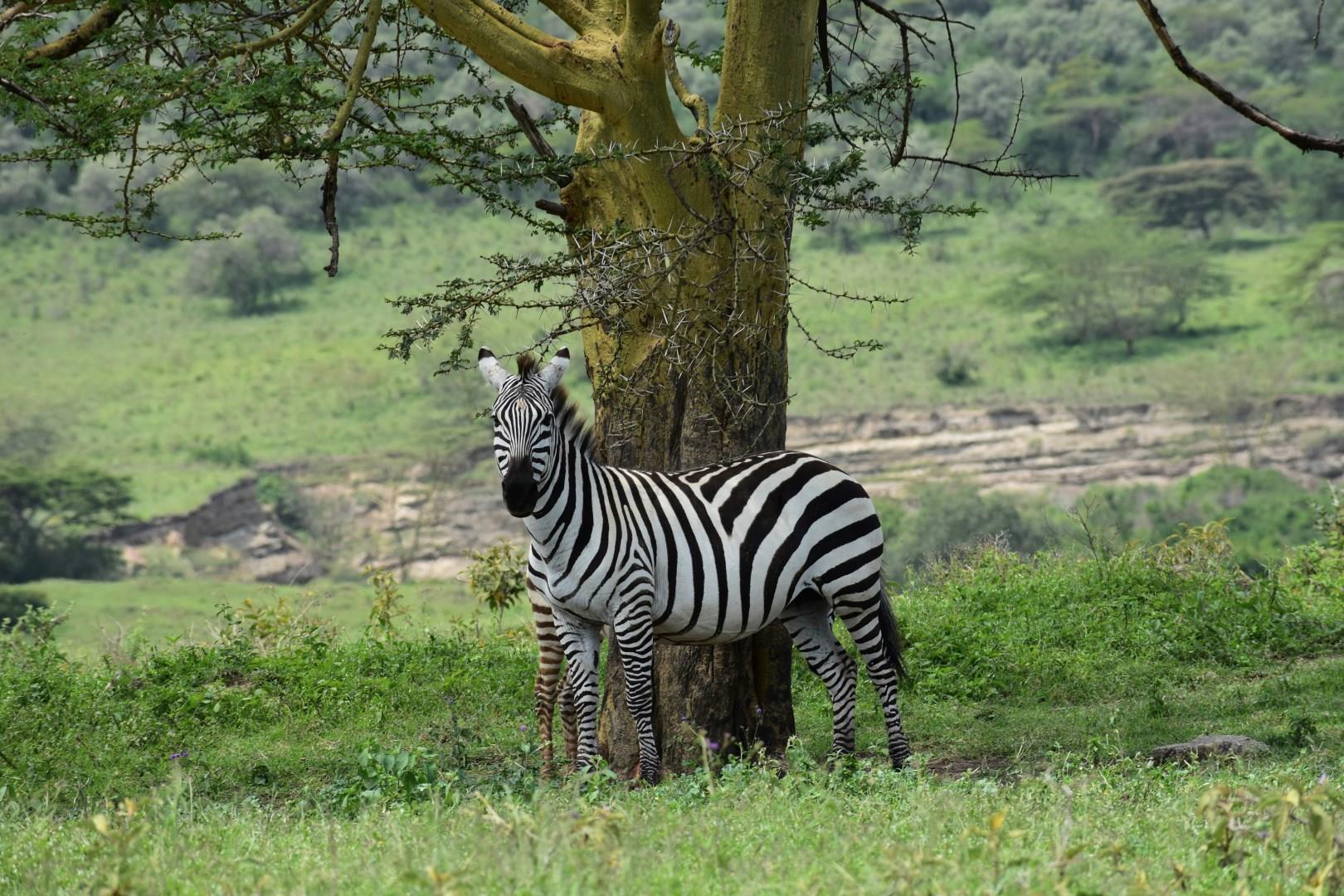
This island is Australia's third largest, only a short flight or ferry trip from the mainland. The abundance of native flora and fauna are unthreatened due to its remoteness. Sea lions basking in the sun and penguins promenading are a spectacle to see. PirKangaroo Island, often described as Australia’s "Galápagos," is a wildlife sanctuary and nature lover's paradise located off the coast of South Australia.

Bora Bora
Bora Bora, often referred to as the "Jewel of the South Seas," is the epitome of tropical luxury. Nestled in the Society Islands of French Polynesia, this idyllic island is famed for its stunning turquoise lagoon, ringed by a barrier reef and dotted with overwater bungalows.

Katakolo
Katakolon, also known as Katakolo, is a charmingly small port and fishing town on the coast of Greece. A primary entryway to the nearby ancient ruins of Archaia Olympia, Katakolon is a popular stop on many Mediterranean cruises. Before heading to Olympia, be sure to unwind on the warm Grecian sands of Paralia Katakolo or savor a bite of fresh seafood at one of Katakolon’s quaint cafés.

Vientiane
Vientiane, the capital of Laos, lies along the banks of the Mekong River and blends a relaxed urban pace with rich cultural heritage. The city’s streets are lined with French colonial buildings, Buddhist temples, and local markets, reflecting its history as both a trading hub and a spiritual center.
South Luangwa National Park
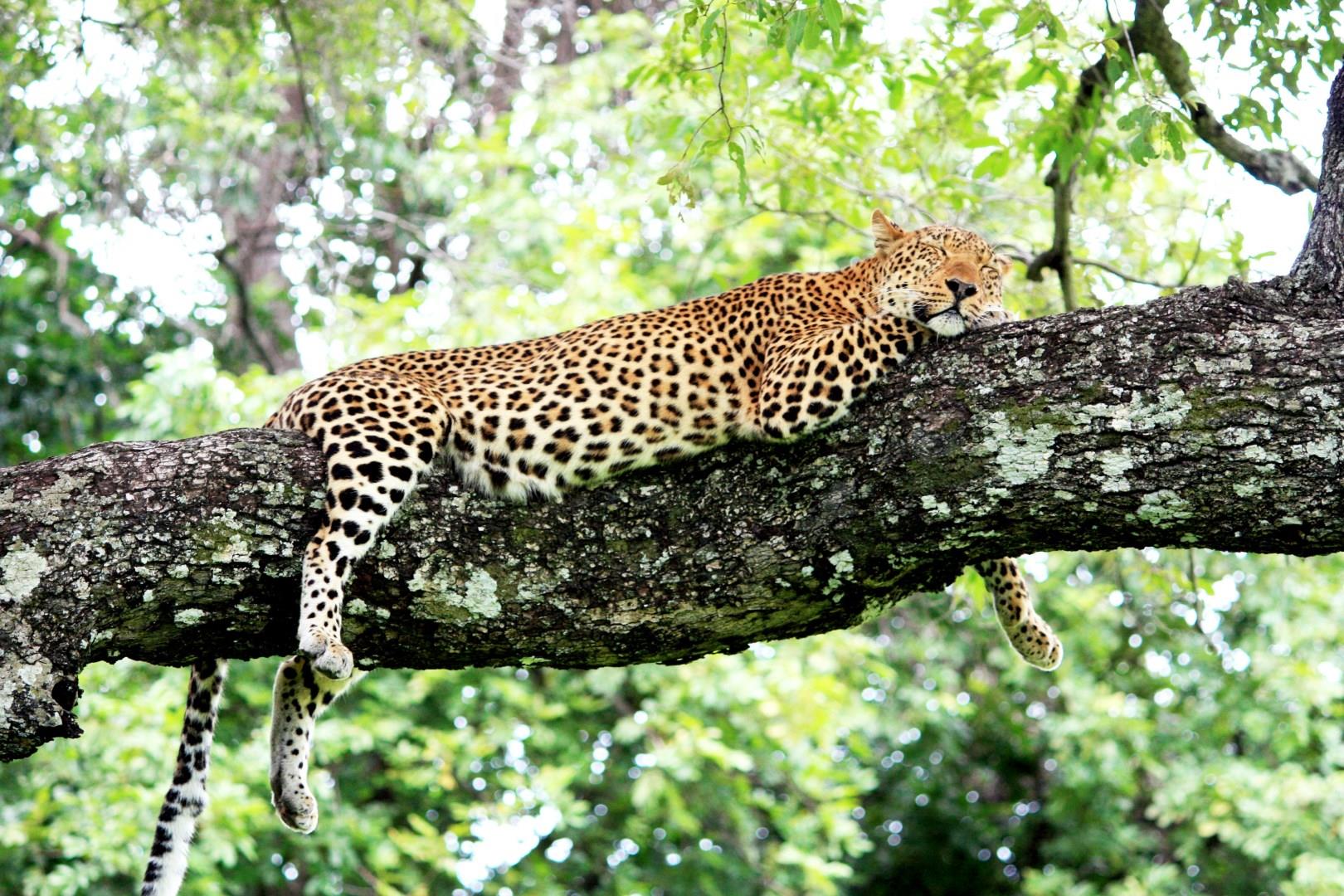
South Luangwa National Park in eastern Zambia is one of Africa’s most treasured wildlife areas, lying along the lush bends of the Luangwa River. Designated as a protected area in the 1970s, it stands out for its consistently high wildlife densities and landscapes that shift with the seasons. Dry grasslands, shaded woodlands, and green floodplains all unfold beneath wide skies, shaping the canvas for memorable animal sightings.