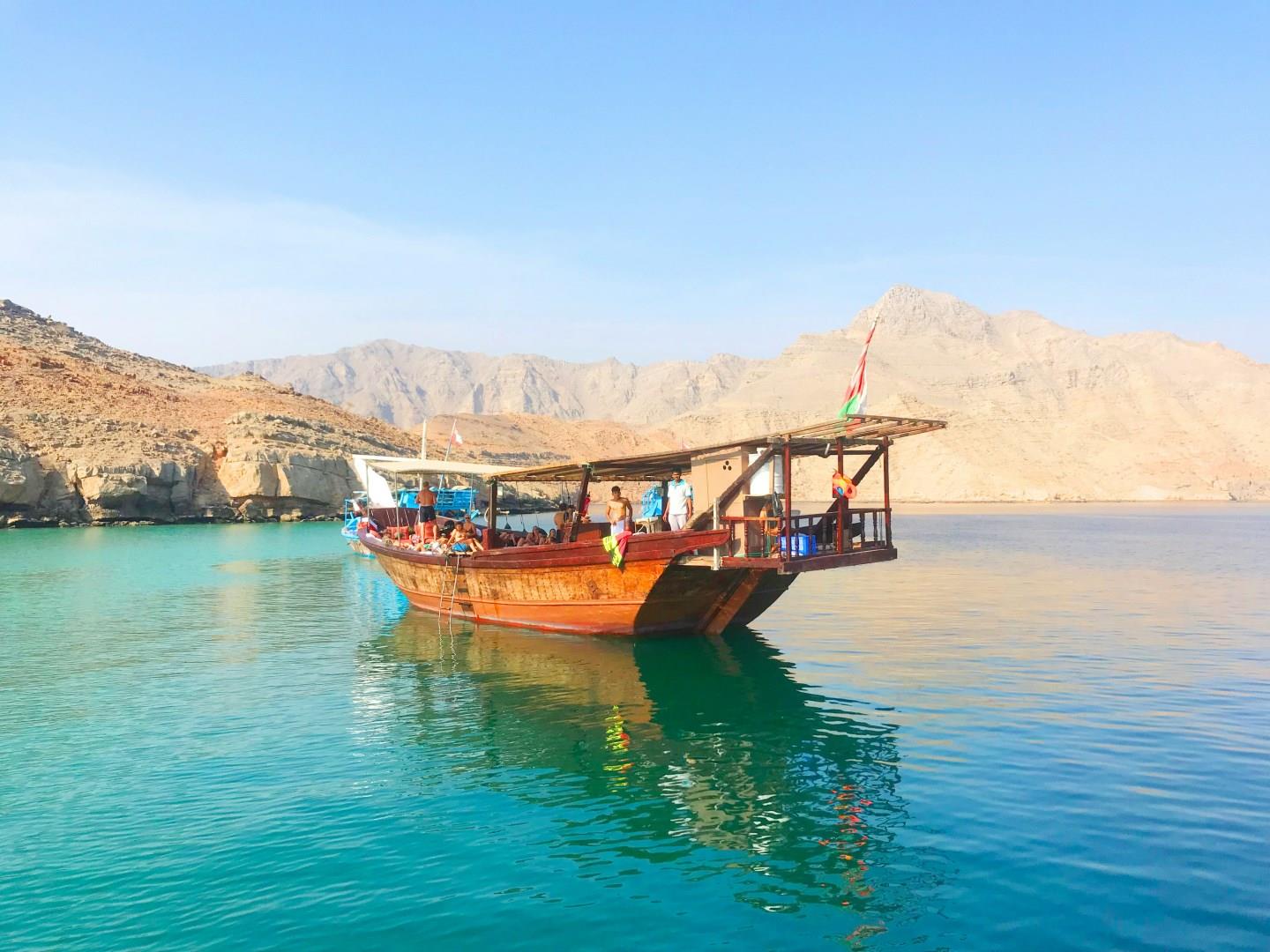
Khasab stands at the edge of Oman’s Musandam Peninsula, where rocky inlets carve into the land like desert fjords and earning it the nickname "Norway of Arabia." A short dhow ride uncovers soaring cliffs and narrow waterways, often mirrored by pods of dolphins gliding beside the wooden vessel. These traditional dhows, used for centuries by traders, now carry visitors into those coastal arms for snorkeling, swimming, and quiet reflection.
Nestled between two nature parks and the Rhône River, picturesque Arles will absolutely delight any traveler to the south of France. Situated near Marseille in the Provence-Alpes-Côte d’Azur region, Arles boasts small town charm and its architectural treasures have been heavily influenced by the city’s role as an ancient Roman capital.
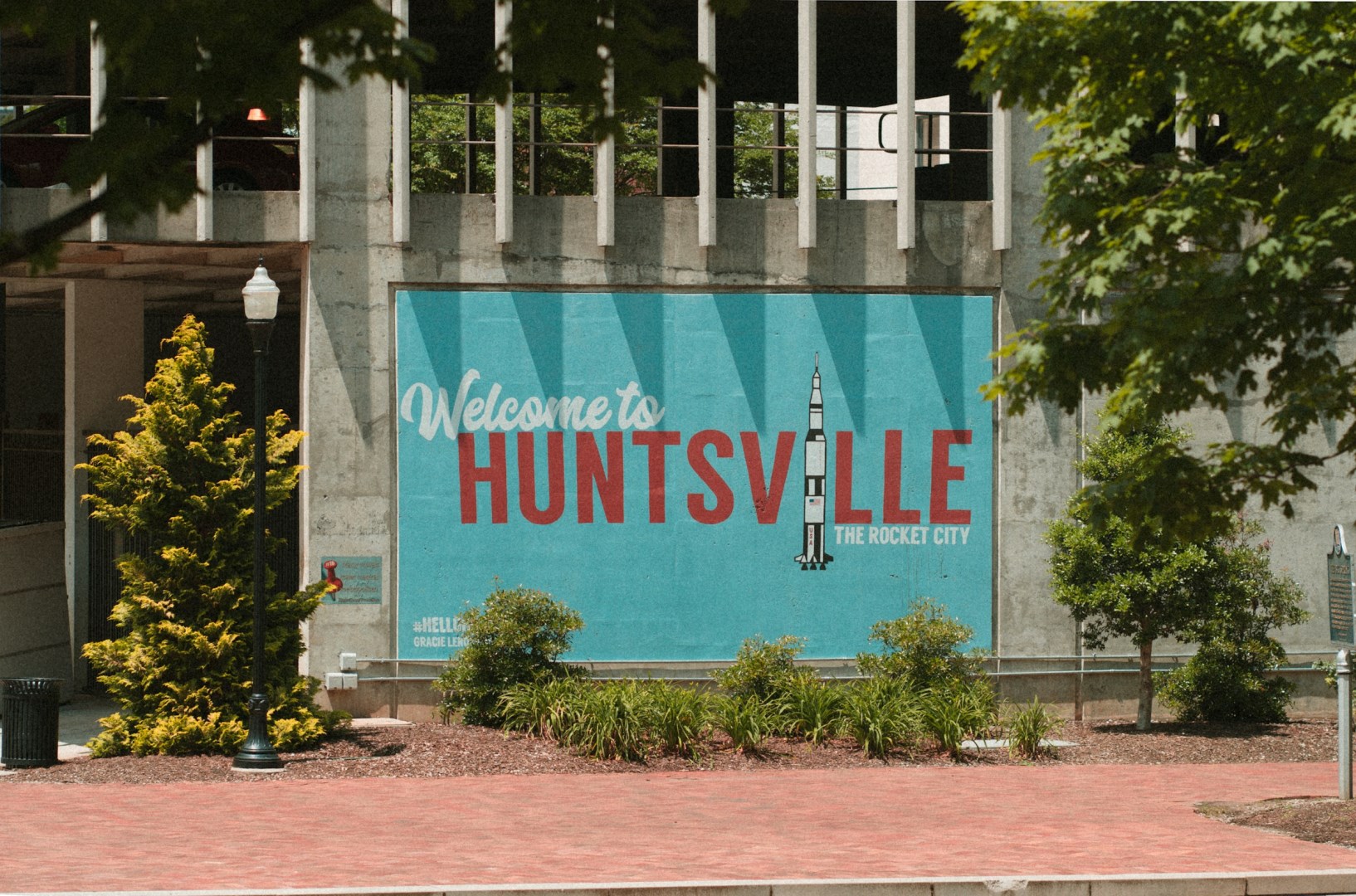
Decatur has some of the South's finest free museums, educational facilities and historical sites. Study a variety of animals, birds and minerals at Cook's Natural Science Museum. The South's largest centerThe earth's largest space museum is only minutes away at the U.S and Rocket Center. History comes alive at the home of Civil War General Joe Wheeler. For fun, visit Point Mallard Park, a 750 acre park featuring America's first wave pool, water slides and putt-putt golf.
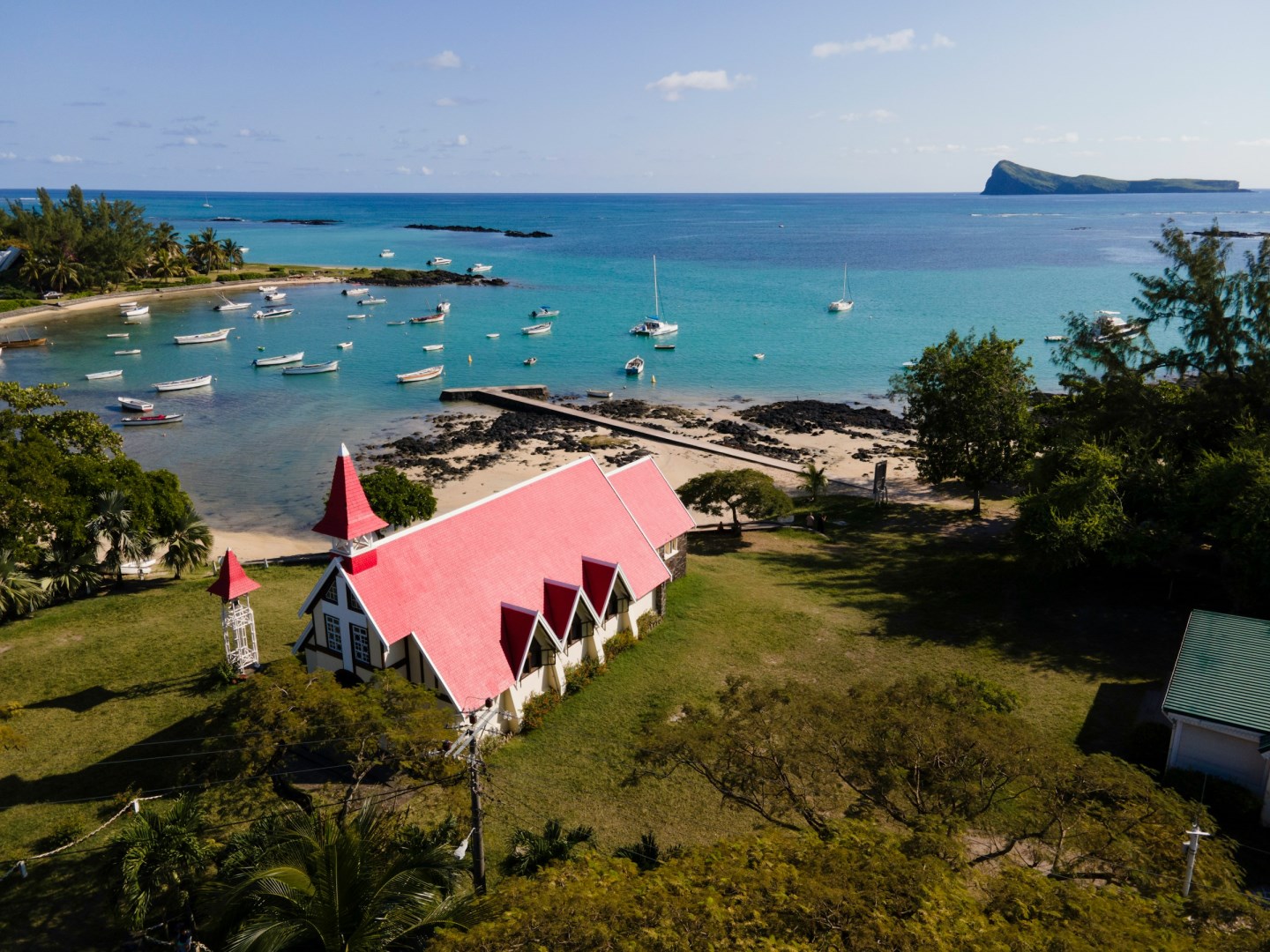
Cap Malheureux is a small coastal village at the northern tip of Mauritius, facing the islands and open waters beyond Grand Baie. It is best known for Notre-Dame Auxiliatrice, a Catholic chapel with a bright red roof that stands beside the shoreline and has become one of northern Mauritius’s most recognizable landmarks.
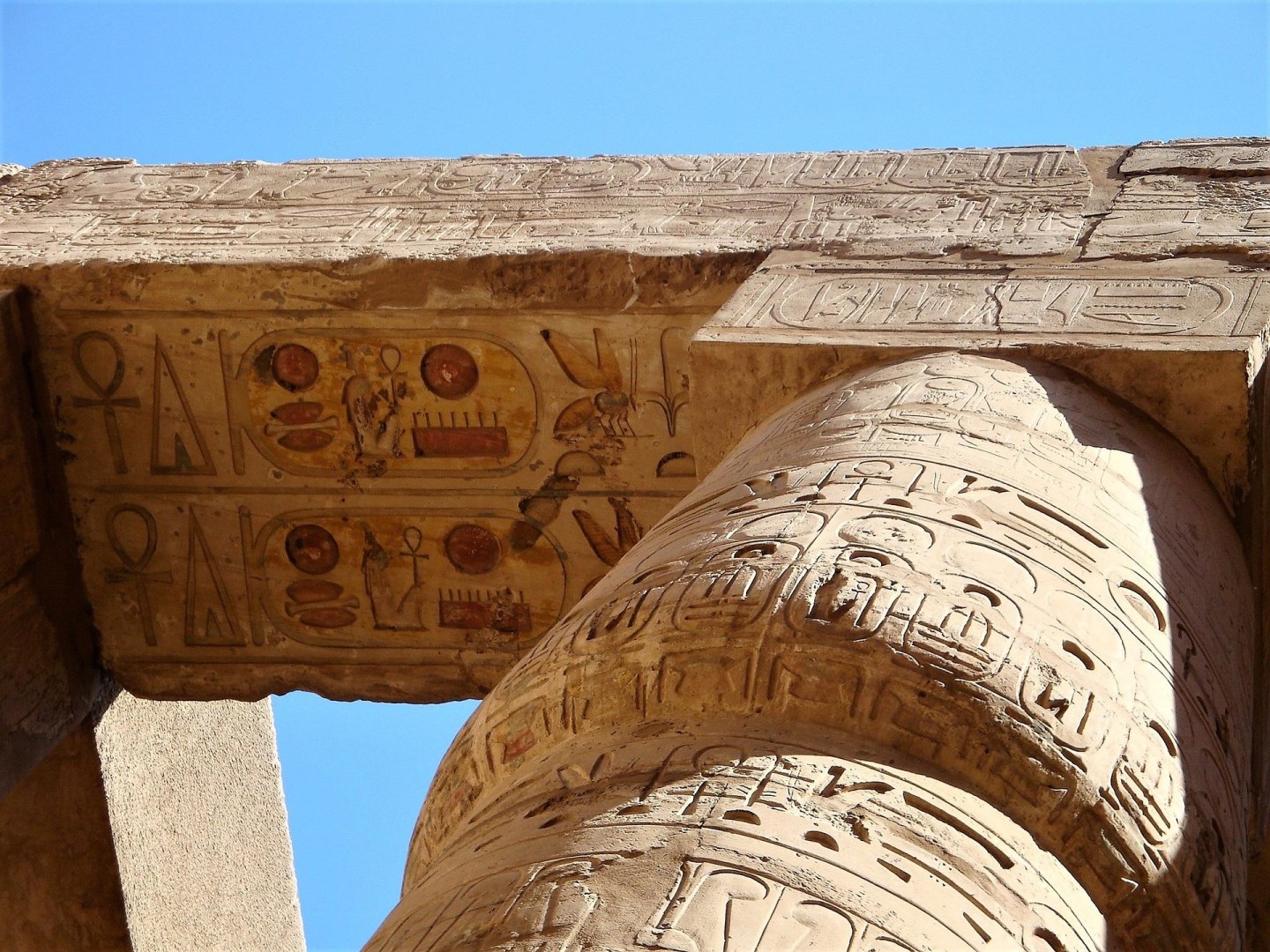
Karnak Temple is a huge, open air complex and, after the Giza Pyramids, the second most visited historical place in Egypt. The largest religious building ever constructed, it sits on 200 acres—a true wonder of the world. Decayed pylons, chapels and temples make up this unmissable historical attraction near Luxor.
Photo Credit: Image by Rolf Dobberstein from Pixabay
Photo Credit: Image by Les Bohlen from Pixabay
Photo Credit: Photo by Bibhash (Polygon.Cafe) Banerjee on Unsplash
Photo Credit: Photo by muthengi mbuvi on Unsplash
Photo Credit: Photo by Brian Kungu on Unsplash
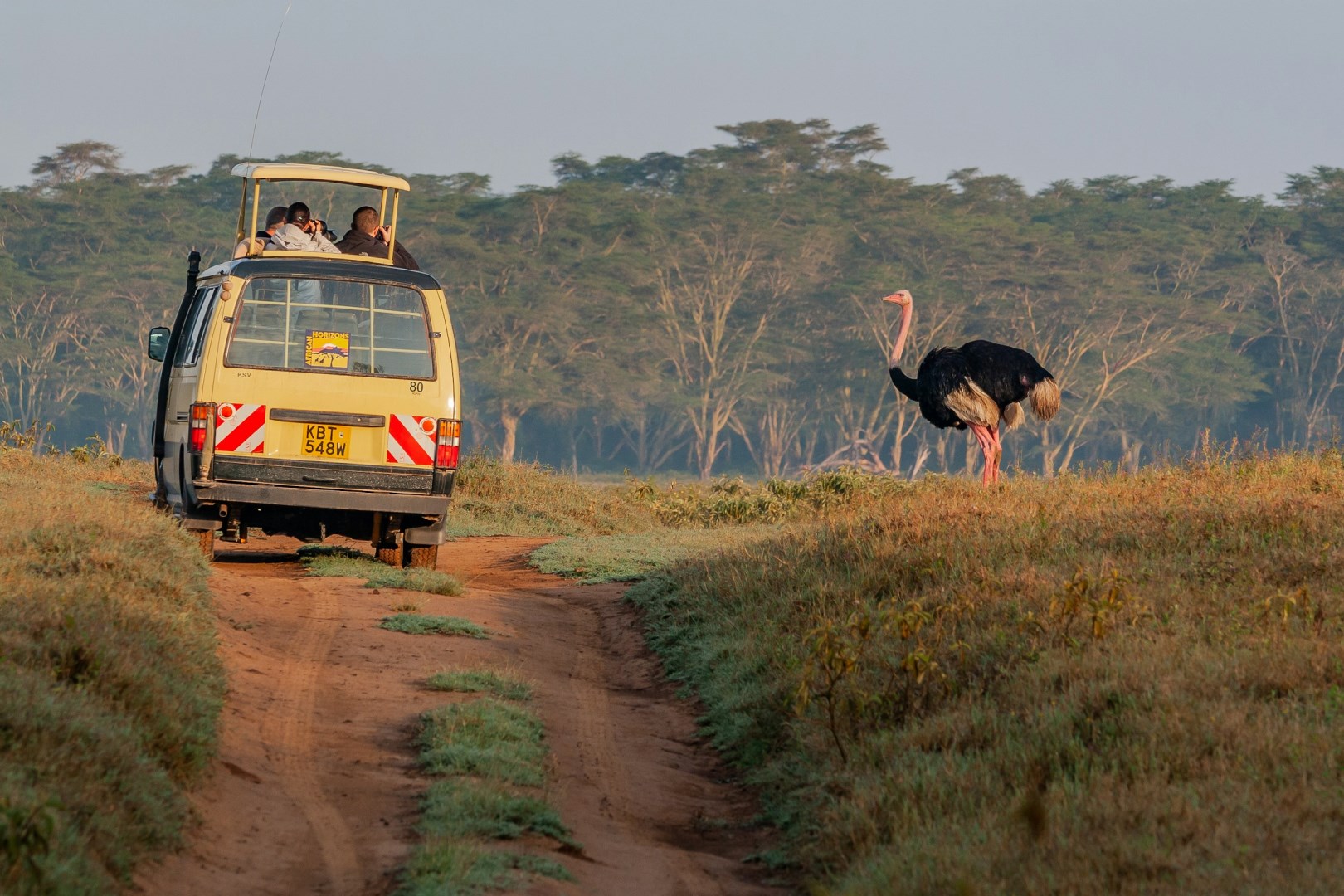
Ostrich
Photo Credit: Photo by Florentina Tilvic on Unsplash
Photo Credit: Photo by Mengyu Xu on Unsplash
Photo Credit: Photo by Bibhash (Polygon.Cafe) Banerjee on Unsplash
Photo Credit: Photo by muthengi mbuvi on Unsplash
Photo Credit: Photo by Wietse Jongsma on Unsplash
Photo Credit: Photo by Moses Sichach on Unsplash
Photo Credit: Photo by Wietse Jongsma on Unsplash
Photo Credit: Photo by lee bernd on Unsplash
Photo Credit: Photo by Brian Kungu on Unsplash
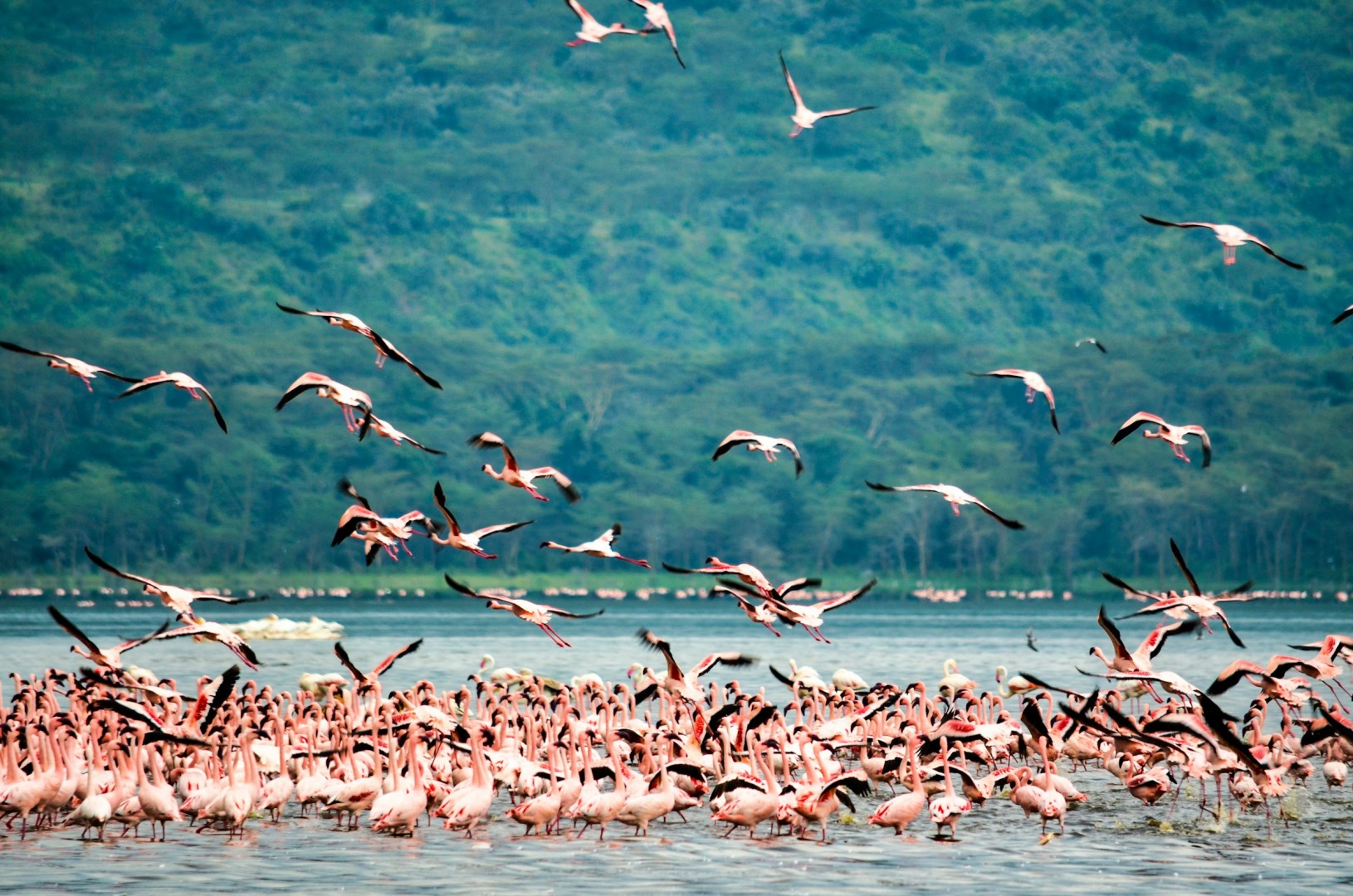
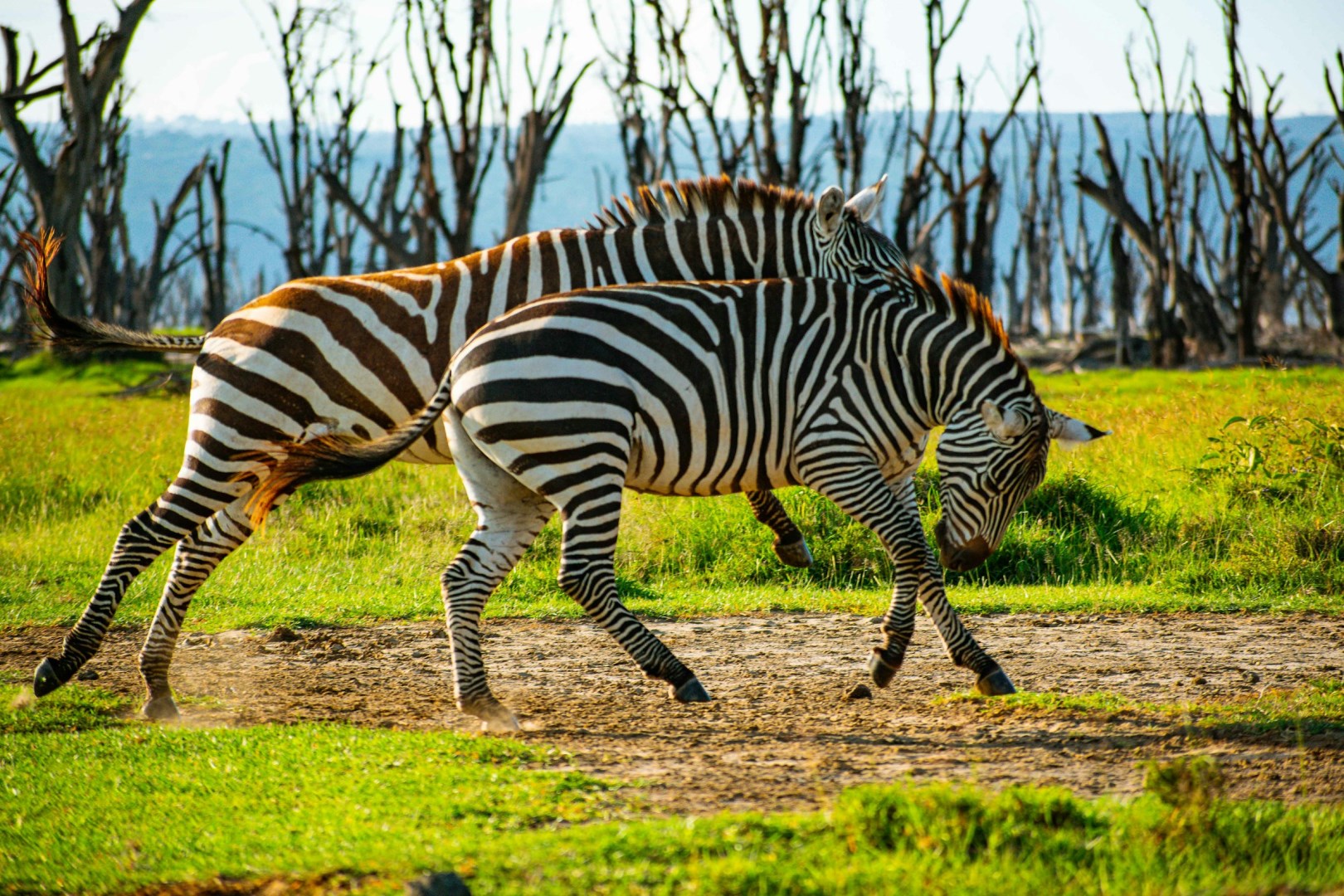
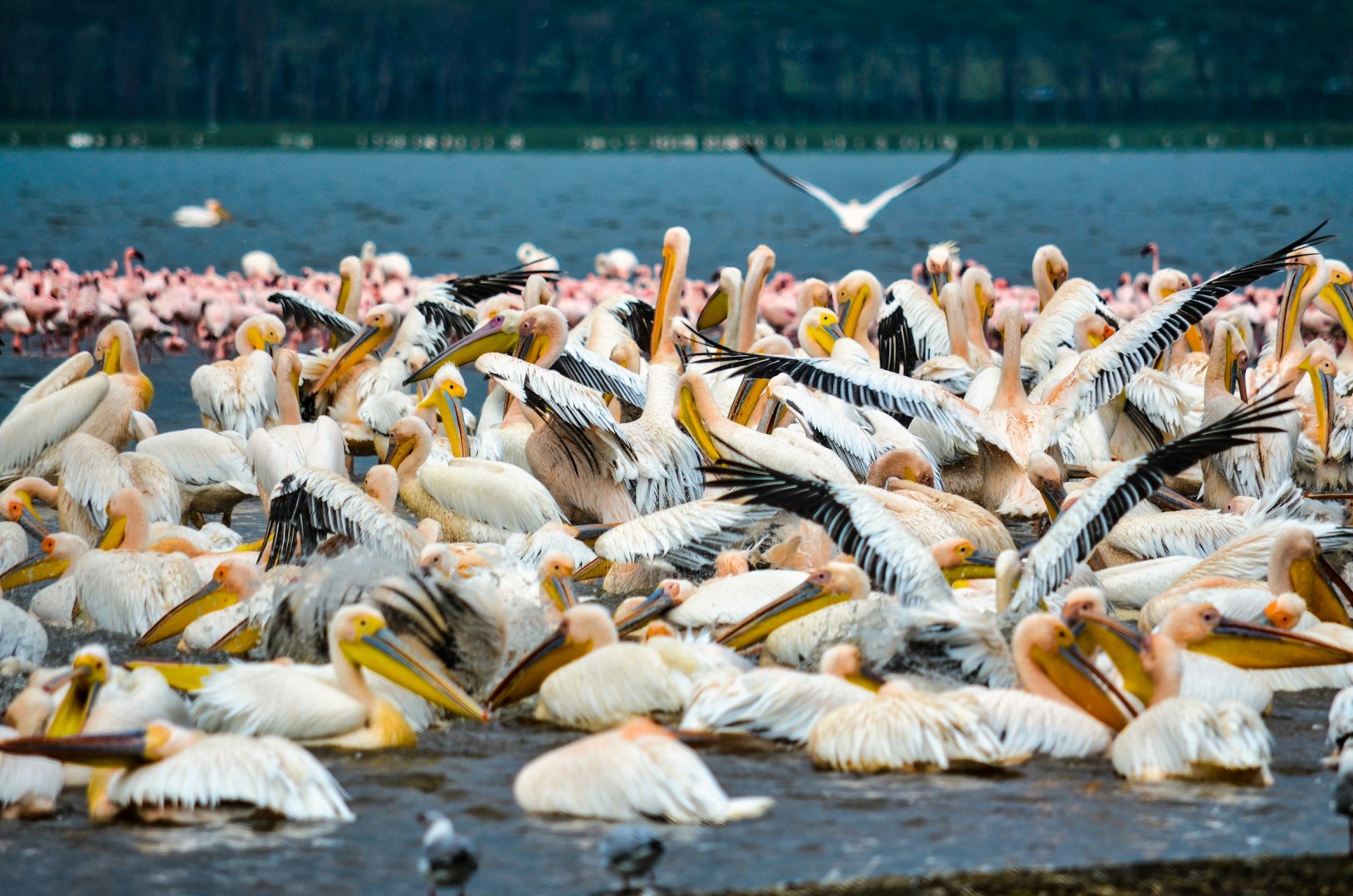
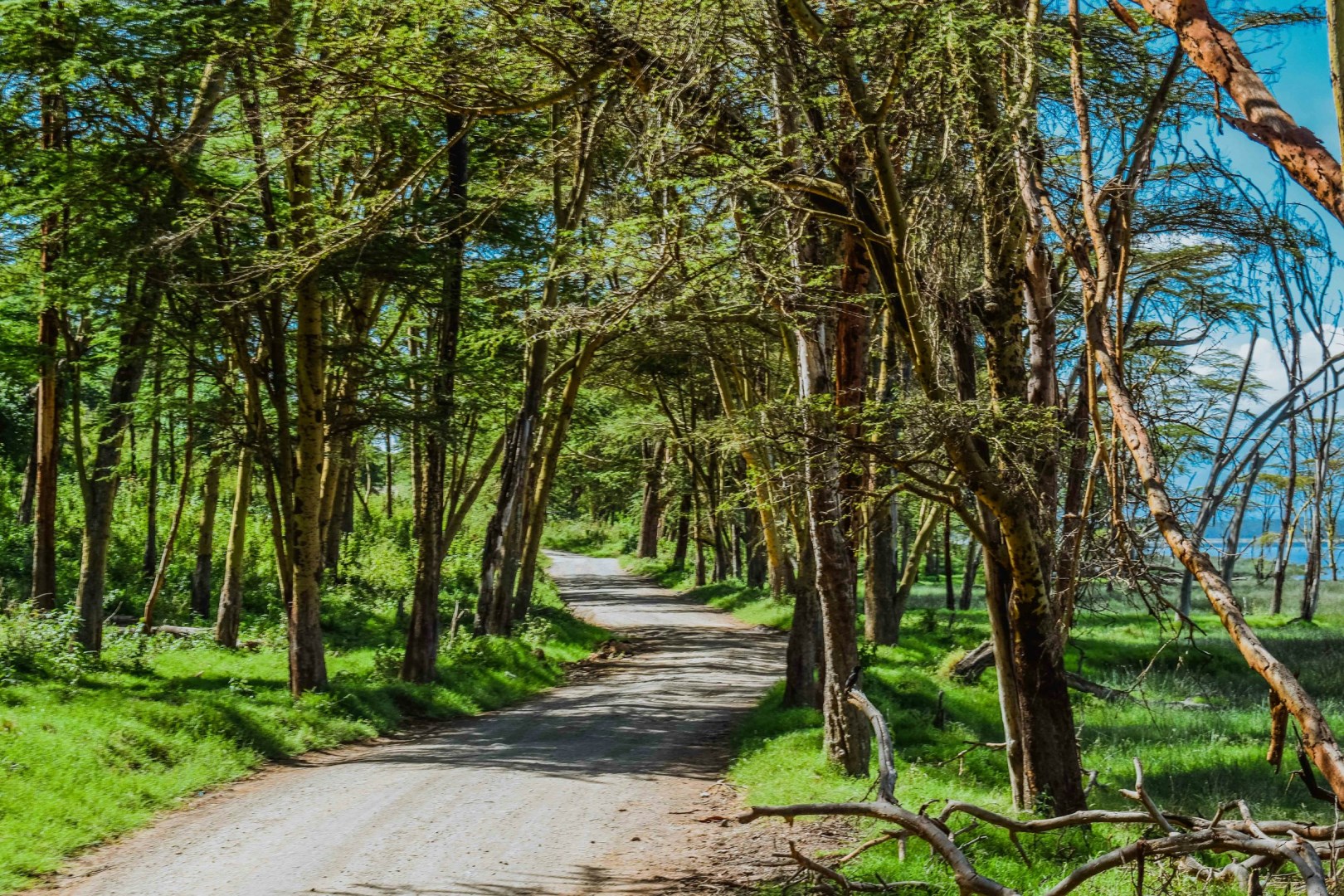
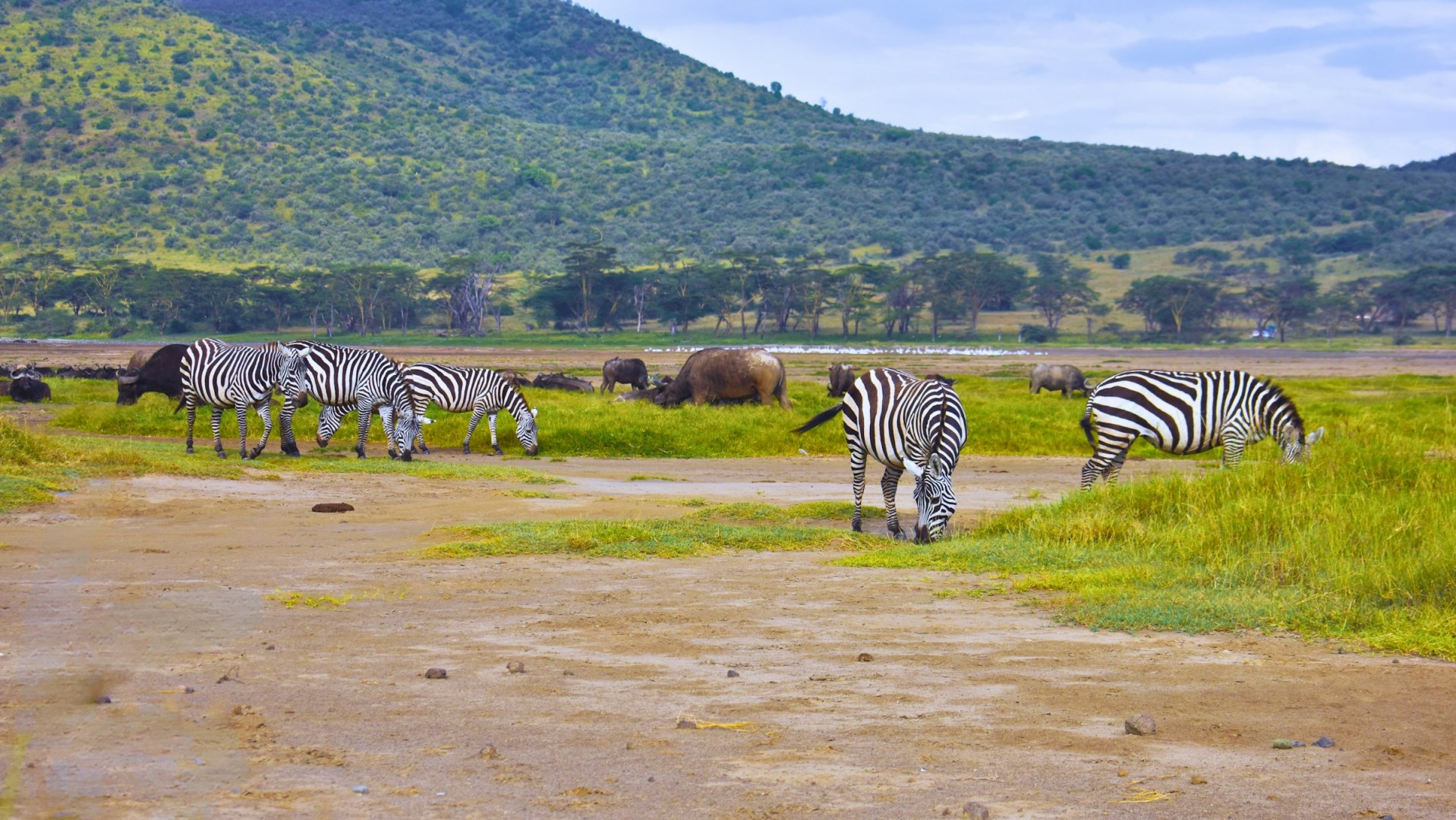
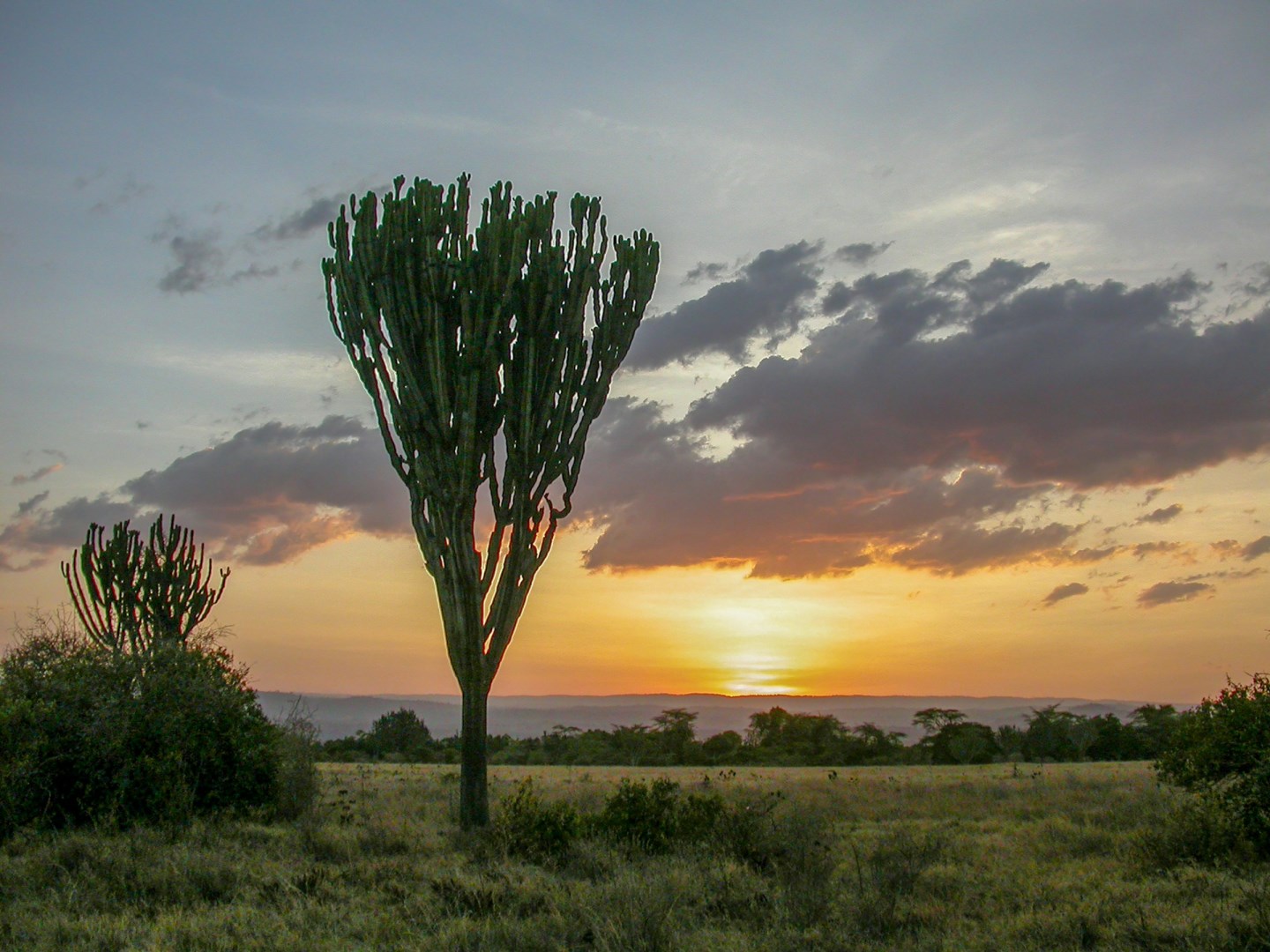
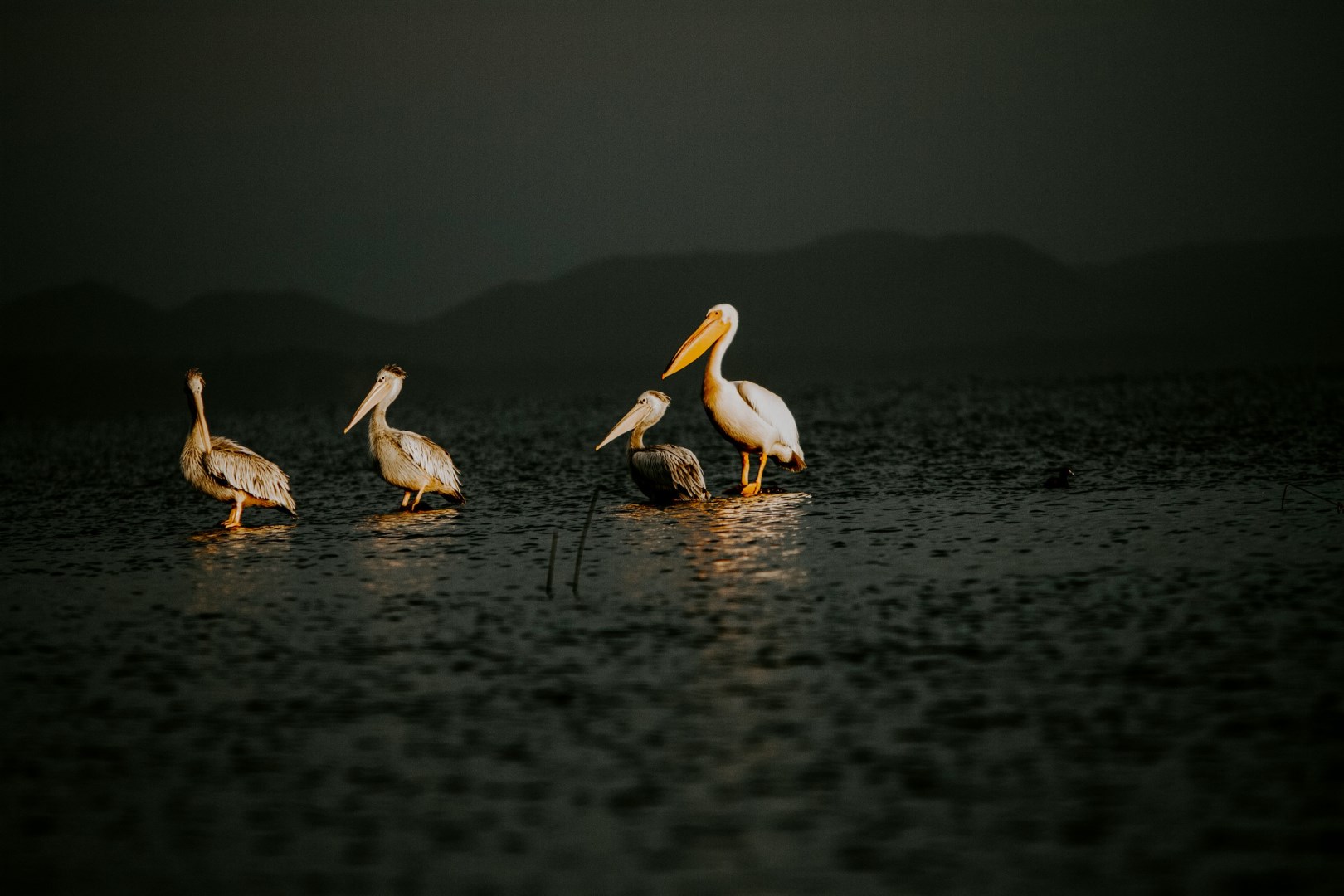
Lake Nakuru National Park is located in the heart of the Great Rift Valley. The Park encompasses the alkaline Lake Nakuru and has earned fame as the greatest bird spectacle in the world. The gathering of hundreds of thousands of greater and lesser pink flamingos. The massive flock of birds color the waters a delicate pink and feed on the abundant algae which thrives in the lake's shallow warm waters.

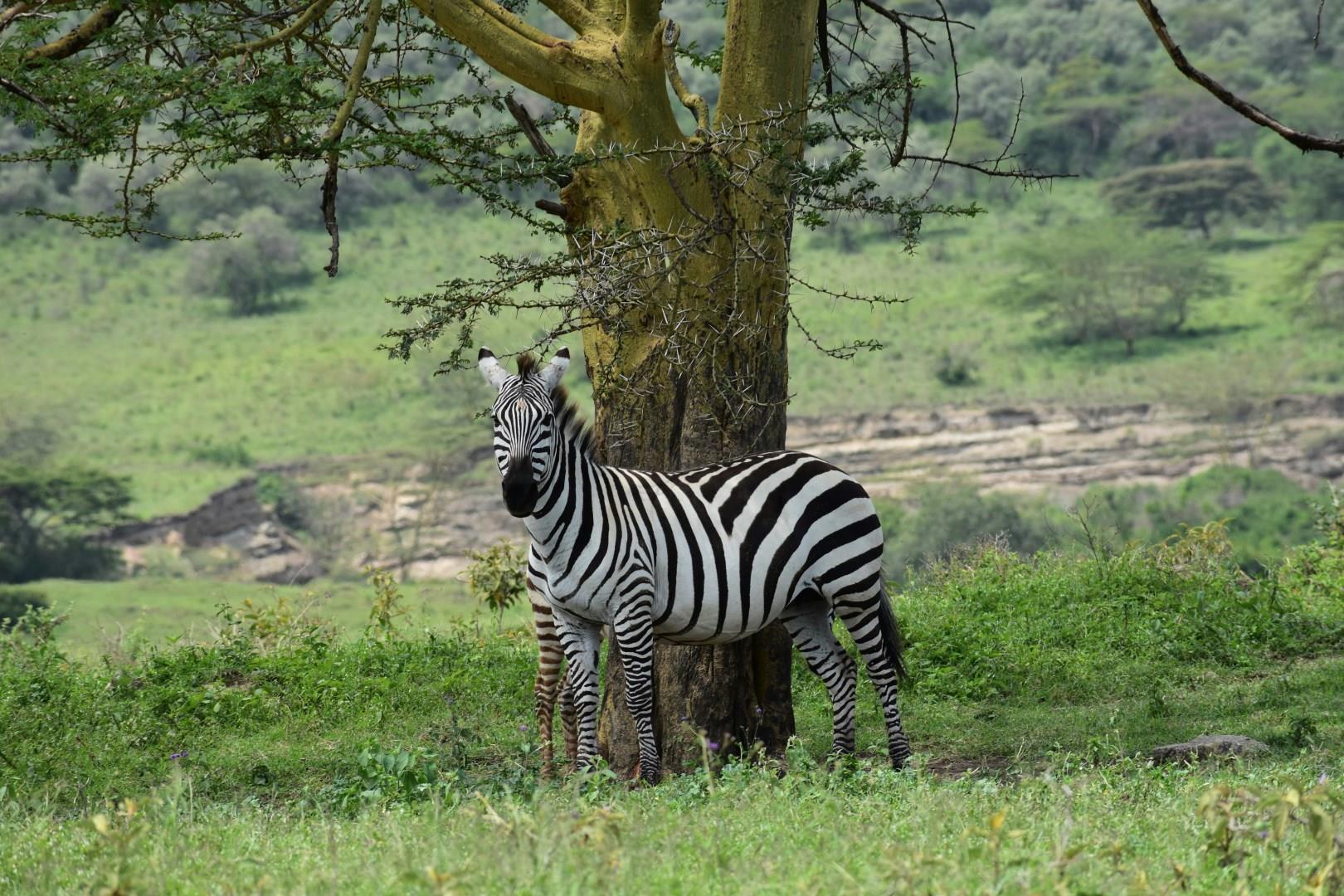
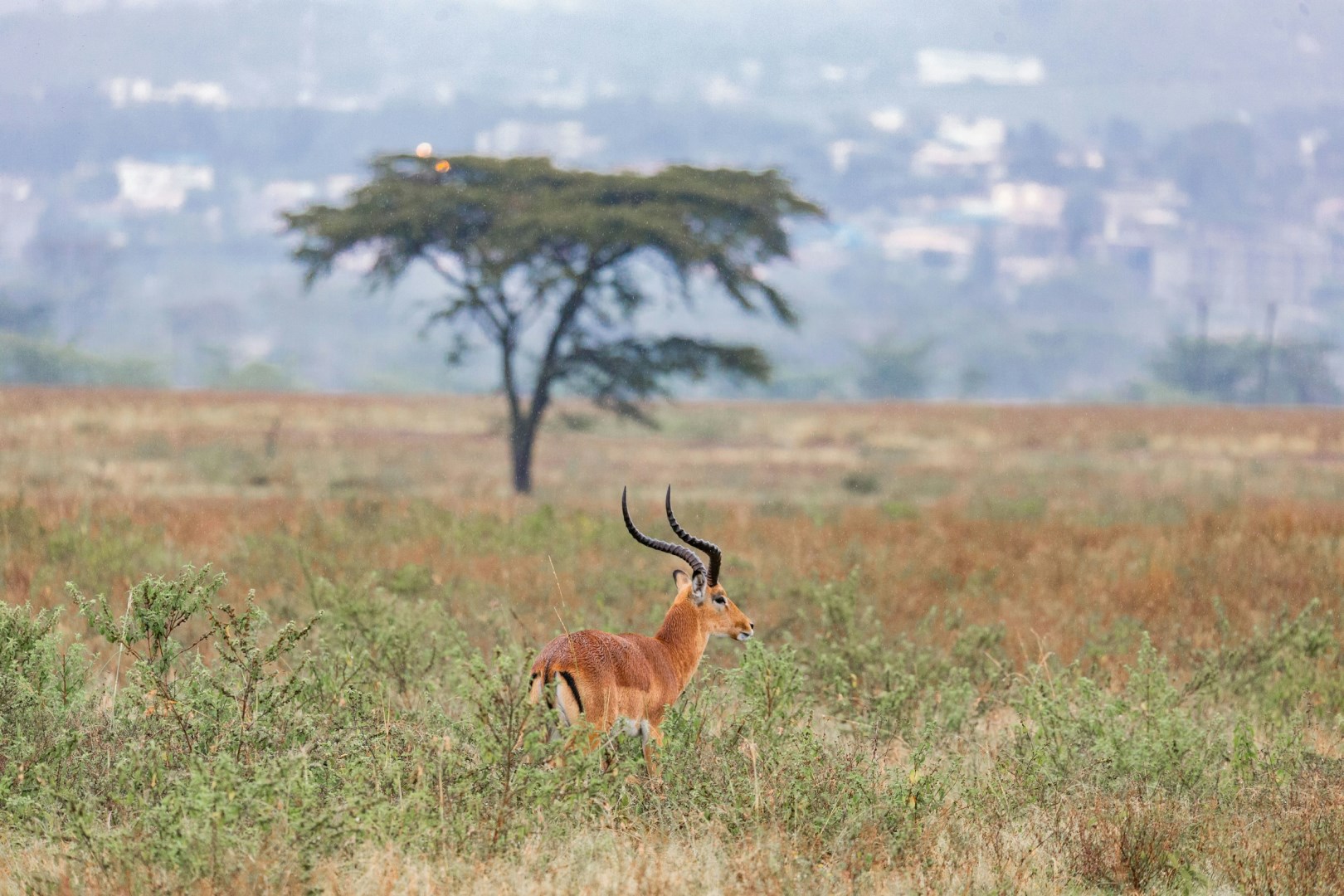
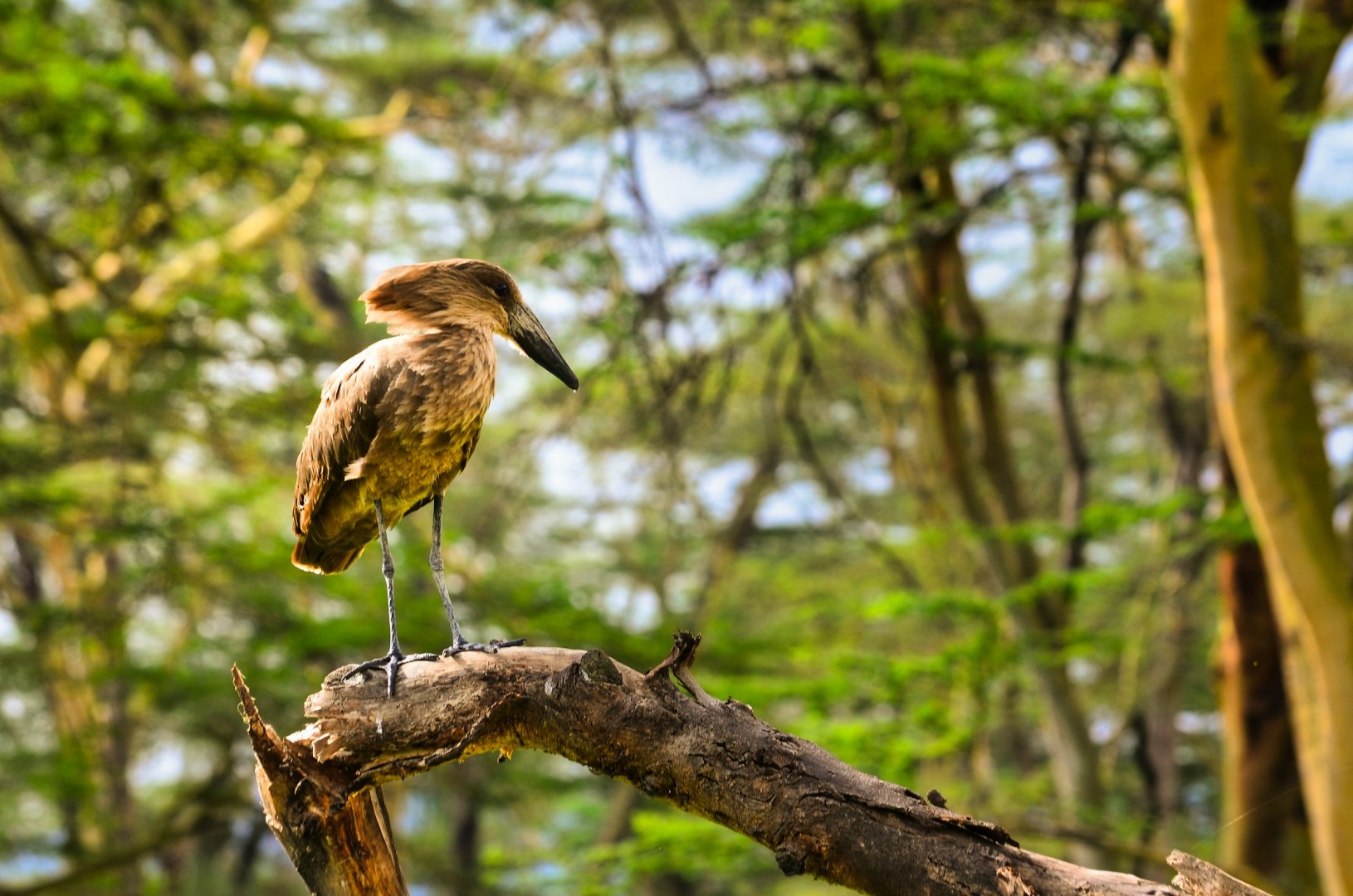
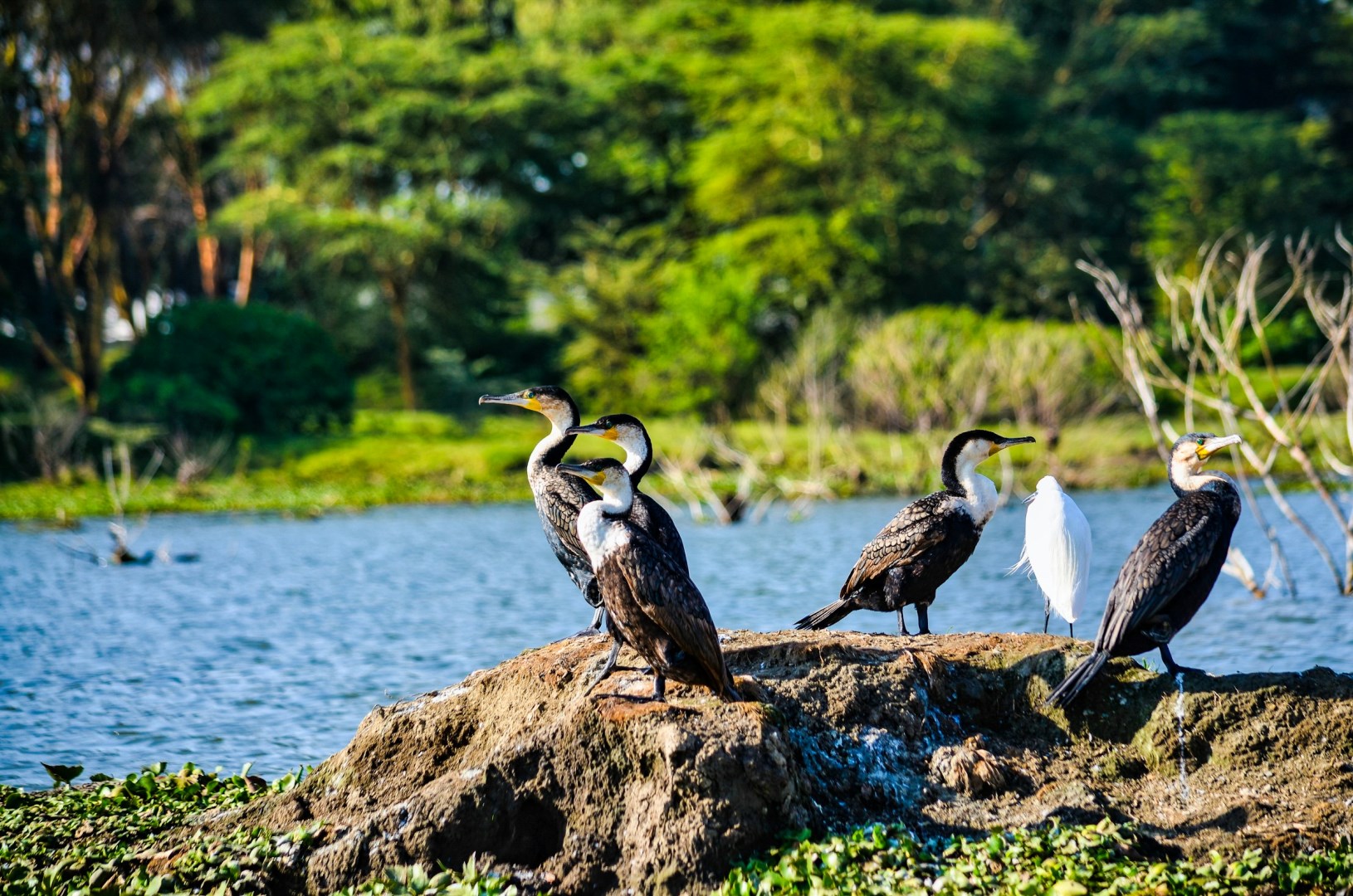
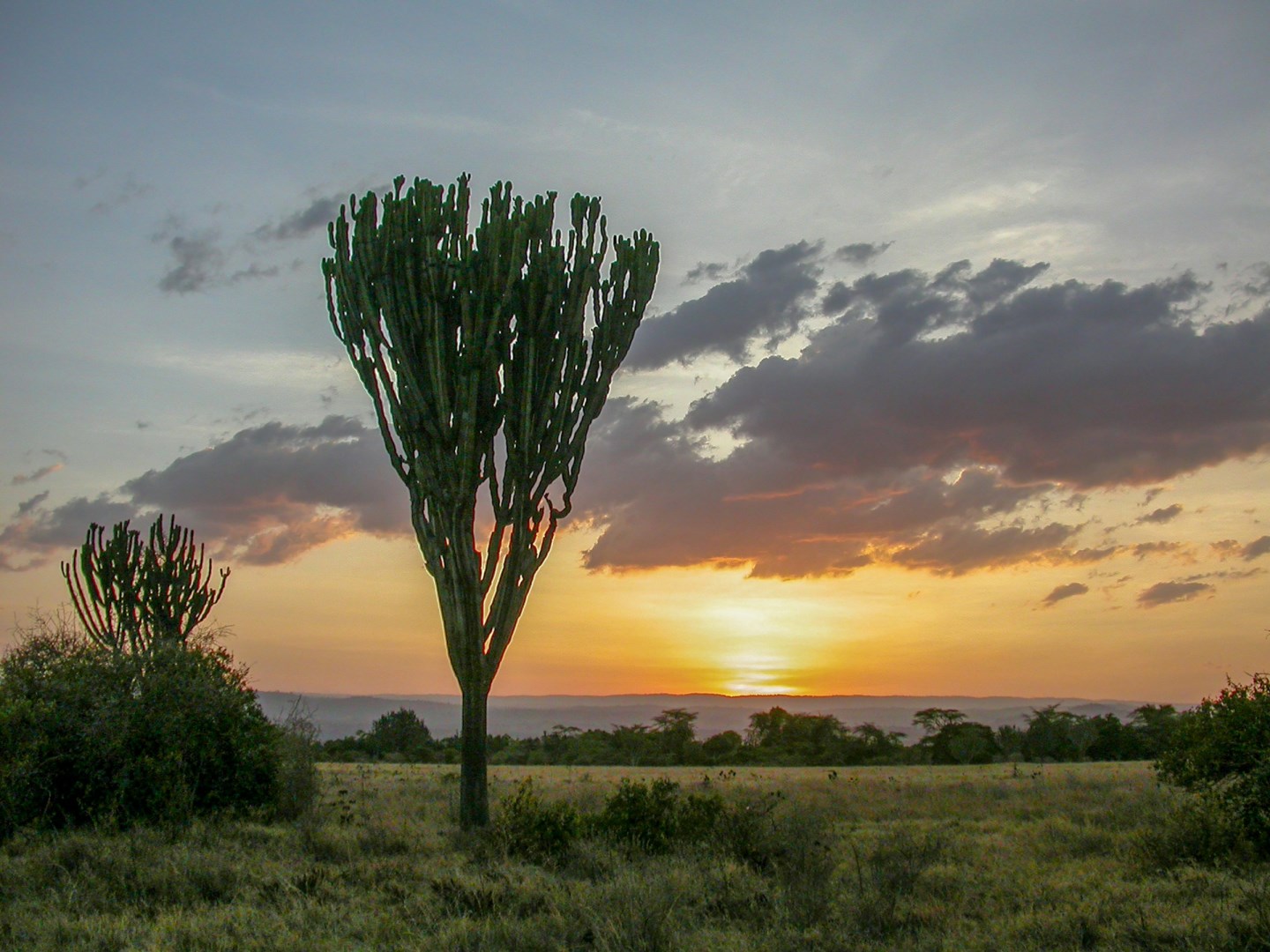
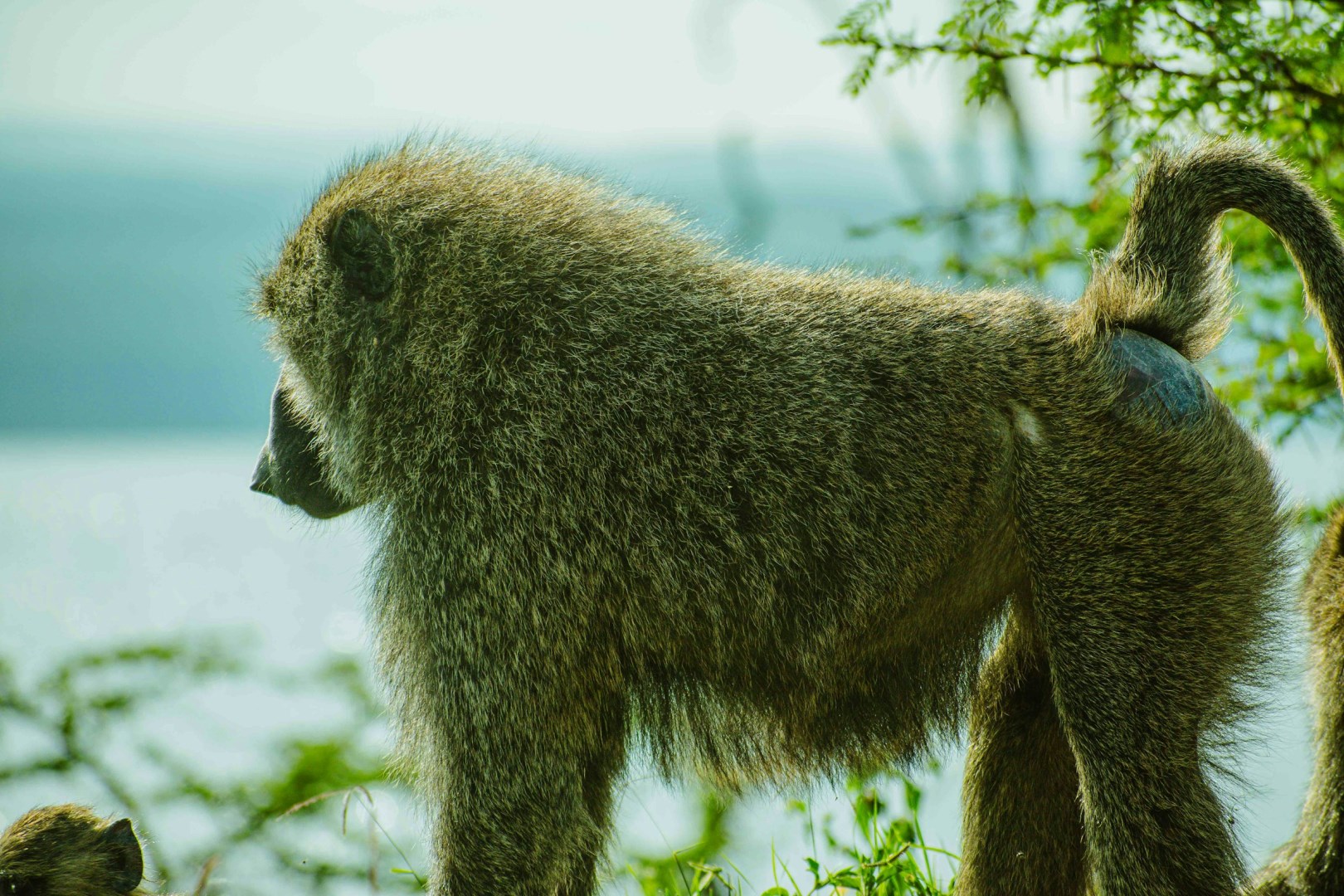
Lake Nakuru is subject to fluctuation in depth and once in every 20 to 30 years it dries up completely, in which case the flamingos and pelican fly over the Managaai crater to the more remote waters of Lake Bogoria. Lake Nakuru National Park covers 78 square miles, most of which is the lake itself. Nakuru has also been declared a black rhino sanctuary and has a number of these endangered animals underguard. Other wildlife found here are leopards, buffalo, Rothschild's giraffes, waterbucks, reedbucks, hippos, baboons, pelicans, and cormorants. The acacia savannah which surrounds the lake is itself beautiful and provides an area particuarly delightful for game viewing.
Other Popular Destinations in Kenya
Nairobi
Nairobi, the capital of Kenya, is a vibrant city where modern energy meets untamed nature. Known as the “Green City in the Sun,” it blends bustling urban life with remarkable wildlife experiences.
Maasai Mara National Reserve
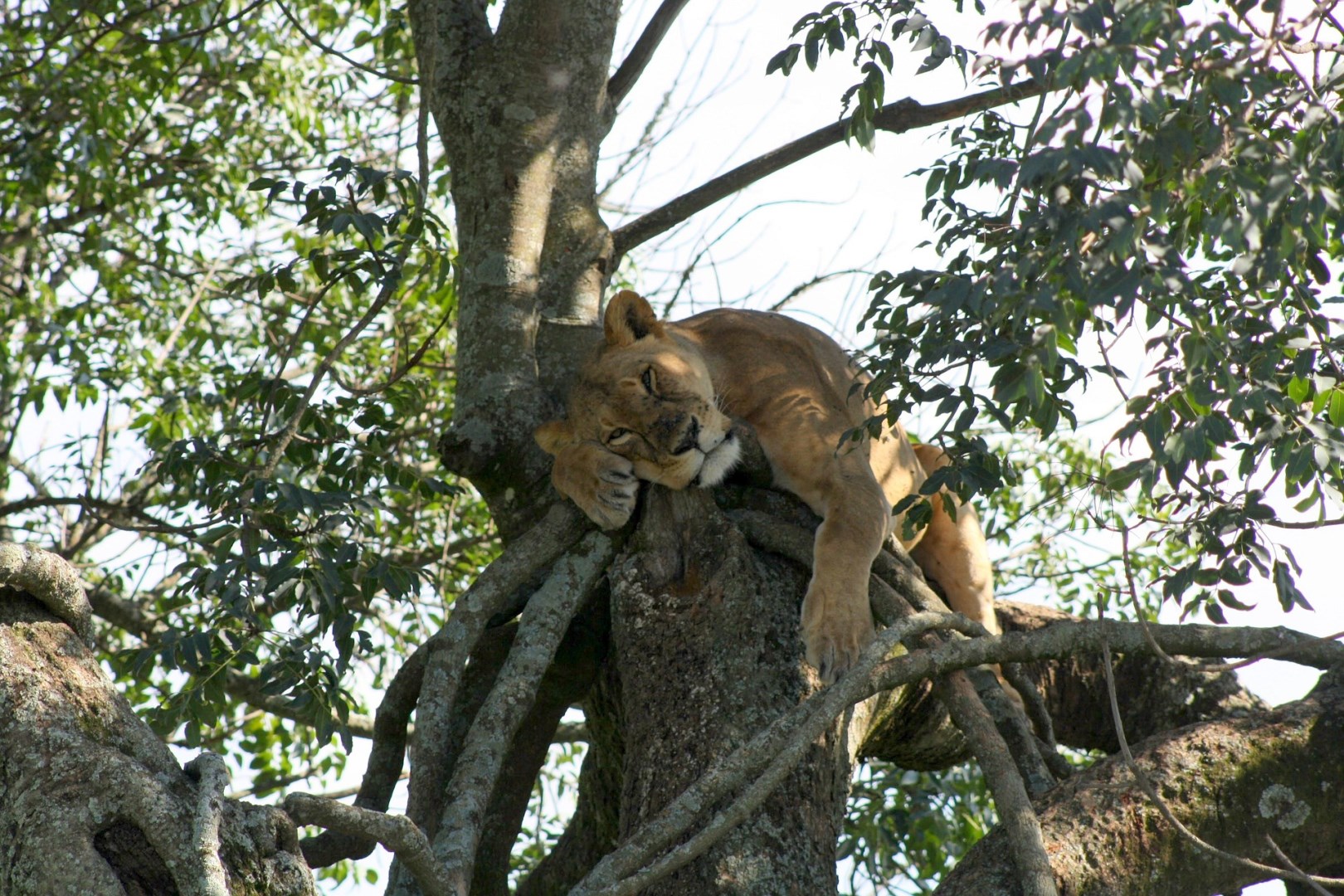
Masai Mara is a renowned wildlife region in southwestern Kenya, known for its broad grasslands, seasonal rivers, and high concentration of large mammals. The reserve forms part of the greater Mara-Serengeti ecosystem, allowing wildlife to move across a much larger landscape beyond the protected area itself. Lions, cheetahs, leopards, elephants, buffaloes, giraffes, and numerous antelope species are commonly associated with the region.