Liège, located along the Meuse River in eastern Belgium, is a city shaped by industry, resilience, and an independent spirit that dates back centuries. Once the capital of a powerful prince-bishopric, Liège has always done things its own way and is lived-in and layered with working neighborhoods, student cafés, and markets that tell the city’s real story. Every Sunday, locals gather at La Batte, one of the oldest and largest outdoor markets in Belgium.
Las Vegas, Nevada, is an electrifying city where glitz and glamour meet entertainment and excitement. Known as "The Entertainment Capital of the World," Las Vegas offers an unparalleled array of attractions, from its iconic casinos and luxurious hotels to its world-class dining and live shows. The city's entertainment scene is second to none, featuring legendary headliners, cutting-edge performances, and an array of themed attractions.
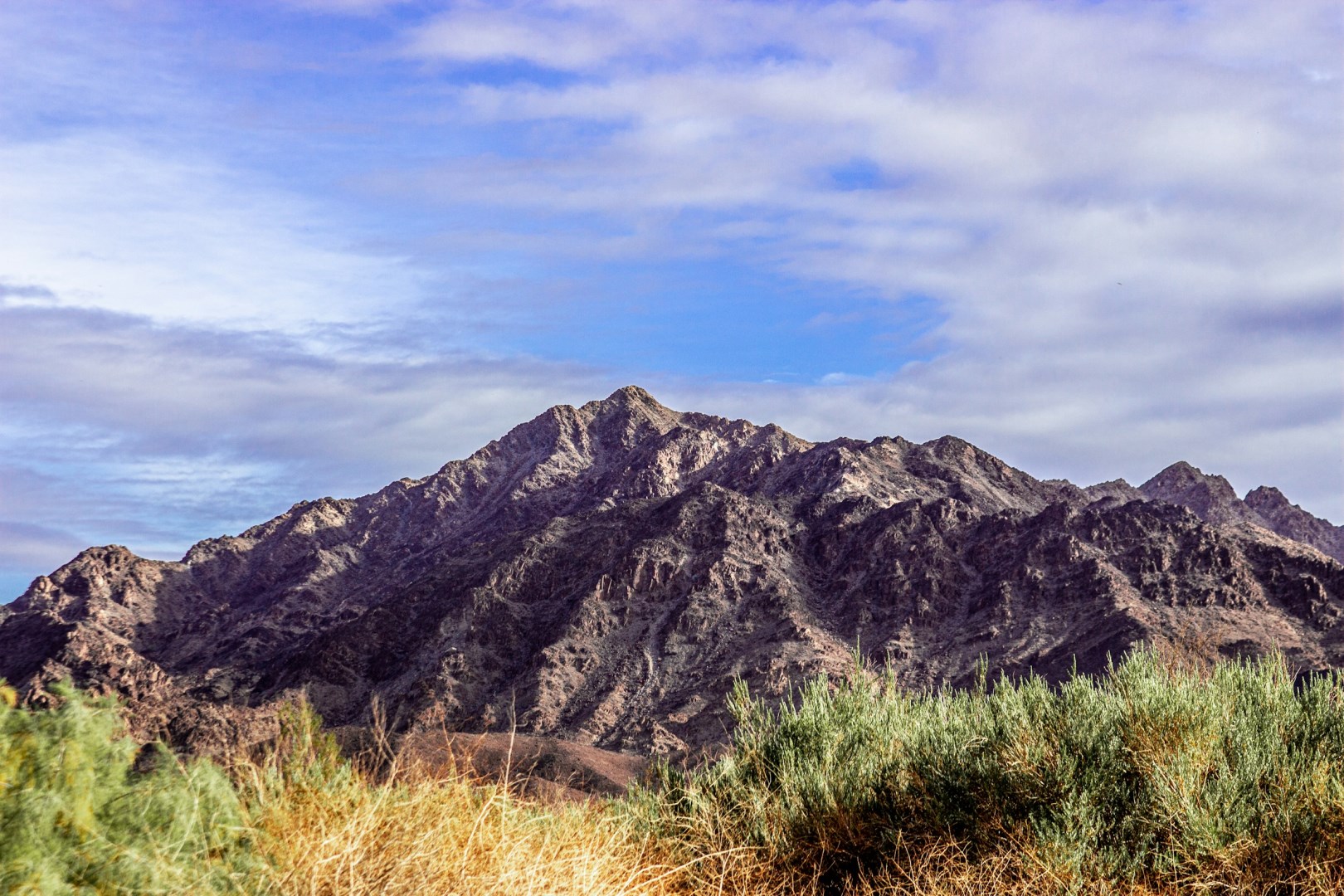
Yuma is a city in southwestern Arizona near the Colorado River, close to the borders with California and Mexico. Its location in the lower Colorado River Valley has made it an important crossing point, agricultural center, and transportation hub in the desert Southwest. The surrounding landscape is characterized by low desert plains, irrigated farmland, sand dunes, and rugged mountains.
Sossusvlei, located in the heart of the Namib Desert in Namibia, is a breathtaking destination that captivates travelers with its surreal landscapes and towering red sand dunes. The star attraction of Namib-Naukluft National Park, Sossusvlei is famous for its clay pans surrounded by some of the highest sand dunes in the world, some reaching heights of over 300 meters.
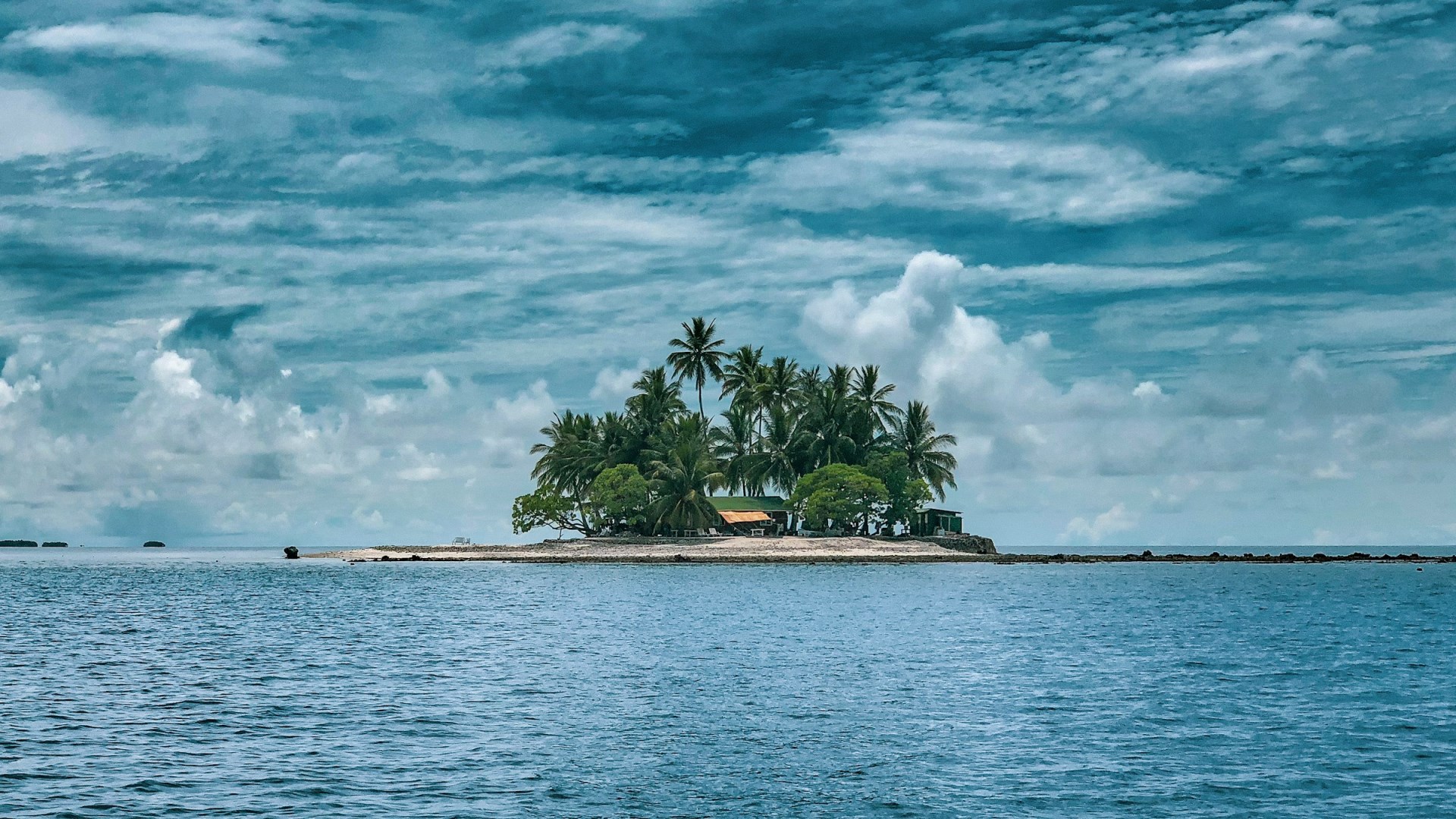
Weno is the largest island and administrative center of Chuuk State in the Federated States of Micronesia. It lies within the sheltered Chuuk Lagoon, a vast body of water enclosed by a surrounding reef and scattered with many smaller islands. Weno contains the state capital and serves as the main center for government, commerce, transportation, and services in the Chuuk Islands.
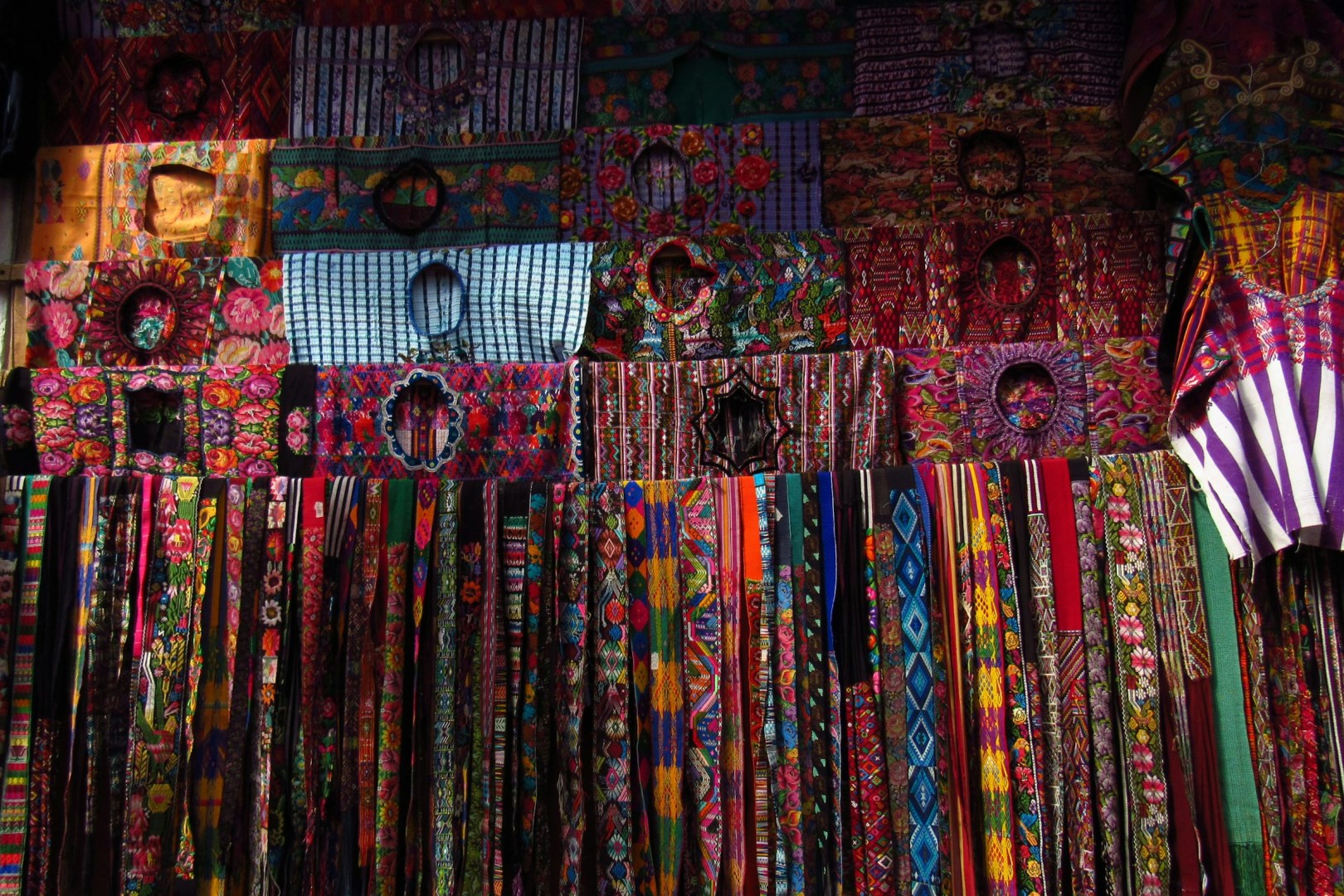
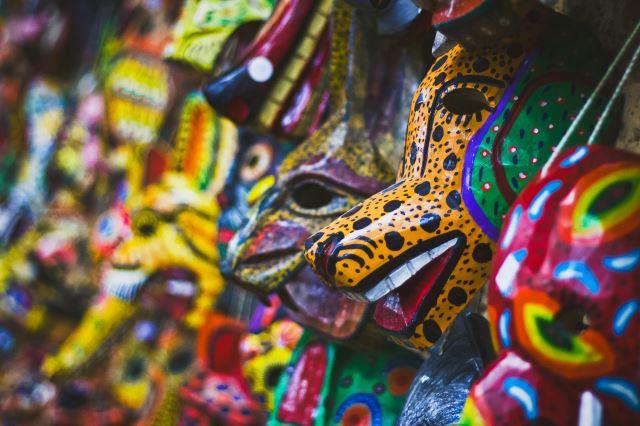
Chichicastenango, often simply called "Chichi," is a vibrant town in the highlands of Guatemala that offers an unparalleled cultural experience. Known for its lively indigenous market, which takes place every Thursday and Sunday, this bustling bazaar is one of the most famous in Central America. Here, visitors can immerse themselves in the rich tapestry of Mayan culture while browsing colorful textiles, handcrafted masks, and traditional pottery.
The town is also home to the Church of Santo Tomás, an impressive colonial-era church that stands on the site of a former Mayan temple. The church's unique architectural blend of Spanish and indigenous influences is a testament to Chichicastenango's complex history.
For those interested in the spiritual and mystical, Chichicastenango is a significant location for traditional Mayan ceremonies. Visitors can observe or participate in rituals led by local shamans, offering a profound glimpse into the spiritual practices that have persisted through centuries.
A fun fact about Chichicastenango is that its market and traditions are deeply intertwined with the surrounding natural environment. The town’s name is derived from the K'iche' Maya language, meaning "the place of the nettles," which reflects the rich flora of the region. With its vibrant market, rich history, and cultural significance, Chichicastenango offers an unforgettable journey into the heart of Guatemalan heritage.
Other Popular Destinations in Guatemala
Antigua
Antigua is a city shaped by centuries of artistry, tradition, and natural forces. Set in a highland valley and surrounded by volcanoes, its streets are lined with colorful buildings, hidden courtyards, and open-air plazas. The Santa Catalina Arch is one of Antigua’s most recognizable features, originally built as a passage between two sections of a convent. Today, it frames a dramatic view of Volcán de Agua and is a popular gathering spot for both locals and visitors.
Tikal National Park
Tikal is one of the most extraordinary ancient cities in Guatemala, hidden deep in the Petén region’s tropical forests. Once called Yax Mutal by its Maya builders, these ruins reveal thousands of years of history in carved stone stelae and towering limestone structures, some of which rise more than 60 meters above the jungle floor. Today, visitors can walk among the Great Plaza and gaze up at the Temple of the Great Jaguar and the Temple of the Masks, reminders of the city’s long legacy.