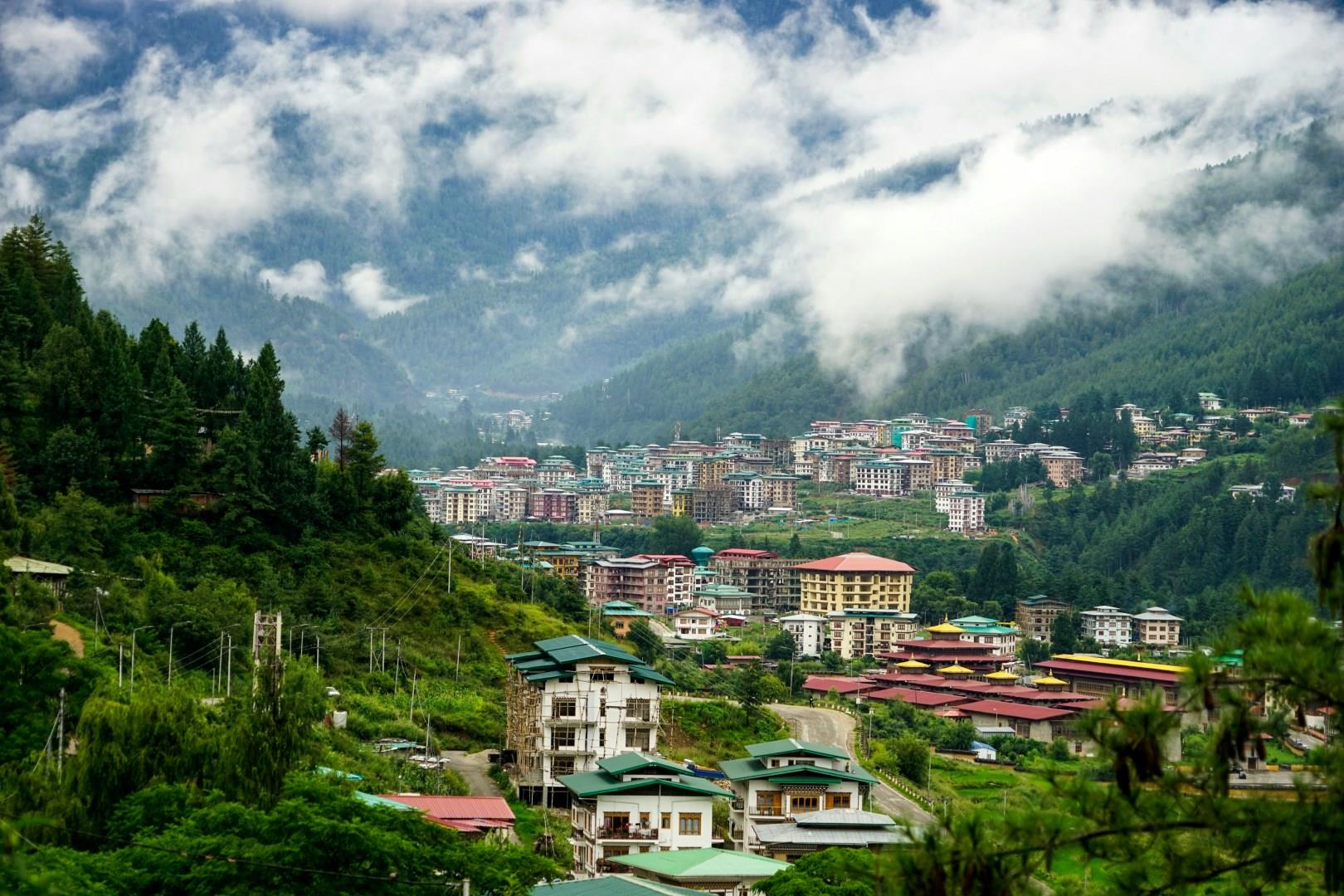
Thimphu, the capital of Bhutan, is a city where tradition and modern life meet in unexpected ways. Streets are lined with traditional Bhutanese architecture, colorful prayer flags, and shops selling handicrafts, while government offices and modern facilities operate alongside centuries-old temples.
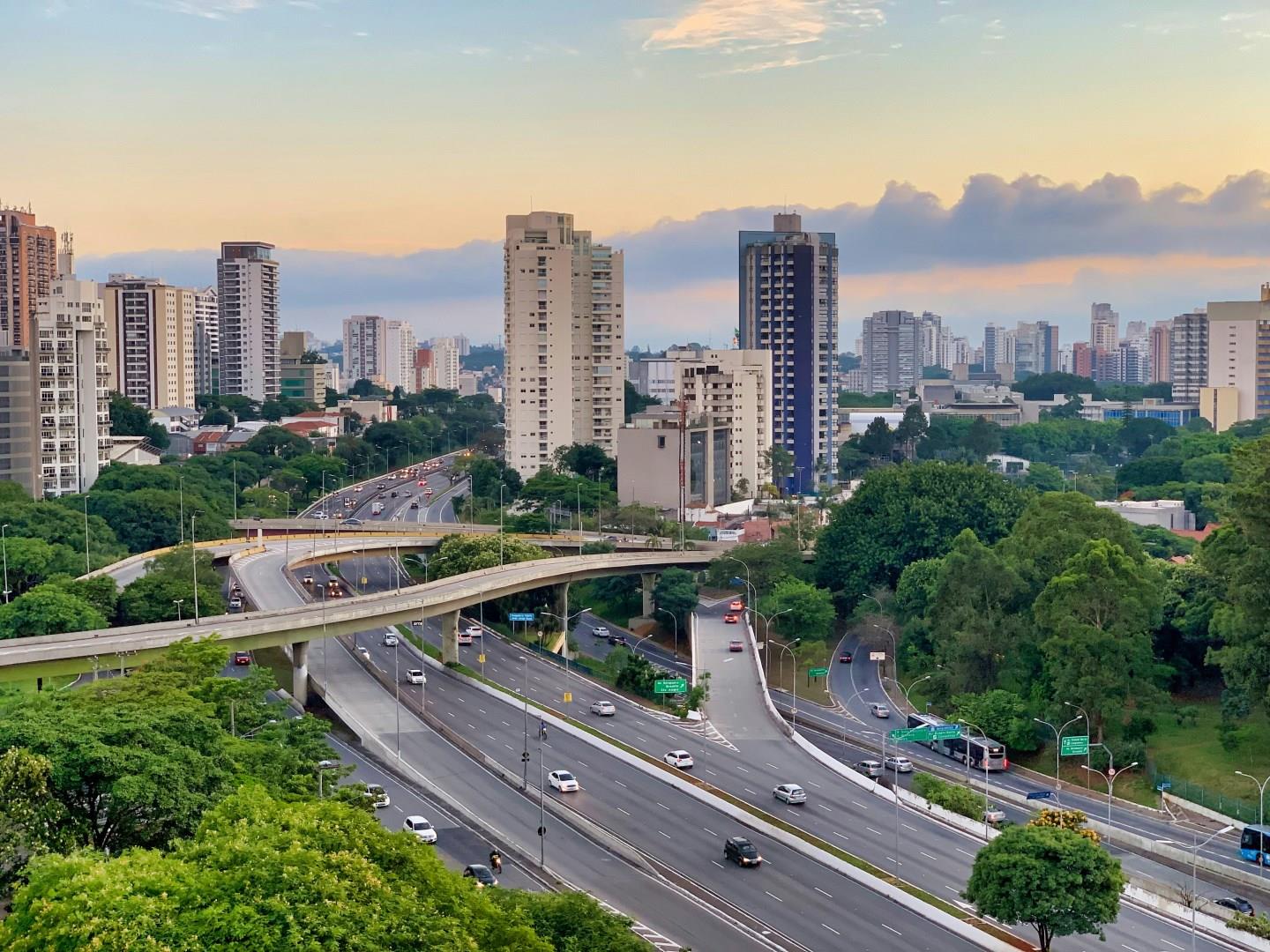
Sao Paulo is Brazil’s largest city and its economic engine, shaped by waves of migration that began in the late 19th century and never truly slowed. Italians, Japanese, Lebanese, and migrants from across Brazil all left visible marks on the city’s neighborhoods, food, and cultural life.
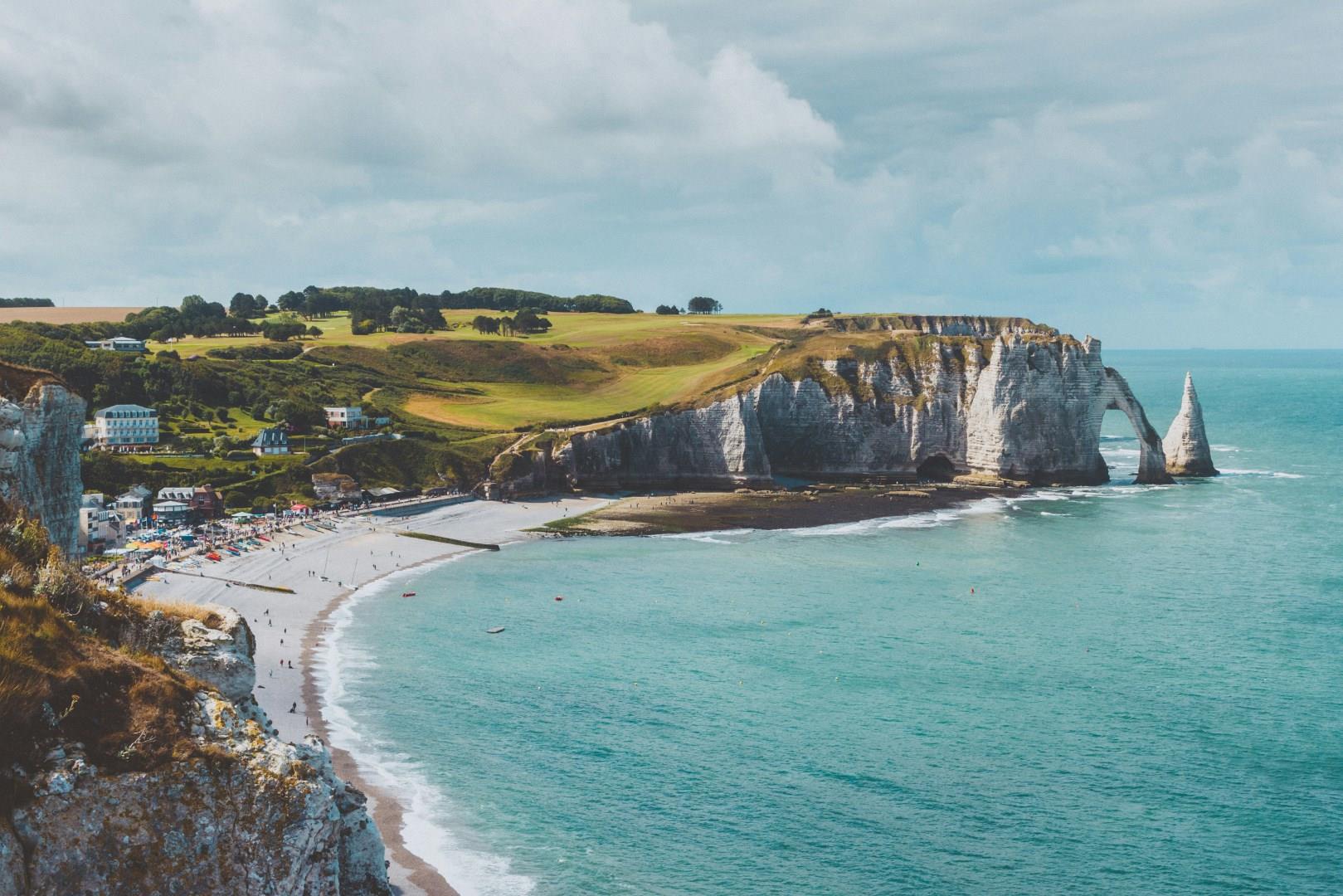
Étretat, a small coastal town in Normandy, France, is celebrated for its dramatic white chalk cliffs and natural rock arches that rise strikingly above the English Channel.
This island is Australia's third largest, only a short flight or ferry trip from the mainland. The abundance of native flora and fauna are unthreatened due to its remoteness. Sea lions basking in the sun and penguins promenading are a spectacle to see. PirKangaroo Island, often described as Australia’s "Galápagos," is a wildlife sanctuary and nature lover's paradise located off the coast of South Australia.
Brno, the vibrant heart of the Czech Republic's Moravian region, offers a captivating blend of historical charm and modern dynamism. As the second-largest city in the country, Brno is known for its striking architecture, including the Špilberk Castle, which overlooks the city from its hilltop perch. Originally a medieval fortress, Špilberk Castle has evolved into a cultural and historical museum, showcasing exhibits on the city’s rich past and providing panoramic views of Brno.
The Villa Tugendhat, a UNESCO World Heritage Site, is another must-see for visitors. Designed by the renowned architect Ludwig Mies van der Rohe, this modernist gem from the 1920s is celebrated for its innovative design and use of space. A tour through this architectural marvel offers insight into early 20th-century design principles and the history of one of the most influential architects of the modern era.
For a taste of Brno’s lively cultural scene, explore the Brno City Museum and its collection of local artifacts, or wander through the bustling Zelný trh (Cabbage Market), where the colorful market stalls and lively atmosphere reflect the city's deep-rooted traditions. This area is perfect for sampling local delicacies and experiencing the vibrant daily life of Brno.
A fun fact about Brno is that it is home to one of the most intriguing historical curiosities: the Brno Ossuary, the second-largest ossuary in Europe. Discovered beneath the Church of St. James, this vast underground cemetery holds the remains of thousands of people and offers a fascinating glimpse into the city's historical past. With its rich history, stunning architecture, and lively cultural scene, Brno is a destination that promises to enchant and engage every visitor.