Fortaleza
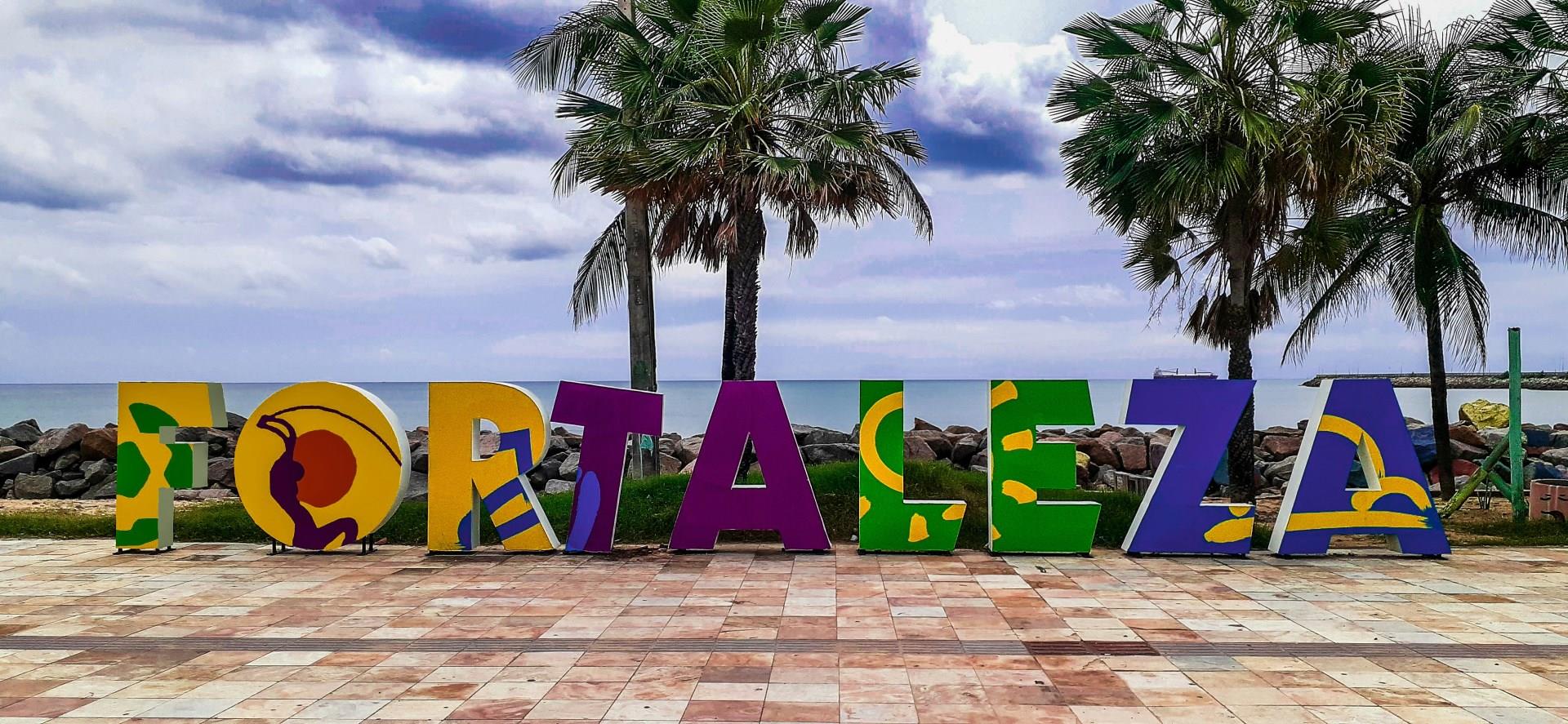
Fortaleza, on Brazil’s northeastern Atlantic coast, greets visitors with wide sandy beaches that stretch for miles along warm, blue water. Beyond the city’s shoreline, dramatic dunes and inviting waters make Fortaleza an ideal base for exploring nearby beach towns like Cumbuco and Canoa Quebrada, each with its own rhythms and landscapes.
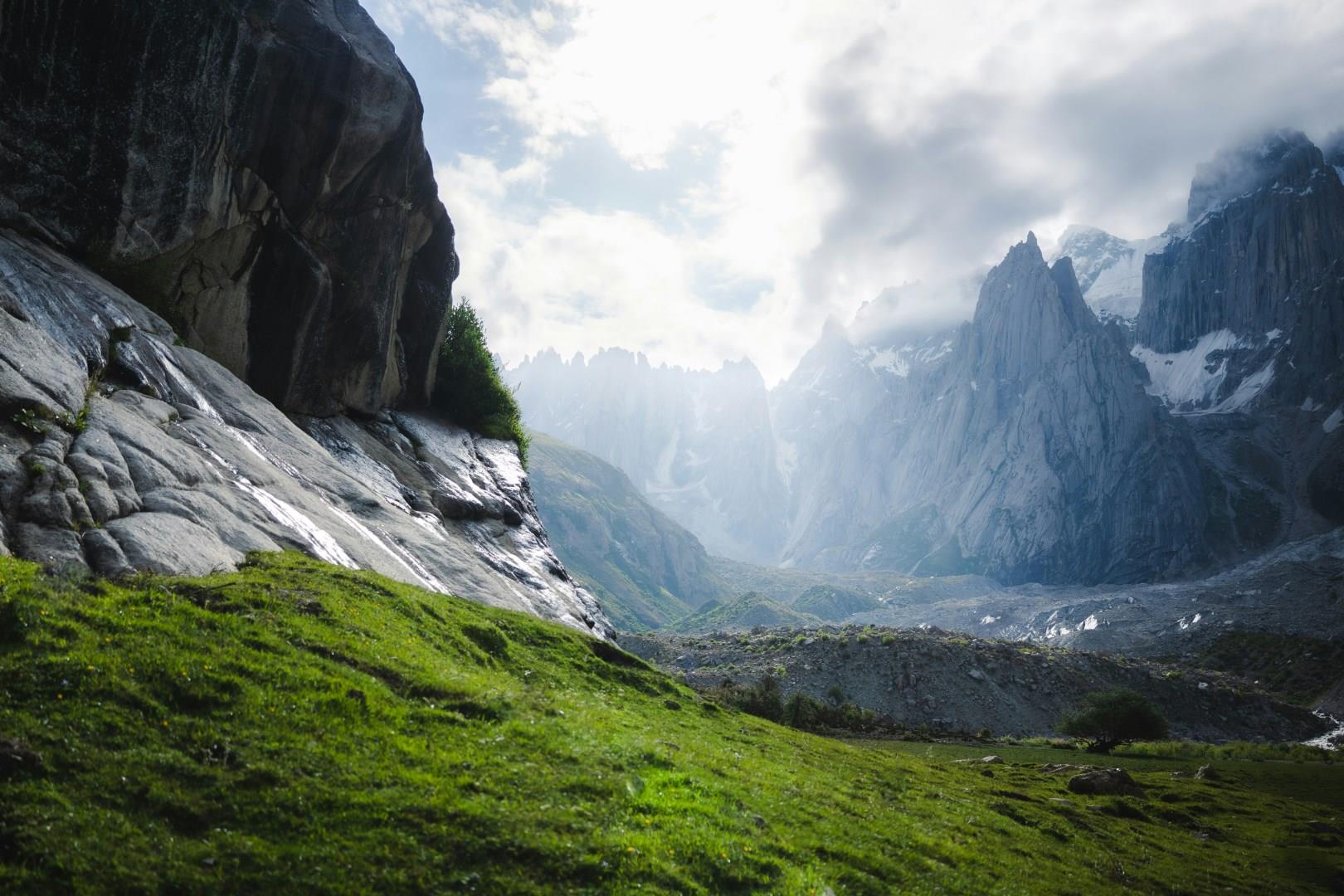
Nangma Valley
Nangma Valley, tucked deep within the Karakoram Range of northern Pakistan, is a place where towering granite spires rise dramatically above alpine meadows and clear streams. Located near the small town of Hushé in Gilgit-Baltistan, the valley is often described as a natural amphitheater of peaks. Climbers and trekkers from around the world are drawn to its vertical walls, but the valley’s quiet trails and sweeping views also offer an extraordinary experience .

Vidin
Nestled on the banks of the Danube River, Vidin, Bulgaria, is a city where history and scenic beauty converge. This ancient city, known for its well-preserved medieval fortress, the Baba Vida Castle, offers a unique glimpse into Bulgaria's past. The fortress, dating back to the 10th century, stands as one of the best-preserved medieval fortifications in the country.

Marsaxlokk
Nestled along the southeastern coast of Malta, Marsaxlokk is a charming fishing village that offers an authentic glimpse into the island's maritime heritage. Renowned for its picturesque harbor filled with traditional "Luzzu" boats painted in vibrant blues, reds, and yellows, Marsaxlokk is a feast for the senses. These iconic boats, each adorned with the Eye of Osiris for protection, are a symbol of Malta’s deep-rooted cultural ties to the sea.

Luxembourg
Luxembourg City, the capital of the Grand Duchy of Luxembourg, is a stunning blend of medieval charm and modern sophistication. Perched atop dramatic cliffs and surrounded by deep gorges, this city offers a unique and breathtaking landscape. The UNESCO-listed Old Town is an essential starting point for visitors, with its ancient fortifications, narrow cobblestone streets, and grand squares.