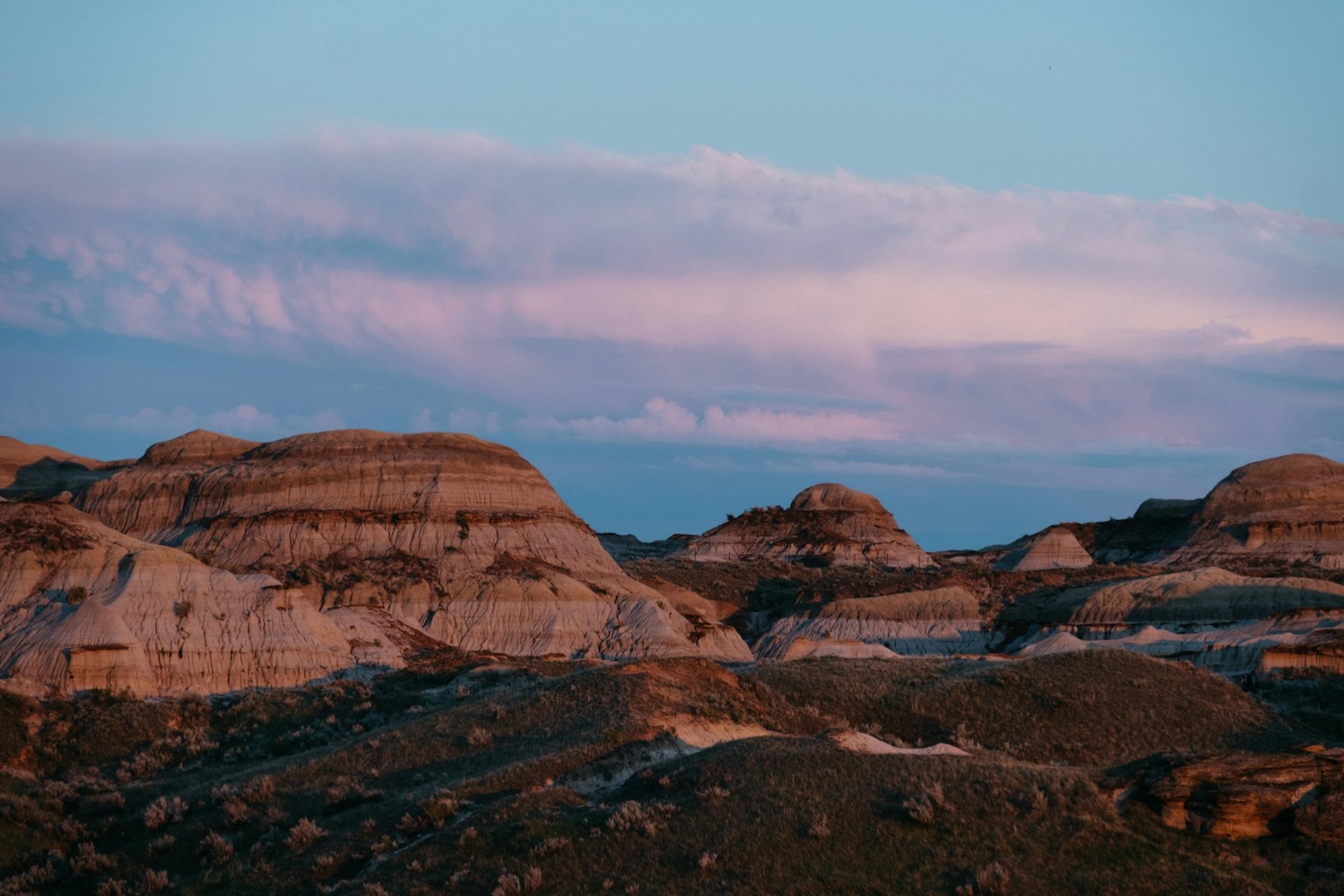
Dinosaur Provincial Park lies in the badlands of southeastern Alberta, along the Red Deer River. The park is recognized as a UNESCO World Heritage Site for both its geological landscape and its exceptional fossil record. Its dry valleys, eroded cliffs, hoodoos, and exposed rock layers reveal sediments from the Late Cretaceous period, when the region supported a very different ecosystem.
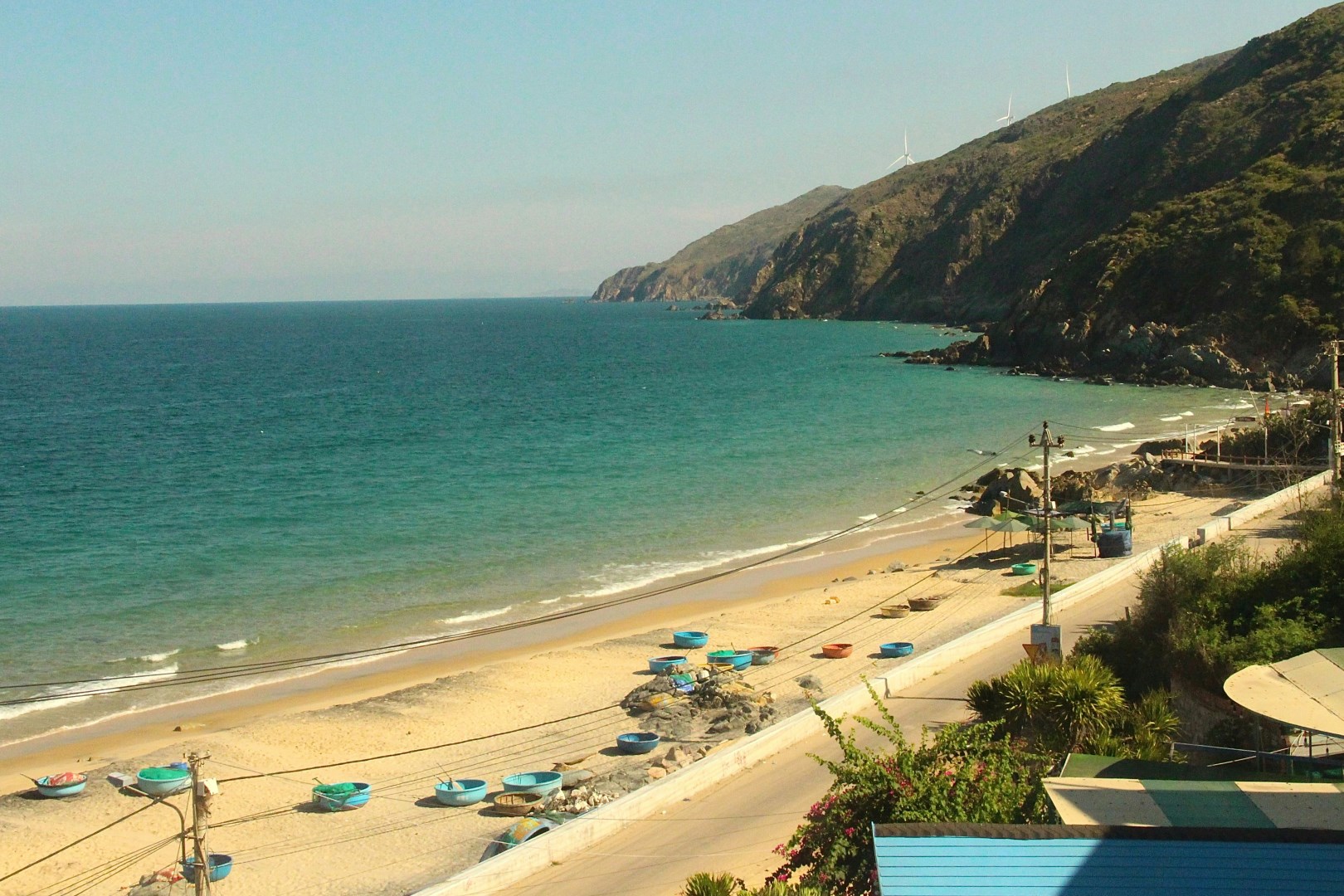
Quy Nhon is a coastal city in Bình Định Province on Vietnam’s south-central coast, facing the South China Sea. It is known for its long sandy shoreline, working fishing ports, and a quieter atmosphere compared to larger beach destinations.
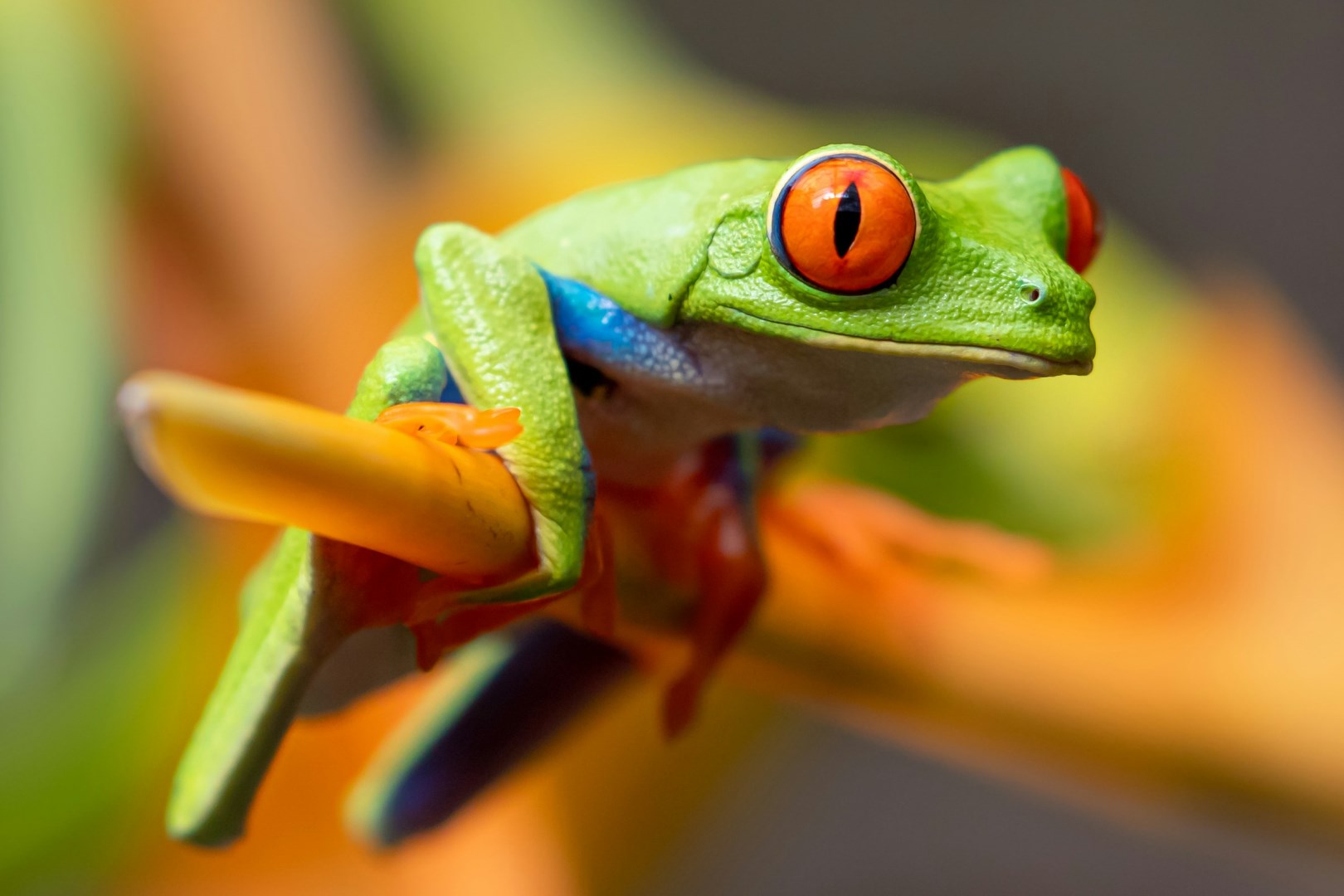
Sarapiquí is a rural region in northeastern Costa Rica, known for its network of rivers, rainforest reserves, and agricultural landscapes. Centered around Puerto Viejo de Sarapiquí, the area serves as a gateway to the Caribbean lowlands while remaining distinct from coastal destinations.
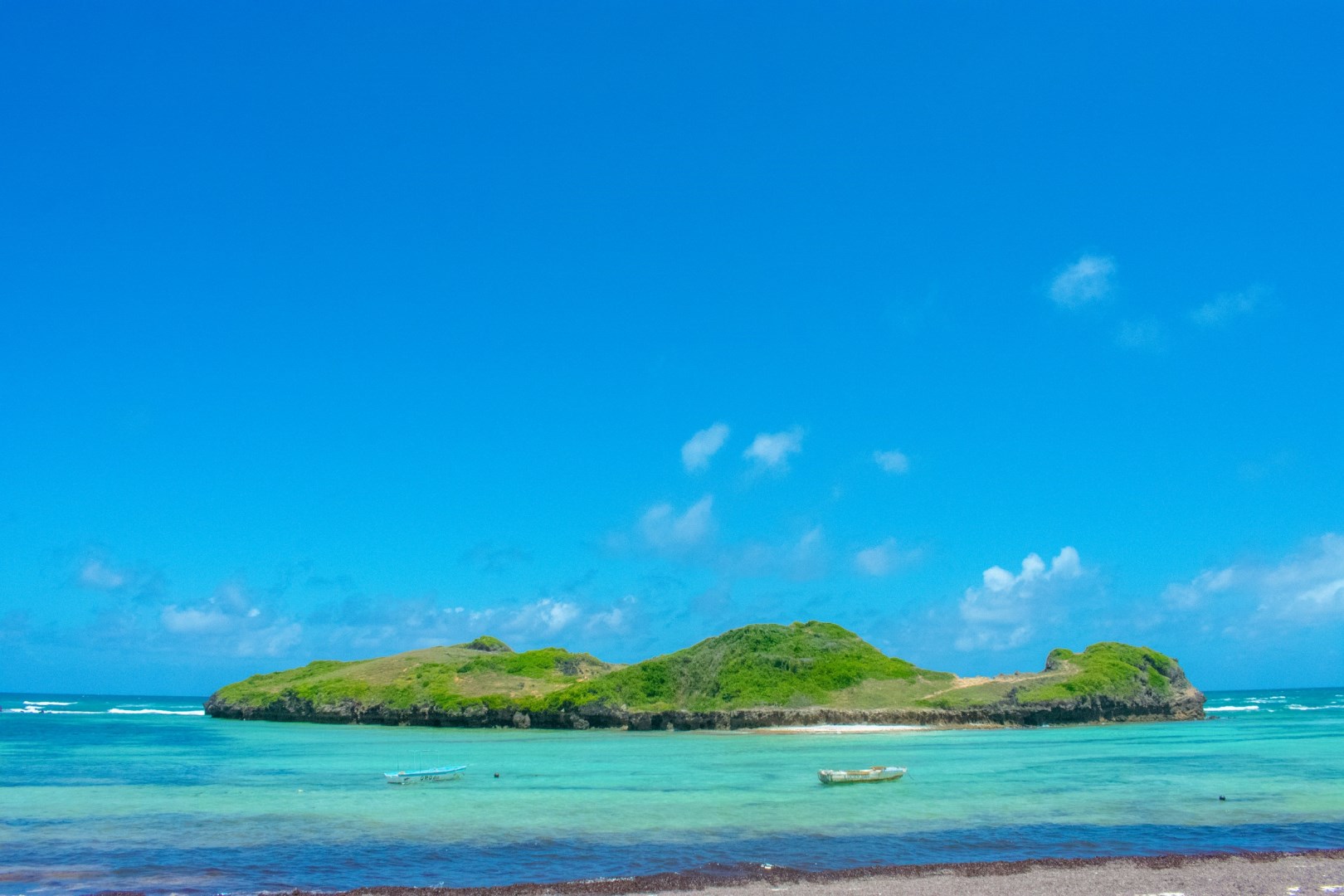
Malindi is a coastal town in southeastern Kenya, located along the Indian Ocean north of Mombasa. Its setting combines a historic Swahili settlement with sandy beaches, coral reefs, palm trees, and marine habitats. The town has long been connected to Indian Ocean trade, and its streets and waterfront reflect African, Arab, Portuguese, and later European influences.
Photo Credit: Photo by Hendrik Cornelissen on Unsplash
Photo Credit: Photo by Avel Chuklanov on Unsplash
Photo Credit: Photo by Michael Wilcox on Unsplash
Photo Credit: Photo by Nad Hemnani on Unsplash
Photo Credit: Photo by MARIOLA GROBELSKA on Unsplash
Photo Credit: Photo by Hendrik Cornelissen on Unsplash
Photo Credit: Photo by Denice Alex on Unsplash
Photo Credit: Photo by MARIOLA GROBELSKA on Unsplash
Photo Credit: Photo by Nad Hemnani on Unsplash
Photo Credit: Photo by Lesly Derksen on Unsplash
Photo Credit: Photo by Audric Wonkam on Unsplash
Photo Credit: Photo by mtsjrdl on Unsplash
Photo Credit: Photo by Mwandwe Chileshe on Unsplash
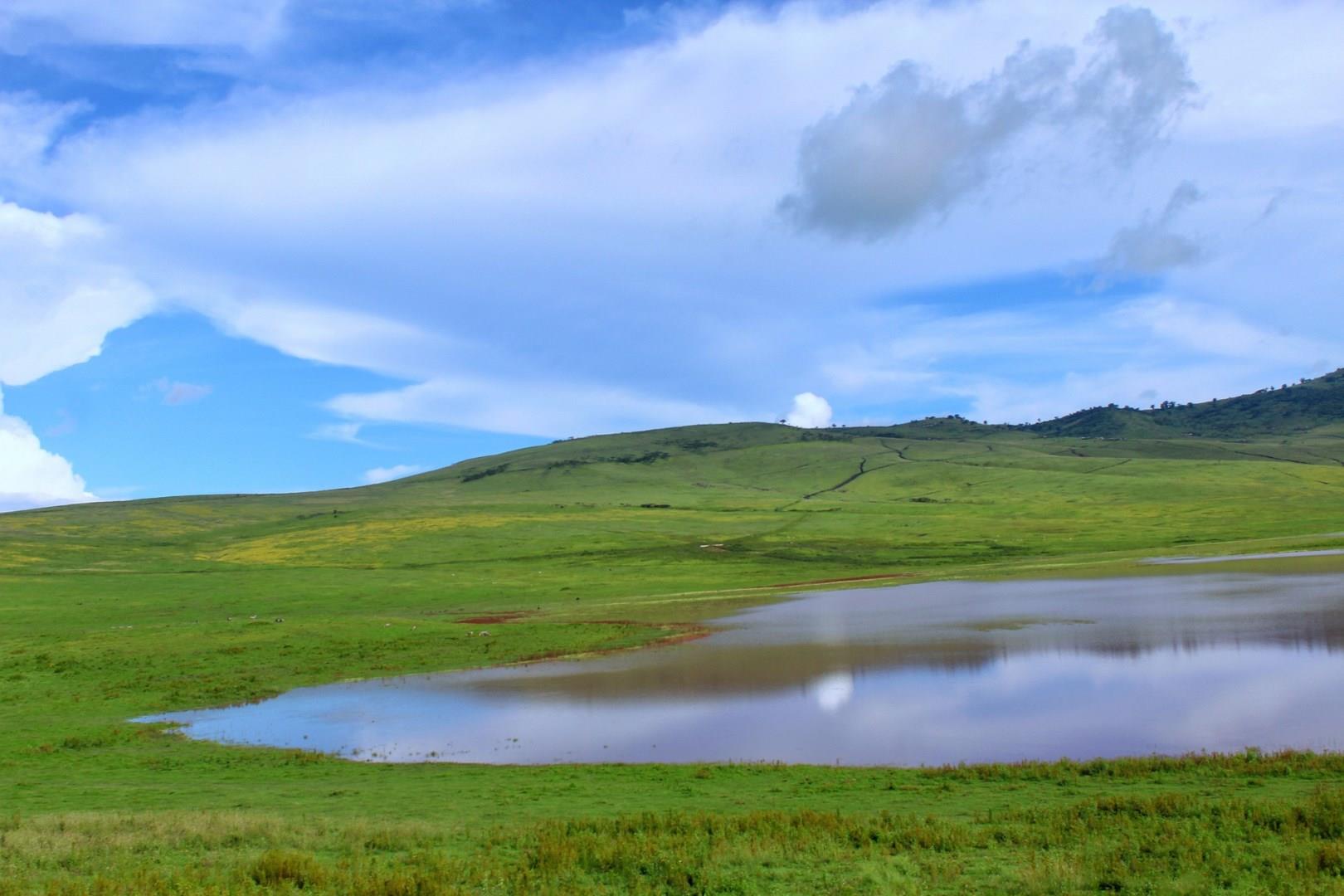
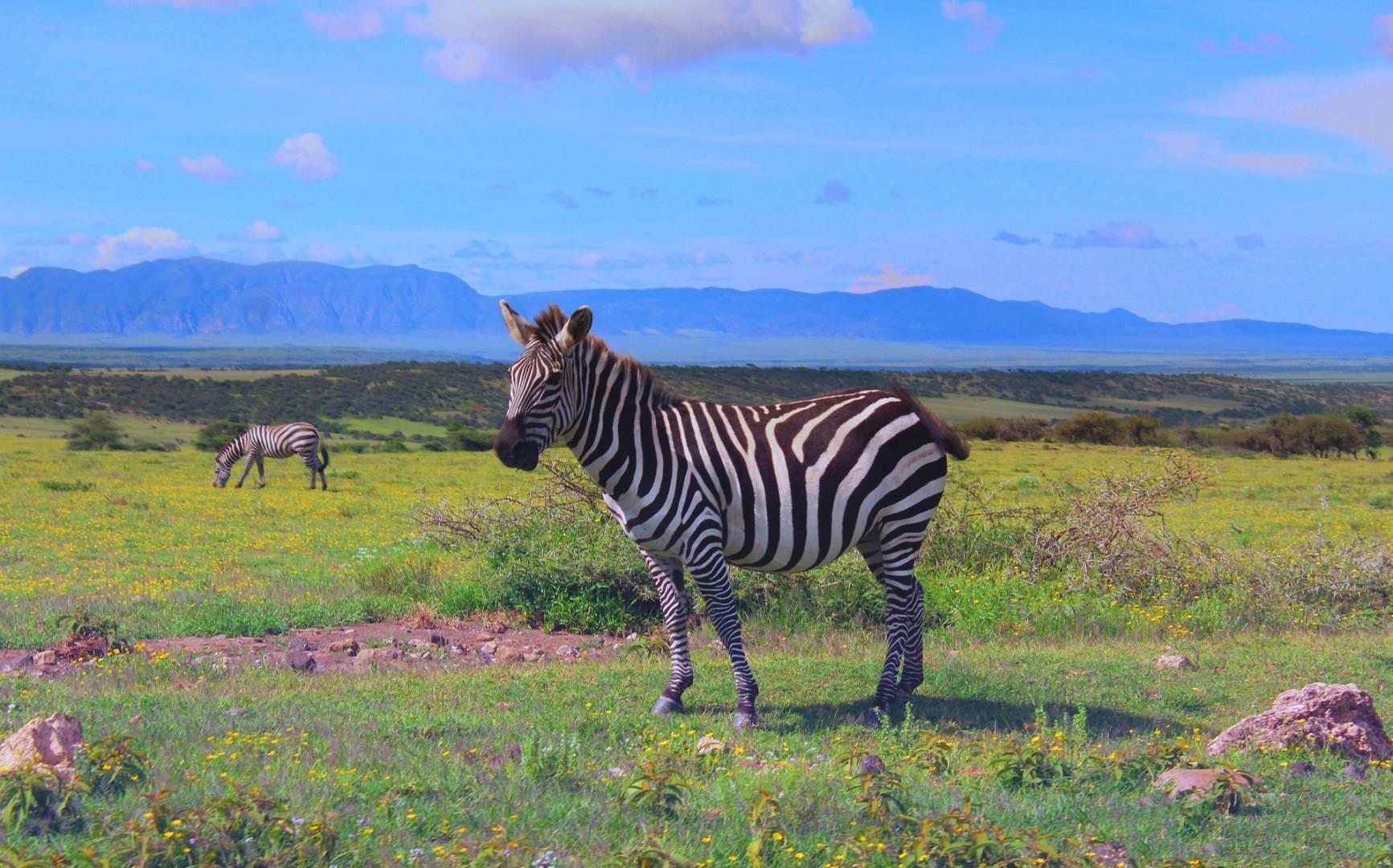
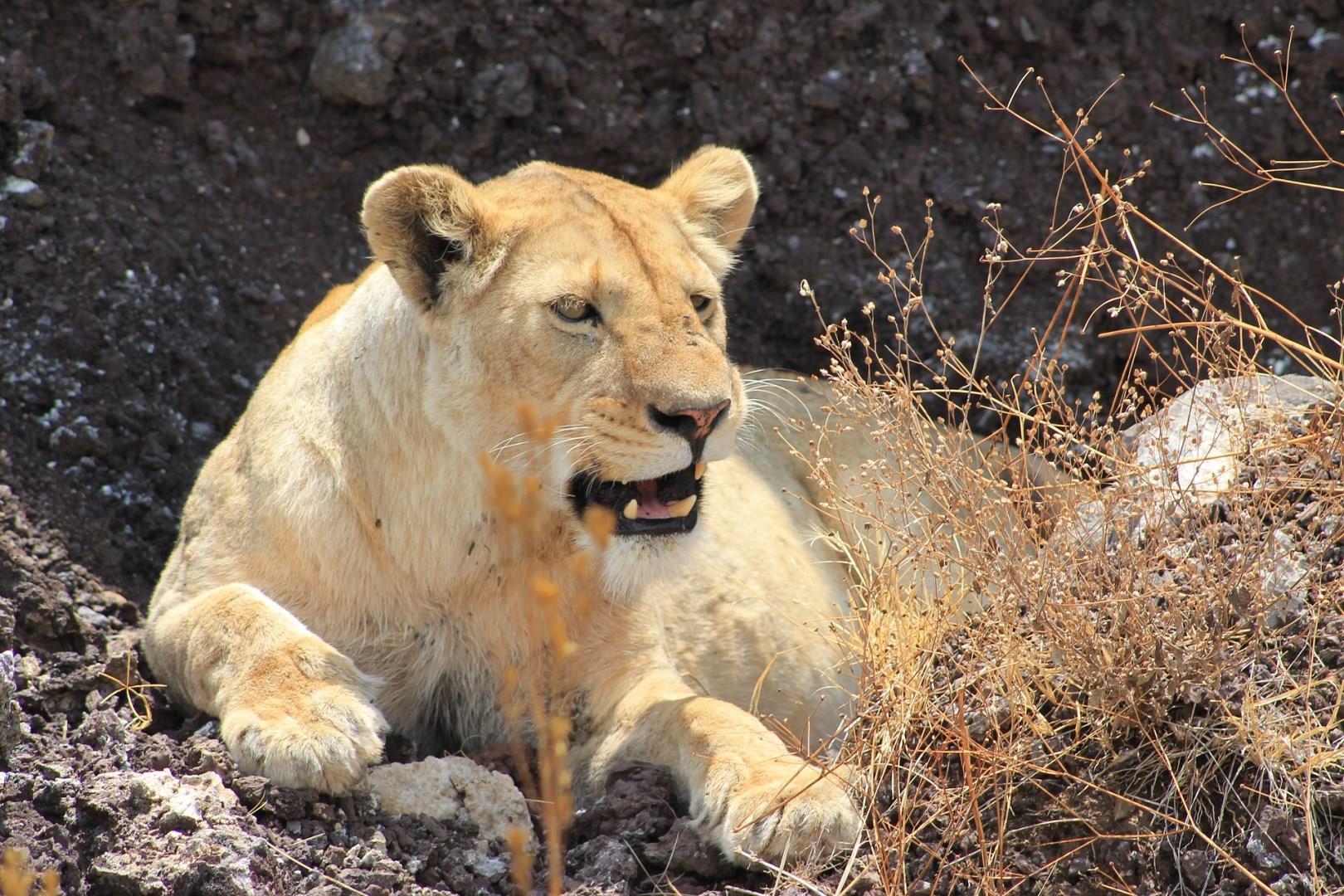
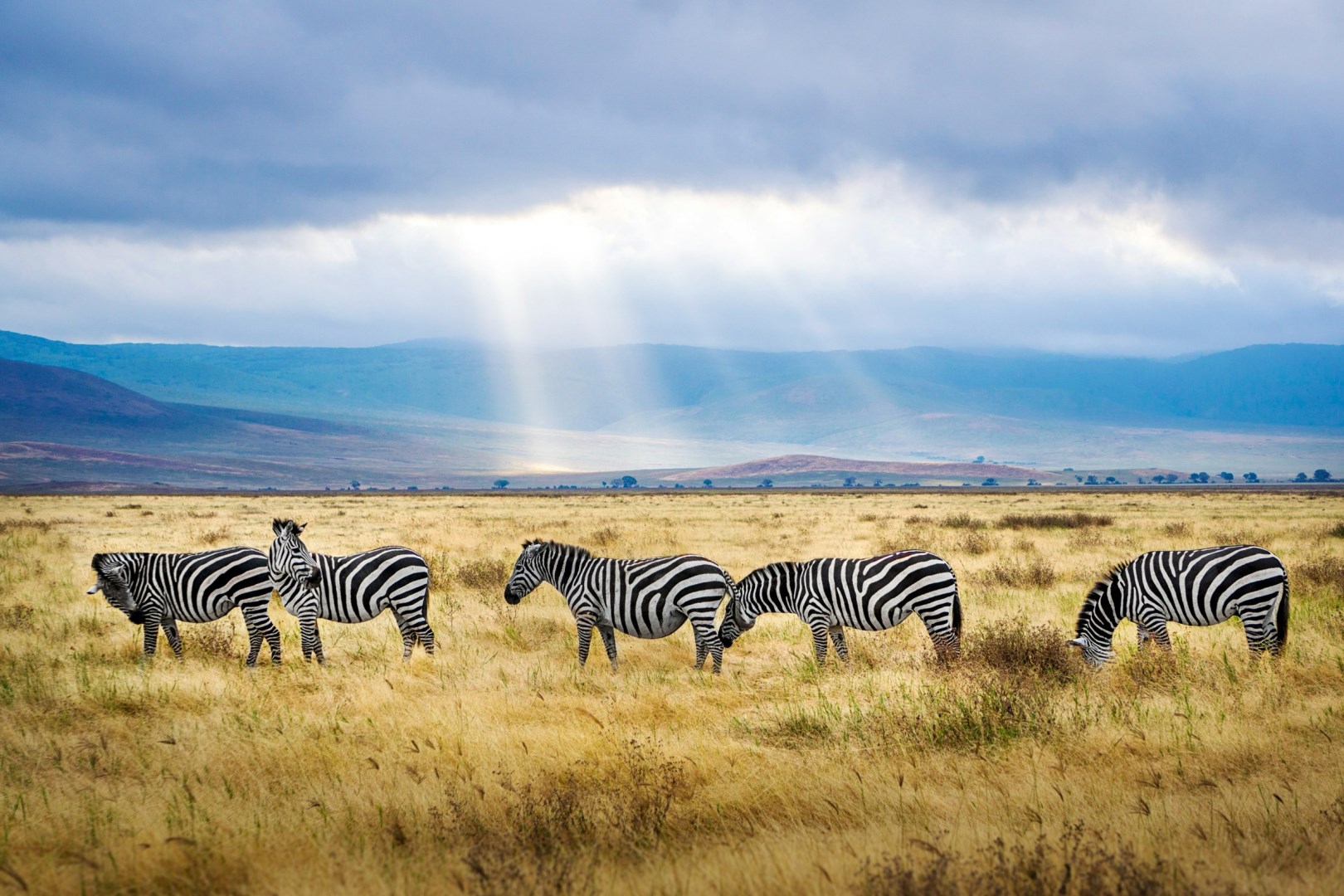
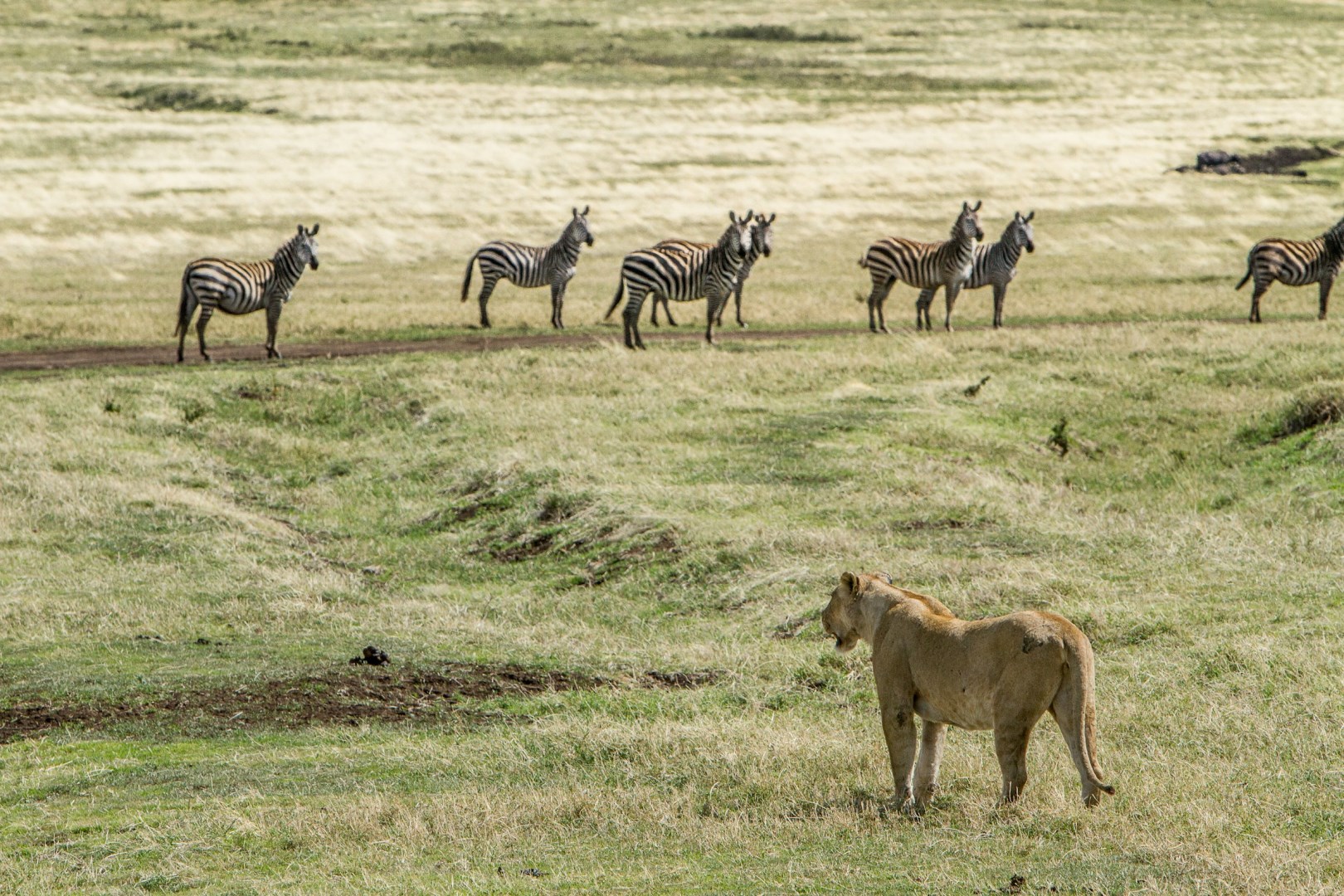
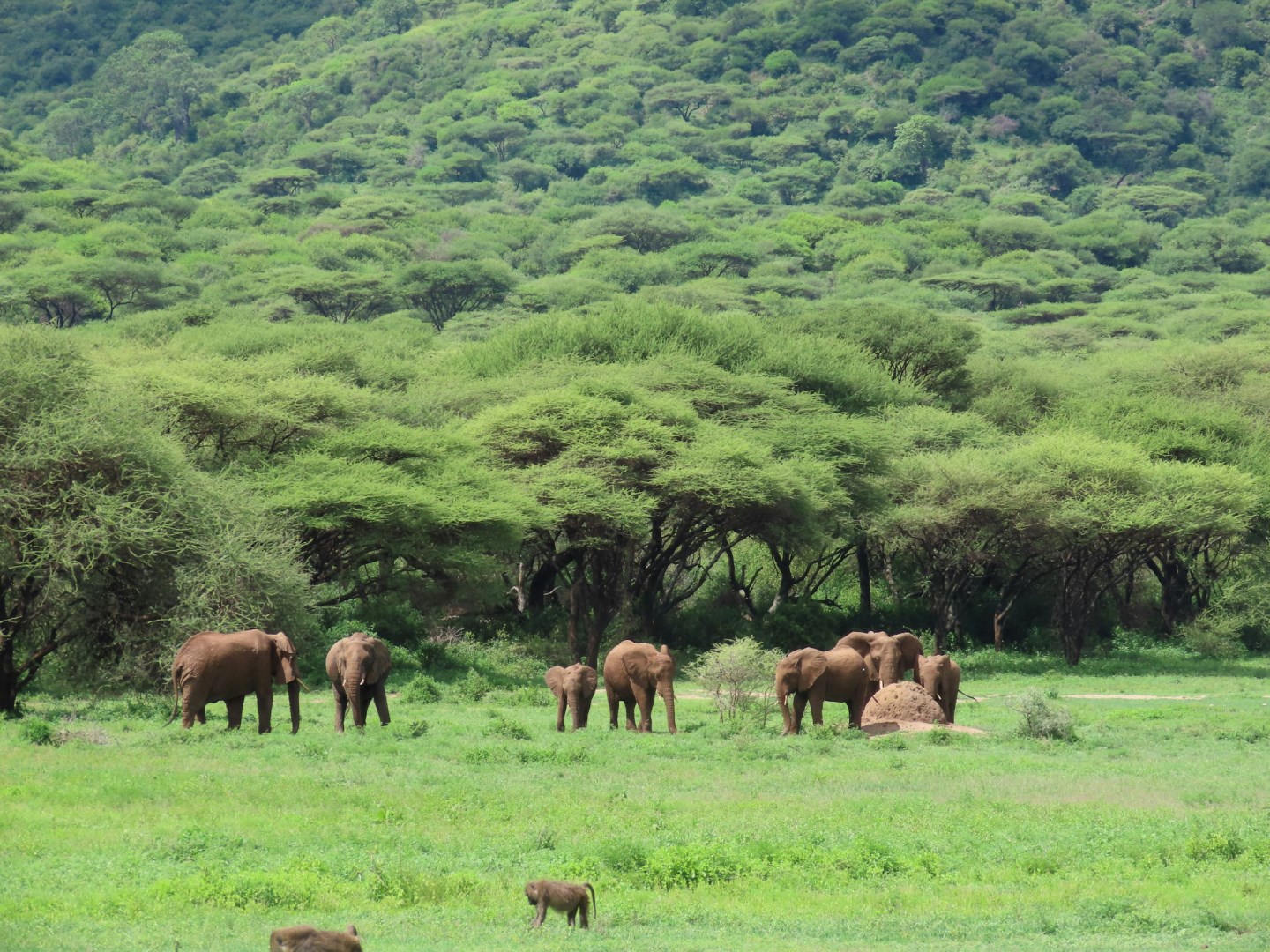
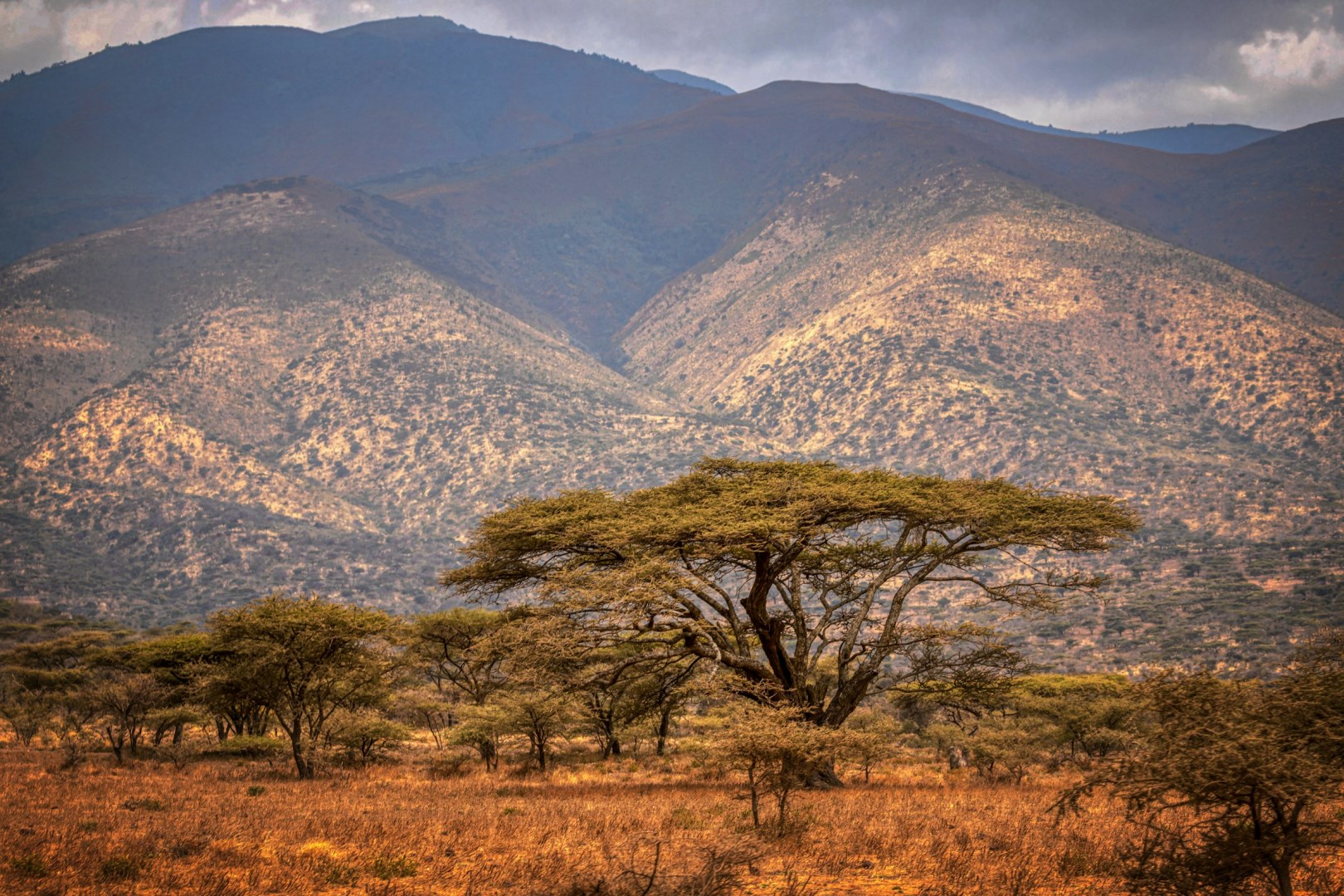
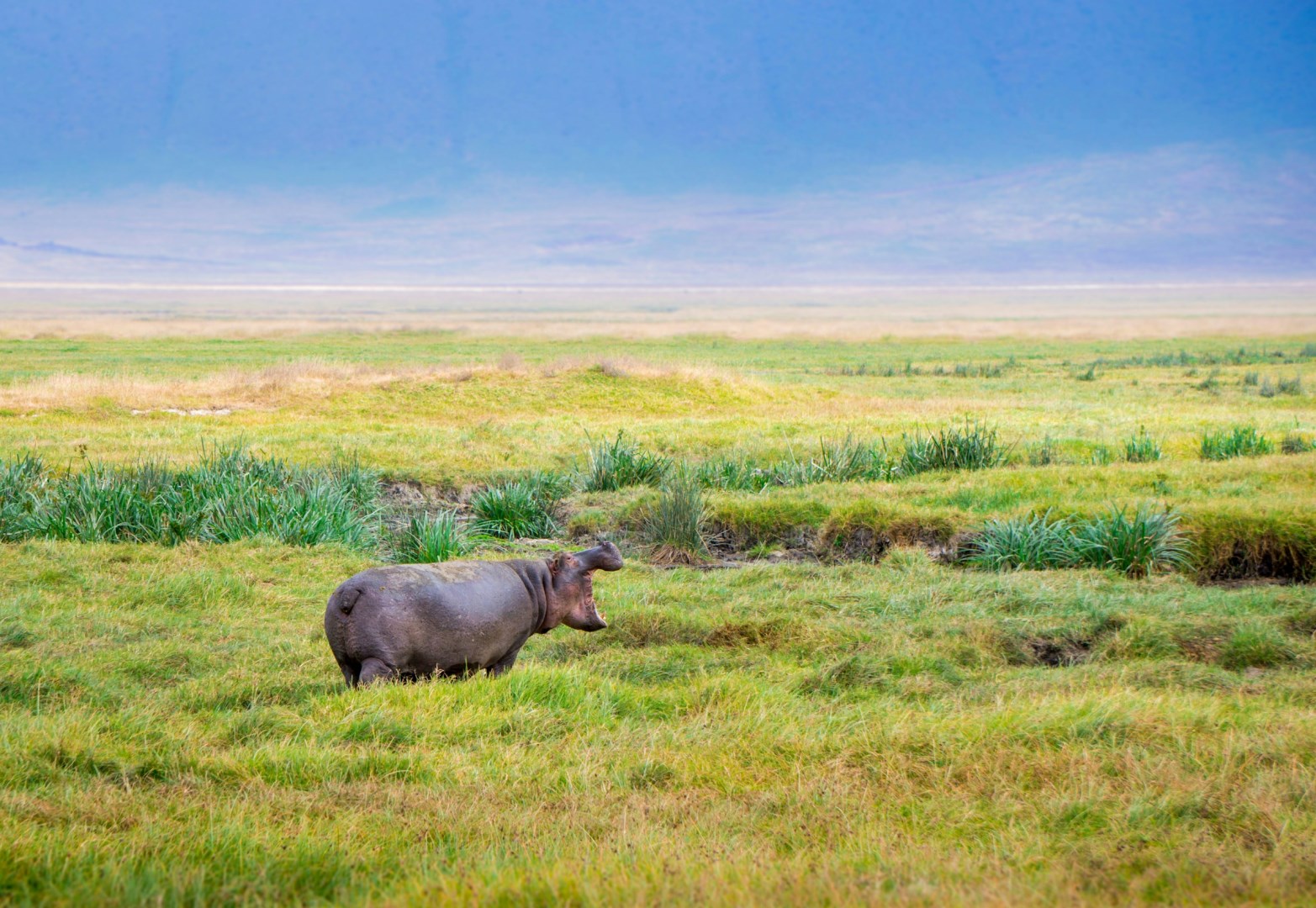
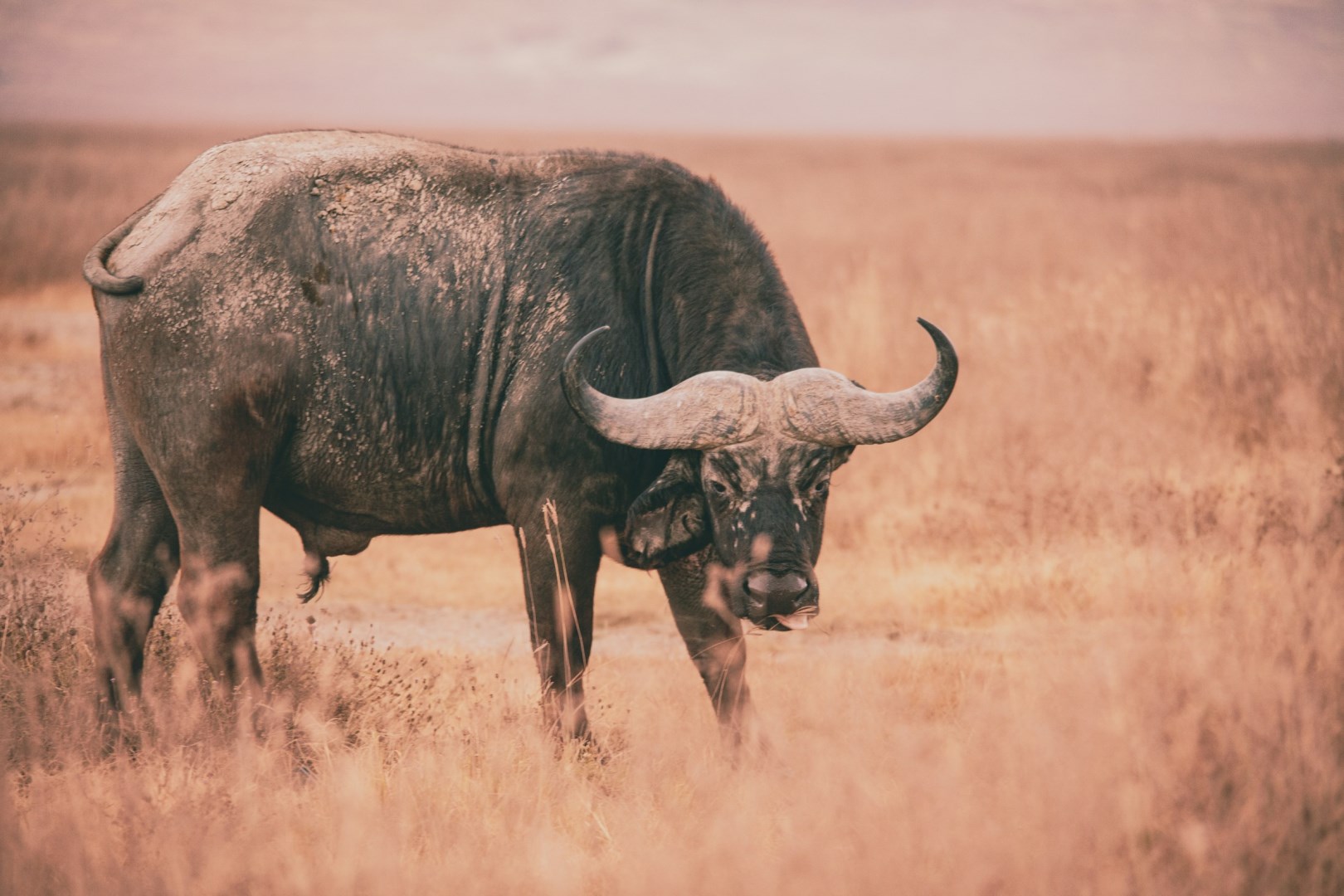
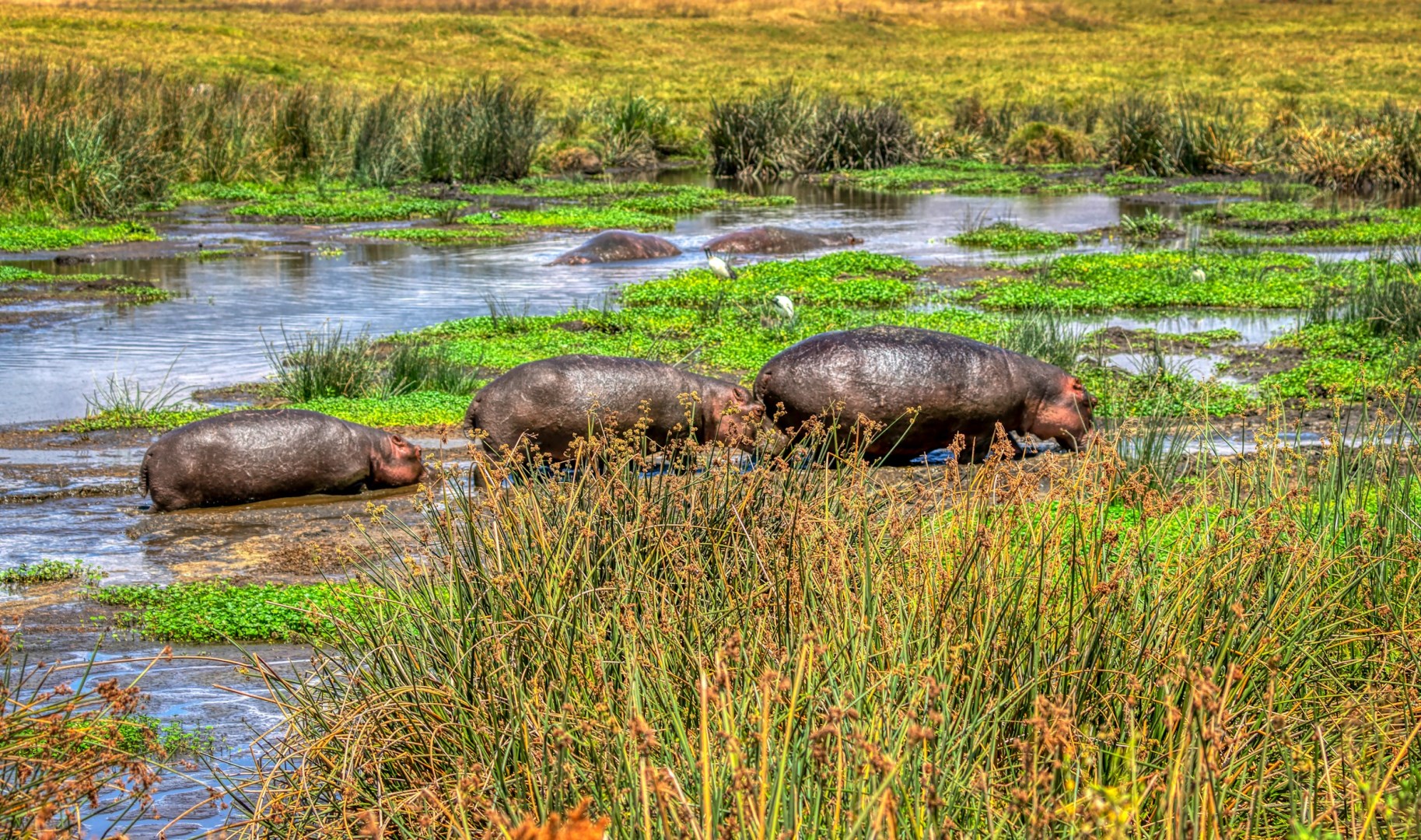
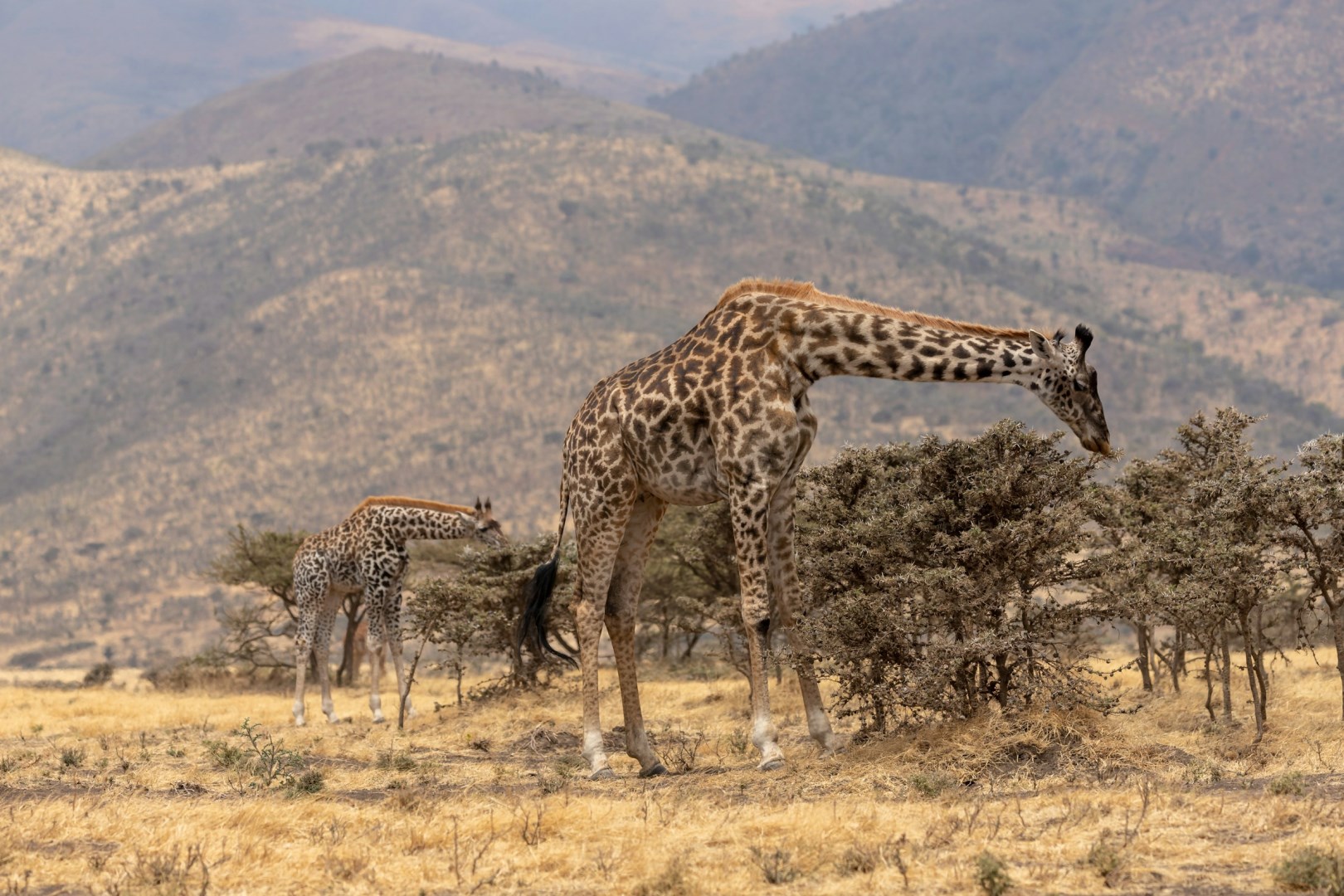
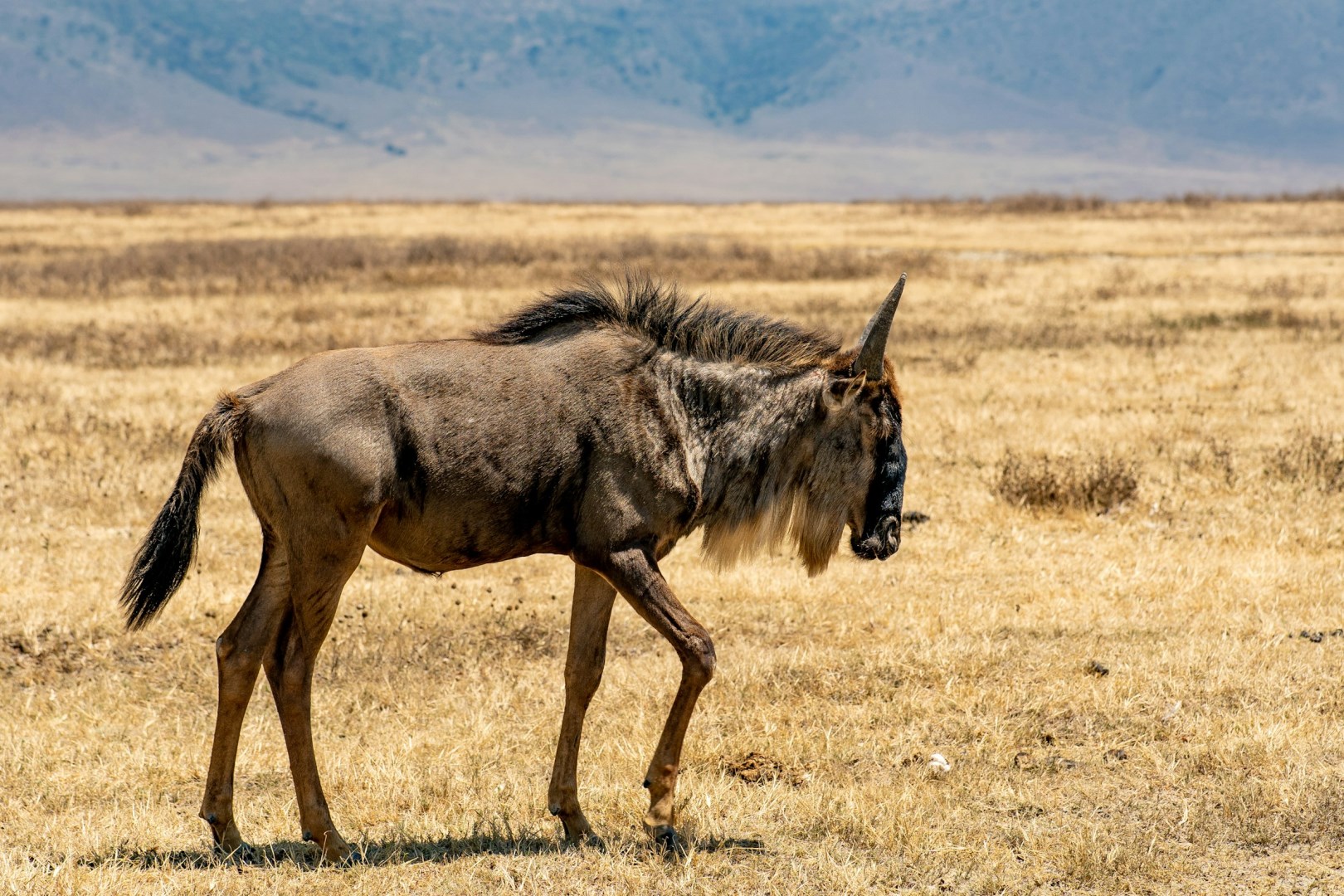
Ngorongoro, Tanzania, is a destination where breathtaking landscapes and abundant wildlife converge in a truly unique way. Nestled within the Ngorongoro Conservation Area, this region is renowned for the Ngorongoro Crater, a UNESCO World Heritage Site. This ancient caldera, formed by a volcanic eruption millions of years ago, creates a natural amphitheater teeming with wildlife. The crater's diverse habitats support a rich variety of animals, including the elusive black rhino, elephants, lions, and wildebeest.
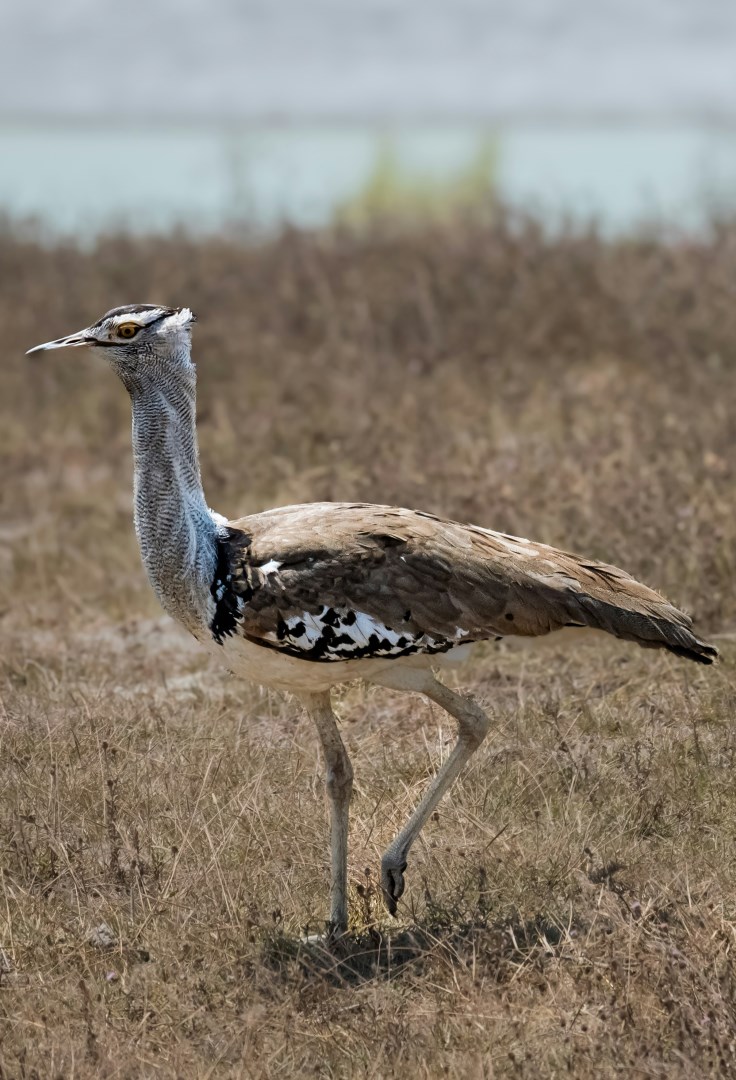
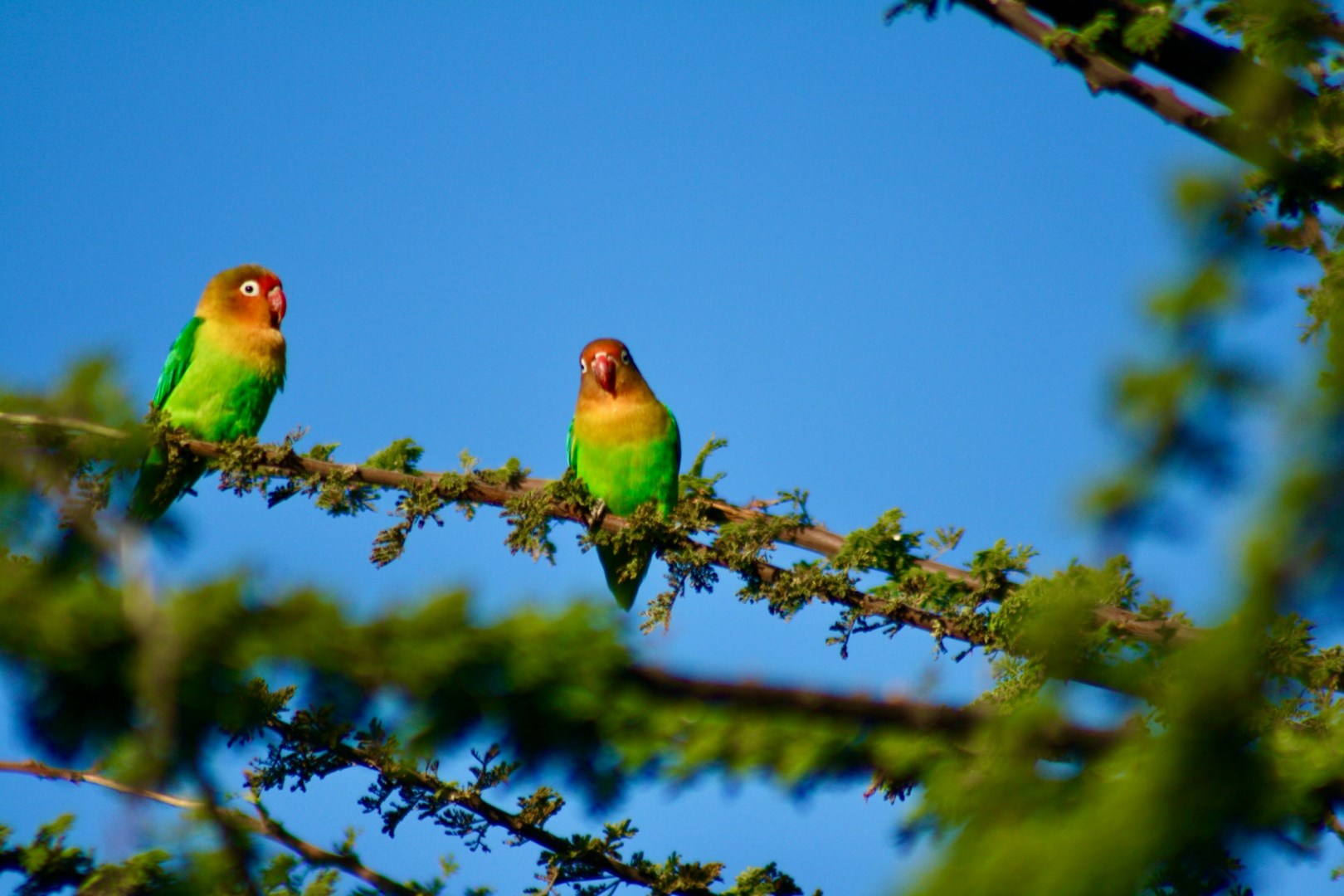
A visit to Ngorongoro offers unparalleled wildlife experiences. The crater’s floor is a paradise for safari enthusiasts, providing a chance to witness the Great Migration’s dramatic river crossings or to observe predator-prey interactions in their natural habitat. Additionally, the highland forests surrounding the crater offer opportunities for birdwatching and scenic hikes. The area is also home to the Maasai people.
Other Popular Destinations in Tanzania
Serengeti
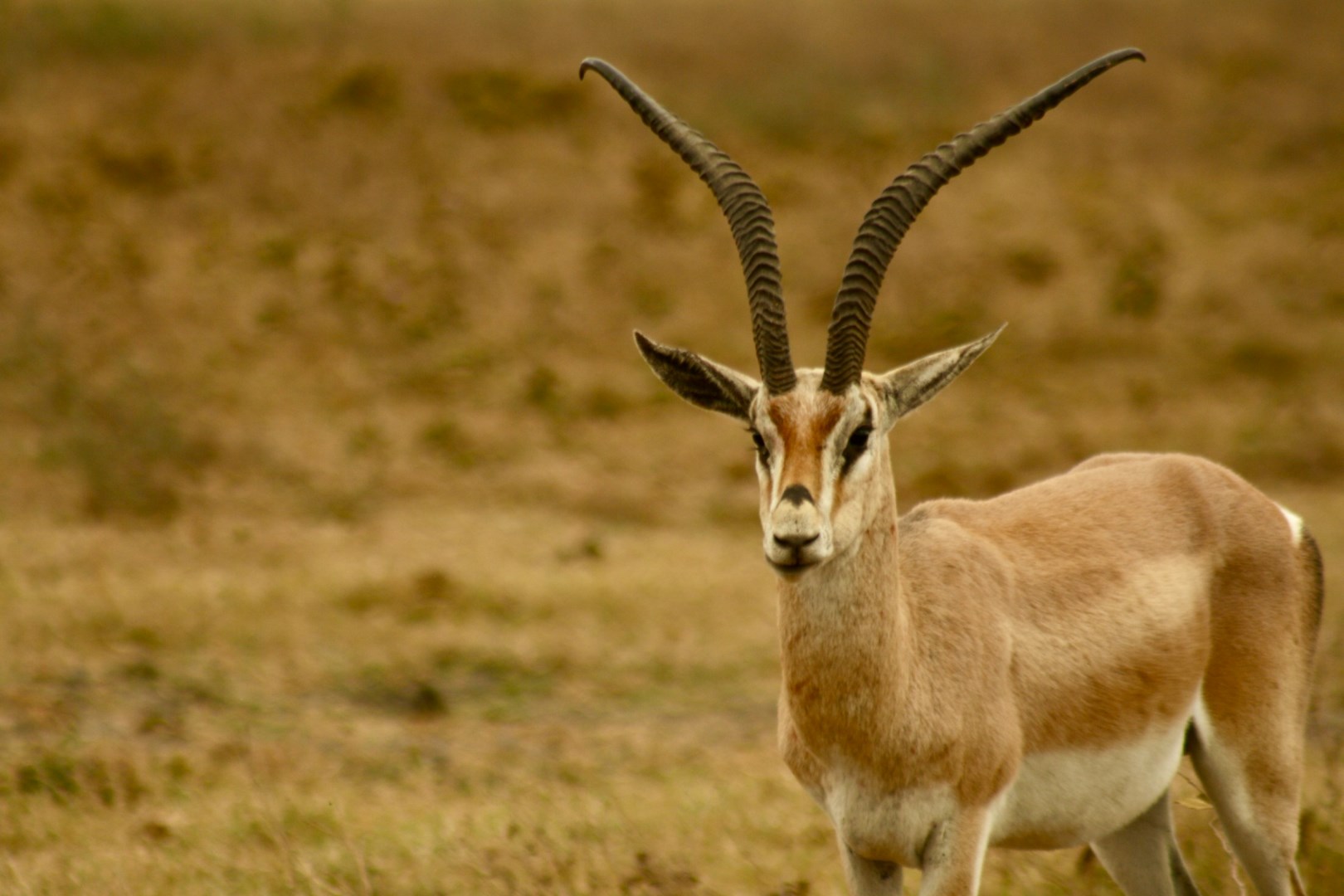
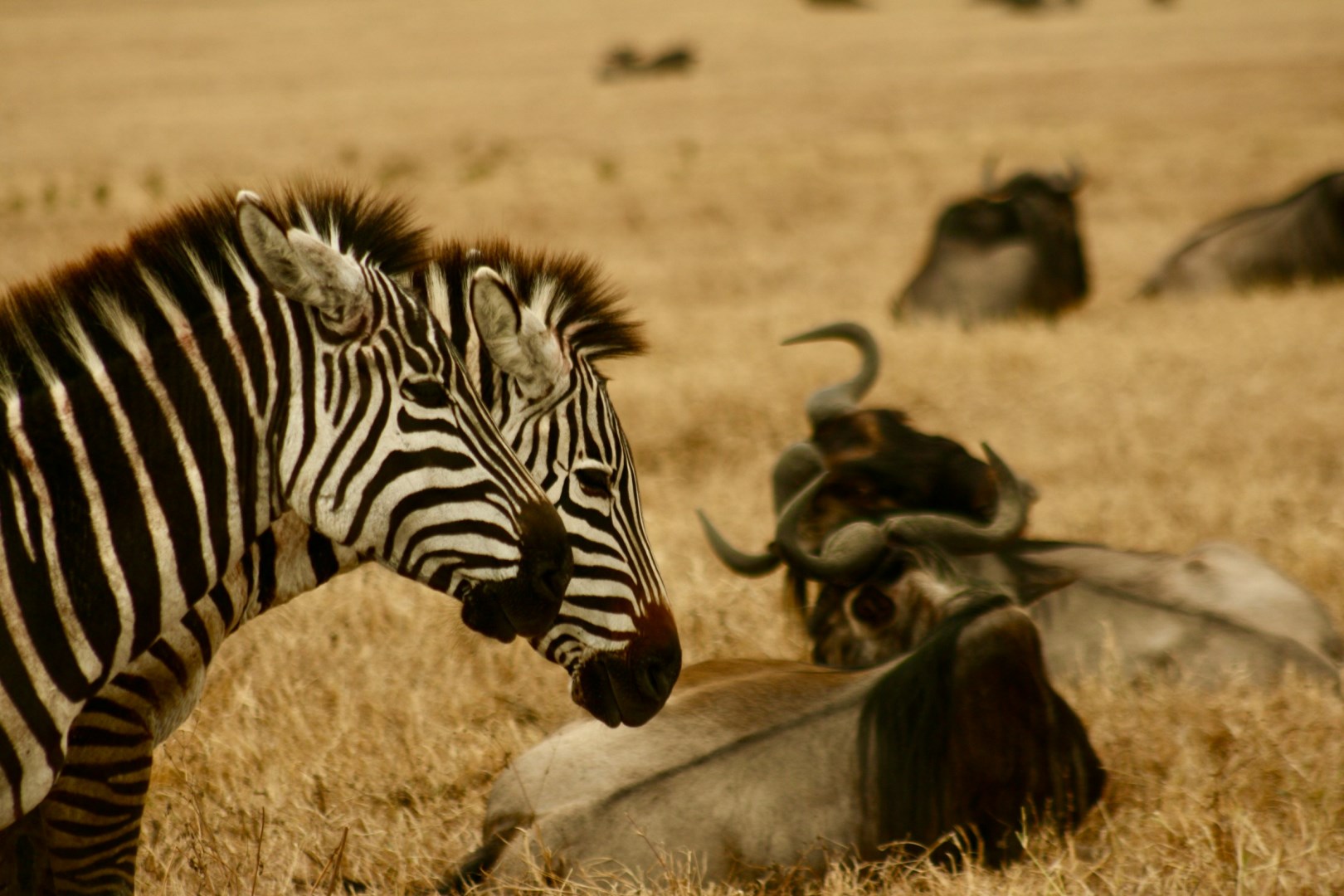
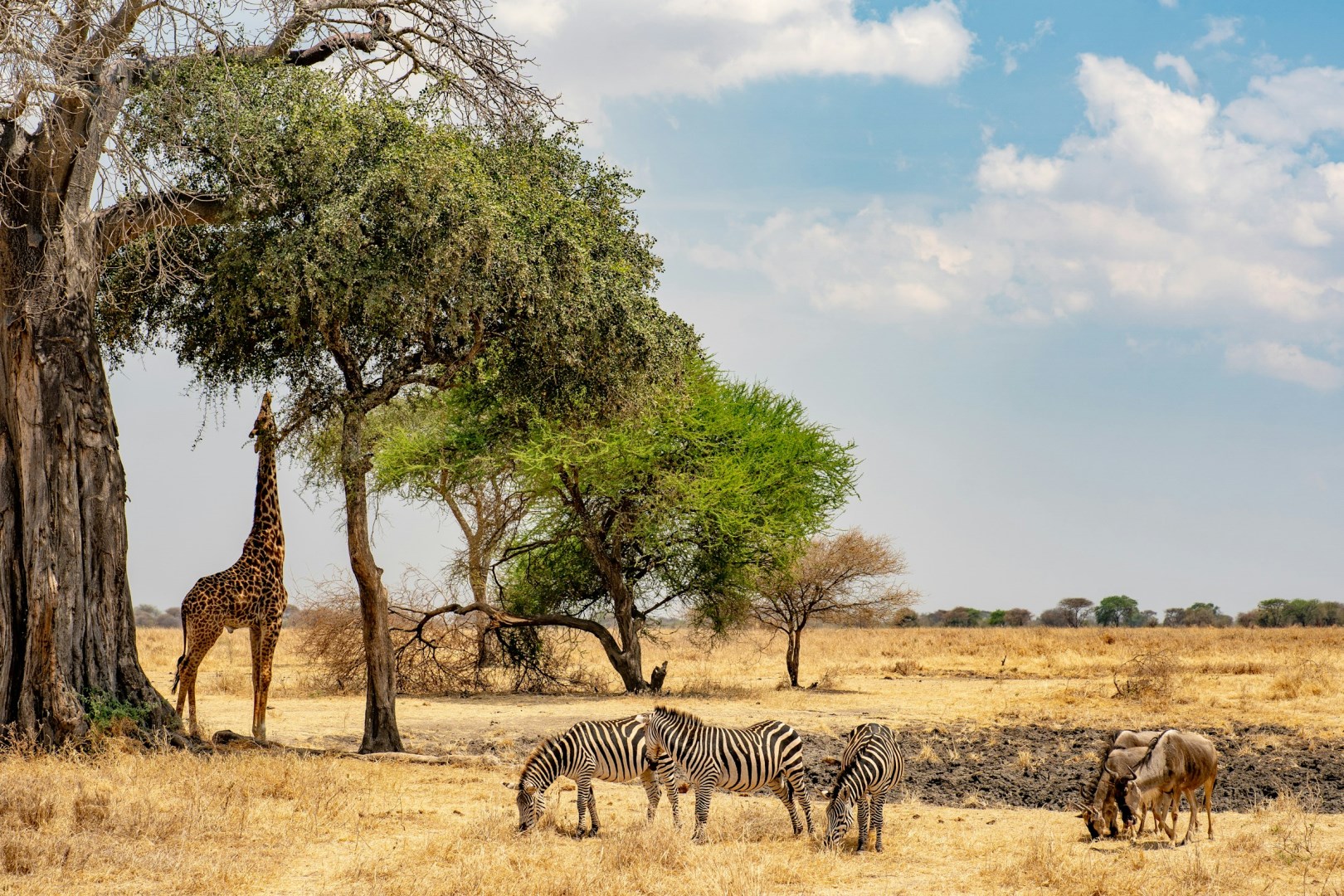
Serengeti, Tanzania, is a jewel of the African continent, renowned for its spectacular wildlife and breathtaking landscapes. This iconic destination is synonymous with the Great Migration, one of nature’s most awe-inspiring events. Each year, millions of wildebeest, zebras, and gazelles traverse the Serengeti’s vast plains in search of fresh grazing grounds, creating a dramatic and unforgettable spectacle.
Zanzibar
Zanzibar Island, off the coast of Tanzania, is a captivating destination where history and natural beauty converge. The island’s Stone Town, a UNESCO World Heritage Site, is a maze of narrow alleys, vibrant markets, and historical buildings. Wander through the bustling Darajani Market, where local spices, textiles, and crafts create a sensory feast.