Ely
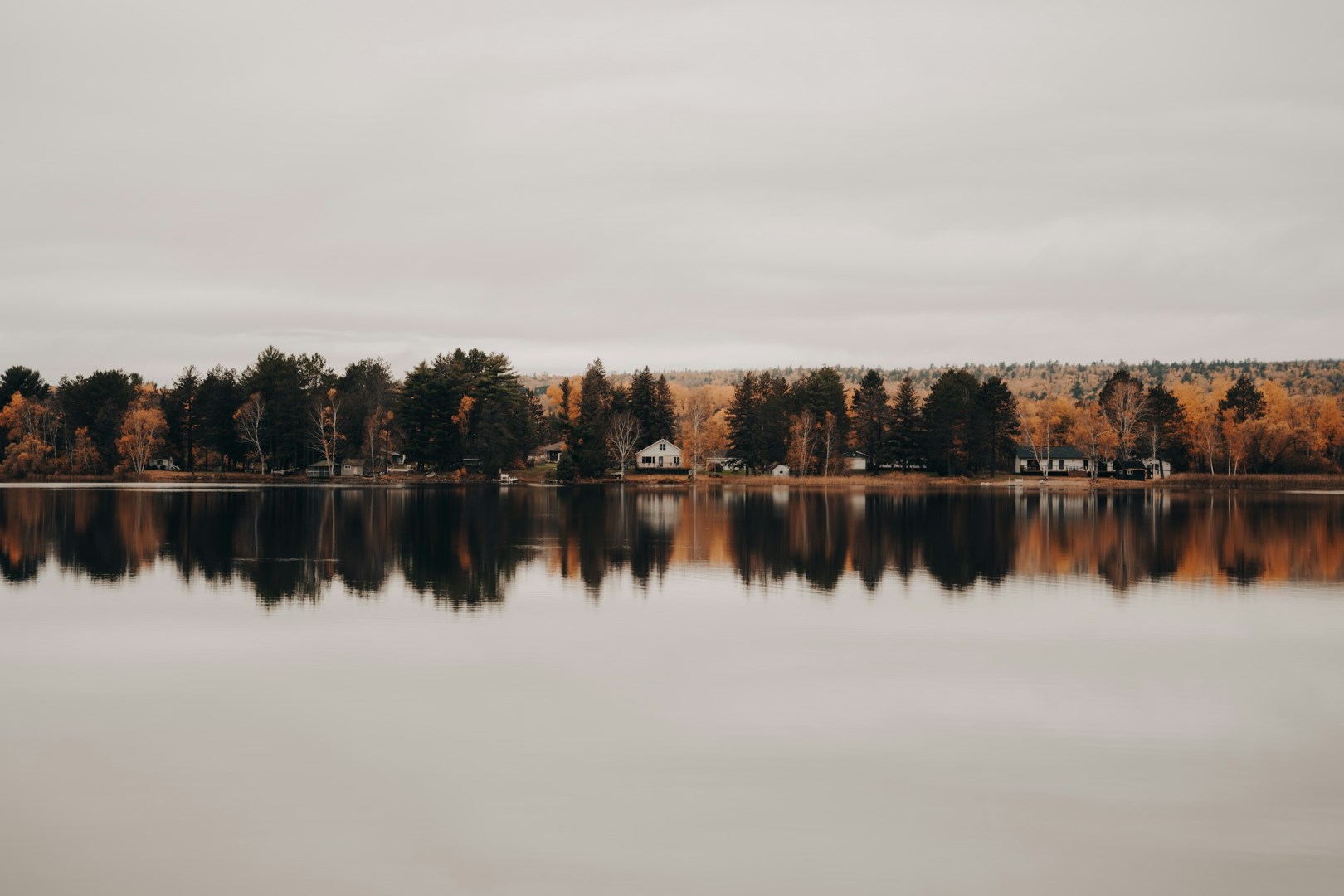
Ely, Minnesota, sits on the edge of the Superior National Forest in the state’s Northwoods, where boreal forest, rocky terrain, and interconnected lakes define the landscape. The community is best known as a major gateway to the Boundary Waters Canoe Area Wilderness, which contains more than one million acres of protected forest and waterways along the Canadian border. Ely itself has a compact downtown with independent shops, galleries, restaurants, and outfitters serving wilderness travelers.
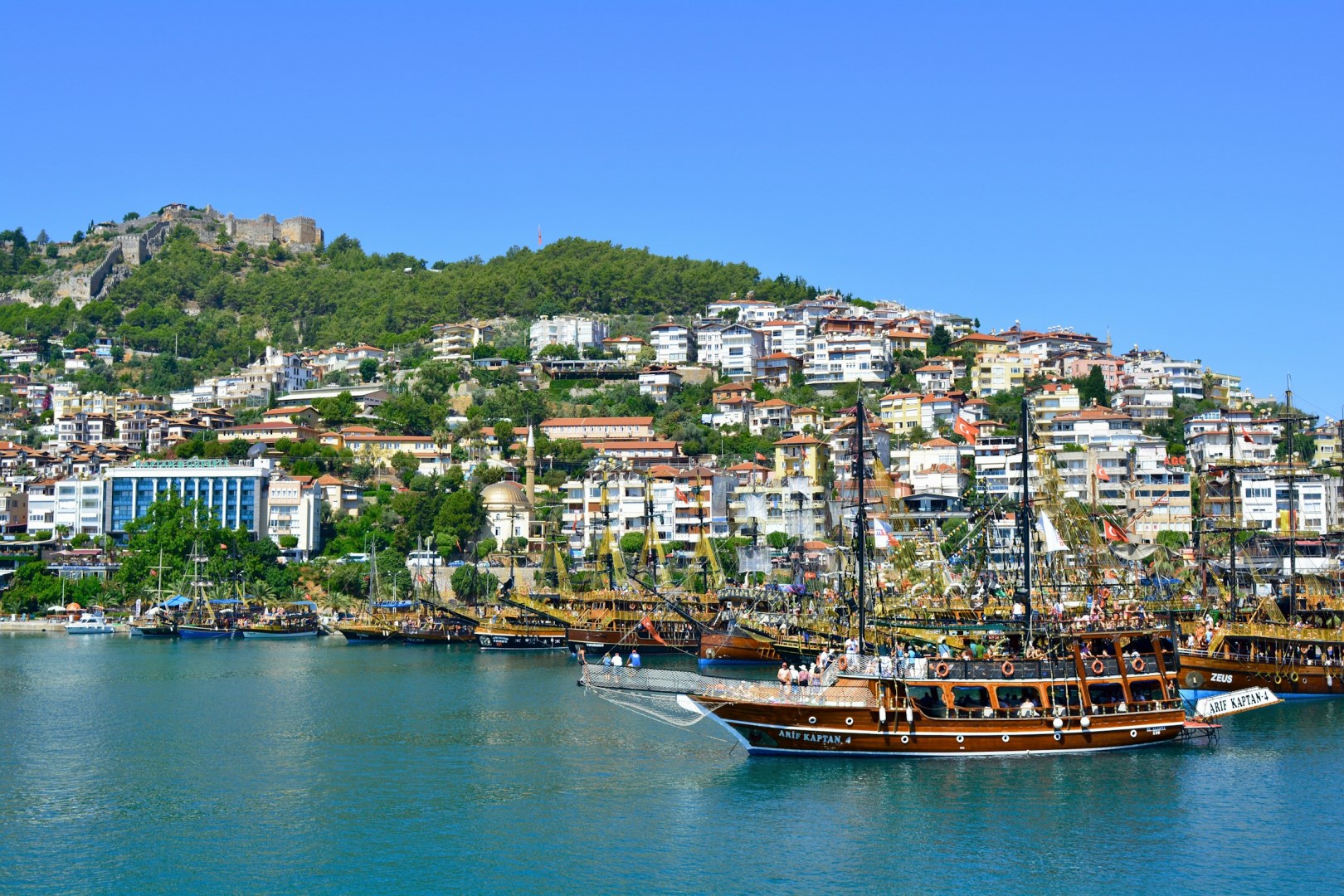
Alanya
Alanya is a coastal city in Antalya Province on Türkiye's Mediterranean shore, positioned on a rocky peninsula between sandy beaches and the Taurus Mountains. The city is known for its historic castle, harbor, caves, and long beaches, with the old fortress occupying much of the peninsula above the modern urban area

Harpers Ferry
Harpers Ferry is a small historic town in West Virginia's eastern panhandle, positioned where the Potomac and Shenandoah rivers meet within a gap in the Blue Ridge Mountains. Much of the community is preserved within Harpers Ferry National Historical Park, where narrow streets, historic buildings, river views, and wooded slopes create a setting closely tied to the landscape. The town is known for its role in American history, but its location also makes it a destination for hiking, climbing, fis

Oaxaca
Oaxaca, nestled in the heart of southern Mexico, is a city where ancient traditions and vibrant culture thrive. Renowned for its rich history and indigenous heritage, Oaxaca offers a unique blend of pre-Columbian, colonial, and modern influences. The city's historic center, a UNESCO World Heritage site, is a testament to its past, featuring stunning colonial architecture such as the Santo Domingo de Guzmán Church, a masterpiece of Baroque art.
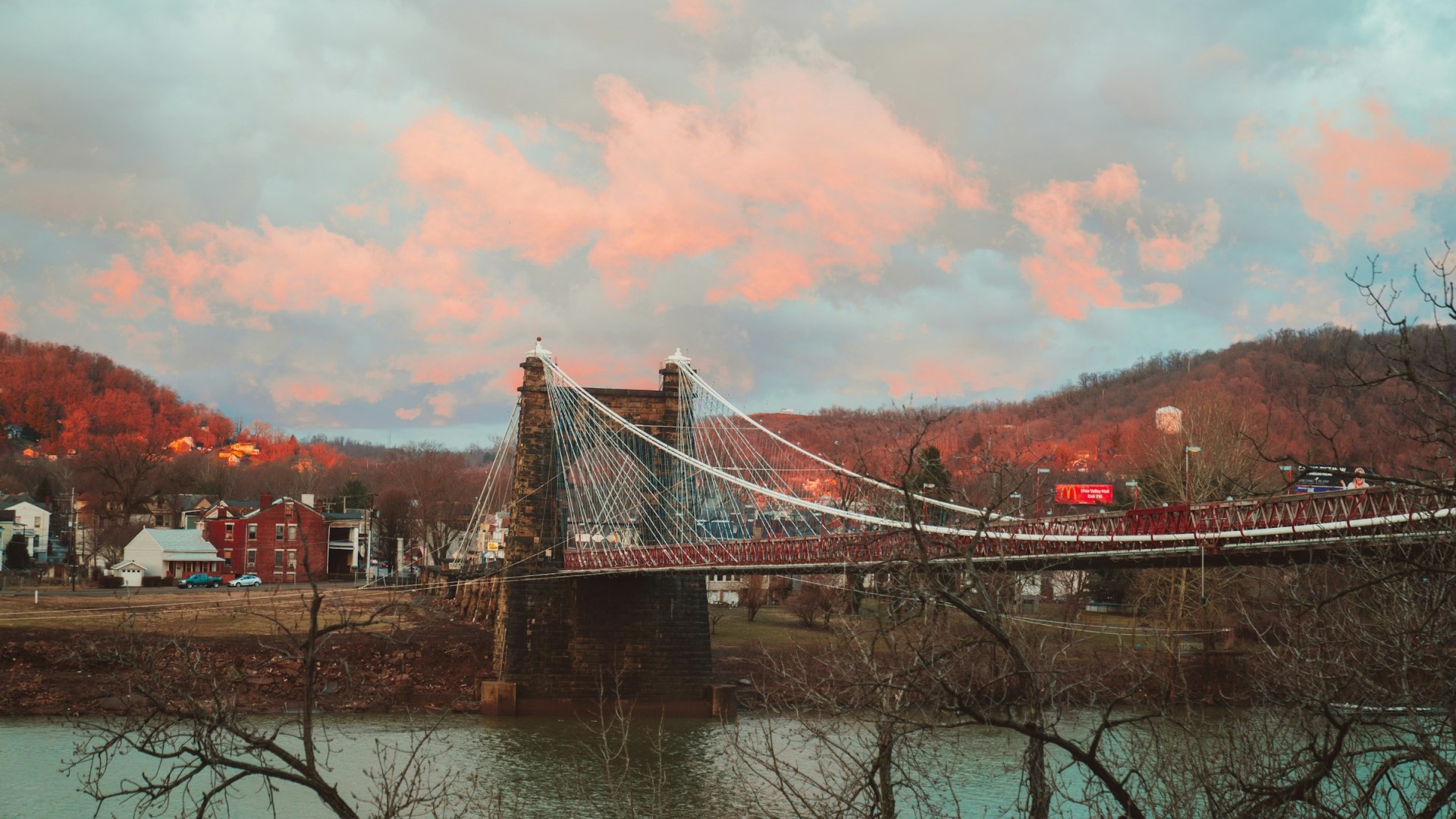
Wheeling
Wheeling is a historic city in northern West Virginia, set along the Ohio River near the state’s border with Ohio. Its location made it an important transportation and manufacturing center, with the National Road, railroads, and river traffic all contributing to its growth. Today, Wheeling combines a compact downtown with historic neighborhoods, riverfront parks, cultural venues, and extensive recreation areas.