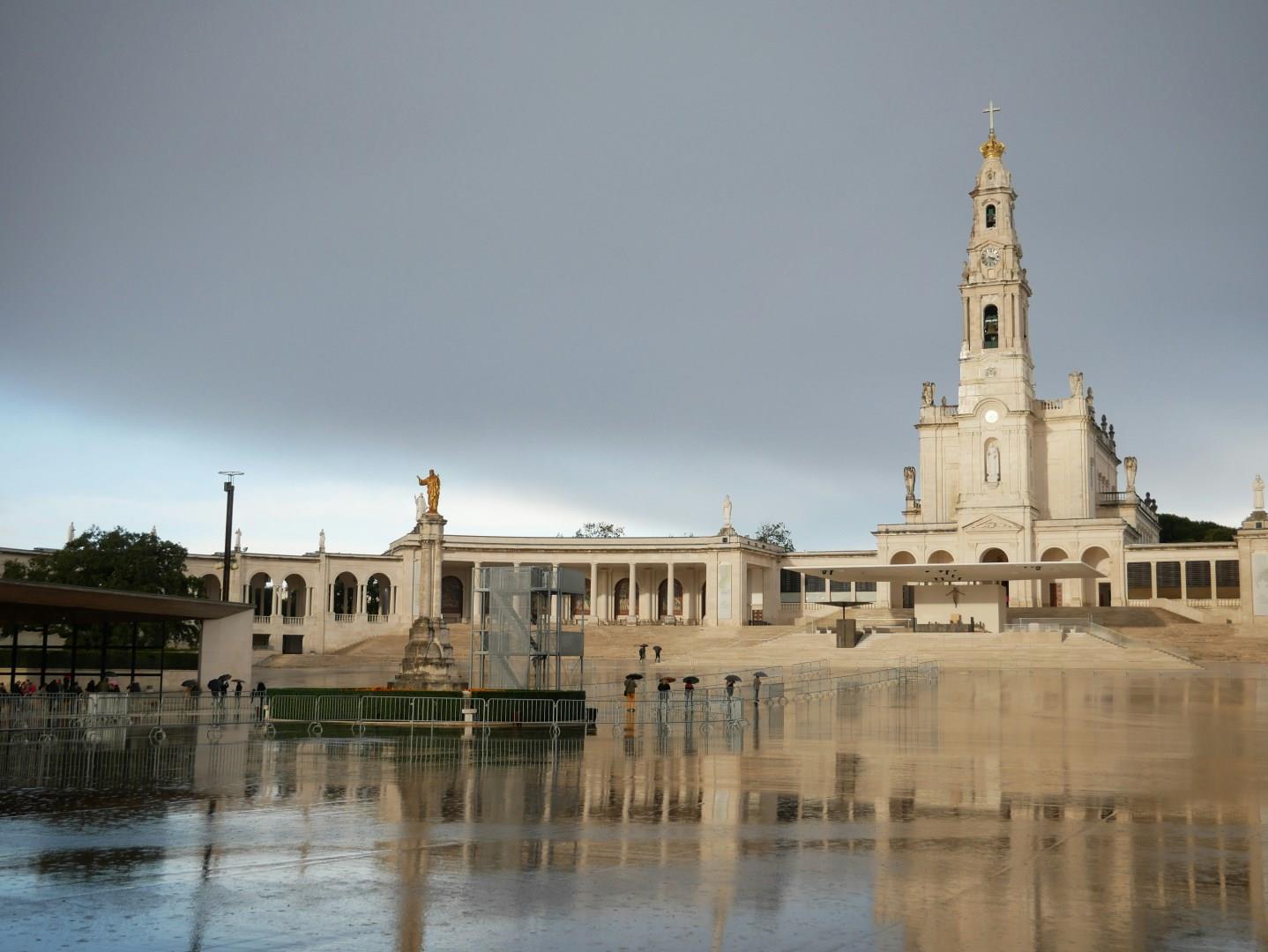
Londonderry
Londonderry, often called Derry, is a city steeped in history and charm, uniquely surrounded by remarkably well-preserved 17th-century walls. In fact, it holds the title of being the only completely walled city in all of Ireland. Strolling along these ancient ramparts offers visitors not only a glimpse into the past but also breathtaking panoramic views of the winding River Foyle and the lively streets below.

Melk
Nestled along the south bank of the Danube, this historical Austrian city bursts with charm. A favorite stop on European river cruises, the city's most famous attraction is Melk Abbey, which dates back to the 11th century. The original Benedictine structure was lost to fires and foreign invasion, then rebuilt during the 18th century in lavish Baroque style, including a library and inner church covered in magnificent frescoes and gilded fixtures.

Saudi Arabia
Saudi Arabia is revealing chapters long unseen by tourists. Al-Ula is home to Hegra, the first UNESCO World Heritage Site in the kingdom and hosts to ancient Nabatean tombs carved in sandstone cliffs. Nearby, the mirrored Maraya Concert Hall reflects the desert sky, its design both unexpected and elegant amid the sands. Visitors can wander through narrow canyons, step inside rock-hewn facades, and feel the weight of ancient civilizations still echoing across the dunes.

Queen Elizabeth National Park
Queen Elizabeth National Park, in western Uganda, is one of East Africa’s most diverse and scenic protected areas. Stretching from the Rwenzori Mountains to the shores of Lake Edward, the park encompasses savannah, wetlands, and dense forests, making it a sanctuary for an incredible array of wildlife.
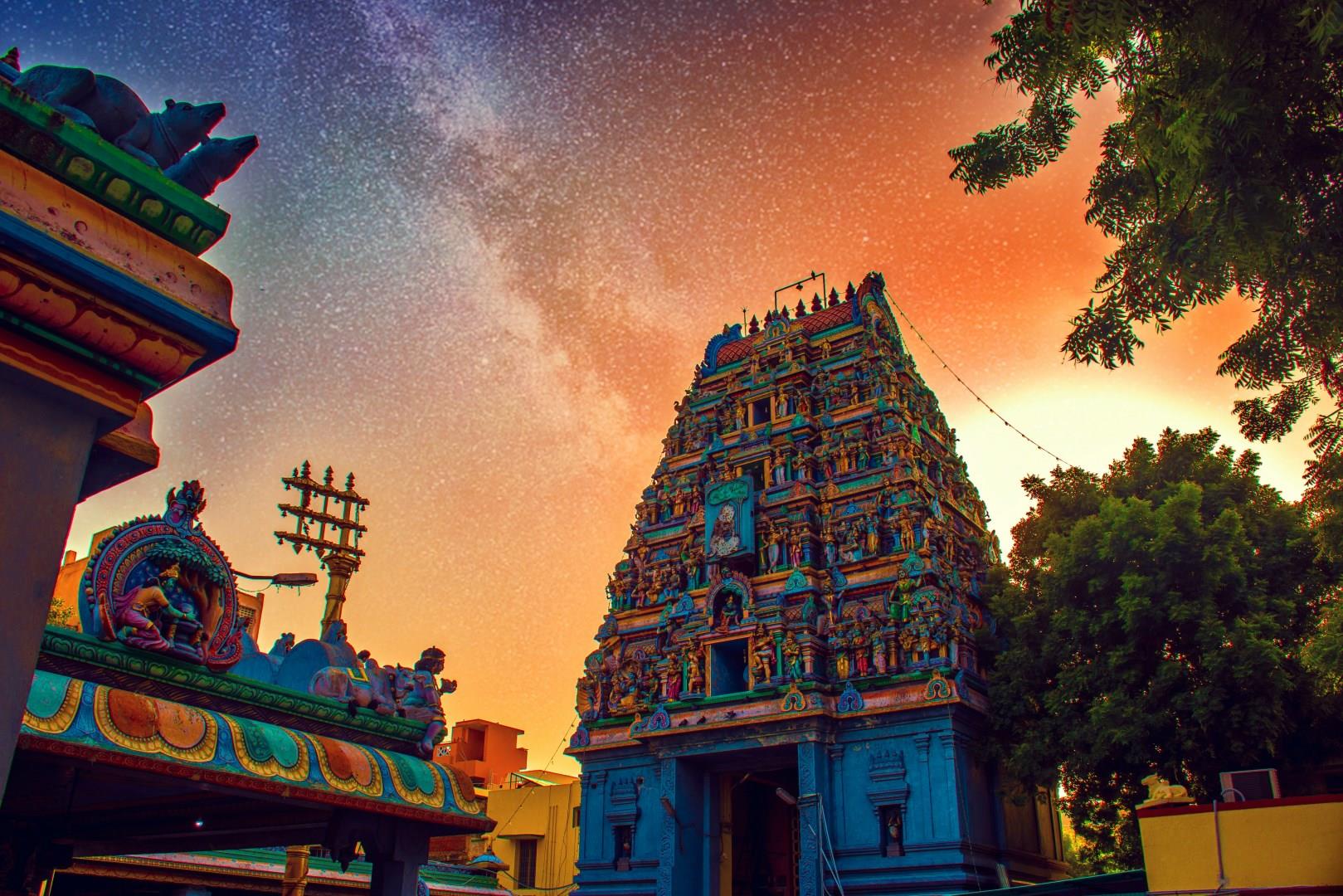
Chennai
Chennai, the capital of Tamil Nadu, is one of India’s oldest continuously inhabited cities, where ancient temples stand alongside colonial-era architecture and modern skyscrapers. Originally known as Madras, the city grew around Fort St. George, built by the British East India Company in 1644. One of Chennai’s most well-known features is Marina Beach, which stretches for over 13 kilometers and is among the longest urban beaches in the world.