Uzbekistan
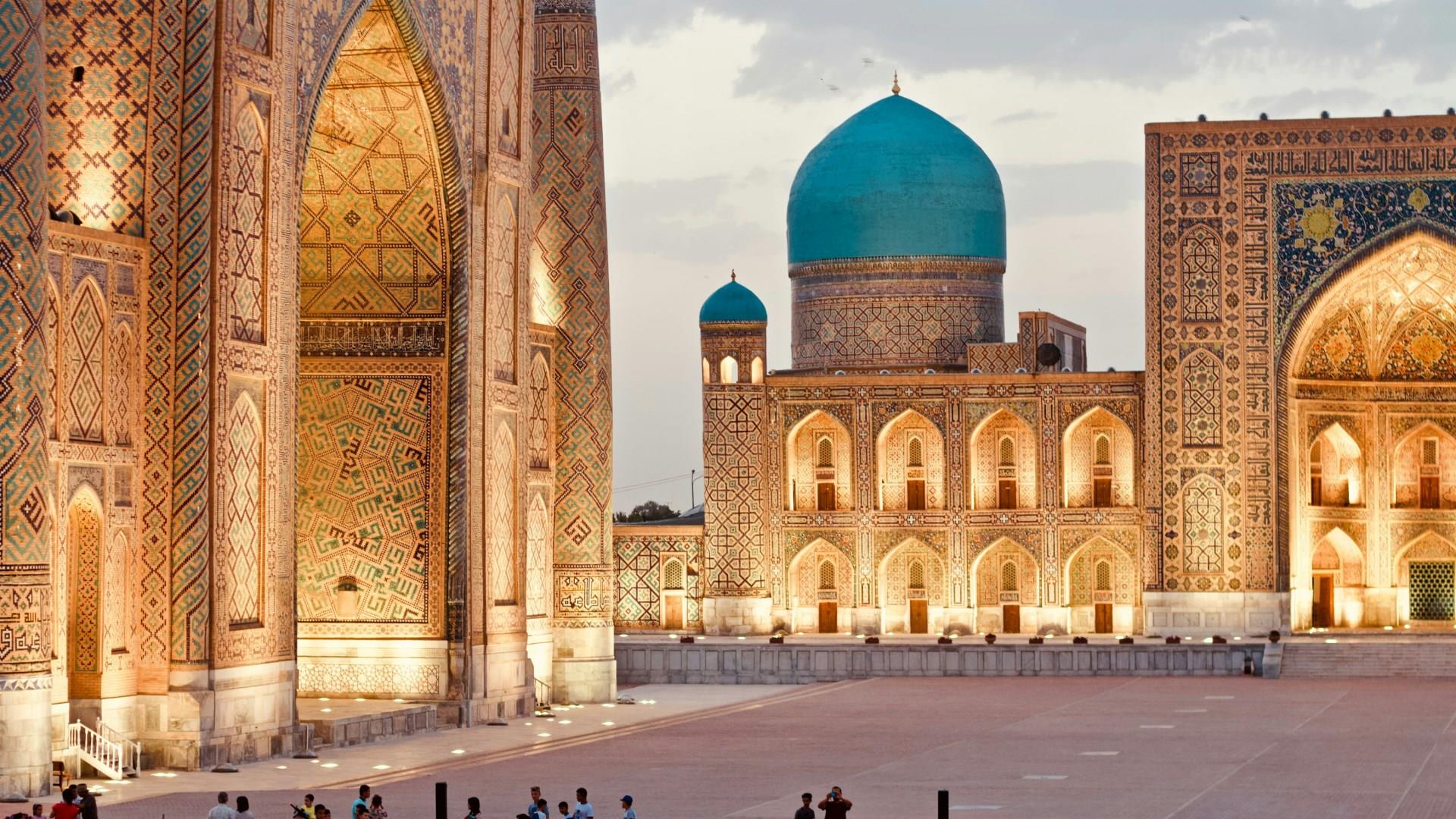
Uzbekistan lies at the heart of Central Asia and is renowned for its pivotal role along the ancient Silk Road. The country is home to some of the world’s most storied cities, where intricate Islamic architecture and centuries of trade have left a rich cultural legacy.

Tabuk
Tabuk is a city in northwestern Saudi Arabia and the capital of Tabuk Province, positioned between the Hejaz Mountains and the desert landscapes of the north. The city developed around an oasis and remains an important agricultural center, with palm groves and cultivated areas contrasting with the surrounding dry terrain.
Tema
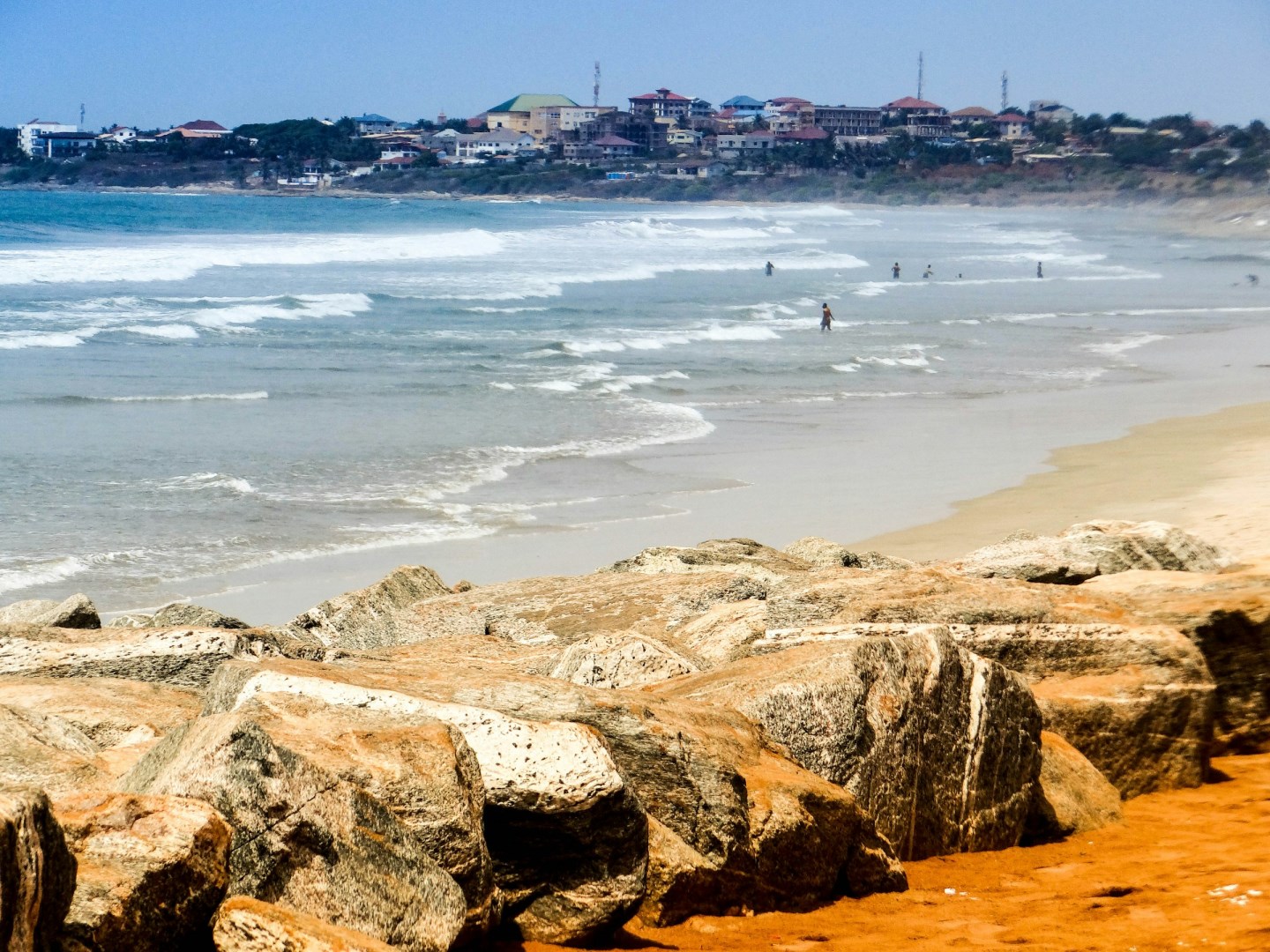
Tema, a vibrant city in Ghana's Greater Accra Region, offers a captivating blend of urban energy and coastal charm. As Ghana’s largest port city, Tema is a hub of economic activity, but it also boasts rich cultural and recreational attractions. The city's Harbour is one of the busiest in West Africa, facilitating significant maritime trade. Visitors can explore the port area, which provides insight into Ghana’s commercial and industrial sectors.

Port Arthur Tasmania
Port Arthur is a historic penal settlement from the brutal days of the convict settlement. It is located on the southeastern shores of Tasmania.

Galveston
Galveston, Texas, a charming island city along the Gulf Coast, is a delightful blend of history, culture, and seaside leisure. Known for its Victorian architecture and sun-soaked beaches, Galveston offers a rich array of experiences for visitors. The Historic Strand District, with its 19th-century buildings housing shops, galleries, and restaurants, takes visitors back in time to an era of bustling port trade and grand social affairs.