
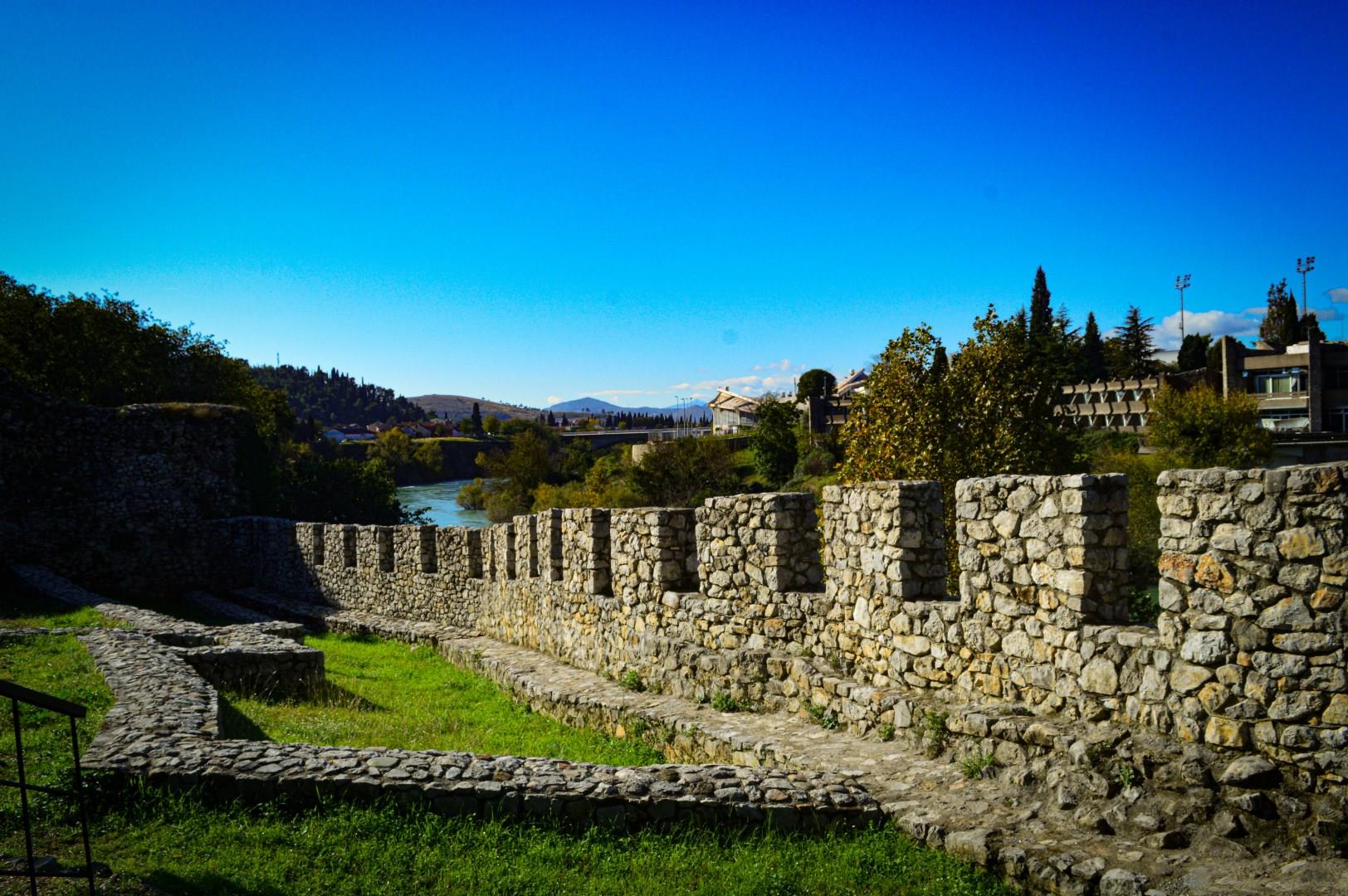
Podgorica
Podgorica, the capital of Montenegro, showcases the country’s contrasting landscapes and deep-rooted history. Although much of the city was rebuilt after World War II, traces of its Roman and Ottoman past still remain. Visitors can explore the ruins of Doclea, a Roman settlement just outside the city, where surviving columns and mosaics give a glimpse into life nearly two millennia ago.

Nile River
The River Nile, most often associated with Egypt and its ancient civilizations, actually flows through eight other countries including Uganda, Ethiopia, Sudan, and Kenya. It is formed by two major tributaries, the White Nile and Blue Nile, and is considered by many to be the longest river in the world when measured from its source waters in Rwanda and Burundi.

Scottsdale
Scottsdale, Arizona is a resort destination on the Sonoran Desert, located just east of Phoenix. Scottsdale is best known for its golf courses, luxury resorts, and variety of outdoor adventures, including hiking, rafting, and off-roading.

Cadiz
With its captivating blend of ancient history, sun-drenched beaches, and vibrant Andalusian culture, Cádiz, Spain, stands as one of Europe’s oldest continually inhabited cities. Founded over 3,000 years ago by the Phoenicians, this coastal gem in southern Spain offers a rich tapestry of historical sites and modern charms. The old city of Cádiz is a labyrinth of narrow cobblestone streets, whitewashed houses, and hidden plazas that evoke the city’s Moorish past.

San Diego
A perfect climate, a famous zoo and a relaxed SoCal vibe await visitors to San Diego. Those lucky enough to find themselves here enjoy exceptional Mexican food, oceanside walks, art galleries and exciting nightlife in the Gaslamp Quarter.


