Las Vegas
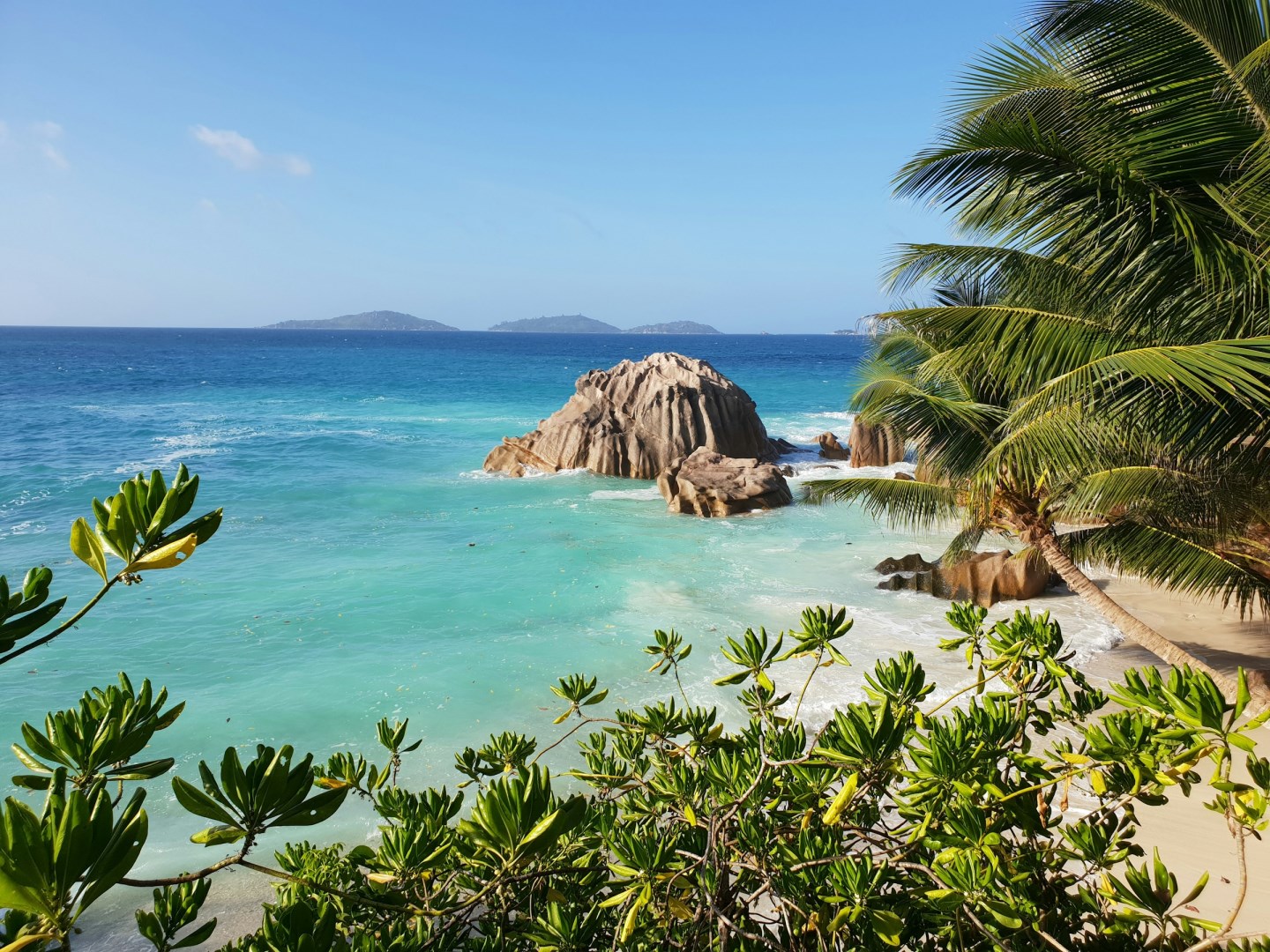
Las Vegas, Nevada, is an electrifying city where glitz and glamour meet entertainment and excitement. Known as "The Entertainment Capital of the World," Las Vegas offers an unparalleled array of attractions, from its iconic casinos and luxurious hotels to its world-class dining and live shows. The city's entertainment scene is second to none, featuring legendary headliners, cutting-edge performances, and an array of themed attractions.
Whitefish
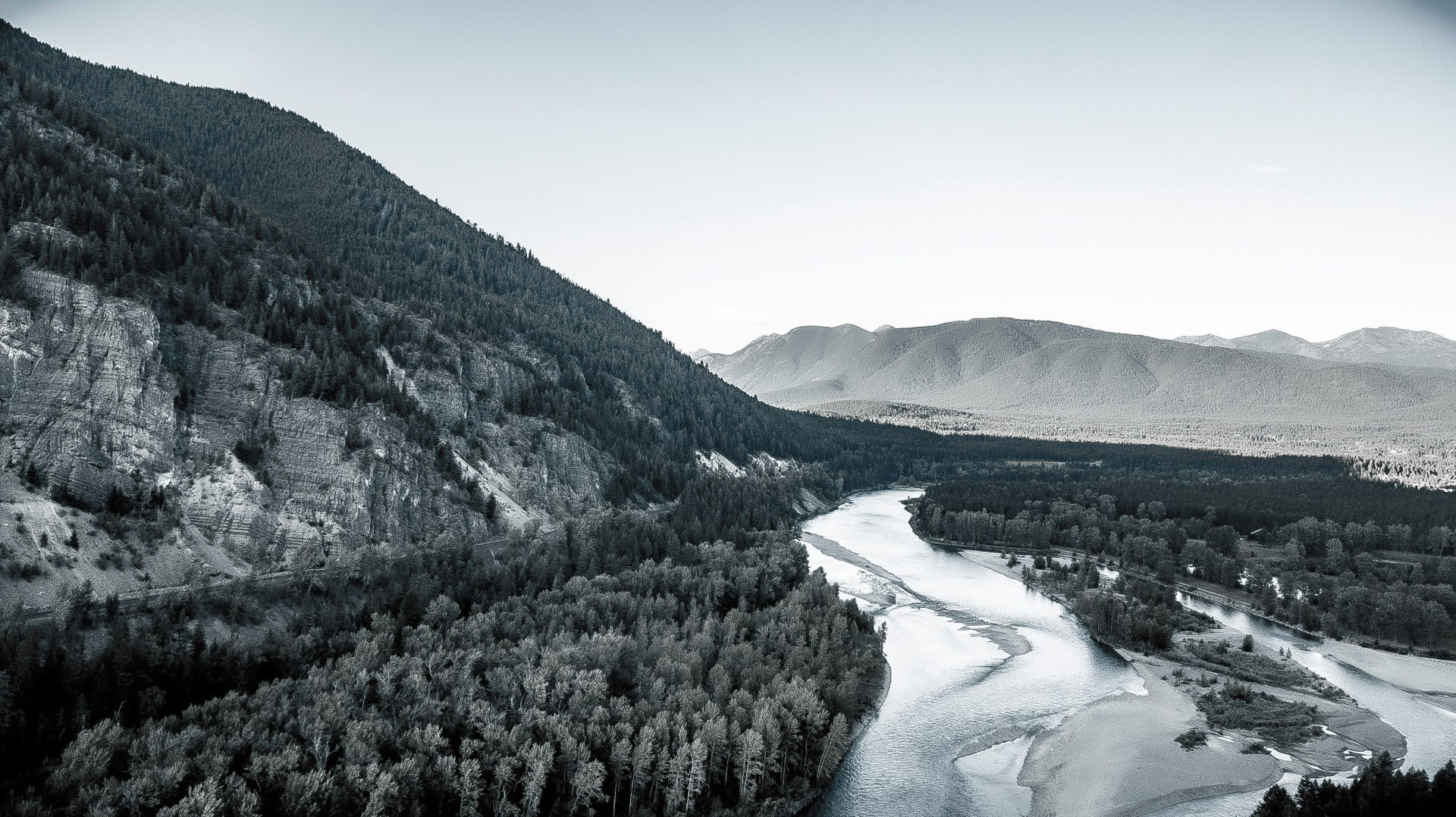
Nestled in the heart of the Rocky Mountains, Whitefish, Montana, is a gateway to breathtaking natural beauty and outdoor adventures. The charming town serves as a perfect base for exploring the nearby Glacier National Park, renowned for its stunning glaciers, pristine lakes, and extensive hiking trails. Whitefish itself is a vibrant community, where the scenic backdrop is matched by a bustling downtown filled with boutique shops, local restaurants, and cozy lodges.

Greenock
Greenock, located on Scotland’s scenic west coast, is a town steeped in maritime and industrial history, with its historic waterfront and Victorian architecture offering a glimpse into its prosperous past. Once a shipbuilding powerhouse, the town’s legacy is visible in landmarks like James Watt Dock and the Old West Kirk, while the nearby Greenock Cut offers a peaceful escape for walking and cycling, framed by stunning views of rolling hills and the River Clyde.
Liberia
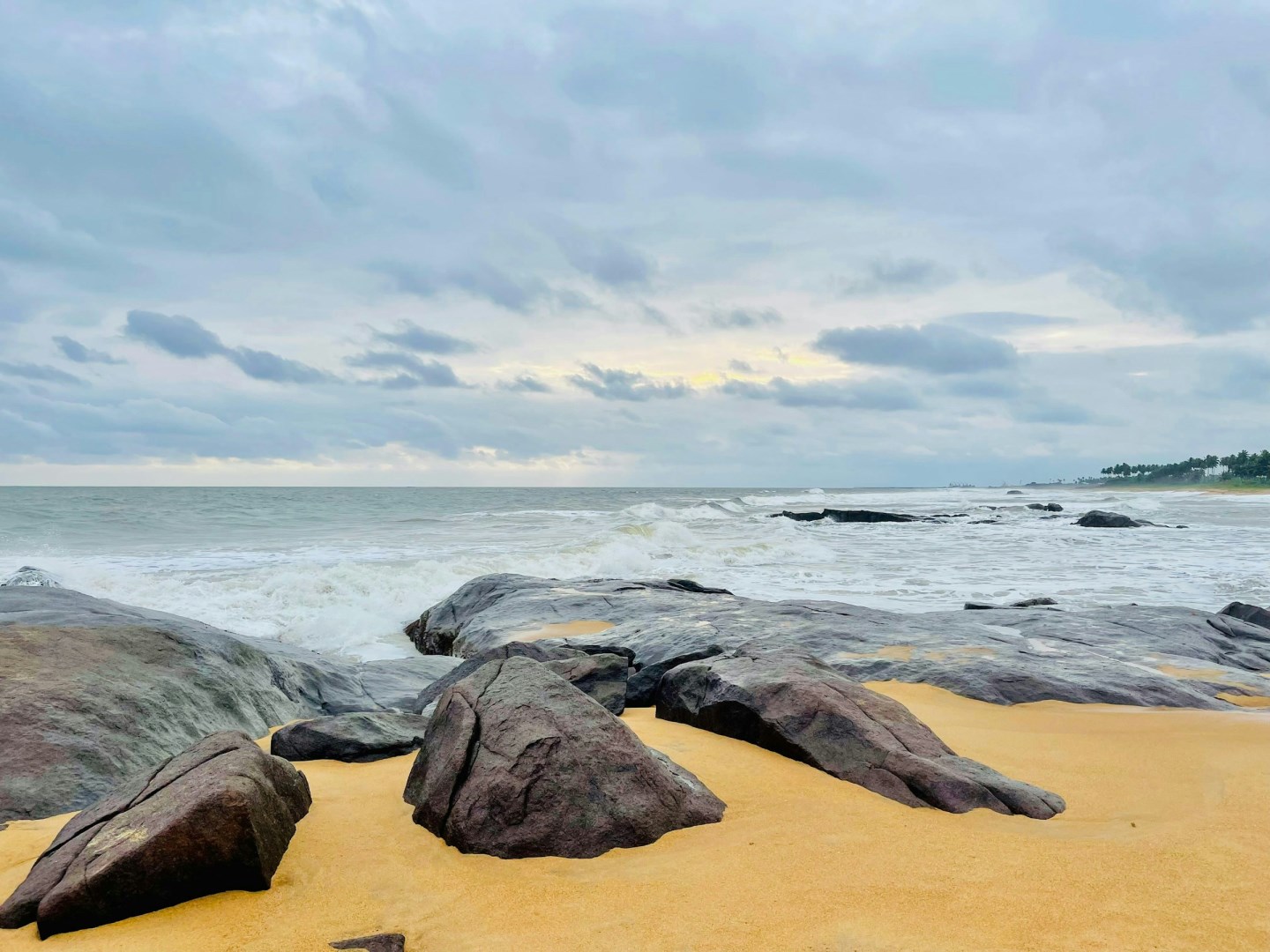
Liberia, republic in western Africa, bounded on the north by Sierra Leone and Guinea, on the east by Côte d'Ivoire, and on the south and west by the Atlantic Ocean. Liberia has an area of 99,067 sq. km (38,250 sq. mi.). Liberia was founded in the early 1800s by freed American slaves. Monrovia is the capital and largest city.

Brighton and Hove
Brighton, a vibrant seaside city on England's southern coast, has long been a favorite getaway for those seeking a mix of culture, history, and the sea. Its most famous landmark, the Royal Pavilion, is an architectural wonder with its exotic, Indian-inspired domes and minarets. Originally built for King George IV as a lavish seaside retreat, the palace today offers visitors a glimpse into royal opulence with its richly decorated interiors and sprawling gardens.