Mikumi National Park
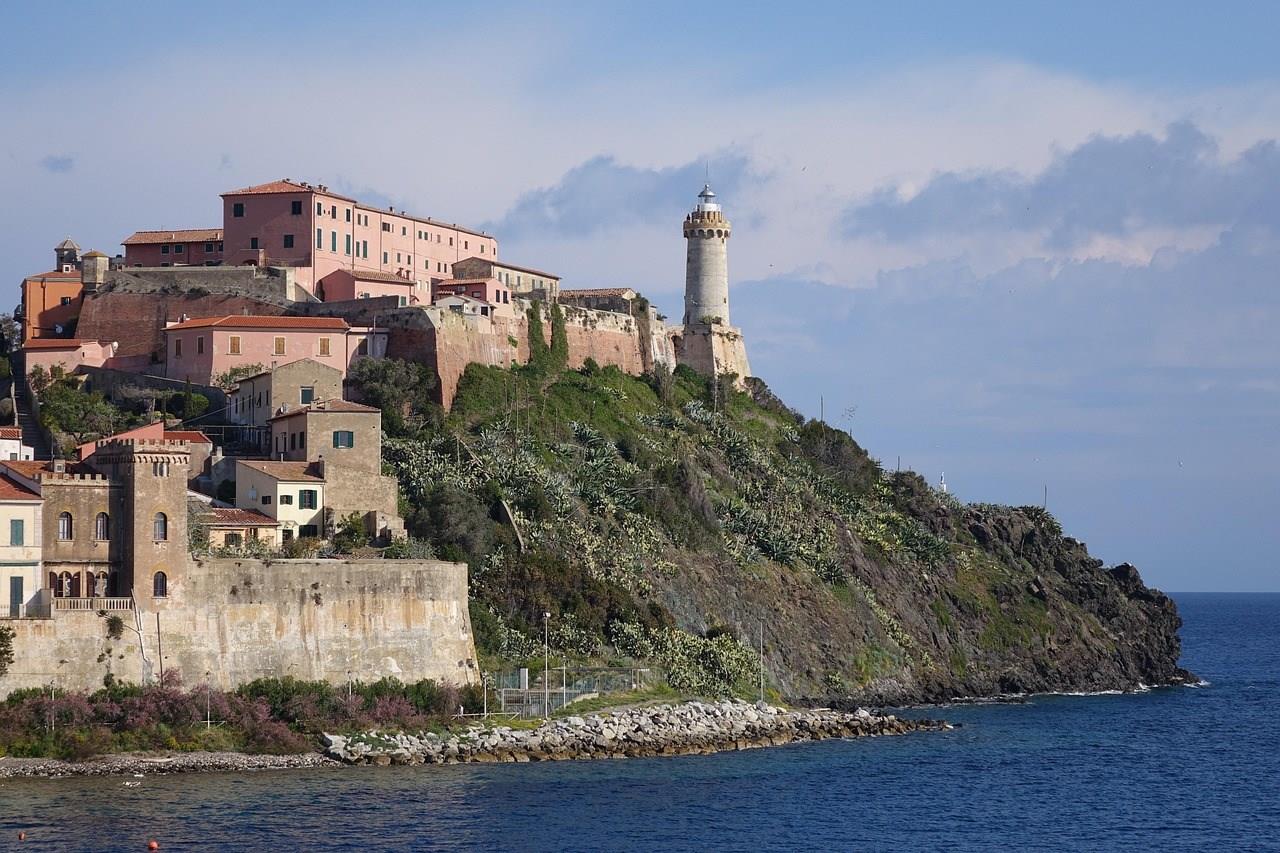
Mikumi National Park, located in Tanzania's southern highlands, offers a pristine and relatively undiscovered safari experience. Spanning over 3,230 square kilometers, Mikumi is part of the larger Selous Ecosystem, providing a diverse range of habitats from open grasslands to dense miombo woodlands. This park is an excellent choice for those seeking a more tranquil alternative to the more frequented Serengeti and Ngorongoro Crater.
Foz do Iguaçu
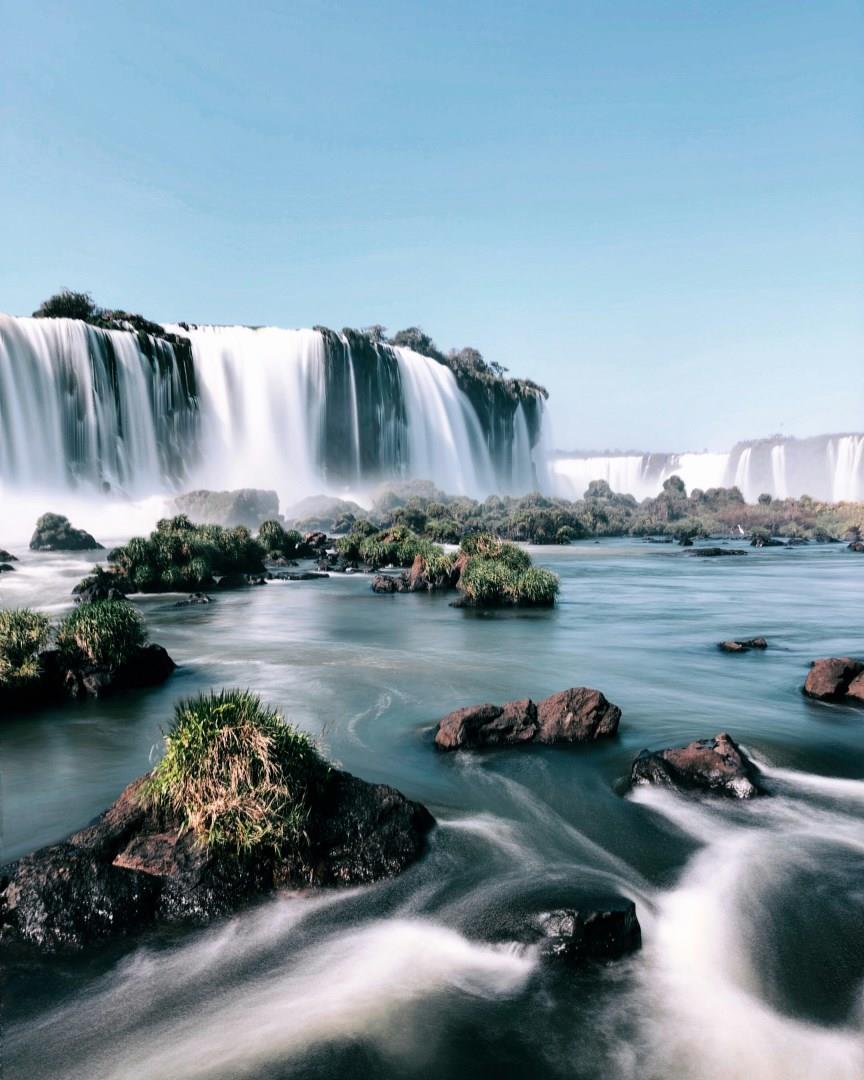
Set at the meeting point of Brazil and Argentina, Foz do Iguaçu is defined by the sheer scale of the Iguaçu Falls. Nearly 275 individual waterfalls stretch across close to three kilometers, sending mist into the air and sound echoing through the surrounding forest. Visitors follow raised walkways that bring them face to face with this moving wall of water, culminating at the dramatic Devil’s Throat, a deep, curved drop where the river seems to vanish into the earth.

Jeddah
Jeddah sits along Saudi Arabia’s Red Sea coast and has long served as a gateway between the Arabian Peninsula and the wider world. For centuries, merchants, pilgrims, and travelers passed through its port on the way to Mecca, shaping a city known for openness and exchange.
Somalia
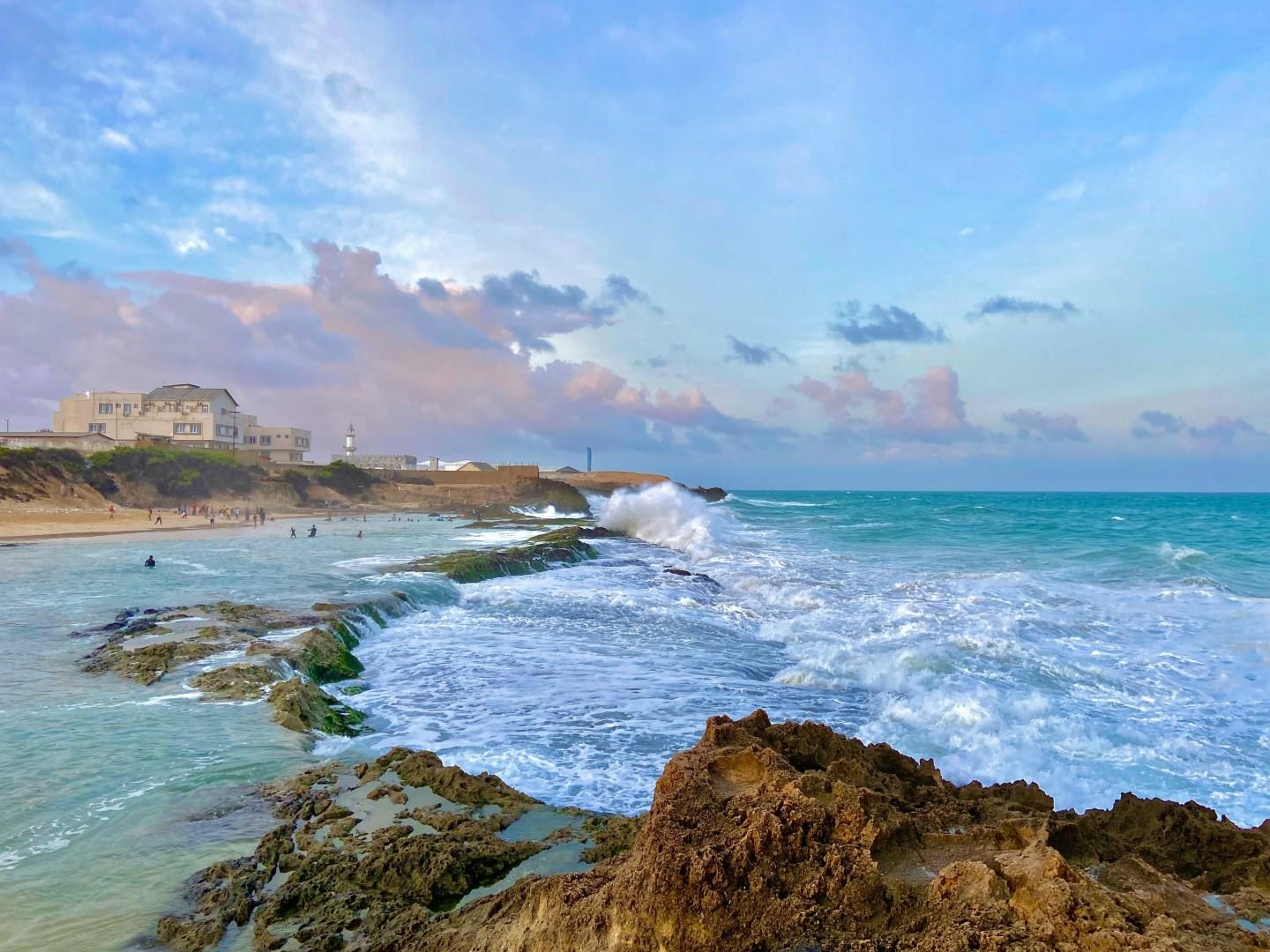
Somalia, located on the Horn of Africa, is a land defined by its coastline, culture, and long history as a crossroads of trade. With the Indian Ocean and Gulf of Aden shaping much of its identity, Somalia has one of the longest coastlines in Africa, stretching over 1,800 miles.

Portree
North of Sligachan the road first rises and then dips down into Portree - the main town on Skye. With its natural harbor and open perspective, Portree is a pleasant village and offers visitors a fine range of local services, accommodation and things to do.