
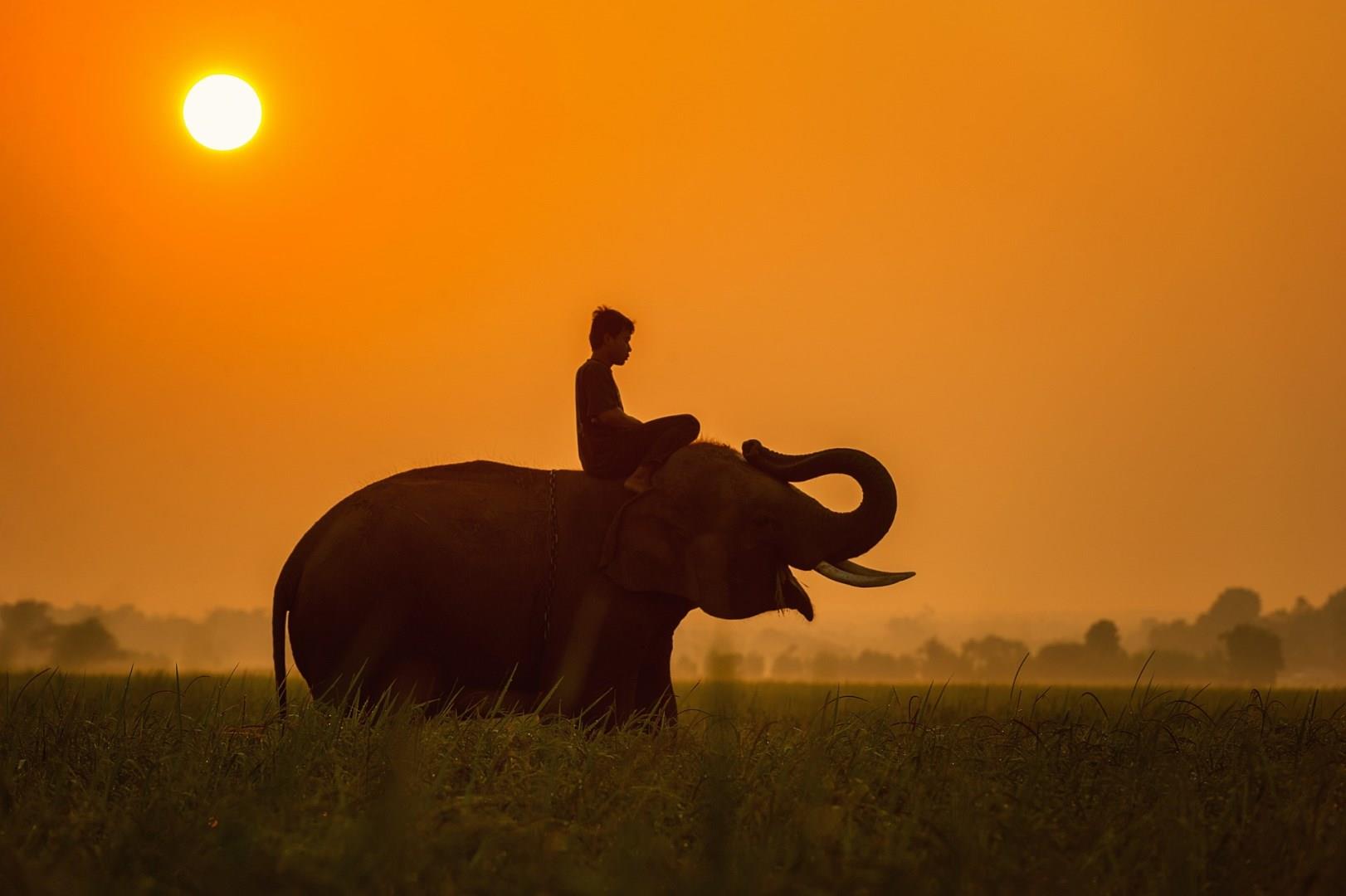
Cambodia
Cambodia, located in Southeast Asia, is a country known for its rich history, ancient temples, and vibrant culture. The landscape is diverse, with the Mekong River flowing through fertile plains, lush forests, and scenic highlands.

Arrecife
Arrecife, the vibrant capital of Lanzarote, Spain, offers a unique blend of modern allure and traditional charm. Situated on the eastern coast of Lanzarote, this picturesque city is celebrated for its beautiful beaches, including Playa del Reducto, which boasts golden sands and clear waters perfect for a relaxing day under the sun.

Tibet
Tibet, often referred to as the "Roof of the World," is a land of breathtaking beauty, spiritual depth, and rich cultural heritage. Set against the backdrop of the towering Himalayas, Tibet captivates travelers with its dramatic landscapes, from vast high-altitude deserts to verdant valleys and serene lakes.

Keystone
Nestled within the Colorado Rockies, Keystone is a popular ski resort destination west of Denver. The perfect spot for a variety of outdoor adventures, Keystone offers ample opportunity to ski, snowboard, hike, or golf.

Big Sur
Big Sur, California, is where dramatic cliffs meet the vast Pacific, creating a stunning landscape that feels almost otherworldly. Stretching for about 90 miles along California's Highway 1, this iconic coastal region offers some of the most breathtaking views in the world, with the rugged Santa Lucia Mountains rising up from the ocean to create a panorama that has captivated artists, writers, and nature lovers for generations.


