Dominica, known as the “Nature Island of the Caribbean,” is a haven for eco-tourists and adventure seekers. Nestled between the French islands of Guadeloupe and Martinique, this lush island boasts a remarkable landscape of volcanic mountains, dense rainforests, and stunning waterfalls. Dominica’s most iconic natural wonder is the Boiling Lake, the second-largest hot spring in the world.
Nazaré, set along Portugal’s wild Atlantic coast, is a fishing town transformed into one of the world’s most dramatic surf destinations. Its identity is deeply tied to the sea, both in its centuries-old maritime traditions and in the awe-inspiring waves that now draw visitors from around the globe.
St. Ives, a picturesque seaside town on the north coast of Cornwall, England, is a charming blend of stunning natural beauty and rich cultural heritage. With its golden sandy beaches, crystal-clear waters, and quaint cobbled streets, St. Ives has long been a haven for artists, surfers, and sun-seekers alike. The town's vibrant atmosphere is palpable in its bustling harbor, where fishing boats sway with the tide and seaside cafés offer fresh, locally caught seafood.
Weimar, located in the heart of Germany’s Thuringia region, is a city renowned for its cultural heritage, classical architecture, and pivotal role in European history.
Mist, research stations, and penguins are just a few of the things that define the South Shetland Islands, an archipelago off the coast of Antarctica. These 11 Antarctic islands, most notably King George Island, have served as a base for researchers from Chile, Argentina, and a variety of other countries. The archipelago has also become a popular cruise destination for tourists to the Antarctic region.
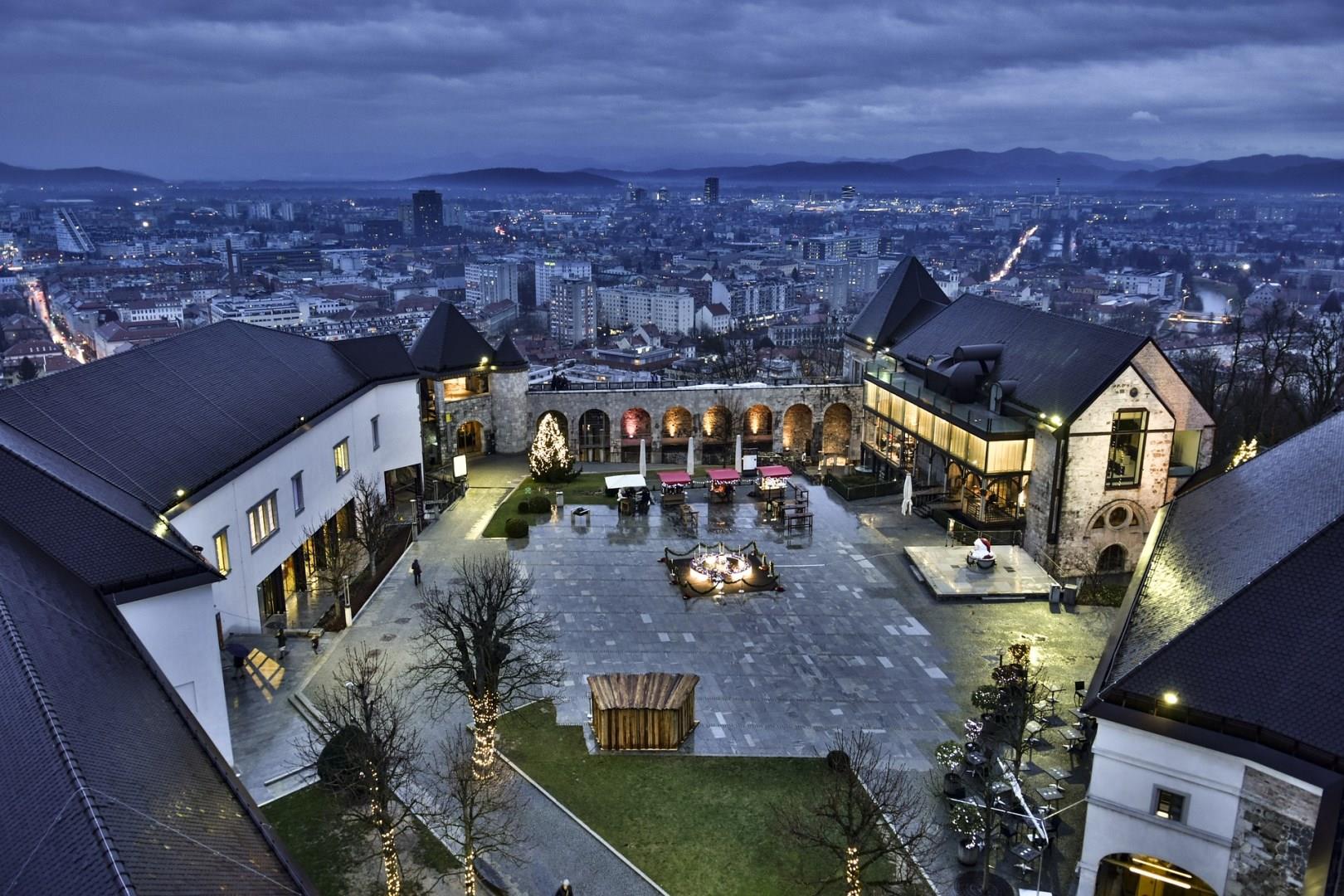
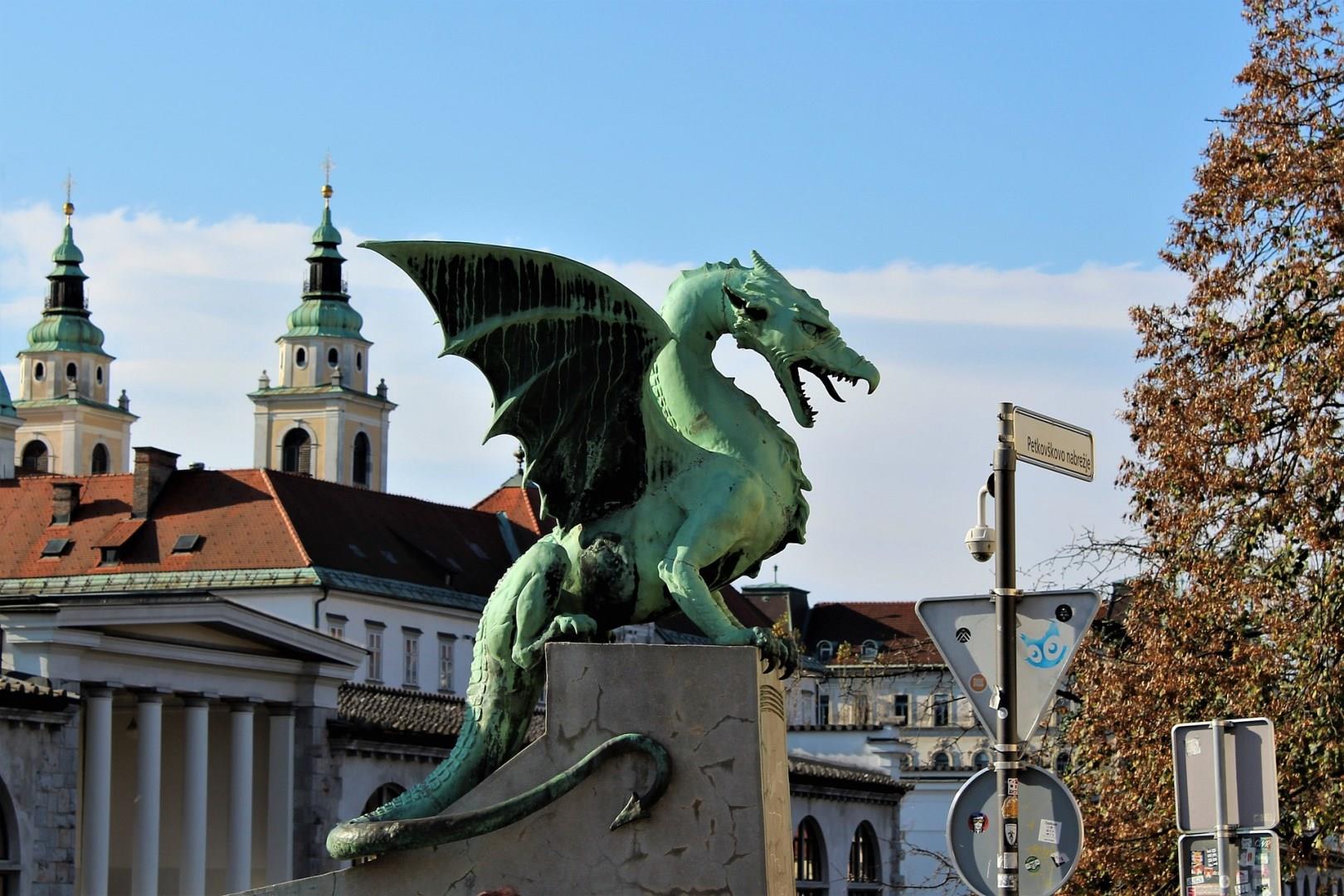
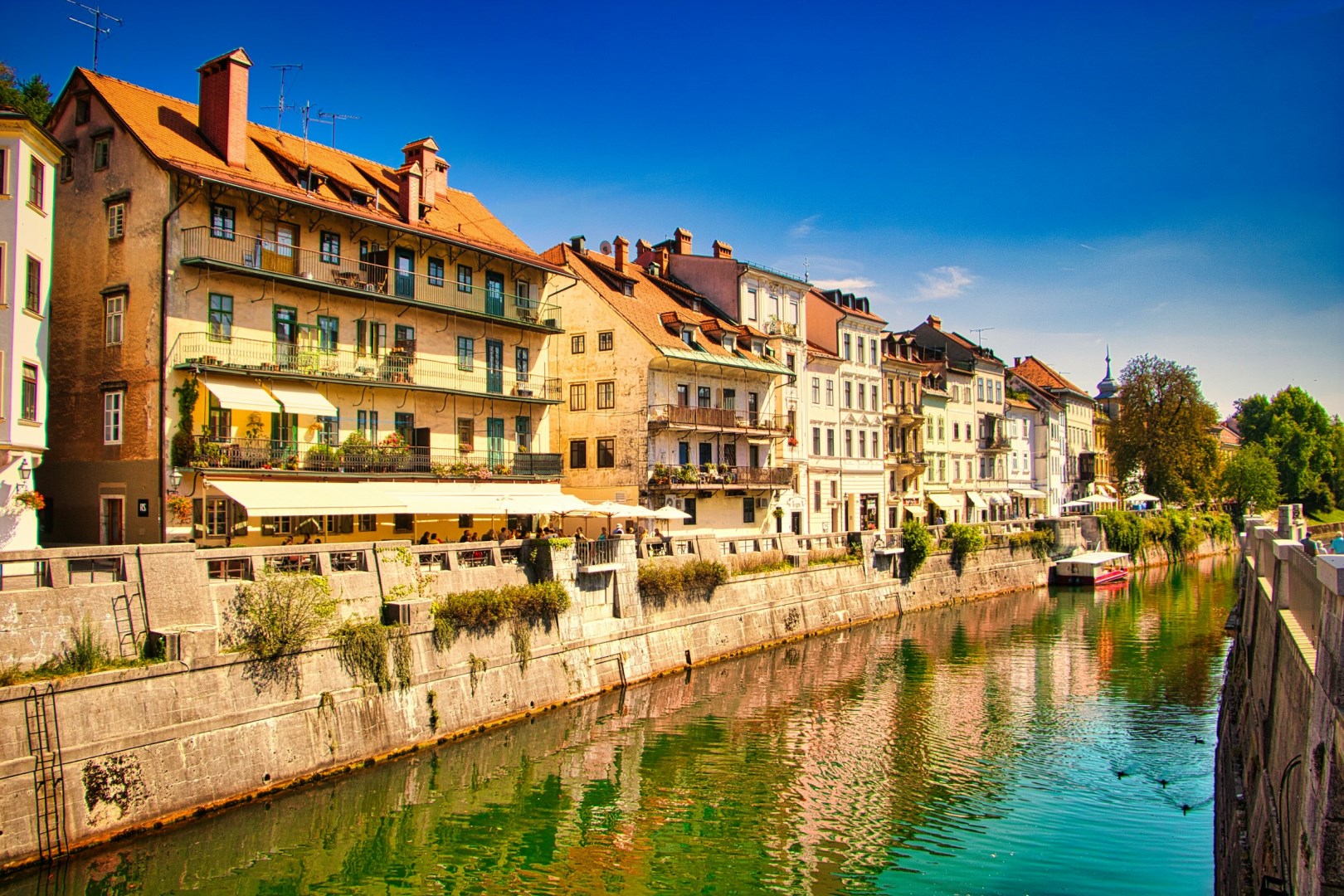
Ljubljana, Slovenia's charming capital, offers a delightful blend of historical allure and modern vibrancy. Nestled along the Ljubljanica River, this picturesque city invites visitors to explore its well-preserved medieval architecture and vibrant cultural scene. At the heart of Ljubljana is the iconic Ljubljana Castle, perched on a hilltop with stunning panoramic views of the city. This medieval fortress, dating back to the 11th century, houses several museums and hosts various cultural events. For more details, visit the Ljubljana Castle website.
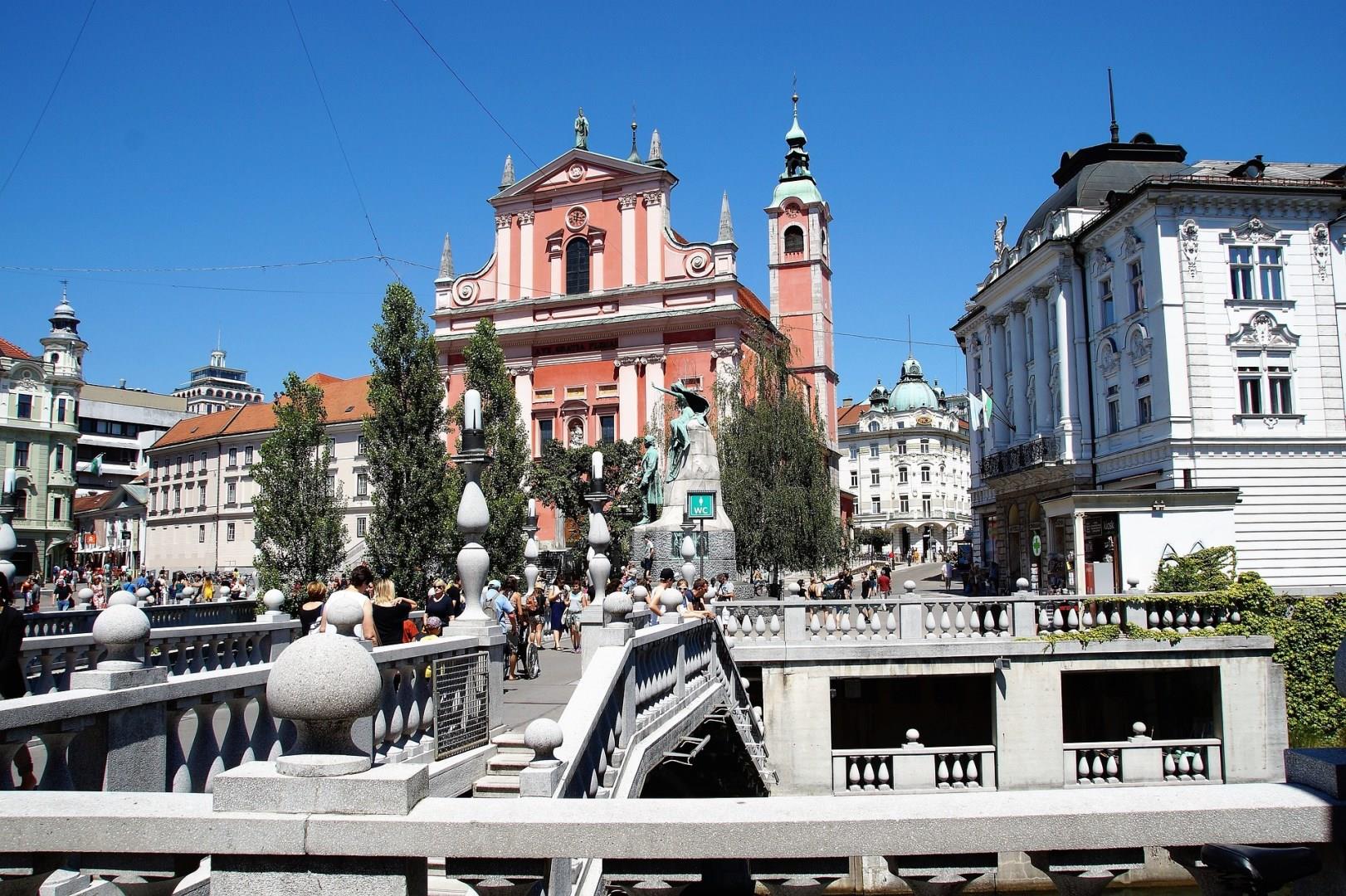
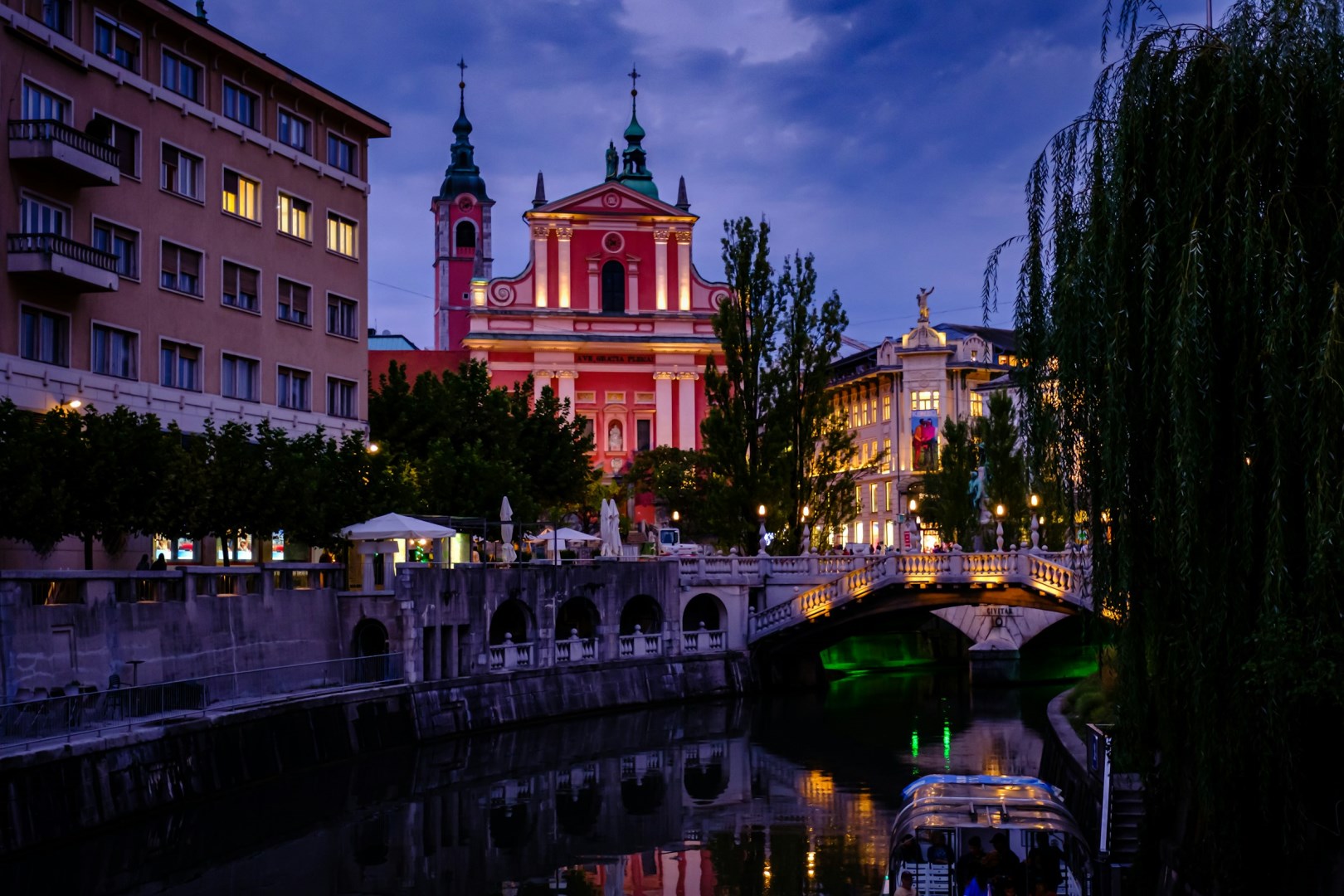
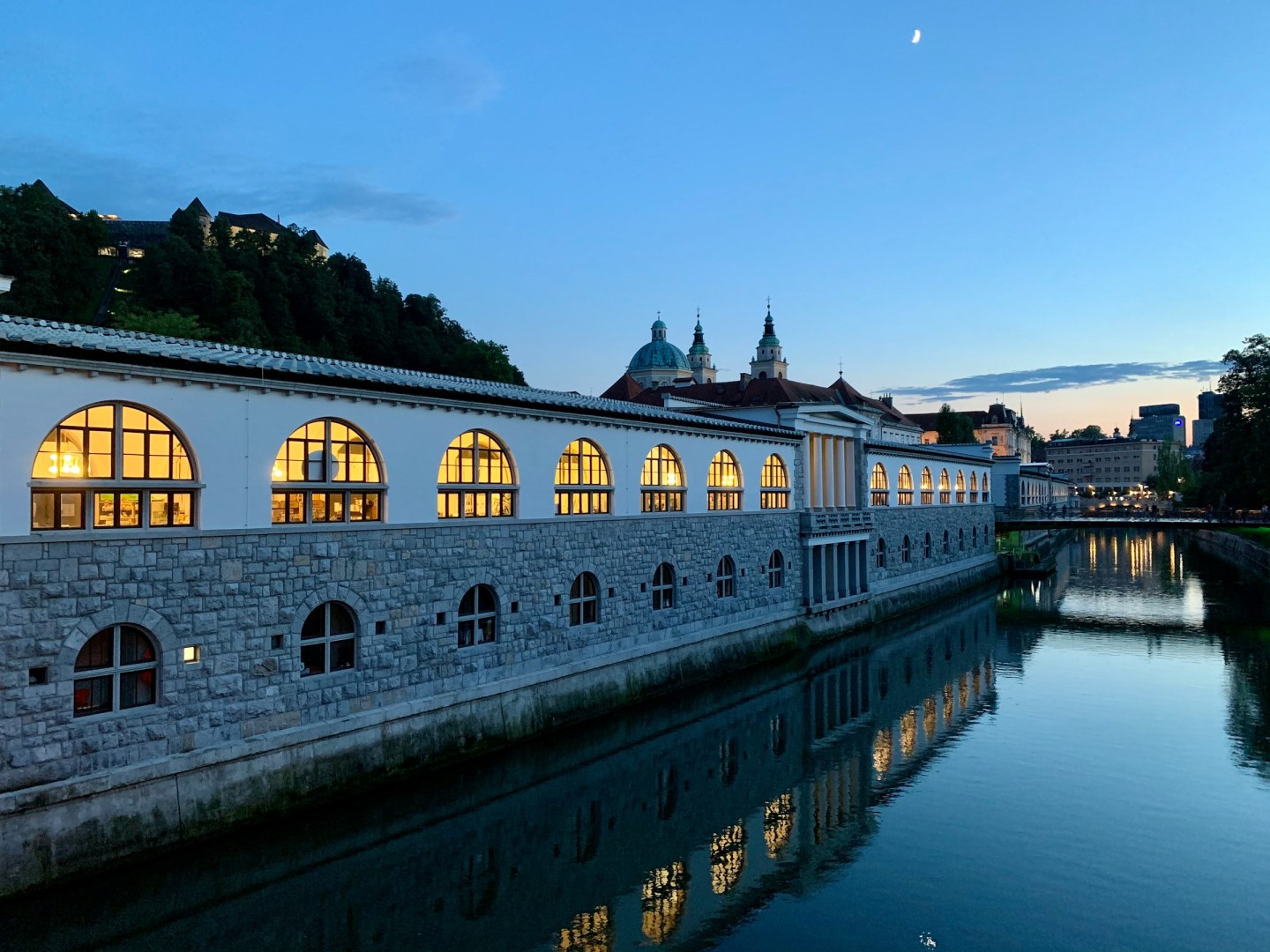
The city's center is renowned for its striking Art Nouveau architecture and charming bridges, including the famous Triple Bridge designed by architect Jože Plečnik. The lively atmosphere of Prešeren Square, named after Slovenia's greatest poet, is perfect for people-watching and soaking in the local ambiance. Adjacent to the square, you'll find the bustling Central Market, where local produce and artisanal goods are on offer. For a deeper dive into the architectural marvels of Ljubljana, check out Visit Ljubljana
Ljubljana's cultural offerings extend beyond architecture. The city's numerous museums, including the National Gallery and the Museum of Modern Art, showcase Slovenia's rich artistic heritage. Additionally, the Tivoli Park, Ljubljana's largest green space, provides a serene escape with its lush landscapes and scenic walking trails. The park's official page offers more insights into this beautiful retreat.
Fun Fact: Ljubljana was named the European Green Capital in 2016, reflecting its commitment to sustainability and eco-friendly practices. The city’s charming blend of green spaces and pedestrian-friendly streets makes it an excellent destination for those looking to explore in a relaxed and environmentally-conscious setting.