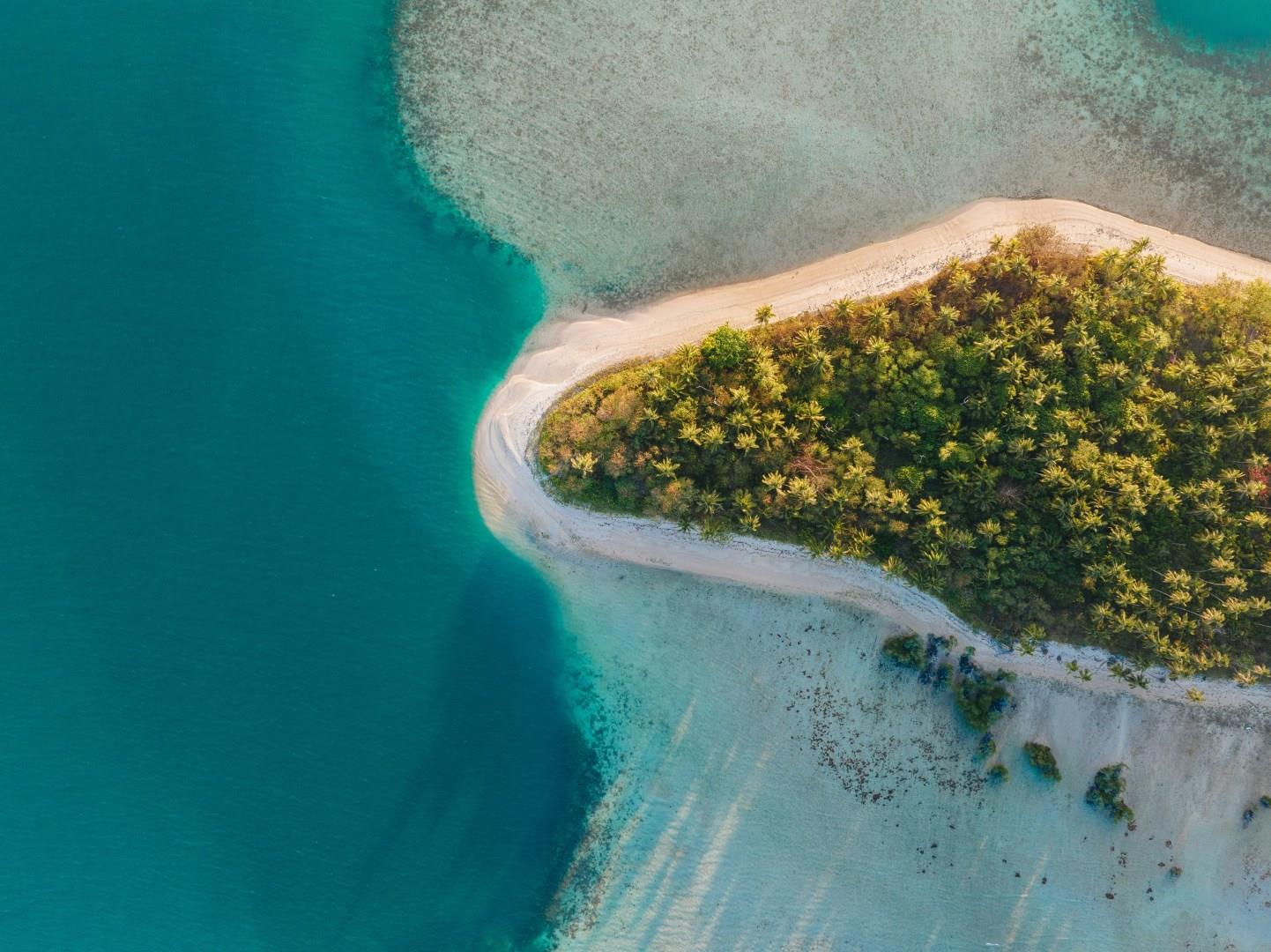
Palawan Island
Palawan Island stretches along the western edge of the Philippines, shaped by seafaring routes, Indigenous cultures, and relative isolation from the country’s major urban centers.
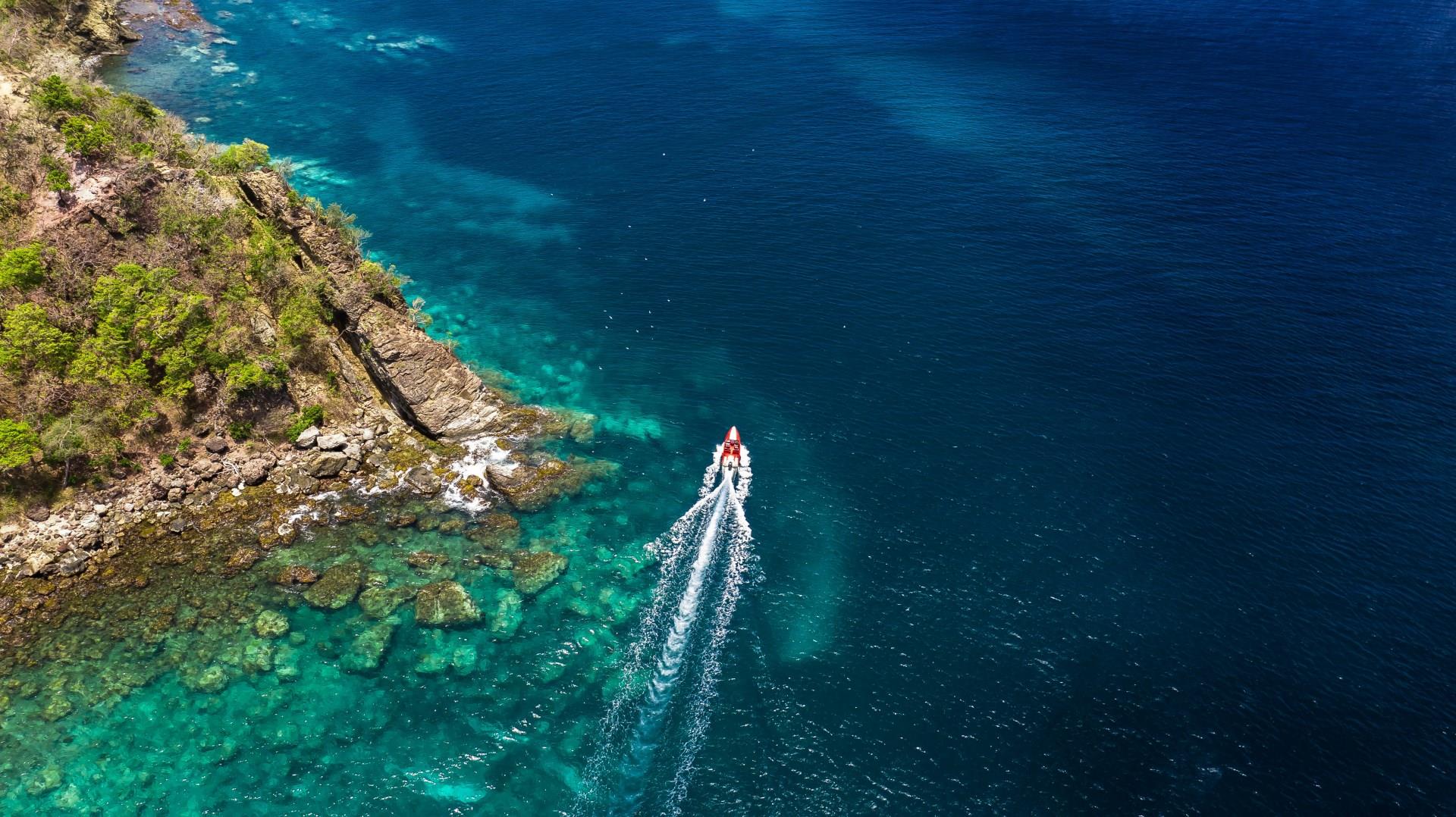
Carriacou
Carriacou, the largest of Grenada’s sister islands, offers a slower pace of life and an intimate window into traditional Caribbean culture. Known as the “Island of Reefs,” it is surrounded by vibrant coral systems that have long supported fishing and sailing traditions.
Bohol
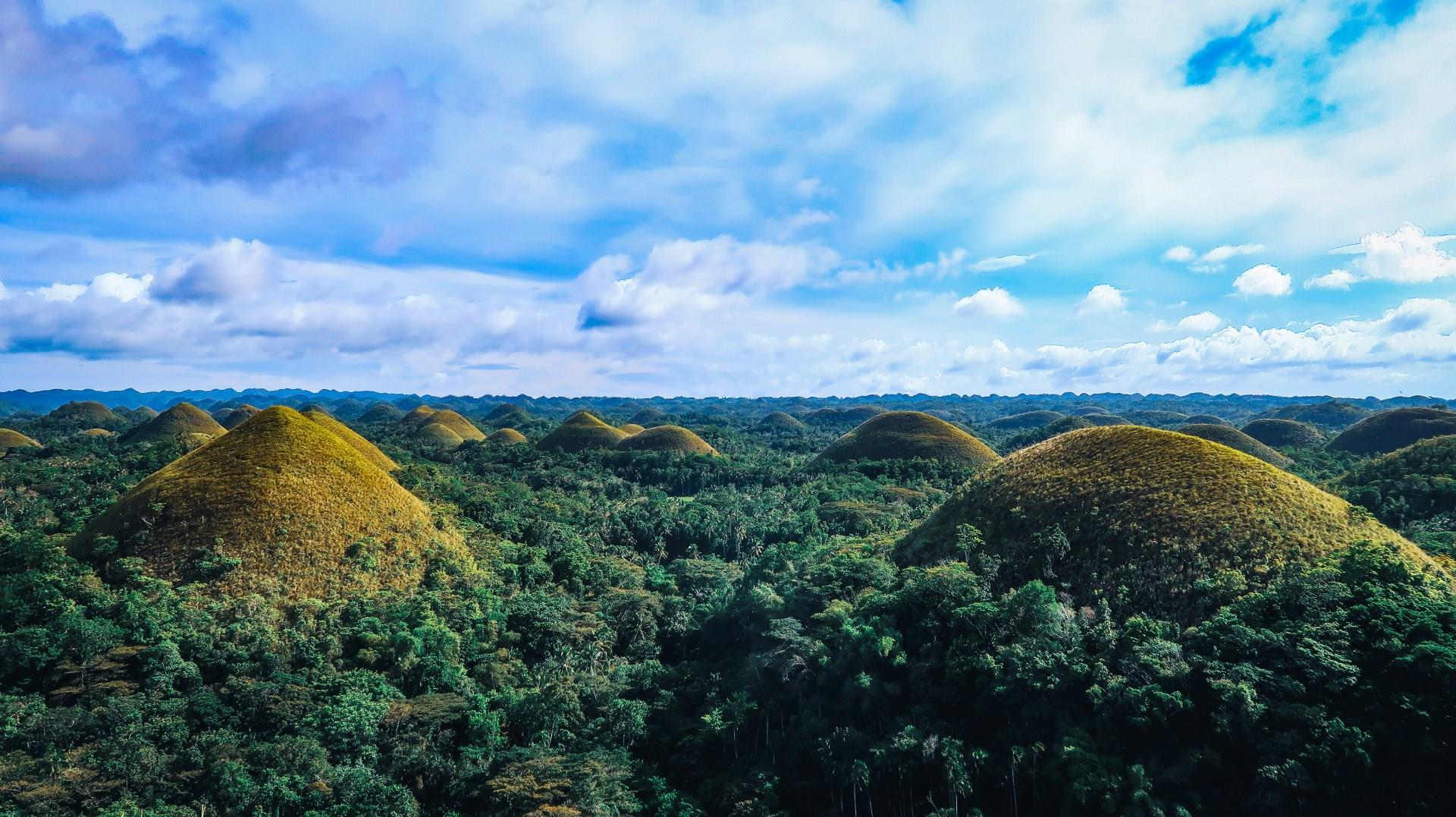
Bohol sits in the central Philippines, shaped by early Spanish contact and long-established rural communities. The island is known for its historic churches and for maintaining strong ties to agriculture and local governance, which have helped preserve a sense of continuity.

Franschhoek
Nestled in the heart of South Africa’s Cape Winelands, Franschhoek is a charming village renowned for its exquisite vineyards and rich history. Founded by French Huguenots in the late 17th century, the village’s French heritage is palpable in its architecture, cuisine, and local culture.
Sudan
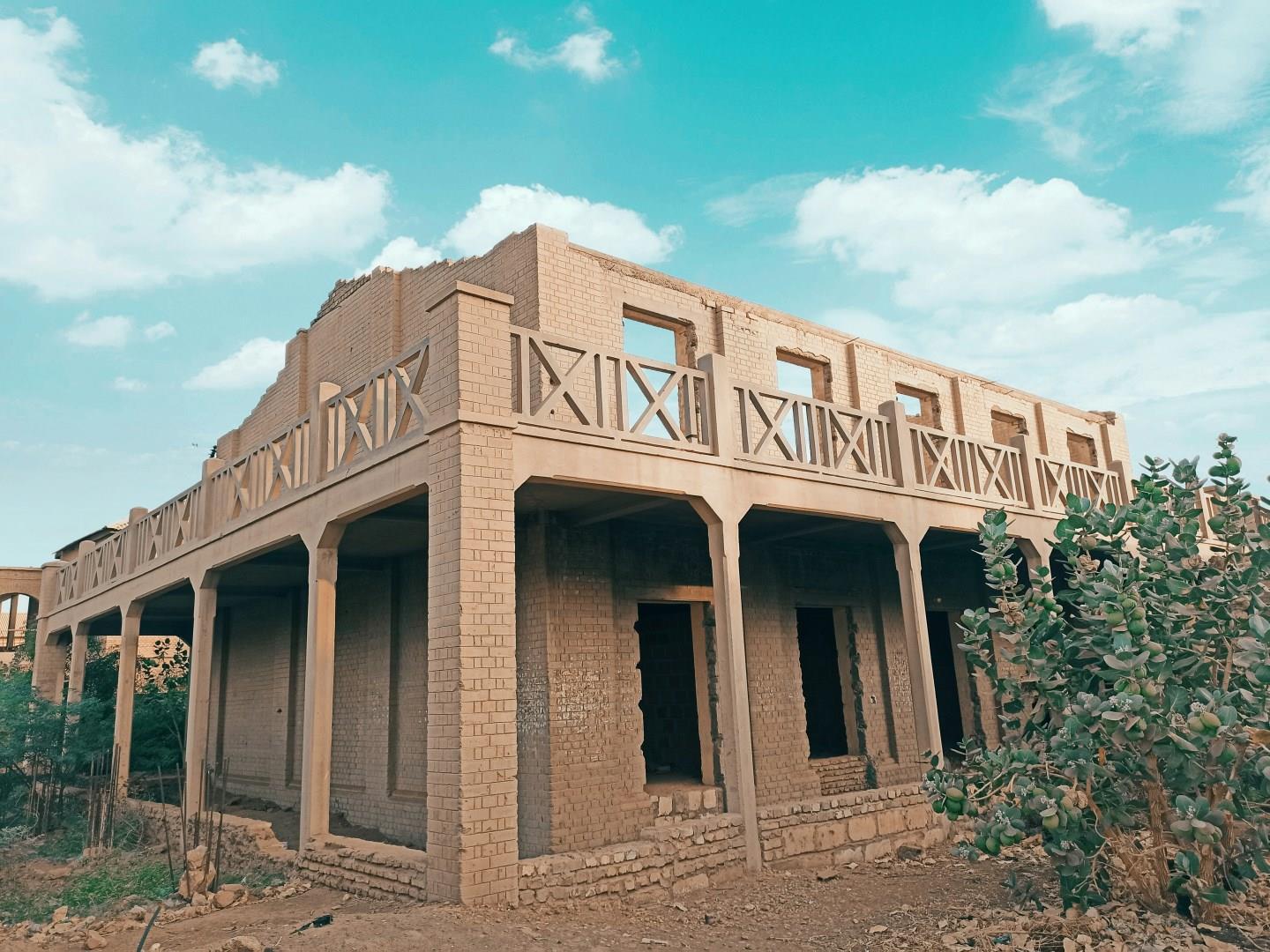
Sudan, located in northeastern Africa, is a country of diverse landscapes, from the vast Sahara Desert in the north to the fertile Nile Valley in the center. The Nile River, one of the world’s longest, runs through the country, shaping both its agriculture and history.