Goodenough Island
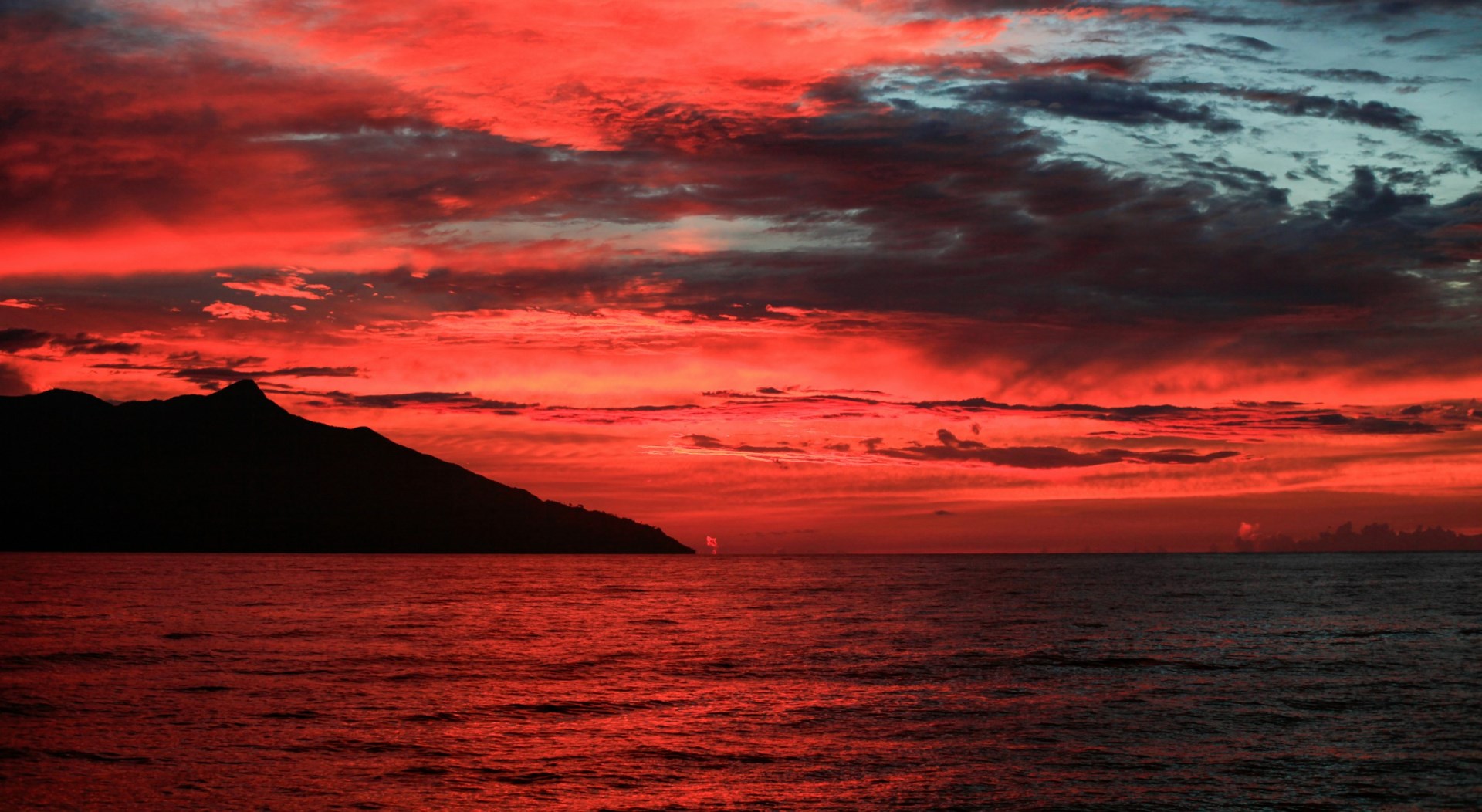
Goodenough Island is one of the D’Entrecasteaux Islands in Milne Bay Province, Papua New Guinea, lying in the Solomon Sea north of the mainland. The island has a distinctive rounded form, with steep slopes rising toward Mount Vineuo in the center and narrow coastal plains around much of its shoreline.
Wailua, Kauai
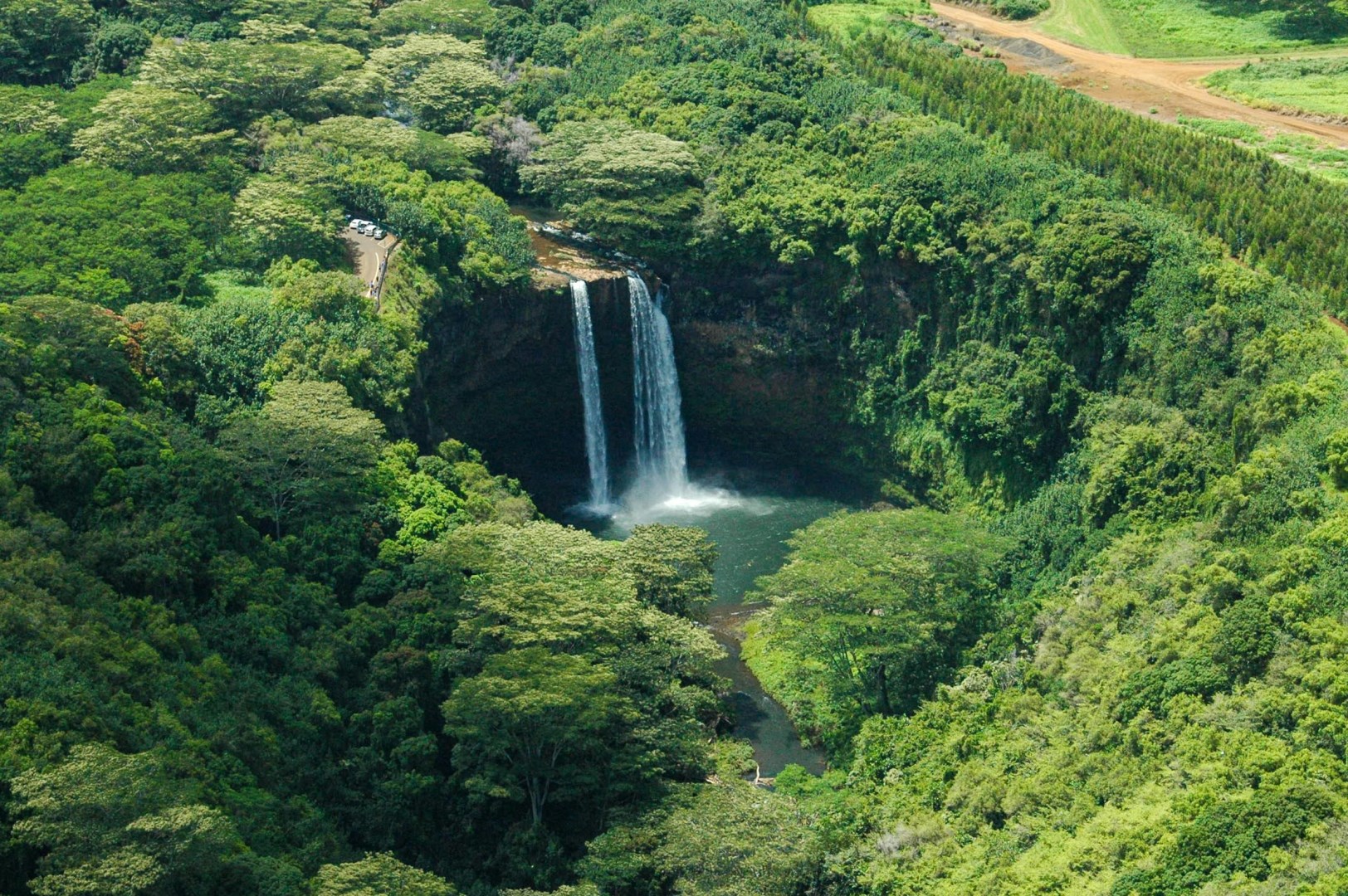
Wailua is a community on the eastern side of Kauaʻi, Hawaiʻi, where the Wailua River reaches the Pacific Ocean. The area includes beaches, river valleys, coconut groves, and forested foothills, with the dramatic peaks of the island’s interior rising nearby. Wailua is one of the main population centers on Kauaʻi and lies between the towns of Kapaʻa and Līhuʻe. Its location provides access to both the island’s eastern coastline and the Wailua River, making it an important base for exploring waterf
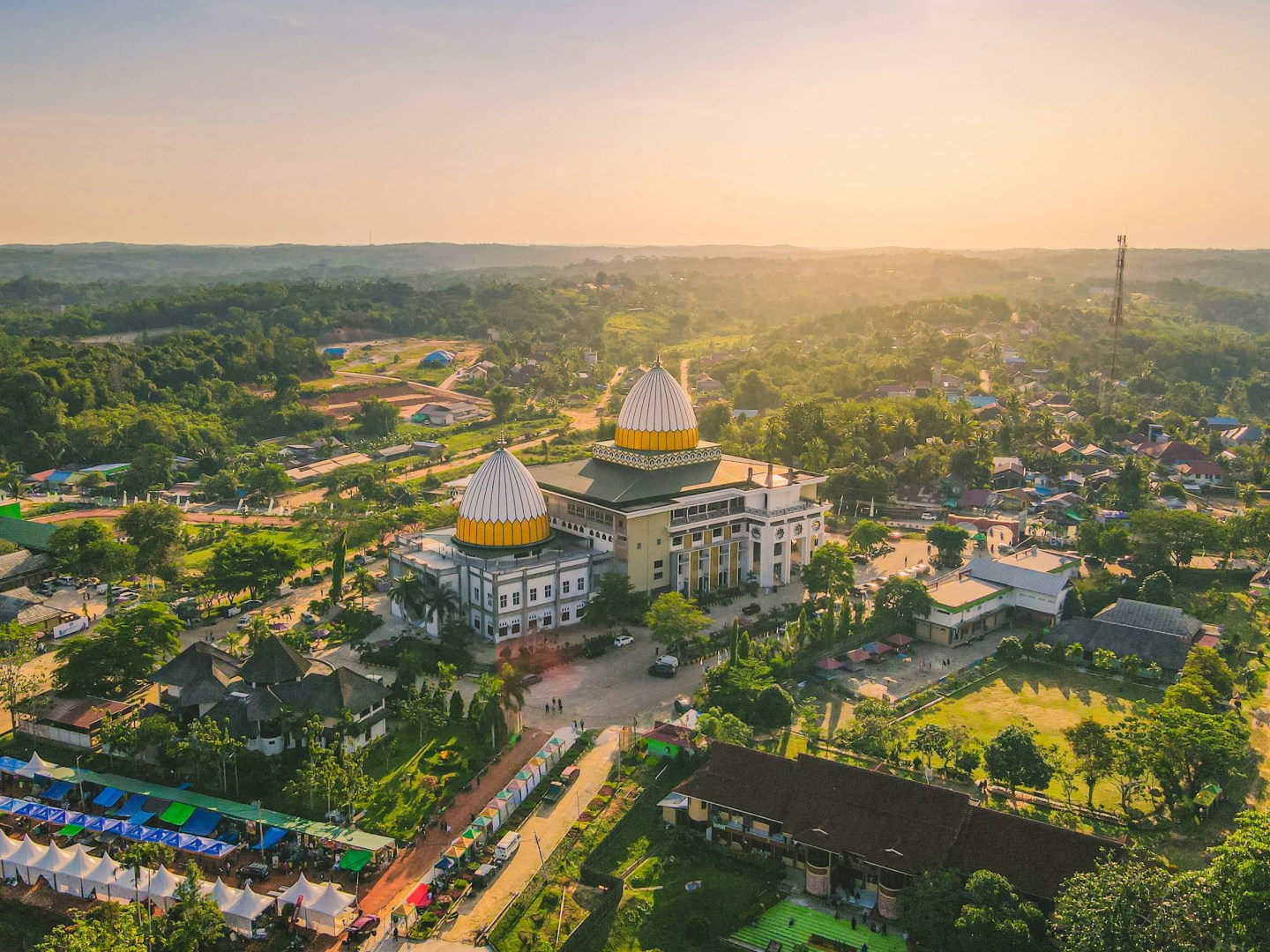
Balikpapan
Located in southeast Borneo on the inlet of Makassar Strait. It is a major port and oil center for Indonesia.
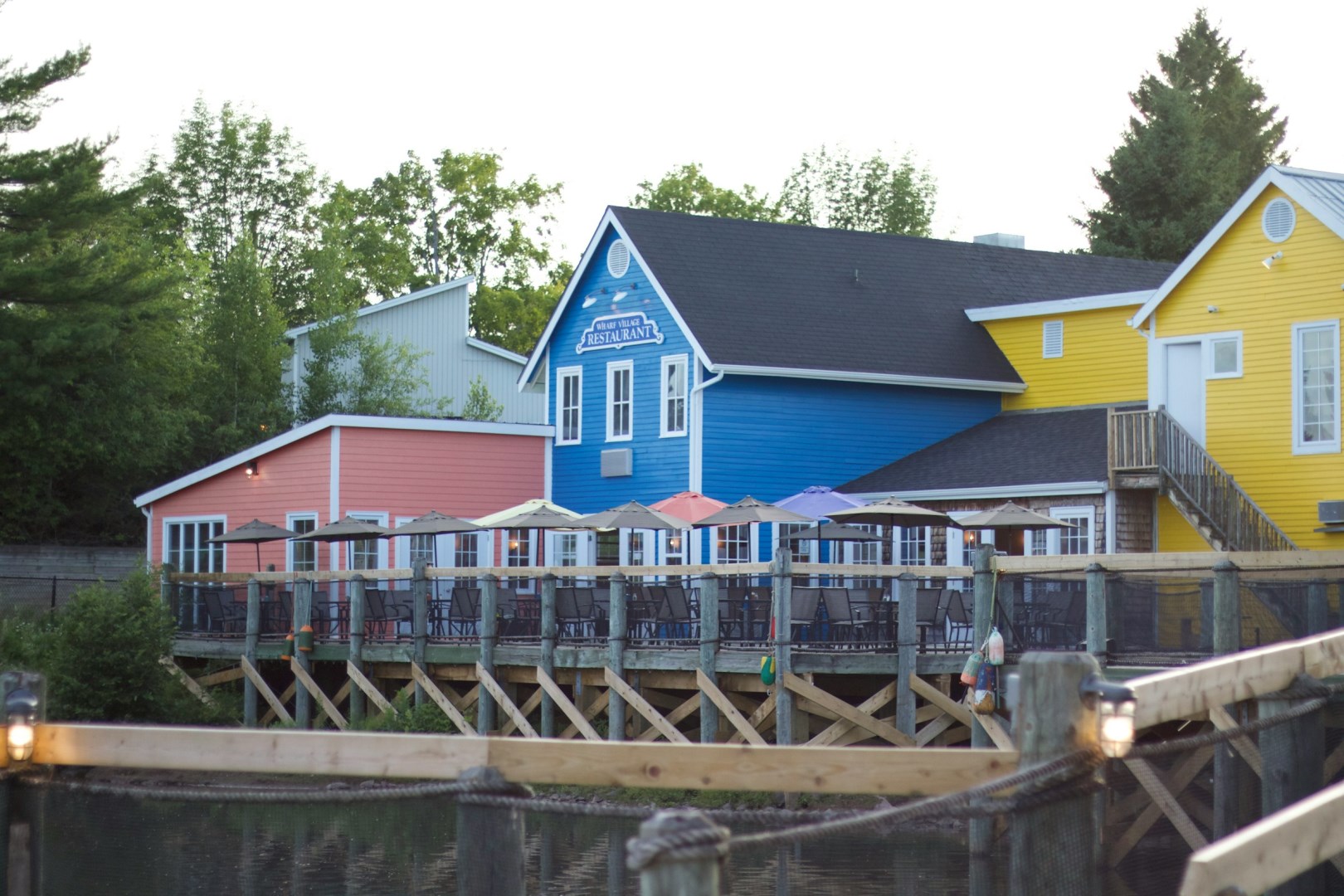
Moncton
Moncton is a city in southeastern New Brunswick, situated along the Petitcodiac River near the head of the Bay of Fundy. It serves as a major centre for transportation, commerce, education, and culture in Atlantic Canada. The city is officially bilingual and has strong English-speaking and Acadian influences. Its location beside the tidal river gives Moncton a distinctive natural feature within an urban setting, while downtown streets contain shops, restaurants, public art, and heritage building

Giurgiu
Giurgiu, a charming city in southern Romania, offers a unique blend of history, culture, and natural beauty, making it a captivating destination for travelers seeking an off-the-beaten-path experience.