
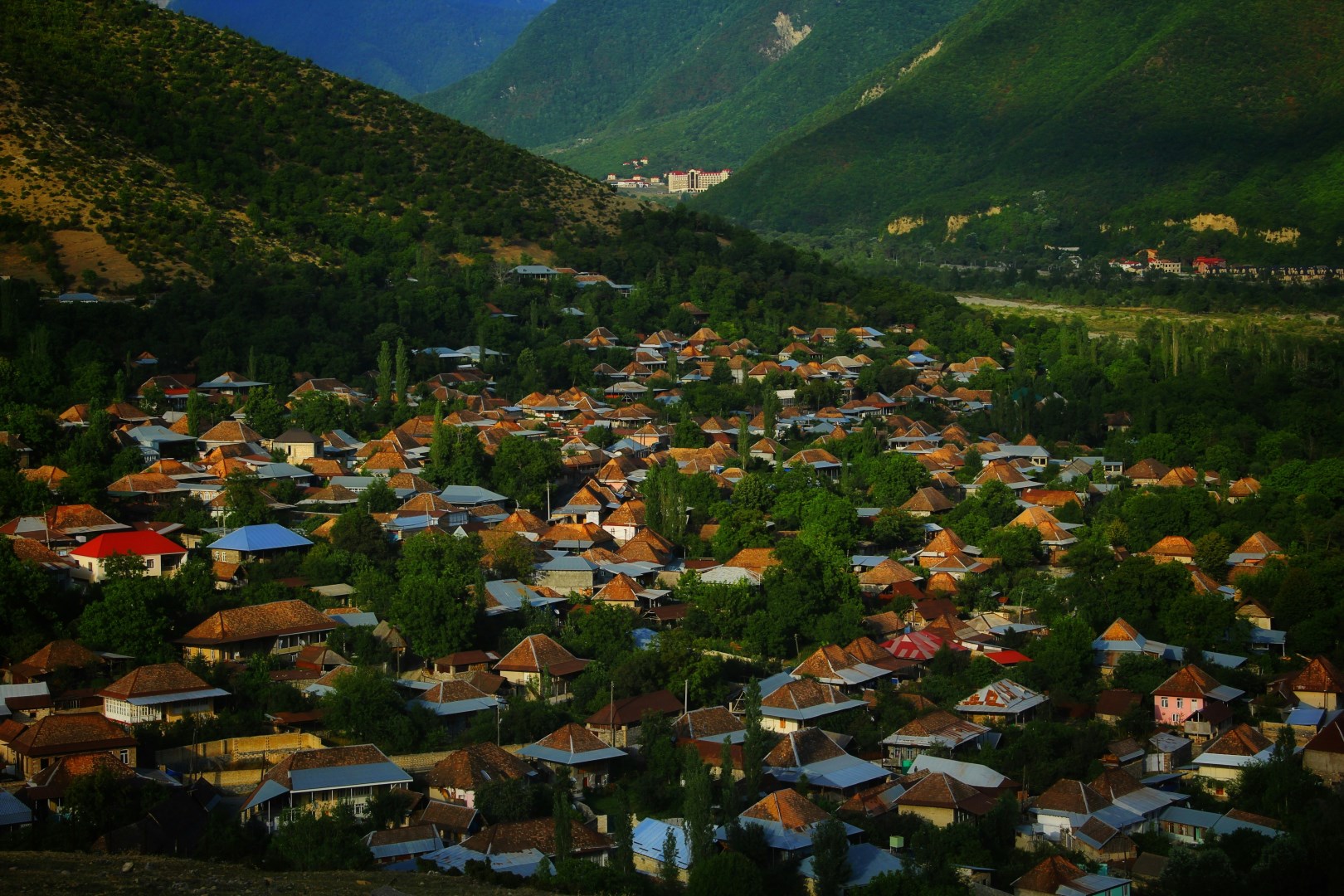
Sheki
Sheki is a historic city in northwestern Azerbaijan, located near the forested foothills of the Greater Caucasus Mountains. It developed as an important trading center along Silk Road routes connecting the Caucasus with Persia and Central Asia.

Dominica
Dominica, known as the “Nature Island of the Caribbean,” is a haven for eco-tourists and adventure seekers. Nestled between the French islands of Guadeloupe and Martinique, this lush island boasts a remarkable landscape of volcanic mountains, dense rainforests, and stunning waterfalls. Dominica’s most iconic natural wonder is the Boiling Lake, the second-largest hot spring in the world.
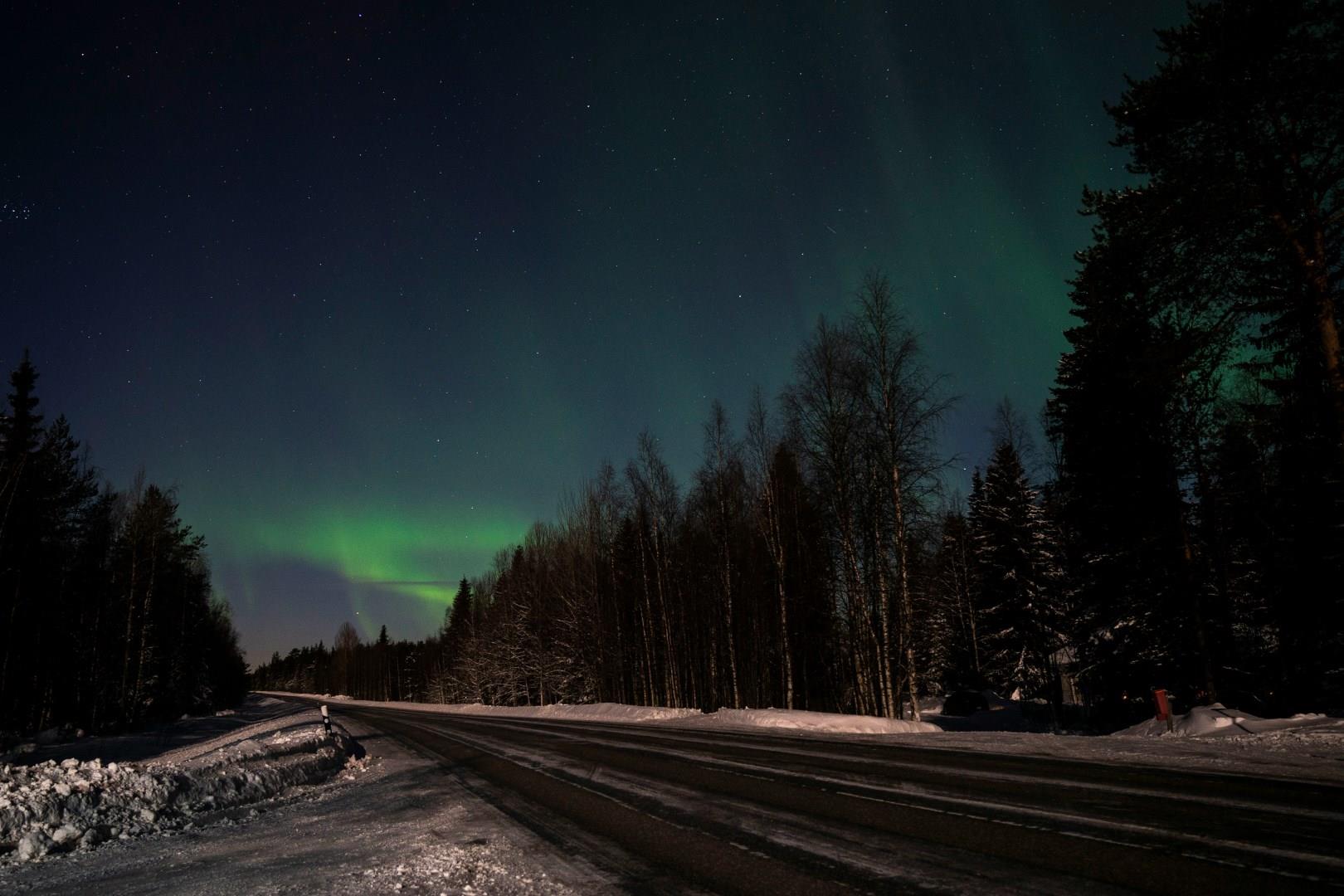
Rovaniemi
Rovaniemi, located just a few kilometers south of the Arctic Circle, is widely recognized as the official hometown of Santa Claus. From late August through early April, the Northern Lights are visible on clear nights, and several local guides offer nighttime tours to remote locations for optimal viewing. During summer, the sun doesn't set for weeks, giving travelers the rare chance to hike or kayak under a sky that stays bright at midnight.

Iles des Saintes
Framed by an array of tropical flowers, "miniature" houses painted in a pastel palette will enchant you. But, a splash of watercolors is all you'll see as you zip by on a moped. It won't be long before you find the perfect spot for a beach picnic and afternoon of snorkeling.

Naples
Naples, Florida, embodies the essence of coastal charm and luxury on the Gulf of Mexico. Renowned for its stunning beaches and pristine waters, Naples offers visitors a quintessential Florida experience. The city’s Naples Pier is a local landmark and a must-visit spot for panoramic views, fishing, and beautiful sunsets. Whether you’re strolling along the pier or relaxing on the sandy shores, the scenic beauty of Naples is sure to captivate.


