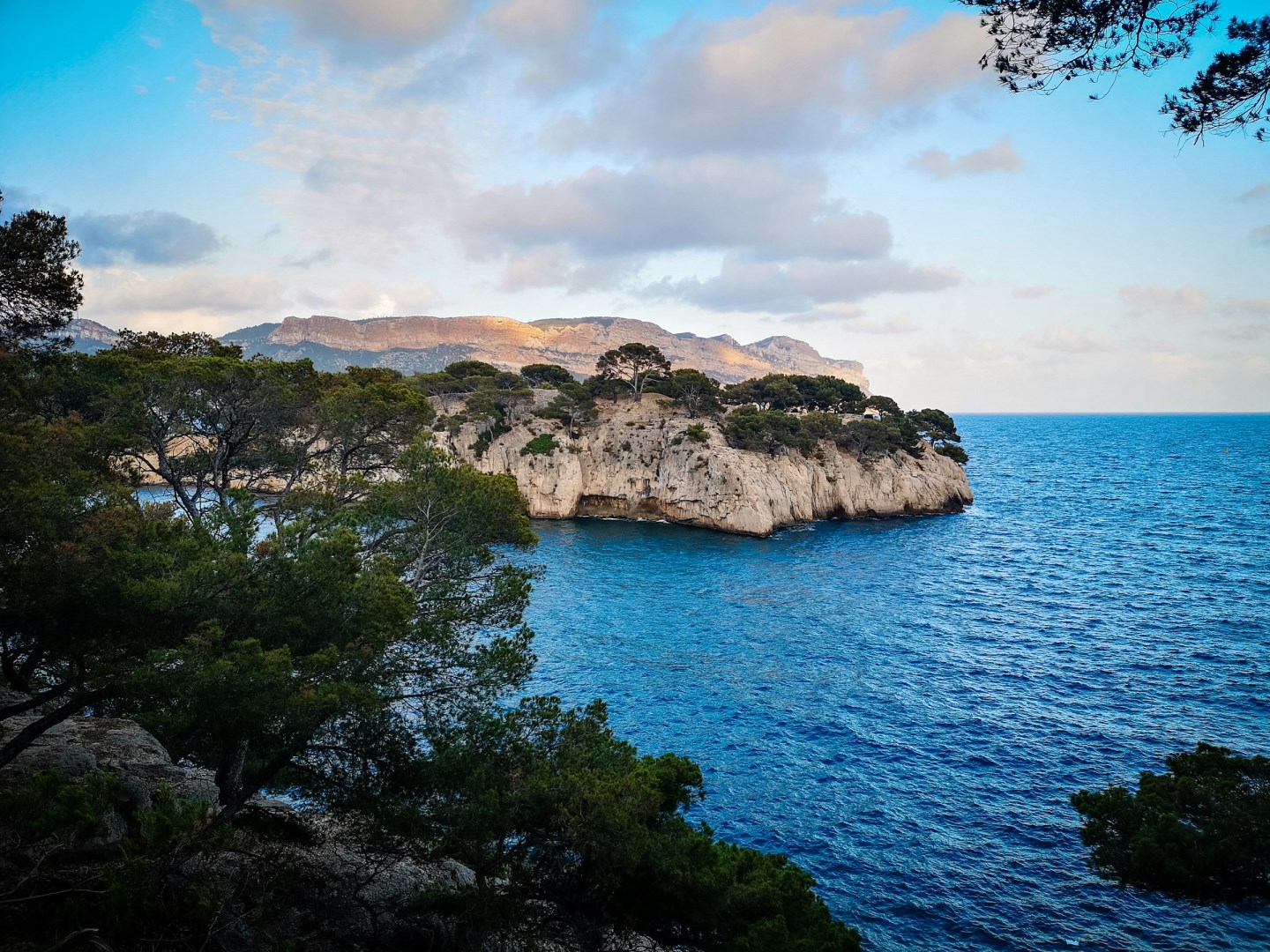
Calanques National Park
This stunning National Park is located on the Mediterranean coast in southern France. Calanques National Park should definitely be on your wish list!
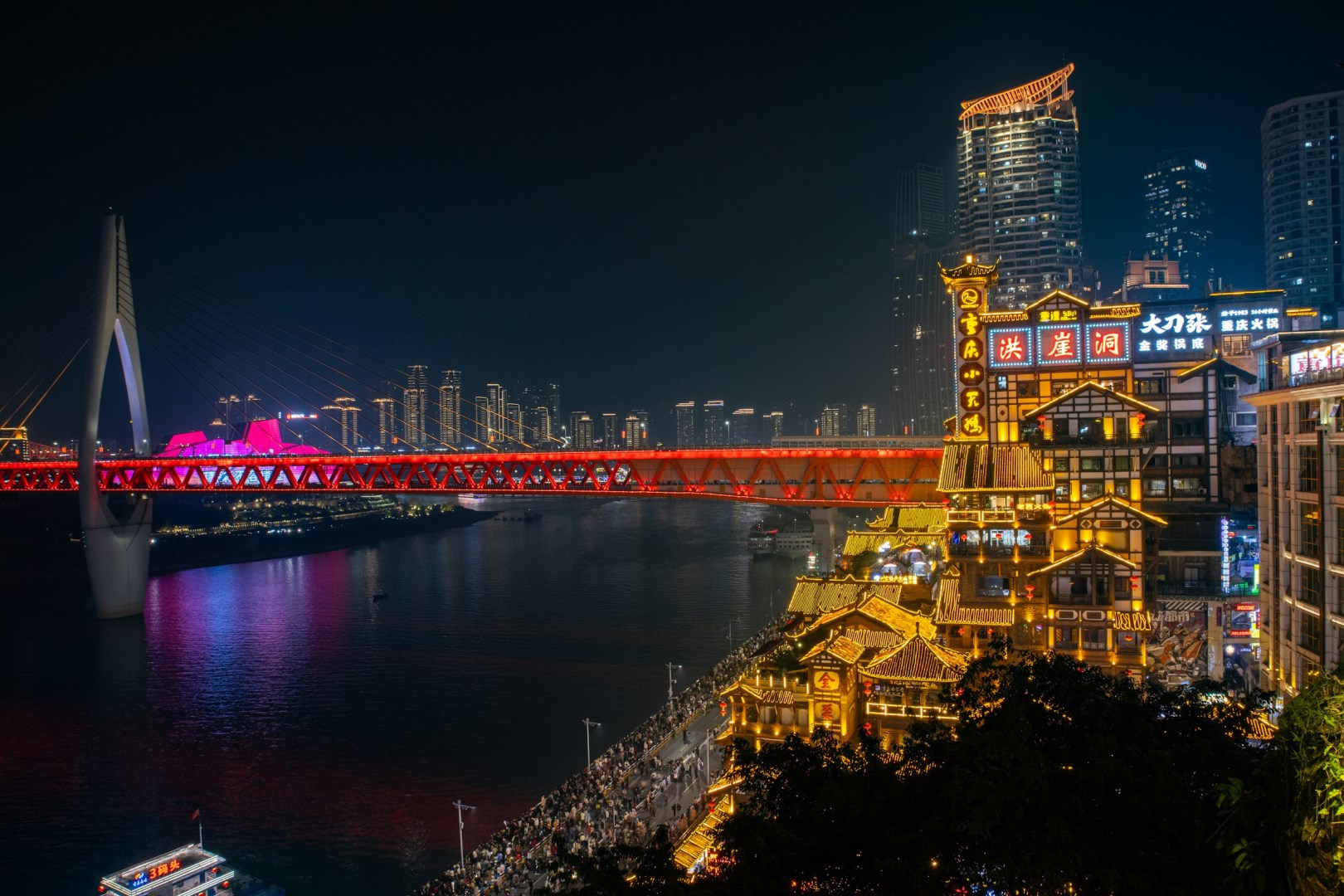
Chongqing
The largest city in Sichuan Province and a port-of-call on the Yangtze River. Located at the heart of where the Jialing and Yangtze Rivers meet, this beautiful combination of ancient and modern will take your breath away.

Yukon
Whitehorse is the territorial capital of this Canadian site of the 1898 gold rush. It consists mostly of rural towns, where the main industries are mining and tourism. It is a land of forests, rivers and tall mountain ranges covering a total of 207,075 sq. miles.
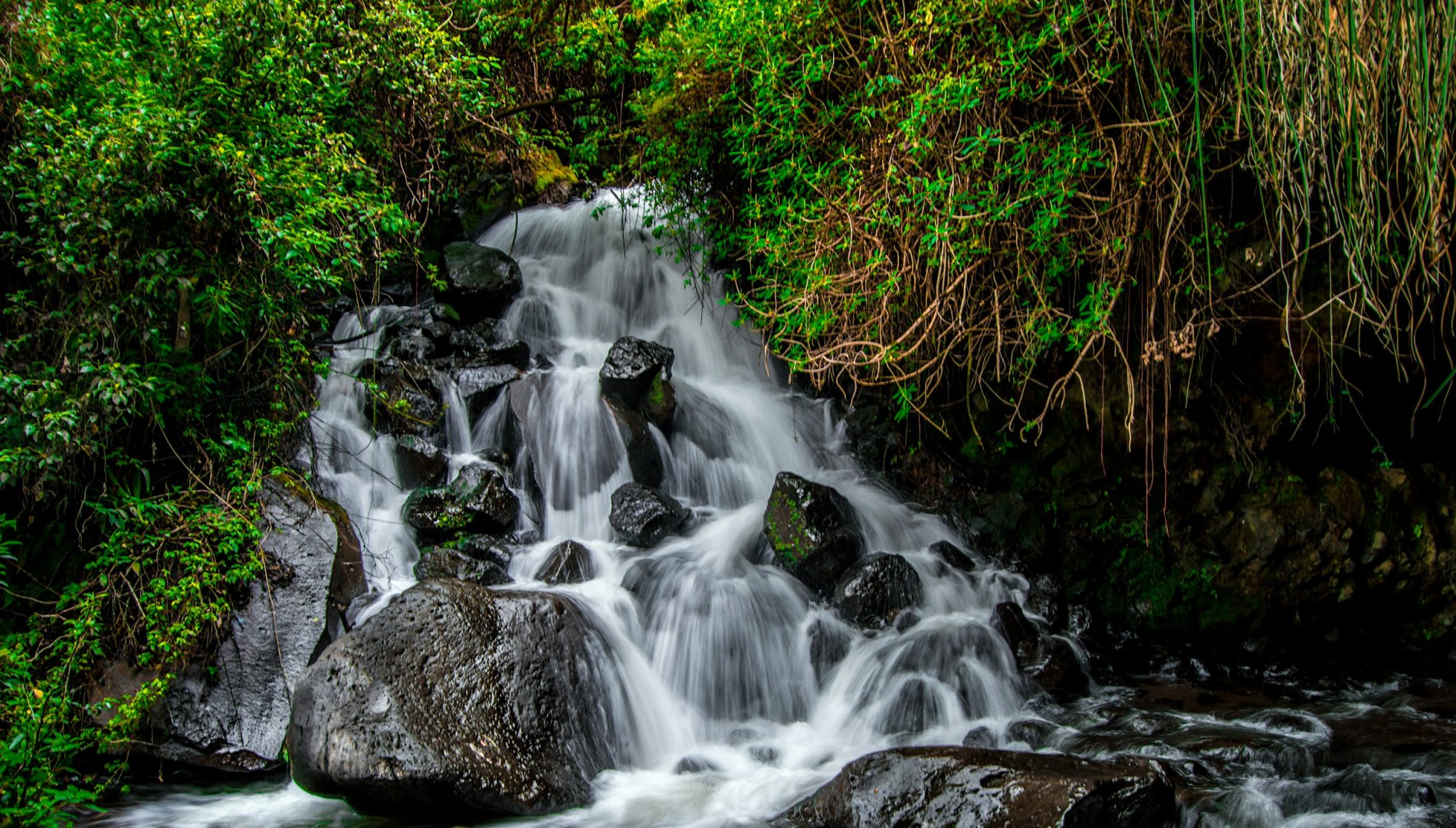
Otavalo
Otavalo is a city in Ecuador’s Imbabura Province, set in a high Andean valley surrounded by mountains, farmland, and volcanic landscapes. It is best known for its Indigenous Kichwa population and its long-standing textile and craft traditions. The city sits between Imbabura and Mojanda volcanoes, with the peaks of the surrounding Andes visible from many parts of the valley.
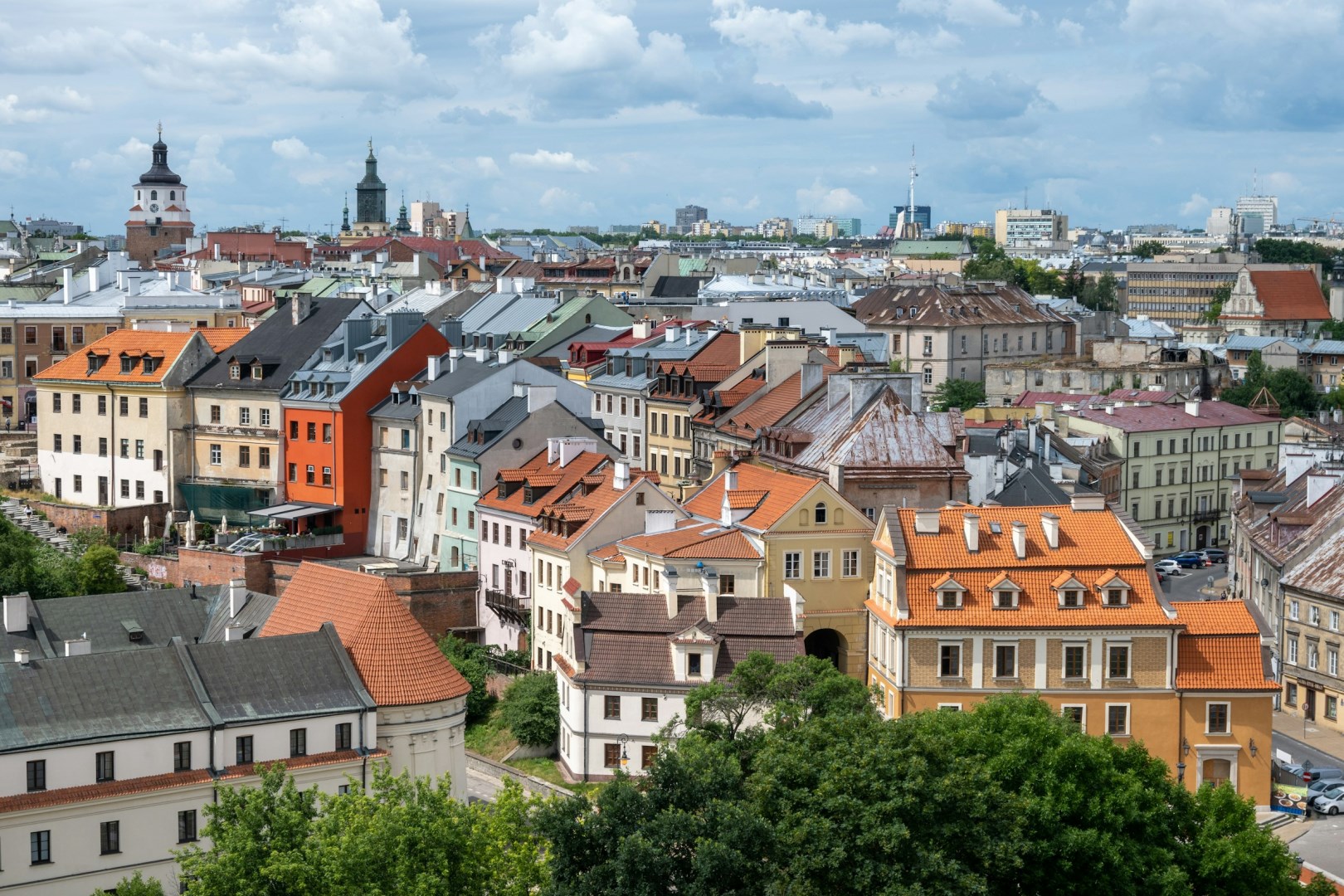
Lublin
Located on a trade route to Lithuania and Russia, Lublin was already an important center by the time it received its municipal charter in 1317. The city still remains relatively unknown to foreign tourists. From the original defense walls and the Krakow Gate, the remnant of Lublin's medieval wall system to the town hall and the Renaissance burgher houses in the Market Square, Lublin offers numerous visual delights.