

Split
Split, Croatia, is a city where ancient history and modern vibrancy blend seamlessly, creating an alluring destination for travelers. At the heart of Split is the UNESCO World Heritage Site of Diocletian's Palace, a remarkably well-preserved Roman complex built by Emperor Diocletian in the 4th century AD. This sprawling palace complex, with its labyrinthine streets, ancient walls, and grand Peristyle courtyard, is not just a historical site but a bustling part of the city’s daily life.

Muara
Muara is a small coastal town in Brunei, positioned where the Brunei River meets the South China Sea.

Nakuru
Nestled in Kenya's Rift Valley, Nakuru is a city that captivates with its stunning natural beauty and vibrant wildlife. The city is renowned for Lake Nakuru National Park, a UNESCO World Heritage Site known for its extraordinary flocks of flamingos that once numbered in the millions. Although flamingo populations fluctuate, the lake remains a sanctuary for other bird species and wildlife, including black and white rhinos, giraffes, and lions.

Kalambaka
Nestled in the heart of Greece's Thessaly region, Kalabaka is a charming town renowned for its striking natural and historical attractions. Most famous for its proximity to the Meteora rock formation, Kalabaka offers a unique blend of geological marvel and spiritual history.
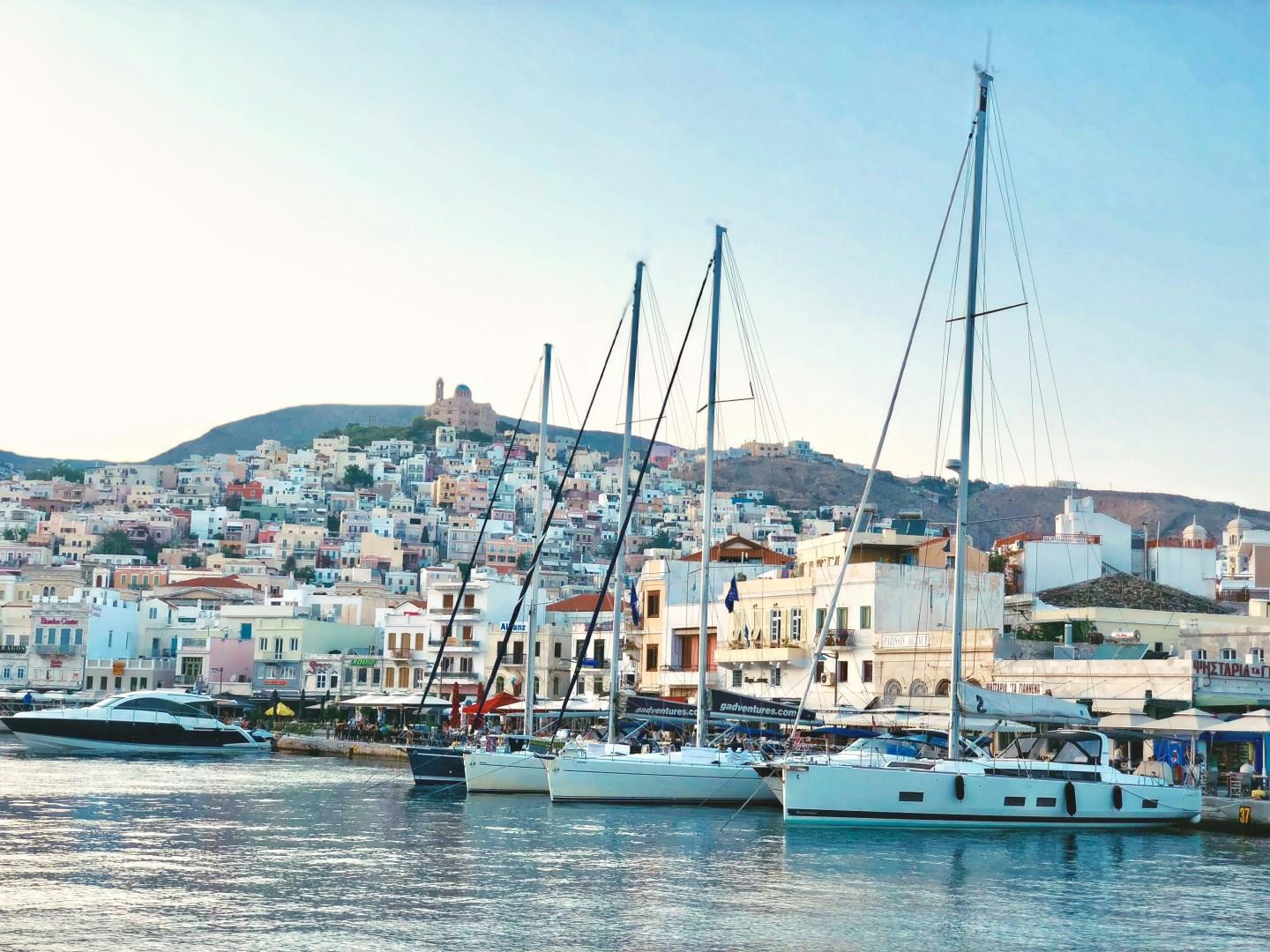
Syros
Syros, the capital of the Cyclades, stands apart from its island neighbors with its blend of neoclassical architecture, Orthodox and Catholic traditions, and year-round local life. Ermoupoli, the main town, was once a thriving 19th-century port and still displays its legacy through grand mansions, marble-paved squares, and the imposing Apollo Theater which was designed by an Italian architect and often referred to as a miniature La Scala.


